What is hard water, and why can it make coffee taste flat?
The Science of Hard Water and Its Impact on Coffee
When preparing a morning cup of coffee, most attention is given to the origin of the beans, the roast profile, and the brewing method. However, the most abundant ingredient in the beverage is often overlooked. A typical cup of filter coffee is composed almost entirely of water, with roughly 98 to 99 percent of its contents being water and the remaining 1 to 2 percent consisting of dissolved coffee solids like oils and flavor compounds[10][11]. Because water makes up such a massive portion of the final drink, its chemical composition plays a critical role in the extraction process and the ultimate flavor profile of the brew.
One of the most common water quality issues that coffee enthusiasts encounter is water hardness. Hard water can drastically alter the brewing process, often resulting in a cup of coffee that tastes flat, dull, and lifeless. Understanding the chemical makeup of hard water and how it interacts with coffee grounds is essential for anyone looking to optimize their brewing technique and achieve a perfectly balanced cup.

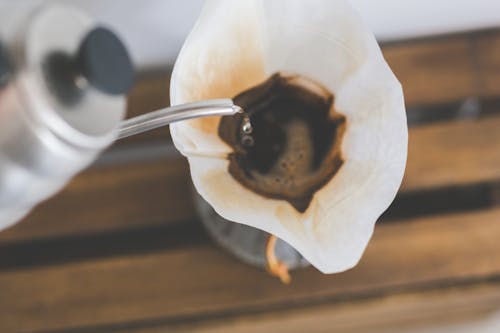

What Constitutes Hard Water?
To understand how water affects coffee, it is essential to define what hard water actually is. Hard water is simply water that contains a relatively high concentration of dissolved minerals, most notably calcium and magnesium[1]. Interestingly, all natural water begins its journey as soft water. Rainwater in its pure form is naturally soft because the evaporation process leaves most dissolved minerals behind on the Earth's surface[12][13]. As a result, rainwater contains very little calcium or magnesium before it makes contact with the ground[12].
The transformation from soft to hard water occurs as rainwater reaches the land and flows over or infiltrates through soils and porous rocks. When water moves through underground deposits of limestone, chalk, or gypsum, it dissolves calcium and magnesium compounds, which are typically found in the form of carbonates or sulfates[1][14]. This gradual mineral uptake increases the mineral content of the water, transforming it into hard water over time[14].
While calcium and magnesium are the primary minerals responsible for water hardness, hard water can also contain trace amounts of other dissolved metals. The mineral profile of hard water typically includes:
- Calcium (primary)
- Magnesium (primary)
- Iron
- Aluminum
- Barium
- Strontium
- Manganese
- Zinc
The presence of these dissolved minerals is known to cause several common household issues. For instance, hard water leads to scale buildup in pipes and water heaters, reduces the ability of soap to lather, and leaves deposits on plumbing fixtures. Despite these plumbing nuisances, hard water is not considered a health issue and can actually contribute beneficially to a person's dietary intake of essential nutrients.
The Chemistry of Coffee Extraction
Brewing coffee is fundamentally a chemical extraction process. Hot water acts as a solvent, pulling hundreds of different chemical compounds out of the roasted and ground coffee beans. These compounds include organic acids, sugars, lipids, and caffeine, all of which combine to create the complex aroma and taste of the coffee. The efficiency and balance of this extraction depend heavily on the solvent properties of the water used. When the water is already saturated with dissolved minerals, its ability to act as an effective solvent is compromised, which directly impacts the final flavor profile.
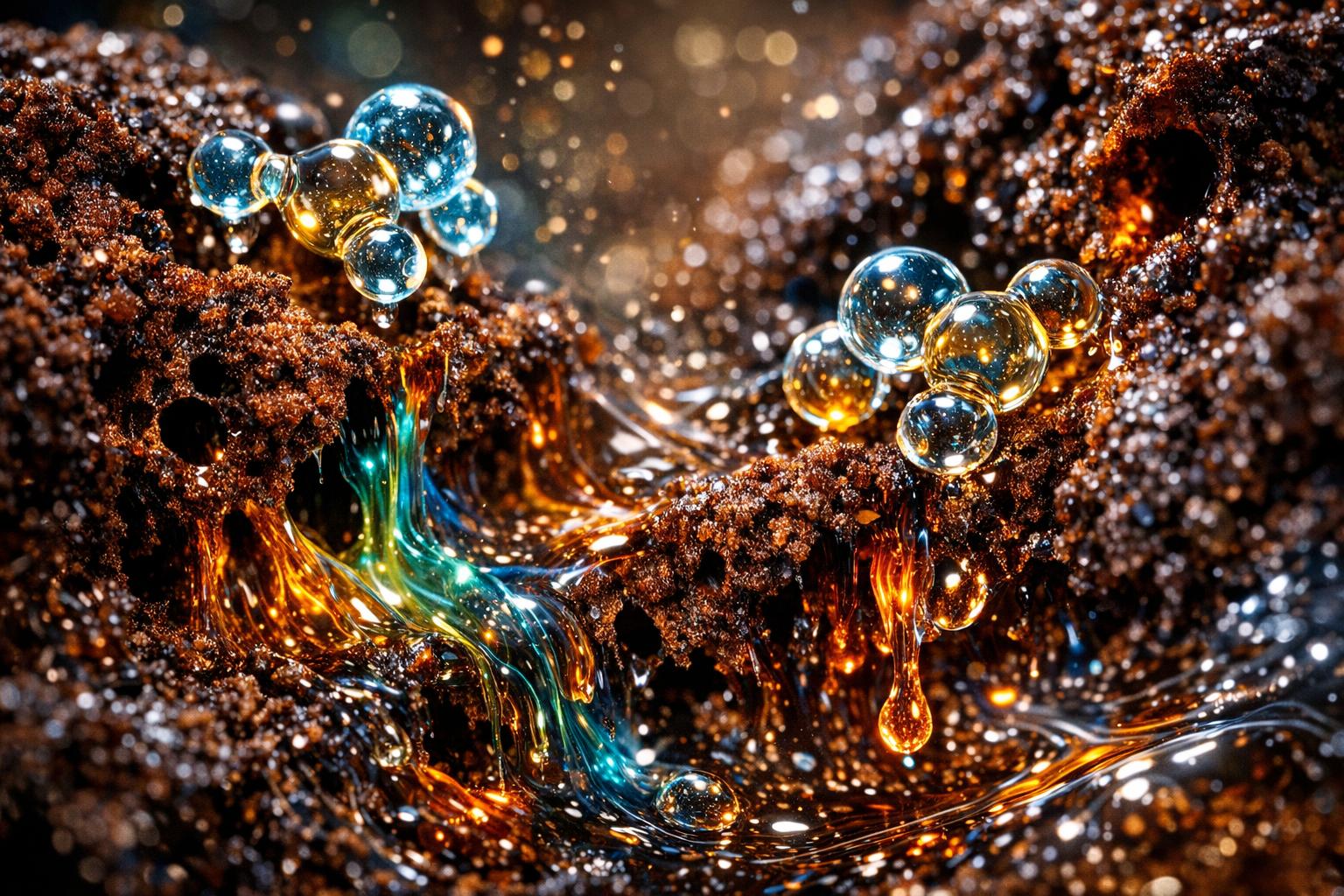
Chemical Extraction of Coffee
An abstract visualization of water molecules interacting with coffee grounds, extracting colorful flavor compounds and organic acids.
Why Hard Water Makes Coffee Taste Flat
The Flattening Effect of Minerals
The high concentration of dissolved minerals in hard water, primarily calcium and magnesium, significantly interferes with the extraction of coffee solubles. When these minerals are present in excess, they bind with the compounds in the coffee grounds, preventing the full extraction of the beans' complex flavor profile[6][7]. Instead of drawing out a dynamic and vibrant mix of flavors, hard water extracts the coffee in a way that produces a one-dimensional cup lacking brightness and complexity[6].
The Bicarbonate Buffer System
Furthermore, hard water often contains elevated levels of bicarbonates, which play a major role in altering the taste of the coffee. Bicarbonate ions act as a chemical buffer when they interact with the delicate acids present in coffee. During the brewing process, coffee releases various organic acids that contribute to its bright, fruity, and nuanced flavor notes. However, the bicarbonate ions in hard water react with the excess hydrogen ions released from these extracted acids[8][9].
In this neutralization reaction, the bicarbonate combines with the hydrogen ions to form carbonic acid[8]. Carbonic acid is highly unstable and quickly decomposes into water and carbon dioxide gas[8]. This chemical process effectively reduces the overall free acidity in the coffee beverage[8]. While a slight reduction in acidity might soften a sour or overly sharp taste to create a more balanced cup, an excess of bicarbonates neutralizes too much of the desirable acidity[9]. The essential acidity and nuanced sweetness are muted, leading to an unbalanced brew that often tastes flat, dull, and sometimes even bitter[5].
Summary and Key Takeaways
The quality of water used in brewing is just as important as the quality of the coffee beans themselves. Since coffee is overwhelmingly composed of water, the mineral content of that water dictates how flavors are extracted and perceived. Hard water, born from rainwater percolating through mineral-rich earth, brings high levels of calcium, magnesium, and bicarbonates into the brewing process. While these minerals are harmless to human health and even provide dietary benefits, they act as a barrier to optimal coffee extraction. By binding with flavor compounds and neutralizing essential organic acids, hard water strips coffee of its vibrant acidity and complex sweetness, leaving behind a flat and uninspiring beverage. For coffee enthusiasts looking to achieve the perfect cup, understanding and managing water hardness is a crucial step in the pursuit of flavor.
References
Get more accurate answers with Super Pandi, upload files, personalized discovery feed, save searches and contribute to the PandiPedia.
Let's look at alternatives:
- Modify the query.
- Start a new thread.
- Remove sources (if manually added).
 Curated by Joan