The Connection Between Satisfaction and Mental Health

Understanding Life Satisfaction
Life satisfaction refers to an individual's cognitive and affective evaluations of their life overall. It is a broader, more stable measure than momentary happiness, encompassing a person’s general feelings of contentment and fulfillment with various aspects of life such as relationships, health, income, and achieving personal goals. According to the literature, life satisfaction is a key indicator of overall well-being and has significant implications for mental health. Research indicates that individuals who report higher levels of life satisfaction also experience better mental health outcomes, including lower levels of anxiety and depression, and higher vitality and self-perceived health[1][7].
In a comprehensive study of life satisfaction, it was found that individuals with poor self-reported mental health experienced particularly low levels of life satisfaction. Those in better self-reported mental health categories showed significantly higher odds of having greater life satisfaction. Specifically, the odds of higher life satisfaction were found to be more than two times greater for individuals reporting fair mental health compared to those reporting poor mental health[1]. This suggests that enhancing mental health can be a viable pathway to improving overall life satisfaction, thus promoting well-being.
Mental Health Outcomes Associated with Life Satisfaction

There is strong evidence linking high life satisfaction with various positive mental health outcomes. Individuals expressing high levels of life satisfaction often demonstrate resilience against mental illnesses and show better coping mechanisms under stress. These individuals are less likely to suffer from psychological distress or exhibit depressive symptoms[2][4]. The presence of supportive social networks plays a critical role in this dynamic; higher levels of social support are associated with increased life satisfaction and, consequently, improved mental health[4].
Conversely, low life satisfaction is associated with adverse health outcomes. A systematic review highlighted that social isolation—an experience resulting in reduced life satisfaction—can lead to detrimental impacts on physical and mental health, such as increased depression, anxiety, and even mortality risks comparable to well-documented risk factors like smoking[8]. The COVID-19 pandemic further exacerbated feelings of social isolation and loneliness, significantly impacting overall life satisfaction and well-being[8].
The Impact of Psychological Well-being
Psychological well-being encompasses various dimensions, including positive affect, functioning, and mental health. Studies have indicated that factors thought to contribute to well-being—such as life satisfaction, self-perceived health, and positive relationships—are positively correlated. For example, a meta-analysis demonstrated that high levels of psychological well-being were linked with protective effects against chronic illnesses like cardiovascular disease and diabetes[2][7]. These findings reinforce the perspective that well-being, measured through life satisfaction, has crucial implications for mental health and physical health outcomes.
Moreover, the relationship between health behaviors and mental health suggests a reciprocal influence. Individuals with healthier lifestyles typically report higher life satisfaction and better mental health. A specific study demonstrated that each additional point in a healthy lifestyle score correlated with a significant reduction in the odds of experiencing negative mental health outcomes such as major depression and generalized anxiety disorder[7]. This correlation underscores the necessity of promoting healthy lifestyle choices as a means to enhance life satisfaction and, by extension, mental health.
The Role of Social Isolation
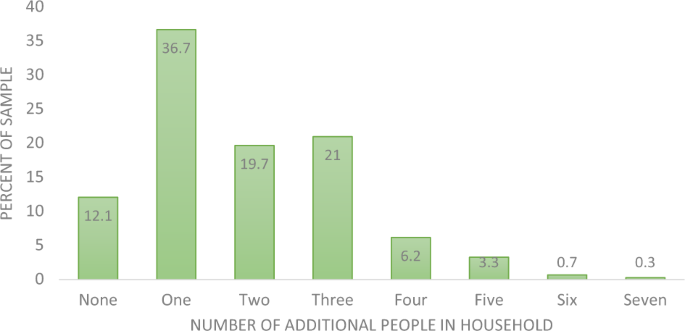
Social determinants, including social support and community connectedness, significantly affect both life satisfaction and mental health. Research emphasizes that social relationships and trust in one's environment are decisive factors contributing to feelings of belonging and overall satisfaction. The experience of social isolation, especially during the COVID-19 pandemic, has shown to correlate inversely with life satisfaction, leading to heightened psychological distress among both younger and older adults[8]. Individuals who perceived themselves as socially isolated were also more likely to report lower life satisfaction and mental health issues, highlighting the detrimental effects of perceived isolation regardless of the actual frequency of social interactions[8].
Coping Mechanisms and Strategies
The strategies individuals employ to cope with stress also impact their mental health and life satisfaction. Research has suggested that using positive coping mechanisms, such as seeking social support or engaging in physical activity, can mitigate adverse mental health effects associated with dissatisfaction. In contrast, reliance on negative coping strategies, like substance use, is related to higher perceived social isolation and poorer life satisfaction outcomes[8]. Therefore, developing and encouraging healthy coping strategies could foster improved life satisfaction and mental health resilience.
Conclusion
In conclusion, life satisfaction holds a significant position in the context of mental health, acting as both an indicator and a contributor to psychological well-being. Enhanced life satisfaction is linked with positive mental health outcomes and reduced psychological distress. Conversely, lower life satisfaction correlates with increased risks of mental health issues, often exacerbated by factors such as social isolation. Addressing life satisfaction holistically through improved mental health support, community engagement, and healthier lifestyle choices can promote better health outcomes and enhance overall well-being in diverse populations. As research continues to explore these intricate relationships, it becomes evident that promoting life satisfaction is essential for fostering mental health resilience in individuals across all age groups.
Let's look at alternatives:
- Modify the query.
- Start a new thread.
- Remove sources (if manually added).

How do you choose DIY lighting?

To choose DIY lighting effectively, start by planning your lighting scheme early in the kitchen design process. Identify the types of lighting you need—task, ambient, and accent—and ensure they are layered to suit different functions and moods throughout the day. It’s important to finalize light placements based on kitchen layouts, considering areas requiring focused light like counters and dining spaces[1][2].
When selecting DIY fixtures, consider your desired style and budget. There are many options available, from chandeliers to pendant lights, which can be tailored to match your decor while saving costs[3][5]. Ensure to account for safety and functionality, especially around water sources[2][4].
Let's look at alternatives:
- Modify the query.
- Start a new thread.
- Remove sources (if manually added).
Create your account to shape this feed around what you search for and enjoy.
What defines a timeless wardrobe?





A timeless wardrobe is characterized by its collection of classic and versatile pieces that transcend fleeting trends, offering elegance and functionality across various occasions. It emphasizes high-quality materials and simple silhouettes that can be easily mixed and matched to create numerous outfits.
Key elements of a timeless wardrobe include:
Quality Over Quantity: A timeless wardrobe prioritizes high-quality, well-crafted garments made from durable materials like cotton, wool, and silk. These materials not only look better but also last longer, providing a better return on investment over time[8][10].
Versatile Staples: Essential items such as a classic white shirt, tailored blazer, little black dress (LBD), and well-fitted jeans form the foundation of a timeless wardrobe. These pieces can be dressed up or down and are suitable for various settings, from casual outings to formal events[4][8].
Neutral Color Palette: Timeless fashion often features a neutral color palette, with blacks, whites, greys, and beiges that can be easily coordinated. This approach simplifies outfit building and reduces the likelihood of being tied to seasonal color trends[7][9].
Simplicity and Elegance: Timeless styles favor clean lines and understated elegance. This simplicity ensures that items remain stylish and relevant over many years, allowing wearers to consistently look polished and put-together regardless of current fashion crazes[4][6].
Personal Style: While timeless wardrobes consist primarily of classic pieces, individuals are encouraged to infuse their personal style into these staples. This may include selecting accessories or unique cuts that resonate with one’s personal aesthetic while still grounding the look in timeless fashion principles[7][10].
In essence, a timeless wardrobe is built on the idea of choosing versatile pieces that can be worn across seasons without losing their appeal, ensuring that each item is not just a fleeting trend but a lasting staple in one’s collection[3][5][8][11].
Let's look at alternatives:
- Modify the query.
- Start a new thread.
- Remove sources (if manually added).

How do jokes about stereotypes work?

Jokes about stereotypes can serve as both humorous and harmful social tools. They can be viewed as relatable exaggerations, acting as comedic shorthand or cultural icebreakers that facilitate conversations. However, they can also reinforce negative stereotypes and create discomfort among marginalized groups[2][5]. Disparagement humor, which often targets specific social groups, can lead to the normalization of prejudice and discrimination, particularly when the joke is perceived as a reflection of hostility rather than humor[1][3].
The effectiveness and reception of these jokes often depend on who delivers them. Jokes told by individuals belonging to the targeted group can be seen as less offensive and more humorous than those told by outsiders, as the audience may interpret the intention behind the joke differently[4][5].
Let's look at alternatives:
- Modify the query.
- Start a new thread.
- Remove sources (if manually added).
What should be included in a daily checklist?

A daily checklist should include actionable steps that are specific and relevant to your tasks and goals. Essential elements include identifying non-negotiable tasks, scheduling time for each, and prioritizing them based on urgency and importance. It may also be helpful to incorporate sections for notes and reminders, along with visual cues such as checkboxes to enhance readability and usability[1][2][3][4].
Additionally, ensure that your checklist contains logical categorization, clear descriptions of tasks, and space for tracking daily priorities, appointments, and personal goals. Regular updates will keep it relevant and effective[2][4][5].
Let's look at alternatives:
- Modify the query.
- Start a new thread.
- Remove sources (if manually added).
What are eco-friendly DIY materials?

Eco-friendly DIY materials are primarily focused on sustainability and reducing waste. Here are some options:
Organic and Non-Toxic Materials: Prioritize organic and non-toxic ingredients for projects, such as organic cotton for fabric crafts and natural components like beeswax, coconut oil, and essential oils for cosmetics and cleaning products[1].
Upcycled and Recycled Items: Use materials that are upcycled or recycled. For instance, scrap fabric can be turned into crafts like rag rugs, while old clothing can be transformed into tote bags[2][3]. Everyday items such as wine corks for coasters, plastic bottles for planters, and glass jars for storage can also be repurposed creatively[5][6].
Household Supplies: Common household items such as toilet paper rolls, milk cartons, and broken crayons can serve as crafting materials. For example, plastic milk cartons can be made into planters, and leftover crayons can be melted down to create new ones[6].
Local and Bulk Sourcing: Sourcing materials from local vendors reduces carbon footprints and supports local economies. Opting for bulk buying can also reduce packaging waste[1].
Biodegradable and Natural Dyes: When using additional materials, consider planet-friendly craft supplies like natural dyes made from plant pigments instead of synthetic colorants[6].
Incorporating these eco-friendly materials into DIY projects not only aids in sustainable crafting but also fosters creativity while minimizing environmental impact.
Let's look at alternatives:
- Modify the query.
- Start a new thread.
- Remove sources (if manually added).
Create your account to shape this feed around what you search for and enjoy.
What is observational comedy?

Observational comedy is a form of humor that focuses on the commonplace aspects of everyday life. It is characterized by comedians making observations about familiar subjects that are not often discussed, often beginning with phrases like 'Have you ever noticed...?' or 'Did you ever notice...?' which have become clichés in comedy. According to British comedians Richard Herring and Jo Caulfield, the effectiveness of observational comedy relies on the observations being 'universally familiar' yet not consciously noted by the audience, straddling the fine line between being too obvious and too obscure[1]. The genre has been popularized by comedians such as Jerry Seinfeld, who is noted as a standard of excellence in this style of comedy[1].
Let's look at alternatives:
- Modify the query.
- Start a new thread.
- Remove sources (if manually added).
What is a punchline?
A punchline is the last part of a joke that delivers the biggest laugh, often following a setup. It is designed to make the audience laugh by providing an unexpected twist or new angle on the topic being discussed. In order to create an effective punchline, it's suggested to brainstorm different humorous endings and test which ones resonate best when performed aloud. Additionally, a punchline can be defined as a critical part of a joke's structure, which typically goes along with a setup and can be characterized by its unexpectedness or cleverness[2][1][3].
Let's look at alternatives:
- Modify the query.
- Start a new thread.
- Remove sources (if manually added).
What do herbivores eat?
Let's look at alternatives:
- Modify the query.
- Start a new thread.
- Remove sources (if manually added).
Overview of Transportation Safety Regulation
Transportation safety is a critical area of governance, involving multiple modes of transport such as aviation, maritime, and road vehicles. Each mode has specific regulatory frameworks to ensure safety standards are met and maintained.
Aviation Safety Regulation

In the aviation sector, safety regulation is primarily overseen by the Federal Aviation Administration (FAA) in the United States. The FAA is responsible for establishing and enforcing regulations that govern air travel, including safety standards for aircraft operations, airport safety, and pilot certification. The International Air Transport Association (IATA) emphasizes the importance of sustainability and safety within the industry, indicating that groups such as IATA act as advocates for best practices and standardized safety measures across airlines globally. Their guidelines help airlines implement safety management systems and enhance operational safety, including preparing for emergencies and managing risks associated with air travel[1].
The IATA Annual Safety Report plays a significant role by uncovering aviation safety concerns and developing prevention strategies, ensuring the ongoing enhancement of safety measures in the industry. Statistics illustrate the relative safety of air travel; between 2000 and 2010, the death rate per passenger-mile in commercial aviation was about 0.2 deaths per 10 billion passenger-miles, significantly lower than that of road vehicles, which was approximately 150 deaths per 10 billion vehicle-miles[2].
Road Transportation Safety Regulation

Road transportation safety in the United States is not governed by a singular federal authority but involves various agencies at both federal and state levels. The National Highway Traffic Safety Administration (NHTSA) oversees vehicle safety regulations, while the Federal Motor Carrier Safety Administration (FMCSA) is charged with regulating commercial vehicle safety. Each state manages its road safety regulations, which can lead to variations in safety standards across the country[2].
In addition to the federal oversight, several organizations contribute to road safety initiatives. The National Transportation Safety Board (NTSB) investigates accidents and makes recommendations aimed at improving safety across all modes of transportation. These combined efforts aim to reduce fatalities, which have been a persistent issue, with annual road traffic deaths fluctuating significantly over the years; for instance, there were over 42,000 fatalities in 2022[2]. The disparity in regulations stems from the different risks associated with road versus air travel, making tailored regulatory approaches necessary.
Maritime Safety Regulation
Maritime safety is regulated internationally, primarily through the International Maritime Organization (IMO), which was established to enhance safety standards across global shipping industries. Its first important task was to adopt the International Convention for the Safety of Life at Sea (SOLAS), which remains one of the most significant treaties addressing maritime safety. The IMO's Maritime Safety Committee oversees the development of regulations and standards relevant to ship safety, the training of seafarers, and protocols for search and rescue operations. The committee's work is supported by sub-committees that focus on specialized areas, such as the carriage of dangerous goods and compliance with international collision regulations[3].
These international regulations are crucial in improving safety at sea, recognizing that shipping is inherently dangerous and requires communal efforts to mitigate risks involved with maritime operations.
Developing Safety Standards Across Modes

Across air, road, and maritime transportation, safety regulation is underscored by adherence to established guidelines and the adoption of modern safety measures. For aviation, the emphasis is on rigorous standards enforced by the FAA and IATA, which promote best practices and operational transparency. In the context of road safety, regulatory frameworks are varied due to state-level governance, but aim at reducing fatalities through strict traffic management and safety oversight. Maritime safety, under the aegis of the IMO, highlights the necessity of international standards in a globally interconnected industry.
The overall trend in transportation safety showcases improvements driven by data collection, accident investigations, and the implementation of technology to enhance safety measures. As standards evolve and adapt to emerging challenges in transportation, the primary focus remains to minimize risks and protect lives across all modes of transportation.
Let's look at alternatives:
- Modify the query.
- Start a new thread.
- Remove sources (if manually added).