What is the significance of journaling?
:max_bytes(150000):strip_icc()/GettyImages-1293478400-948e20ad838a4d70a03aca2a969c0552.jpg "The Benefits of Creating a Journaling Routine")
Journaling is significant as it provides emotional and cognitive benefits, including stress relief, increased self-awareness, and mindfulness. It allows individuals to express their thoughts and feelings, promoting clarity and emotional processing, which can enhance mental well-being and reduce symptoms of anxiety and depression[1][2][4].
Moreover, it serves as a tool for self-discovery, helping people reconnect with their personal experiences and identify patterns in their emotions[3][5]. Research also indicates that journaling can improve memory, boost communication skills, and even strengthen the immune system[6]. Thus, incorporating journaling into daily routines can foster resilience and personal growth.
Let's look at alternatives:
- Modify the query.
- Start a new thread.
- Remove sources (if manually added).

The Transformative Power of Gratitude Journaling

Gratitude journaling is an intentional practice that involves regularly writing down things for which you are thankful. This simple yet profound exercise has been shown to bring about significant changes in mental, emotional, and even physical well-being. The following sections explore how gratitude journaling can transform your life by shifting your mindset, enhancing your relationships, and improving overall happiness.
Shifting Mindsets
One of the most notable transformations associated with gratitude journaling is a shift from negativity to positivity. Our brains are wired with a negativity bias; we often focus more on negative experiences rather than positive ones. Gratitude journaling acts as a counterbalance to this bias by encouraging individuals to recognize and appreciate the good moments in their lives. By consistently focusing on what we are grateful for, we retrain our brains to seek out and appreciate positive experiences, leading to a more optimistic outlook. Engaging in gratitude journaling 'boosts feelings of happiness, joy, and contentment' while helping reduce negative emotions and anxiety, thus promoting resilience in the face of challenges[11].
Moreover, this practice fosters emotional stability. Regularly reflecting on positive experiences can help regulate mood swings and enhance self-esteem by allowing individuals to acknowledge their strengths and achievements. In the long term, gratitude journaling can lead to improved mood regulation and greater resilience[11].
Enhancing Relationships
Gratitude journaling not only impacts individual well-being but also strengthens social connections. Expressing gratitude—whether in writing or through direct communication—enhances the bond between individuals, promoting empathy and deeper emotional connections. Acknowledging and appreciating the contributions of friends, family, or even strangers can create a ripple effect, encouraging positive social interactions. As expressed in various studies, gratitude practices are associated with higher levels of life satisfaction and fulfillment, as well as improved social support[11][4].
When you regularly document what you appreciate about others and the kindness you receive, it can lead to increased generosity and a sense of community. This reciprocity is fundamental in building and maintaining healthy and supportive relationships.
Boosting Mental Health
Research has consistently shown that gratitude journaling positively affects mental health. Engaging in this practice can reduce symptoms of depression, anxiety, and stress. The act of putting pen to paper to express gratitude can also promote mindfulness, helping individuals stay present and grounded[6][12]. As one participant in a gratitude study reported, they felt 'happier and more content' after focusing on gratitude for an extended period, which aligns with findings that indicate long-term benefits from consistent gratitude journaling[10].
Additionally, journaling before sleep, a common practice, has been linked to improved sleep quality. By ending the day with positive reflections, individuals can reduce rumination and set a peaceful tone for restful sleep[2]. Over time, the cumulative effects of gratitude journaling contribute to overall life satisfaction and can foster a deeper sense of purpose[11].
Embracing the Journey
A significant aspect of gratitude journaling is that it promotes personal growth and self-discovery. Journaling can start simply as a list of things for which you are grateful, but over time, it may evolve into a more profound practice that reveals what truly matters to you. As one individual shared, 'After about a month, I noticed that I was becoming more aware of my surroundings and had a greater level of sensitivity to observe those moments that touched me'[10]. This heightened awareness often leads to a deeper appreciation for the small, everyday joys that can be overlooked in the hustle and bustle of daily life.
Incorporating gratitude into your routine—a key factor to optimizing its benefits—can transform it from an occasional activity into a lifestyle choice. Establishing a regular journaling routine fosters consistency, making it easier to notice and appreciate positive experiences[4][6].
Practical Tips for Effective Gratitude Journaling
To maximize the benefits of gratitude journaling, consider adopting the following practices:
Be Specific: Instead of general statements, write about particular instances, feelings, or actions that triggered gratitude. For example, instead of saying, 'I'm grateful for my support system,' elaborate with 'I'm thankful for how my sister listened to me today and offered valuable advice'[11][12].
Focus on the Everyday: Make room for appreciation of the mundane or simple pleasures, such as enjoying a sunny day or a warm cup of coffee. Recognizing these small joys can enhance your overall sense of well-being[11].
Regular Reflection: Set aside time each day or week for your journal, making it a habitual practice. This regularity not only reinforces positive thinking but also deepens your connection to the moments you appreciate[8][10].
Review Past Entries: Periodically reread your gratitude entries. This can not only boost your mood but also provide insights into what truly makes you happy and fulfilled, reminding you of the blessings in your life[9].
By implementing these strategies, gratitude journaling can evolve into a powerful tool for transforming your life, enhancing your mental health, and strengthening your relationships. It's an accessible and impactful practice that invites more positivity and appreciation into your everyday experiences.
Let's look at alternatives:
- Modify the query.
- Start a new thread.
- Remove sources (if manually added).
Create your account to shape this feed around what you search for and enjoy.
The Impact of Decluttering on Mental Health

Decluttering your space has become a prominent strategy for improving mental health and overall well-being. Research shows that our physical environment has a profound effect on our psychological state. Clutter can exacerbate feelings of anxiety, stress, and lack of control, while a tidy space can promote calmness and productivity.
The Psychological Burden of Clutter
:max_bytes(150000):strip_icc()/decluttering-our-house-to-cleanse-our-minds-5101511_final1-52c069e7a52046209468e9ddd1558f43.png "Clutter and Mental Health: What's the Connection?")
Living in clutter can significantly impact mental health. Studies indicate that disorganized environments are associated with increased levels of the stress hormone cortisol and a higher likelihood of experiencing mood disorders such as depression and anxiety. Clutter often serves as a constant reminder of unfinished tasks, contributing to an overwhelming sense of cognitive overload that can drain energy and focus ([1][10][11]).
Moreover, the chaos typically associated with clutter tends to limit one’s ability to process information effectively. As noted in various studies, individuals working in cluttered spaces often find it difficult to concentrate, leading to procrastination and reduced productivity. This cognitive distraction can deepen feelings of frustration and helplessness, creating a vicious cycle where disorganization worsens mental health, and deteriorating mental health makes it harder to declutter ([2][3][4][5][10]).
Decluttering as a Therapeutic Practice
:max_bytes(150000):strip_icc()/Stocksy_txp0c6d6160YHf300_Medium_4561264-bdb32f29283f4516b1c18c8b73244c10.jpg "Mental Health Benefits of Cleaning and Decluttering")
Decluttering serves not only as a means to tidy a physical space but also as a method to regain control over one’s environment and reduce emotional distress. The act of sorting through belongings provides a sense of accomplishment and effectively organizes both external and internal chaos. By making decisions about what to keep or let go, individuals experience a form of empowerment, improving self-esteem and fostering a sense of agency in their lives ([2][4][9]).
In fact, many people report that decluttering leads to an immediate emotional uplift, as it often releases feelings of guilt and embarrassment associated with unkempt spaces. The therapeutic aspect of decluttering is supported by the satisfaction and relief that comes with creating a clean, organized environment. This process can be psychologically liberating, as it allows individuals to shed not just physical items but also the associated emotional burdens ([6][9][10][11]).
Cognitive and Emotional Benefits
Research indicates that a clean and organized environment correlates with improved focus and cognitive clarity. The push for organization minimizes distractions, allowing individuals to concentrate more effectively on tasks at hand. As clutter decreases, so does cognitive overload, leading to clearer thinking and enhanced problem-solving capabilities ([5][8]).
Additionally, a tidy home can contribute to better relationships. Clutter can be a source of tension among family members or roommates, leading to conflicts or feelings of inadequacy when socializing. A well-organized living space allows individuals to feel more comfortable inviting friends over, facilitating social interactions that have positive ramifications for mental health ([1][6][10]).
Practical Strategies for Decluttering

While the act of decluttering may seem daunting, many strategies can help make the process manageable and effective. Starting small by designating specific areas, like a single room or even a drawer, can create a sense of progress without overwhelming feelings of inadequacy. Setting achievable goals for each decluttering session not only simplifies the task but also builds motivation as individuals see their space transform into a more serene environment ([3][6][9][11]).
Engaging family members or friends in the decluttering process can also alleviate the mental burden of tackling clutter alone. Collaborative efforts promote shared responsibility and may even strengthen relationships through a sense of teamwork. Additionally, creating a giveaway or disposal plan can lessen the emotional weight of parting with belongings, facilitating a more emotional and psychological release ([5][7][9][11]).
Long-term Mindfulness and Maintenance
Incorporating mindfulness into the decluttering process is essential for sustaining the long-term benefits of an organized space. Mindful decluttering requires intentional decisions about what to keep, fostering awareness around belongings and their significance. Practicing the 'one-in, one-out' rule—whereby one item is discarded or donated for every new item brought into the home—encourages a continuous evaluation of physical possessions and reduces the likelihood of future clutter buildup ([6][9][10][11]).
Furthermore, regular maintenance routines, such as daily tidying sessions, can prevent clutter from accumulating over time and help individuals maintain the mental clarity gained through decluttering. A well-organized environment not only enhances mood but also contributes significantly to overall emotional well-being ([2][3][6][8]).
In conclusion, decluttering is not merely about physical cleanliness; it is about taking control of your mental environment. By reducing clutter, individuals can experience improved psychological health, greater focus, and an enhanced quality of life.
Let's look at alternatives:
- Modify the query.
- Start a new thread.
- Remove sources (if manually added).
What is the purpose of encryption?

The purpose of encryption is to ensure confidentiality by transforming information so that, ideally, only authorized parties can decode it. This process converts the original data, known as plaintext, into an alternative form known as ciphertext, thereby denying intelligible content to potential interceptors[1]. Additionally, encryption protects sensitive data, such as passwords and personal communications, from being exposed during transfer over the Internet[1].
Let's look at alternatives:
- Modify the query.
- Start a new thread.
- Remove sources (if manually added).

What's the latest on vaccine developments?

Recent vaccine developments are focusing on improved efficacy and responses to emerging variants. Research led by the Oxford Vaccine Group demonstrated that the ChAdOx1 nCoV-19 vaccine reduces disease severity in vaccinated individuals compared to those unvaccinated, confirming its effectiveness against COVID-19[1].
Additionally, mRNA technology continues to be a priority, with the UK government partnering with Moderna to enhance domestic mRNA research and manufacturing[2]. Projects like the Biden administration's Project Next Gen aim to create next-generation RNA platforms to improve vaccine durability and effectiveness against new variants[3][4]. Overall, advancements in both traditional and novel vaccine technologies are essential for future pandemic preparedness.
Let's look at alternatives:
- Modify the query.
- Start a new thread.
- Remove sources (if manually added).
The Influence of Art on Civil Rights Movements
Art has played a transformative role in civil rights movements, serving as a crucial medium for expression, protest, and change. Throughout history, artists have utilized various forms of creative expression to address social injustices, inspire hope, and galvanize communities into action. This report examines how art has influenced civil rights movements through its ability to critique power structures, communicate collective experiences, and foster solidarity.
Art as a Tool for Critique and Expression
Artists have long used their work to critique political systems and address social injustices. Through various mediums—including paintings, music, literature, and performance—artists bring attention to oppression, corruption, and the struggles of marginalized communities. For example, the iconic works of Francisco Goya and George Orwell highlight how art can serve as a powerful vehicle for political dissent. Goya’s painting “The Third of May 1808” and Orwell’s novel “1984” exemplify the capacity of art to provoke emotions and stimulate public discourse about topics like war and totalitarianism, respectively[1].
During the Civil Rights Movement in the United States, the power of music was particularly evident. Artists like Bob Dylan, Nina Simone, and Sam Cooke used their songs to convey messages of equality and resistance, playing a pivotal role in mobilizing support for civil rights efforts[1]. This intertwining of music and activism exemplifies how artistic expressions resonate deeply with people's emotions, fostering collective identities and shared purposes among communities.
Amplifying Voices and Narratives

Art has historically provided a platform for marginalized communities to share their experiences and aspirations. For instance, during the Civil Rights era, Black artists used their work to challenge dominant narratives and amplify the voices of African Americans. Jacob Lawrence and Elizabeth Catlett created powerful visuals that depicted the struggles of Black Americans, thereby bringing attention to their fight for equality[4][11]. Such artworks encapsulated the essence of the movement, fostering empathy and raising awareness about the issues faced by African Americans.
Additionally, artists like Frida Kahlo and Banksy illustrate how personal and socially charged themes can connect with broader movements. Kahlo’s exploration of identity and pain in her self-portraits resonates with struggles for social justice and acceptance, while Banksy’s street art confronts issues like war and inequality, engaging audiences in critical conversations about contemporary societal dilemmas[1][3]. These artists utilize their platforms to challenge stereotypes and advocate for marginalized voices, reflecting the enduring relevance of art in civil rights discourse.
Community Engagement and Mobilization

Beyond individual expression, art serves as a catalyst for community engagement and collective action. Public art, murals, and installations often become focal points for protests, transforming spaces into sites of activism. For example, the transformation of the Robert E. Lee statue’s base in Richmond, Virginia, into a vibrant display of protest art exemplifies how communities reclaim spaces to voice their grievances and commemorate victims of injustice[2]. Such engagements illustrate how art can inspire communities to come together and mobilize for social change.
Artistic initiatives not only galvanize action but also cultivate solidarity among diverse groups. Street art and public installations frequently bridge cultural divides, fostering dialogue and understanding among individuals from varying backgrounds. This aspect of art encourages inclusivity, as it invites participation from the public and asserts that everyone has a stake in the fight against oppression[1][4][11].
The Role of Memory and Commemoration
Art also functions as a means of memory and commemoration, preserving the narratives of civil rights struggles for future generations. Memorials and sculptures dedicated to pivotal moments in these movements serve as reminders of the past, shaping collective consciousness and inspiring ongoing activism. The use of art in memorializing events, such as the struggles against apartheid or the civil rights movement, fosters reflection and learning, ensuring that the lessons of history are not forgotten[1][5].

For instance, works by artists like Faith Ringgold, whose “American People Series #20: Die” captures the anxiety and rage during the tumultuous periods of civil rights protests, underline the emotional weight of such artworks. These pieces commemorate the struggles while encouraging viewers to reflect on the ongoing fight for justice[12]. By creating a space for remembrance, art continues to inspire new generations in the pursuit of equality.
Conclusion
In sum, art profoundly influences civil rights movements by critiquing power, amplifying marginalized voices, fostering community solidarity, and preserving collective memories. Through its capacity to evoke emotions and provoke discourse, art serves as a critical tool for social change, allowing individuals and communities to articulate their struggles and aspirations for a more just and equitable society. As demonstrated through various artistic expressions, the interplay between art and activism continues to resonate in the ongoing fight for civil rights today.
Let's look at alternatives:
- Modify the query.
- Start a new thread.
- Remove sources (if manually added).
Create your account to shape this feed around what you search for and enjoy.
The Influence of Geography on Biodiversity
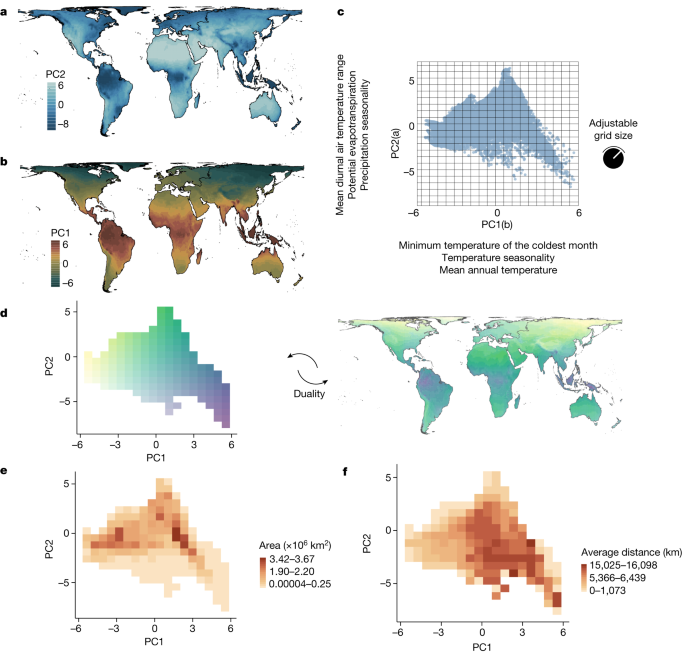
Biodiversity, defined as the variety and variability of life on Earth, is critically shaped by geographic factors. Geography influences not only climate and habitat variety but also species distribution patterns across different environments. This report synthesizes insights into how geographical elements impact biodiversity, drawing on recent research findings.
Geographic Variability and Biodiversity
The relationship between geography and climate plays a vital role in determining the diversity of life. Regions near the equator, characterized by stable, warm, and humid environments, tend to support diverse ecosystems, leading to higher species richness compared to cooler or drier regions. This phenomenon is evident in the tropics, where climatic conditions promote a great variety of plant and animal life that is often not found elsewhere[2][3][6].
Geographic barriers, such as mountains and oceans, also significantly contribute to biodiversity by preventing gene flow and fostering unique species evolution. For example, the Himalayas create diverse ecological conditions leading to varied life forms at different elevations[2]. Similarly, isolated islands and unique geographic formations are often biodiversity hotspots, housing large numbers of endemic species[3].
Climate's Role in Species Distribution
Climate is a primary driver of biodiversity, with its variability across geographic landscapes leading to different ecological niches. For instance, the patterns of species richness observed globally align strongly with temperature and water availability, which are influenced by geographical factors[1]. The concept of 'climate space' offers a fresh perspective on biodiversity, emphasizing the need to consider how the geography of climate (area and isolation) affects species richness beyond mere climatic conditions[3][6].
A study revealed that greater species richness in warmer, humid regions is not solely due to climatic conditions themselves but also to how these climates are distributed across the Earth's surface. This approach highlights the importance of considering both the extent of a given climatic condition (climate area) and its isolation, which can lead to increased opportunities for speciation and reduced extinction rates[1][5].
Historical and Contemporary Influences
The evolution of biodiversity is also shaped by historical geographic changes. Over time, climate change, continental drift, and the emergence of geographic barriers alter the distribution and isolation of species. These historical processes mean that species must adapt to their environments, impacting their evolutionary trajectories[7]. For example, during glacial periods, shifts in climatic conditions led to population bottlenecks that have long-lasting effects on genetic diversity within species[7].
In contrast, current geographic configurations significantly influence the dynamics of biodiversity. Urbanization, agriculture, and deforestation often occur in ecologically favorable areas, leading to habitat loss and fragmentation, which exacerbate the decline of biodiversity[2][5]. Understanding how geography interacts with these contemporary changes is essential for conservation efforts aimed at preserving biodiversity.
The Area-Isolation Hypothesis
Recent research suggests modifying the Area Hypothesis—which explains patterns of species diversity based on geographic area—into an Area-Isolation Hypothesis. This refined understanding takes into account the geographical distribution and isolation of similar climatic zones[1][5]. For instance, while tropical climates cover extensive areas, they are also highly fragmented and isolated, promoting speciation through increased ecological differentiation[1][3].
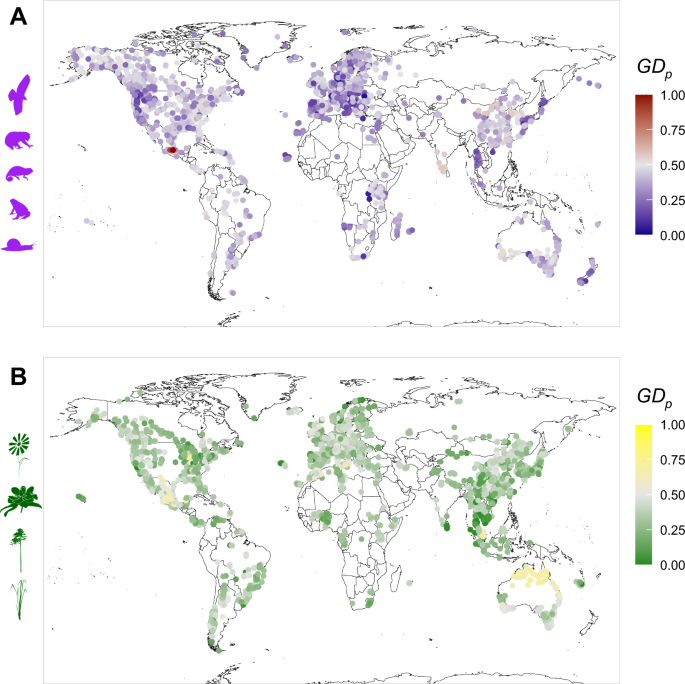
Findings indicate that regions with larger and more isolated climates tend to exhibit not only increased species richness but also greater turnover rates in community composition. This suggests that independent pools of species evolve due to dispersal limitations and historical fluctuations in climate geography[5][6].
Biodiversity Conservation in the Face of Climate Change
Understanding the interplay between geography and biodiversity is crucial for effective conservation strategies. As anthropogenic climate changes alter geographic distributions and climate dynamics, it becomes imperative to adapt conservation frameworks that consider the geography of climate. This includes recognizing how climate area and isolation contribute to species richness and developing targeted conservation measures for areas at risk of fragmentation and habitat loss[2][3].

The urgent need to account for geographic variations in climate impacts signifies that conservation efforts must be nuanced and context-driven, taking into consideration the distinct ecological and evolutionary processes shaped by geographic features[1][4]. By integrating geographical and climatic understandings, conservation strategies can be more effective in mitigating biodiversity loss in the face of ongoing climate change.
In summary, the interplay between geography and biodiversity is a complex narrative shaped by environmental conditions, historical changes, and contemporary challenges. Recognizing and understanding these intricacies is crucial as we strive to preserve the rich tapestry of life on our planet amidst the changing global landscape.
Let's look at alternatives:
- Modify the query.
- Start a new thread.
- Remove sources (if manually added).
Who was responsible for the fall of Constantinople?
Let's look at alternatives:
- Modify the query.
- Start a new thread.
- Remove sources (if manually added).

What makes a novel a classic?

A novel is considered a classic if it demonstrates a level of quality that allows it to endure through time and remain relevant across generations. Classics often address universal themes—such as love, morality, and human struggle—providing insight that continues to resonate with readers[2][5][6]. Italo Calvino posits that a classic is a book that never exhausts what it has to say to its readers, continually offering fresh perspectives upon each reading[1][6].
Additionally, classics frequently reflect the cultural backdrop of their time, influencing and being influenced by societal norms and values[3][5]. Their ability to evoke deep emotional responses and inspire critical discourse contributes to their lasting significance in literature[4][6].
Let's look at alternatives:
- Modify the query.
- Start a new thread.
- Remove sources (if manually added).
What are the common themes in children's literature?
An Overview of Themes in Children's Literature
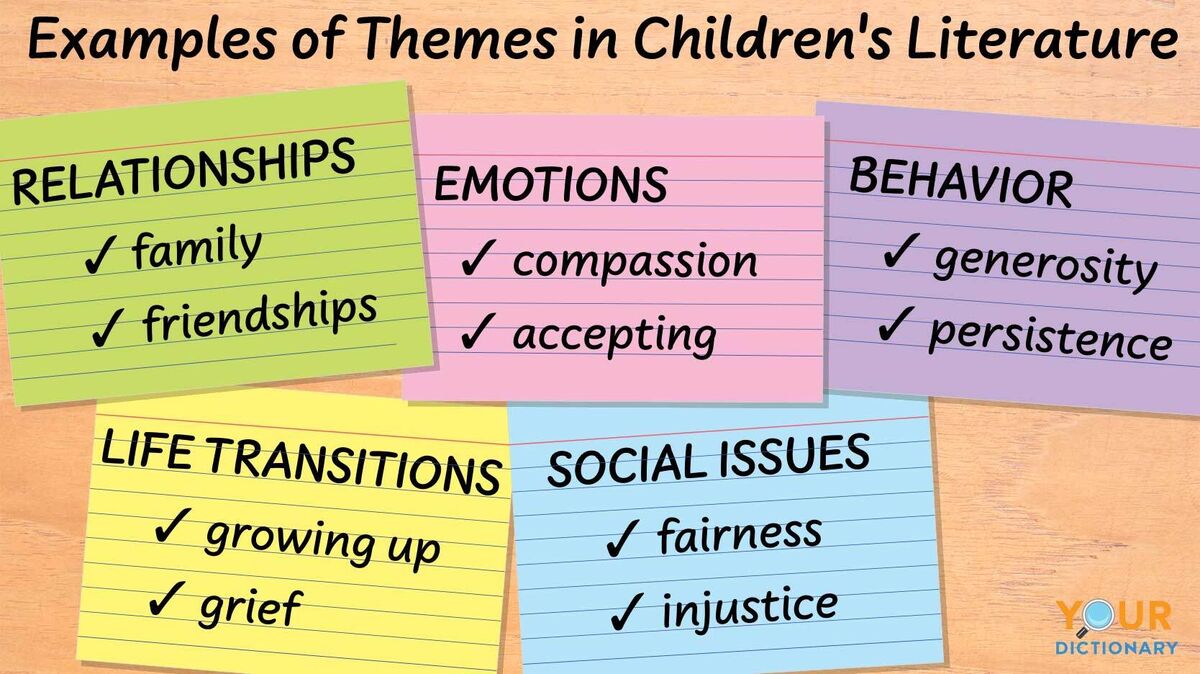
Children's literature often contains diverse themes that resonate with young readers, enriching their understanding of the world around them. The exploration of these themes helps children navigate complex emotions, relationships, and social dynamics. Here, we will examine some of the most common themes found in children's literature as drawn from various sources.
Relationship-Focused Themes

Friendship is a prominent theme, often depicted through characters who form unique bonds in various circumstances. A well-known example is Charlotte’s Web by E.B. White, showcasing the friendship between a pig named Wilbur and a spider named Charlotte, illustrating how friendship can flourish in unexpected relationships[4].
Family Relationships are another vital aspect of children's books. Stories may portray various family dynamics, helping children understand inclusivity or the challenges of separation and divorce[1]. Titles like Who's in My Family? by Robie H. Harris offer heartwarming takes on different family structures[1].
In exploring loyalty and dedication, books like A Sick Day for Amos McGee by Philip C. Stead demonstrate how mutual care and loyalty strengthen bonds, as animals reciprocate the kindness shown to them by their zookeeper friend[1].
Themes of Emotions and Attitudes
Children's literature frequently addresses emotions and attitudes, such as fear and courage. The theme of bravery and courage appears in series like Harry Potter, where the characters face life-threatening challenges, inspiring both children and adults[1][2].
Another vital emotional theme is compassion for others, prominently featured in books such as Uncle Willie and the Soup Kitchen, which aims to instill a sense of empathy and uprightness towards those in need[1].
Accepting differences is another common theme, encouraging children to embrace diversity. Books like The Kid and the Chameleon tackle the importance of understanding and valuing each other’s unique traits[1]. Similarly, humor is often integrated into children's literature, helping young readers relate and engage with characters and situations in a light-hearted manner[2].
Behavioral Themes
Children learn positive habits through literature, and themes such as hard work and persistence are essential in this education. Classic stories like The Little Engine That Could illustrate the importance of perseverance and an optimistic outlook when facing obstacles[1][4].
Books addressing coping with anger, like When I Feel Angry, provide strategies tailored for younger audience members[1]. Moreover, themes of generosity and sharing, highlighted in books like The Berenstain Bears Think of Those in Need, reinforce the value of caring for others within community contexts[1].
Life Transitions and Social Issues
Children's literature often tackles life transitions—from growing up to understanding loss and grief. Books about growing up, such as Are You There God? It's Me, Margaret, help children navigate their journey toward adulthood[1][4].
Furthermore, literature highlighting loss and grief, like When a Pet Dies, assists children in coming to terms with their feelings surrounding death, asserting that they can process these experiences through storytelling[1].
In addition, stories addressing social issues play an important role in children’s literature. Themes such as fairness and equity, often highlighted in tales like The Little Red Hen, teach children about the importance of teamwork and sharing effort to reap rewards[1]. Books like Something Happened in Our Town discuss difficult topics such as racism and injustice, offering opportunities for discussions on empathy and societal issues[1][2].
Encouraging Growth and Change
The theme of personal growth is critical throughout children's narratives. Titles like I Am Me: A Book of Authenticity focus on self-acceptance and individuality, encouraging children to take pride in their uniqueness[4]. Similarly, themes about community and identity allow children to explore their roles within larger social fabrics[4].

Works that emphasize hope for the future, such as The World Needs More Purple People, provide optimistic outlooks that inspire children to believe in their unique contributions to society[1][2].
Conclusion
The themes present in children's literature not only entertain but also serve educational and developmental purposes. These stories encompass a range of emotions, behaviors, and social situations, offering insights that young readers can carry into their own lives. Themes like friendship, family relations, courage, empathy, and social responsibility reflect the complexities of growing up, providing valuable lessons that shape their understanding of the world and themselves.
Let's look at alternatives:
- Modify the query.
- Start a new thread.
- Remove sources (if manually added).