Essentials of Travel Photography
Travel photography is a unique art form that combines technical skill, creative vision, and a sense of adventure. It seeks to document experiences, places, and cultures while capturing the beauty of the world. To excel in travel photography, there are several key elements to understand.
Understanding Your Equipment

Familiarity with your camera and its settings is crucial. Whether using a smartphone, DSLR, or mirrorless camera, knowing how to adjust ISO, aperture, and shutter speed will significantly enhance your results. As recommended, 'it’s a learning curve, but understanding in what situations to use specific settings is essential'[7].
Travelers should consider the types of cameras that best suit their needs. Compact cameras or mirrorless systems are often recommended for their portability and image quality. For example, the Sony RX100 VII is highlighted as one of the best compact travel cameras, merging ease of use with impressive performance[2].
Composition Techniques

Good composition can elevate a photo from ordinary to extraordinary. One fundamental concept is the rule of thirds. This involves dividing the image into nine equal sections using two horizontal and two vertical lines and positioning the subject along these lines or their intersections[10][11]. Employing leading lines—natural lines in the landscape that guide the viewer's eye—can enrich the composition by adding depth and perspective as well[1].
Creating a sense of depth is also vital. This can be achieved by including foreground elements, which helps to convey the scale of the scene. “Consider using a wide-angle lens to capture panoramic views, as it provides a grand sense of space,”[8] points out the importance of this technique in landscape photography.
The Importance of Lighting

Lighting conditions greatly affect the mood and quality of photographs. The golden hour, which occurs shortly after sunrise and before sunset, offers soft, warm light ideal for capturing stunning images[3][4]. Similarly, the blue hour, the period just before sunrise or after sunset, provides a unique hue that can add a dramatic touch to nighttime photography[4]. It’s best to avoid the harsh midday sun, which can create harsh shadows and blown-out highlights. Instead, use this time to scout locations and plan for golden or blue hour shots later in the day[1].
Planning and Research

Effective travel photography requires foresight and preparation. Conduct thorough research on your destination to identify key sights and the best times to capture them. “Creating a shot list and scouting locations ahead of time can be beneficial,” states the advice from travel photographers[5]. This preparation ensures you maximize each location and lighting opportunity, helping create stunning visuals that showcase the essence of your travels.
Capturing Cultural Moments

Travel photography is not only about landscapes but also about people and culture. Candid portraits or street photography can capture the lives and stories of locals. When taking portraits, seek permission first to respect the subjects[1][1]. “Capturing the essence of life in your travels offers a unique perspective that can resonate with viewers,”[9].
Moreover, adding contextual elements such as local cuisine or architecture can enrich your imagery, creating a more rounded narrative of your travel experience[10].
Technical Skills

Mastering the exposure triangle—ISO, aperture, and shutter speed—is vital for achieving proper exposure and control over the image[4]. Lowering the ISO is generally preferable in daylight to minimize noise, while a larger aperture can blur backgrounds, enhancing portrait photography[8]. Understanding the interplay between these factors allows for creative storytelling through your visuals.
Additionally, photographers should also experiment with various shooting modes, especially manual mode, to gain full control over their camera settings[9]. Familiarity with how different lenses affect composition is also critical; for instance, wide-angle lenses are excellent for landscapes, while prime lenses can excel in portrait shots[10].
Post-Processing and Editing

Post-processing is an integral part of travel photography. Using editing software like Adobe Lightroom can enhance images to reflect the atmosphere experienced during the shoot. It’s essential to maintain editorial integrity by keeping edits subtle and authentic to the moment captured[5][6].
Regular backups of your images are also important to safeguard your portfolio against unforeseen mishaps. Utilizing both cloud storage and physical hard drives can ensure your precious memories are preserved[9].
Final Thoughts
Travel photography is a blend of capturing stunning images and documenting experiences. By understanding your equipment, mastering composition and lighting, planning your shoots, and engaging with local culture, you can create powerful imagery that transports viewers. Strong post-processing skills will further enhance your portfolio, allowing you to tell compelling stories through your images. Engage in constant practice and be patient; skills develop over time, and each photograph is a step toward mastering this captivating art form.
Let's look at alternatives:
- Modify the query.
- Start a new thread.
- Remove sources (if manually added).

Organizing a Successful Potluck Dinner
:max_bytes(150000):strip_icc():format(webp)/host-a-potluck-friends-food-getty-0423-2000-f36d907bf8da4bd296091e0eaa9b9c99.jpg "None")
Hosting a potluck dinner can be a delightful way to bring friends and family together, allowing everyone to share their favorite dishes without placing the entire burden of meal preparation on one person. By following some effective strategies, you can ensure your potluck is enjoyable, organized, and diverse in offerings.
Planning and Communication
Set Up a Sign-Up Sheet
To avoid chaos at your potluck, it's crucial to organize who brings what. Use a sign-up sheet to assign categories rather than specific dishes—this allows guests to choose from categories like appetizers, main dishes, sides, desserts, and beverages. According to Ronda Carman, an expert in entertaining, a structure helps prevent a scenario where everyone brings the same type of dish, such as pasta salads or brownies[2]. You can use tools like Google Sheets for easier communication among larger groups or stick to simple group texts for smaller gatherings.
Dietary Restrictions
Always keep guests' dietary needs in mind. Inform attendees about any known food allergies or dietary restrictions when planning the menu. This way, everyone can enjoy the meal without concern. Providing labels for each dish, like 'contains nuts' or 'vegan,' is a thoughtful touch that can make all guests feel included[4][5].
Menu and Dish Considerations
Choose the Right Dishes

When selecting dishes for your potluck, consider portability and ease of serving. Dishes like casseroles, salads, or slow cooker meals are ideal since they travel well and can often be served without additional preparation[1][5]. Jamie Oliver suggests choosing a theme for the evening to help guide dish selection, such as focusing on seasonal ingredients or a specific cuisine, which can make the meal more cohesive and enjoyable for everyone[4].
Quantity of Food
Estimating the right amount of food is essential. People tend to take smaller portions when there are many options available, so plan for your guests to bring enough food to feed about two to three people per dish[1]. Encouraging guests to bring a bit more than they anticipate can help avoid anyone leaving hungry[2].
Logistics and Setup
Prepare for the Party
:strip_icc():format(webp)/cooler-filled-food-7b0c8f7b-3a1ab6306bb94ab0ac282ce7839f7ae5.jpg "None")
Before the event, ensure that your kitchen is organized and clean, as guests may need to use it for last-minute preparations. Prepare your dining area with adequate seating, plates, utensils, and napkins. If you have a large gathering, opt for disposable plates to ease the cleanup[5][8]. Jamie Oliver emphasizes the importance of having essential cooking gadgets and serving utensils available, as well as appropriate table arrangements to facilitate guest interaction[4].
Drink and Serving Utensils
:strip_icc():format(webp)/four-pitchers-filled-drinks-4cbfecd6-11efedcab2c04e0dac84d185fe85c2ca.jpg "None")
Don't forget the drinks! Ensure that there are enough beverages, including both alcoholic and non-alcoholic options. Assign a couple of guests the responsibility to bring drinks, which can help manage what’s available[8]. Make sure to have serving utensils available for the dishes as well to eliminate confusion[2][5].
Presentation and Cleanup
Setting a Welcoming Atmosphere
:strip_icc():format(webp)/table-spread-cookies-ice-cream-e5211b6e-74d74fdc58d140798d8acd4686c62815.jpg "None")
Creating a pleasant atmosphere can enhance the potluck experience. Prepare a playlist in advance to set the mood and ensure you have a clean, organized space where guests can mingle and eat comfortably[1][5]. You might also consider printing out tags for the dishes that include their names and any relevant notes about their contents.
Managing Leftovers
After the meal, be prepared for leftovers. Have containers available for guests to take home uneaten food, and label them to make it easy to return items to their owners after the event[4][8]. Remember that any food that has been left out for more than two hours should be discarded to ensure safety[1].
Final Thoughts
By keeping these tips in mind, you can host a potluck that is not only enjoyable but also stress-free. The key elements involve communication, planning appropriate dishes, ensuring dietary needs are met, and maintaining a welcoming atmosphere. This way, you and your guests can focus on what truly matters: enjoying good food and great company. Remember, a potluck is ultimately about community, so embrace the delightful chaos of a shared meal!
Let's look at alternatives:
- Modify the query.
- Start a new thread.
- Remove sources (if manually added).
Create your account to shape this feed around what you search for and enjoy.
Understanding CLIP: A Breakthrough in Visual Models and Natural Language
In recent years, advancements in artificial intelligence (AI) have led to the creation of models that can effectively connect visual data with natural language. One such model, called CLIP (Contrastive Language-Image Pretraining), has gained significant attention for its ability to learn from vast amounts of image-text pairs and exhibit remarkable performance across various tasks. This post will walk through the main concepts and findings from the paper 'Learning Transferable Visual Models From Natural Language Supervision'[1].
What is CLIP?
CLIP is designed to train models using both images and their corresponding textual descriptions, making it a more generalized framework compared to traditional methods, which often rely on large labeled datasets. By leveraging internet-scale datasets of image-text pairs, CLIP can understand visual information in a flexible manner, enabling it to perform well in zero-shot settings (where no specific training data is provided for the task) across numerous downstream tasks[1].
The Training Process
The training of CLIP involves two primary components: an image encoder and a text encoder. The image encoder becomes adept at extracting features from images, while the text encoder learns to represent and understand the contextual meaning of the accompanying text. This dual-encoder system allows CLIP to predict which image corresponds to a particular text description through a contrastive learning approach, effectively bridging the gap between visual and linguistic information[1].
CLIP was trained on a dataset of 400 million image-text pairs collected from the internet. The pre-training process leverages raw text to inform visual models, promoting an understanding of various concepts without extensive human labeling[1]. This method demonstrates that models can generalize across different visual categories without needing specific annotations for every potential class.
Performance and Capabilities

Researchers benchmarked CLIP's performance on over 30 different existing computer vision datasets and found that it achieves state-of-the-art results in many cases. For instance, in the zero-shot scenario, CLIP matches or even surpasses previously established models like ResNet for tasks such as image classification and object recognition. It excels particularly in tasks involving diverse visual concepts, making it a versatile tool in the AI toolkit[1].
In a series of evaluations against various benchmarks, CLIP’s zero-shot transfer performance was significantly better than that of traditional supervised classifiers. This performance is attributed to CLIP's innovative use of natural language, which allows it to draw upon a wide range of concepts and categories without needing task-specific training[1].
Practical Applications
The ability of CLIP to understand images in context opens the door to numerous practical applications. For example, it can assist in areas such as image retrieval, where users can search for images using textual descriptions rather than relying solely on predefined categories. This flexibility could greatly enhance digital asset management, content creation, and even social media applications[1].
Moreover, CLIP's capabilities extend to more complex tasks like generating descriptive captions for images and performing detailed analysis of visual content, which can be invaluable for various industries including media and entertainment, advertising, and content moderation[1].
Addressing Limitations
Despite its strong performance, the paper also highlights that CLIP has certain limitations. One notable issue is that while CLIP generalizes well to many natural image distributions, it may struggle with certain specialized tasks that require tightly controlled environments or niche understandings[1]. For instance, in the context of object recognition in less common scenarios, further research is needed to refine CLIP’s effectiveness.
Additionally, the reliance on vast datasets from the internet raises questions about data quality and representativeness. Ensuring diverse and balanced datasets is crucial in maintaining the model's performance across different demographics and settings[1].
Conclusion
CLIP represents a significant step forward in the field of AI, showcasing the potential of training models that link visual and textual information. By effectively utilizing large-scale datasets and innovative training methods, CLIP not only achieves impressive accuracy but also paves the way for future advancements in multimodal learning. As more research unfolds, we can expect CLIP and similar models to be at the forefront of AI applications, transforming how we interact with visual content in our everyday lives[1].
Let's look at alternatives:
- Modify the query.
- Start a new thread.
- Remove sources (if manually added).
Understanding QLoRA: Efficient Fine-Tuning of Quantized Language Models
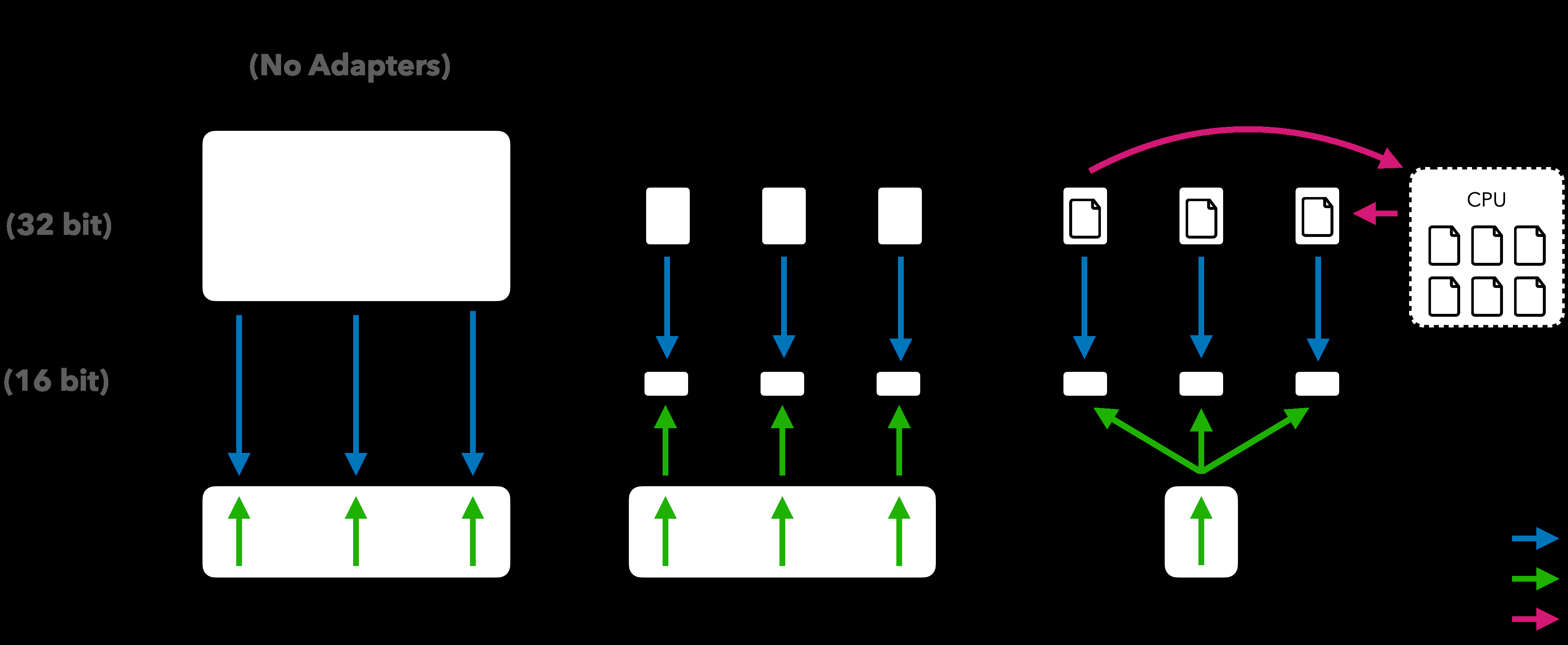
Introduction to QLoRA
In recent advancements in fine-tuning large language models (LLMs), the QLoRA (Quantized Low-Rank Adapters) method has emerged as a significant innovation. This technique presents an efficient finetuning approach that drastically reduces the memory usage required to fine-tune a 65B parameter model on standard hardware, such as a single 48GB GPU. QLoRA preserves full 16-bit finetuning task performance, allowing for more accessible and efficient model training.
Key Innovations of QLoRA
The researchers behind QLoRA propose several novel solutions to enhance memory efficiency:
4-bit NormalFloat (NF4): A new data type that allows the model to harness information theoretically optimized representation, theoretically enabling improved performance without losing accuracy.
Double Quantization: This technique mitigates memory spikes when using gradient checkpointing. By quantizing the model to effectively handle memory usage, QLoRA allows useful computations without the need for excessive hardware requirements, achieving impressive results with minimal resources.
Paged Optimizers: This addition helps manage memory spikes by efficiently allocating resources when required during finetuning. These optimizers represent an important advancement as they scale to larger models typically challenging to run on limited hardware.
Memory Efficiency and Performance
One of the main hurdles in finetuning large language models is the memory footprint, which can be cumbersome on standard GPUs. QLoRA significantly reduces the average memory requirements. For instance, when fine-tuning a 65B parameter model, the method requires under 780GB of GPU memory compared to prior methods which demand upwards of 1,300GB. This represents an approximate 40% reduction, making it feasible to execute LLM finetuning on more accessible hardware setups.
Furthermore, QLoRA's performance is highly competitive; it achieves up to 97.8% of the performance level of the existing ChatGPT, all while drastically minimizing the memory footprint[1]. Such efficiency allows more researchers and developers to engage with advanced models without needing prohibitively expensive computing resources.
Empirical Results and Benchmarks
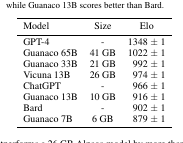
The experiments demonstrate that QLoRA can fine-tune models while maintaining competitive performance levels. The architectural evaluations showcased improvements across various benchmarks, with significant results observed on platforms such as GLUE and Super-Natural Instructions datasets. Additionally, using QLoRA, models like Guanaco outperformed existing benchmarks in various tasks, validating the efficacy of the proposed techniques.
The QLoRA method underwent rigorous testing across different architectures, showcasing its versatility and adaptability to various use cases, such as instruction following tasks. For example, during assessments, it was shown that QLoRA can provide substantial performance gains while only requiring minimal computational resources[1].
Practical Implications and Future Impact
The implications of QLoRA extend beyond just technical advancement. By making the finetuning of 65B and 33B parameter models more accessible, it opens doors for wider innovation, especially for smaller institutions that lack significant computing infrastructure. Researchers note that QLoRA enables finetuning methods to become ubiquitous, akin to how LLM technology has grown rapidly in recent years.
The potential to run advanced models on mobile devices could also revolutionize how language models are employed in everyday applications, providing capabilities once reserved for high-end systems. This could facilitate the deployment of chatbots and other interactive systems into various domains, expanding the reach of AI technologies[1].
Conclusion
In summary, QLoRA represents a promising advancement in the landscape of language model finetuning. It strikes a balance between performance and resource efficiency, facilitating broader access to powerful models. As research continues, the ongoing development and refinement of QLoRA will likely spur further innovations in how artificial intelligence is harnessed across different applications and platforms, making state-of-the-art technology more widely available[1].
This study illustrates the importance of continuing to explore methodologies that enhance model accessibility and performance, ensuring that the benefits of AI advancements reach diverse user bases and applications.
Let's look at alternatives:
- Modify the query.
- Start a new thread.
- Remove sources (if manually added).
An Overview of the Transformer Model: Redefining Sequence Transduction with Self-Attention
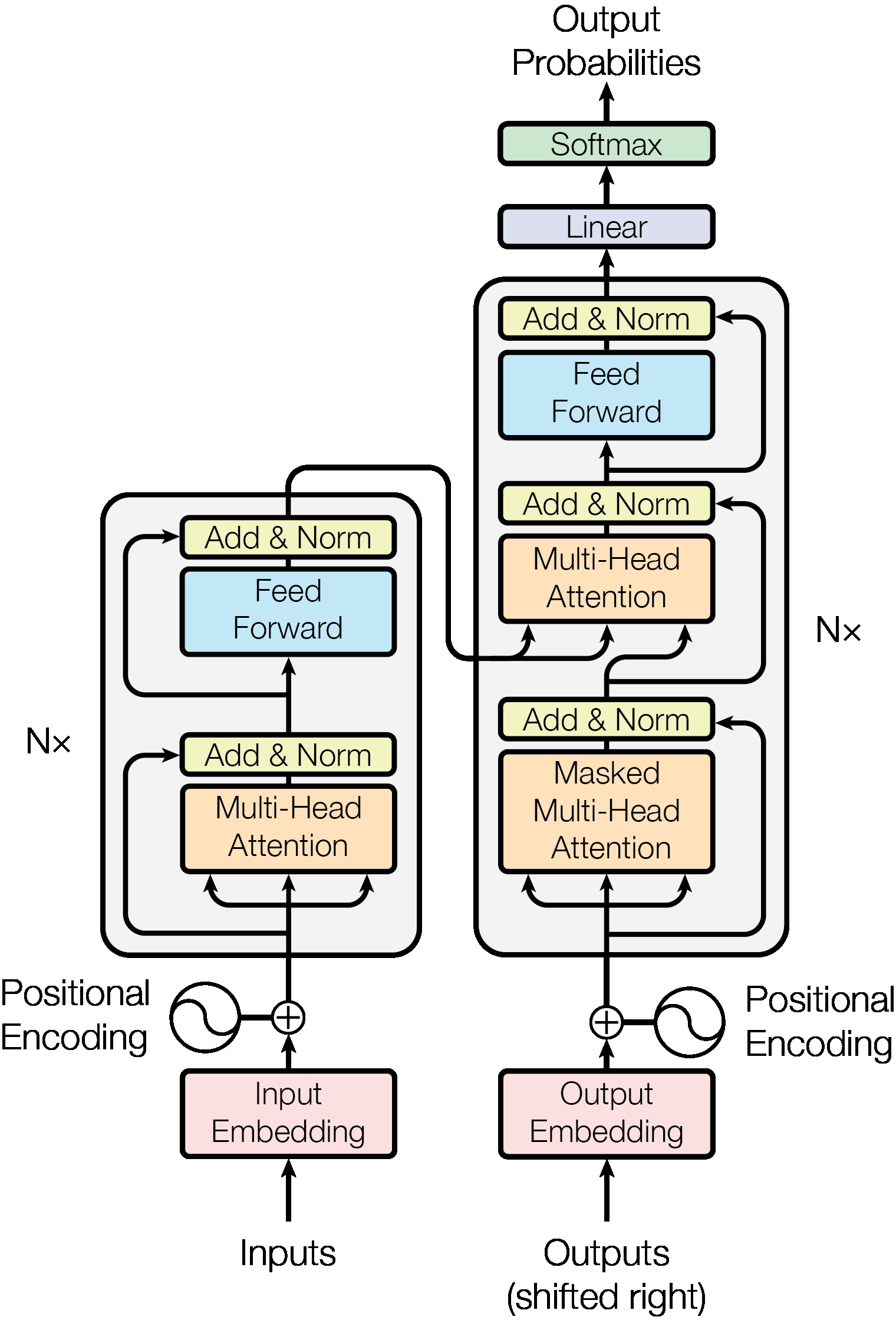
The Transformer model has revolutionized the field of sequence transduction tasks, such as language translation, by completely eliminating the traditional recurrent neural networks (RNNs) or convolutional networks previously used. The core of this model is the self-attention mechanism, which allows it to process input sequences more effectively and in parallel.
What is the Transformer?
The Transformer is based entirely on an attention mechanism that relies on self-attention and feed-forward networks, dispensing with recurrence and convolutions altogether. This architecture is designed to handle sequence transduction problems efficiently by capturing dependencies regardless of their distance in the input or output sequences. As a consequence, the Transformer can effectively utilize substantial parallelization during training, leading to significant efficiency gains in both time and computational resources[1].
Key Features of the Transformer
Self-Attention Mechanism
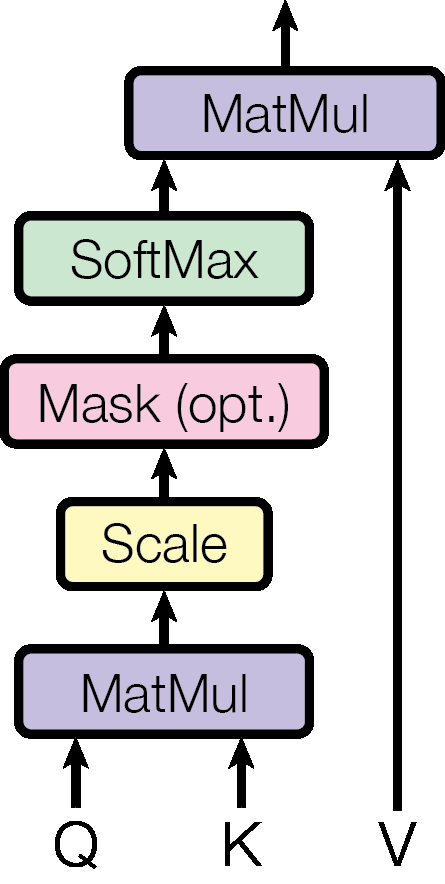
Self-attention allows the model to weigh the importance of different tokens in the input sequence when generating the current token in the output sequence. For each token, the model computes a representation based on the context formed by other tokens. This is achieved through mechanisms like the scaled dot-product attention, which calculates the relationships between tokens and assigns weights accordingly, allowing the model to focus on the most relevant parts of the input[1].
Model Architecture
The architecture of the Transformer consists of an encoder and a decoder, each composed of stacks of identical layers. Each layer in the encoder has two sublayers: a multi-head self-attention mechanism and a position-wise fully connected feed-forward network. The decoder also includes an additional sub-layer for attending to the encoder's output. Each of these sub-layers employs residual connections followed by layer normalization[1].
Multi-Head Attention
Multi-head attention enables the model to gather information from different representation subspaces at different positions. Instead of performing a single attention function, the model projects the queries, keys, and values into multiple sets and applies the attention function to each, effectively allowing it to focus on different aspects of the input each time[1].
Positional Encoding
Since the Transformer does not use recurrence or convolution, it needs a method to capture the order of the sequence. This is achieved through positional encodings added to the input embeddings. The encodings use sine and cosine functions of different frequencies to inject information about the relative or absolute position of the tokens in the sequence, which helps the model maintain the sequence's integrity[1].
Training the Transformer
The model was trained on the WMT 2014 English-to-German and English-to-French datasets, using approximately 4.5 million sentence pairs. The training process involved substantial GPU resources to handle the parallel computations efficiently. Reports indicate that the Transformer achieved state-of-the-art performance on translation tasks, outperforming prior methods by a significant margin[1].
Performance and Results
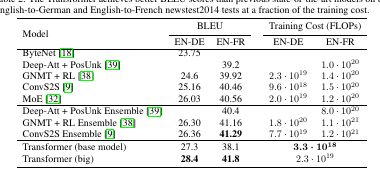
The Transformer showed excellent results, achieving a BLEU score of 28.4 on the English-to-German translation task. This score was significantly better than previous models, demonstrating the effectiveness of the architecture in handling complex translation tasks, even with a fraction of the training cost compared to its predecessors[1]. Predictably, during training, the model stabilizes and learns to improve both its accuracy and the fluency of translation outputs[1].
Real-World Applications
The Transformer model not only excels in translation but also establishes a new state of the art for various natural language processing tasks. Due to its ability to leverage attention mechanisms effectively, it can be applied to problems that involve long-range dependencies, such as text summarization and question answering, showcasing its versatility in different contexts[1].
Conclusion
In summary, the Transformer model represents a paradigm shift in the approach to sequence transduction tasks. By entirely relying on self-attention mechanisms and eliminating the need for recurrence or convolutions, it achieves superior efficiency and performance. Its robust architecture, combined with the innovative application of attention, has made it a cornerstone of modern natural language processing, influencing numerous subsequent models and methods in the field. The findings and methodologies laid out in the original paper emphasize how critical it is to rethink traditional architectures to accommodate the evolving demands of machine learning tasks[1].
Let's look at alternatives:
- Modify the query.
- Start a new thread.
- Remove sources (if manually added).
What are the best practices for container gardening?
Let's look at alternatives:
- Modify the query.
- Start a new thread.
- Remove sources (if manually added).

Create your account to shape this feed around what you search for and enjoy.
How can practicing gratitude improve happiness?
Let's look at alternatives:
- Modify the query.
- Start a new thread.
- Remove sources (if manually added).
What exercises improve flexibility?
Let's look at alternatives:
- Modify the query.
- Start a new thread.
- Remove sources (if manually added).

What is a business model canvas?

The Business Model Canvas is a strategic management template used for developing new business models and documenting existing ones. It provides a visual chart that describes various elements of a firm's or product's value proposition, infrastructure, customers, and finances, helping businesses align their activities and illustrate potential trade-offs[1].
Developed by Alexander Osterwalder in 2005, the canvas consists of nine building blocks: customer segments, value propositions, channels, customer relationships, revenue streams, key resources, key activities, key partnerships, and cost structure[1]. This tool allows enterprises to easily describe their business models and has been adapted for specific applications, such as the Lean Canvas for startups[1].
| Property | Value |
|---|---|
| Homepage | http://www.businessmodelgeneration.com |
Let's look at alternatives:
- Modify the query.
- Start a new thread.
- Remove sources (if manually added).
Steps to Create a Marketing Plan
Creating a marketing plan is a fundamental process that guides businesses in achieving their goals by clearly defining their target audience, strategies, and the actions needed to engage them effectively. Below are the essential steps based on various sources that provide comprehensive insights into the marketing planning process.
1. Conduct Market Research
Before drafting your marketing plan, it is crucial to gather detailed market insights. Conducting thorough market research involves understanding the target audience, competitors, and overall market dynamics. This stage includes evaluating demographics, behavior patterns, and preferences of potential customers, which helps you tailor your marketing strategy to meet their needs. Surveys, focus groups, and competitive analysis can provide valuable qualitative and quantitative data to inform your strategy[5][7].
2. Define Your Target Market

Once you've gathered data, the next step is to define your target market. This involves segmenting your audience into groups that share common characteristics or needs. Creating buyer personas, which are detailed profiles of your ideal customers, can enhance this process. These personas should include demographic information, interests, and specific pain points your product or service addresses[4][6].
3. Perform a SWOT Analysis

A SWOT analysis (Strengths, Weaknesses, Opportunities, Threats) is a vital part of your marketing plan. This analytical tool helps in identifying the internal and external factors affecting your business. List out what your company excels at (strengths), where it lacks (weaknesses), potential areas for growth (opportunities), and external challenges (threats) present in the marketplace. A comprehensive SWOT analysis provides a foundation for strategic decision-making[4][7].
4. Set SMART Goals

With a clear understanding of your market and internal capabilities, establish SMART goals. These objectives should be Specific, Measurable, Achievable, Relevant, and Time-bound. For instance, instead of simply aiming to 'increase brand awareness,' a SMART goal would articulate that you 'aim to achieve a 25% increase in brand awareness as measured by social media engagements and mentions over the next six months'[4][5][6].
5. Establish your Unique Selling Proposition (USP)

Identifying your Unique Selling Proposition (USP) is crucial for differentiating your brand from competitors. Your USP describes what makes your product or service unique and why customers should choose you over others. Clearly articulating your USP can help you shape your messaging and branding strategies effectively[5][6].
6. Choose Marketing Strategies and Tactics

This step involves deciding on the marketing strategies and tactics you will employ to achieve your goals. Consider which channels (digital, print, social media, etc.) will be most effective for reaching your target audience. Each tactic should align with your overall strategy and reflect your brand’s tone and messaging. Examples of strategies may include content marketing, influencer marketing, SEO, and email campaigns[6][6][7].
7. Develop a Budget

Next, allocate a budget that aligns with your marketing strategies and goals. Outline expected costs associated with various marketing initiatives, including advertising, content creation, agency fees, and technology tools. Keeping track of expenditures and ensuring they fit within your overall budget is critical for sustaining your marketing initiatives[7].
8. Create a Timeline and Action Plan

Develop a timeline for when each part of your marketing plan will be executed. This includes setting deadlines for completing specific tasks, launching campaigns, and reviewing progress. An action plan clarifies responsibilities within your team, ensuring that all aspects of the marketing plan are executed on time and effectively[6][7].
9. Monitor and Evaluate
Finally, after implementation, continuously monitor the performance of your marketing strategies against the goals set in the initial stages. Use analytics and key performance indicators (KPIs) to assess effectiveness and make necessary adjustments. Regular evaluations will help you stay aligned with your market and organizational goals, allowing you to refine your tactics for better results over time[6][7].
Conclusion
These steps form a comprehensive framework for creating an efficient marketing plan. By grounding your strategies in thorough research, setting clear objectives, and being adaptable in your approach, you can guide your marketing efforts toward achieving your business goals and establishing a strong market presence.
Let's look at alternatives:
- Modify the query.
- Start a new thread.
- Remove sources (if manually added).