How can I start a vegetable garden?

To start a vegetable garden, follow these steps:
Choose a Location: Select a spot that receives at least 6 to 8 hours of direct sunlight daily. Ensure the area drains well and avoid locations prone to high winds or poor foot traffic; a stable site is ideal[2][4]. If space is limited, consider using a small section of your existing flowerbed or lawn, or even containers on a patio[6].
Decide on Size: Start small to avoid overwhelm. A 10’ x 10’ garden (100 square feet) or a raised bed of 4’ x 4’ or 4’ x 8’ is recommended for beginners[2][4]. This allows enough room for 3 to 5 types of vegetables without excessive maintenance.
Prepare the Soil: Good soil is crucial. You can improve your soil by mixing in organic matter or compost[6]. For new gardens, consider using the 'no dig' method where you lay down cardboard to suppress weeds and cover it with compost[6]. If you need to excavate, ensure the soil is not compacted or too rocky[4].
Select Vegetables: Choose vegetables that you and your family enjoy eating. Start with easy and productive varieties; consider growing vegetables that are costly to buy or those that taste significantly better homegrown[1][2][3][6].
Planting: You can start plants from seeds or buy seedlings. Follow seed packet instructions for proper planting times and techniques[3][4]. Group taller plants such as tomatoes on the north side to avoid shading smaller plants, and consider using staggered plantings for continuous harvests[2][3].
Maintain Your Garden: Regular care is essential. Water your plants adequately, weed frequently, and check for pests. Use natural fertilizers if necessary to support plant growth[3][4][5].
Harvest: Learn when to pick your vegetables for peak taste and nutrition. Harvest regularly to encourage further growth[3].
By following these straightforward steps, you can successfully establish and maintain a vegetable garden that provides fresh produce for your household.
Let's look at alternatives:
- Modify the query.
- Start a new thread.
- Remove sources (if manually added).

Planning a Successful Road Trip

Embarking on a road trip can be an exhilarating experience, offering the freedom to explore at your own pace. However, successful trips require careful planning and consideration of several key factors to enhance enjoyment and minimize stress. Below is a comprehensive guide on how to plan effectively for your next road adventure.
Determining Your Route and Itinerary

Choosing Your Route
Start by selecting a route that aligns with your interests and the landmarks you wish to visit. Utilizing mapping tools like Google Maps or specialized apps such as Roadtrippers helps to visualize your route and identify points of interest along the way. Consider areas that may have limited options for gas stations or food, and plan accordingly to avoid running low on fuel or options when hunger strikes[6][9].
Anchor Dates and Locations
Identify ‘anchor’ locations—key destinations you want to visit. These could include cities, national parks, or specific attractions. Once you have these in mind, you can build your itinerary around them, ensuring you allocate enough time for both travel and exploration[12]. Be realistic about travel distances; factor in breaks for food, rest, and potential sightseeing to avoid overwhelming driving days[10].
Preparing Your Vehicle
Vehicle Maintenance
If you’re using your own vehicle, conduct a thorough check-up at least a week before your trip. Ensure that your oil, water levels, and tire conditions are suitable for long-distance travel. If renting a car, inspect it for any pre-existing damage before setting out, and consider purchasing insurance for peace of mind[6][7][9].
Essential Safety Gear
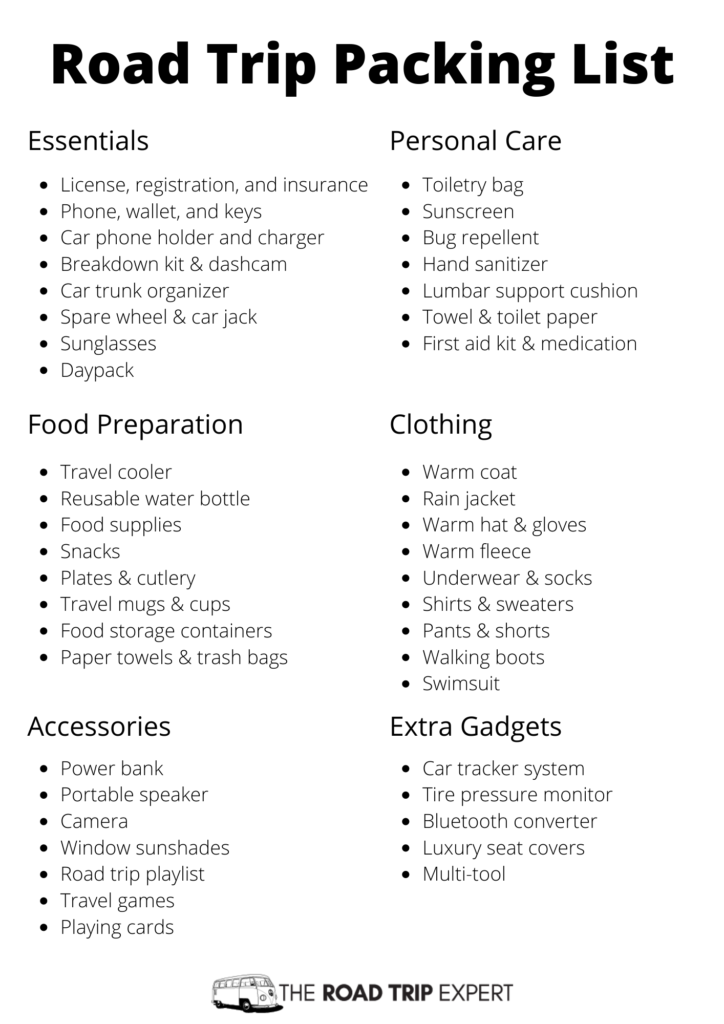
Pack a roadside emergency kit that includes jumper cables, a first aid kit, flares or reflective vests, and a spare tire. These items can be invaluable in case of car trouble or emergencies on the road[9][11]. It’s also beneficial to carry copies of your car insurance and registration for peace of mind[9].
Packing Smart
Travel Essentials
Create a comprehensive packing list that includes not just your personal items like clothing and toiletries, but also road trip necessities. Be sure to have a mix of comfortable clothing, versatile footwear, and protective gear like hats and sunglasses[11]. Consider using packing cubes to keep your items organized and save space in your vehicle[11].
Snacks and Drinks
Prepare a selection of snacks and drinks to keep everyone fueled during long stretches of driving. Healthy options like granola bars, nuts, and fruits are excellent choices to maintain energy levels without resorting to less healthy gas station fare[6][10][11]. Don’t forget a cooler to keep perishables fresh, and always pack a reusable water bottle to stay hydrated[6][11].
Entertainment Options
Long hours in the car can be monotonous, so load up on entertainment. Prepare playlists, download podcasts, or bring along audiobooks for engaging listening[6][10][11]. For families, consider travel games or electronic devices to keep younger passengers entertained during the drive[11].
Accommodation and Itinerary Flexibility
Booking Accommodations
Whether you plan to camp or stay in hotels, booking in advance is recommended, especially during peak travel seasons. Using websites like Booking.com can help secure accommodations along your route[12]. If you prefer spontaneity, keep a flexible itinerary that allows for last-minute stops or overnight stays in new locations[9][12].
Allow for Spontaneity
While it’s good to have a structured itinerary, leave room for spontaneous adventures. Some of the best road trip experiences come from unplanned stops at scenic viewpoints or local eateries. Be open to discovering hidden gems along your route[10][12].
Consideration for Travel with Pets or Children
Traveling with Pets
If your furry friends are joining the trip, remember to pack pet essentials such as food, water dishes, leashes, and waste bags. Plan for regular breaks to allow your pet to stretch and relieve itself[11].
Kids on Board

When traveling with children, plan for regular stops to break up long stretches of driving. Bring along entertainment and snacks tailored to their preferences, which can help minimize the “Are we there yet?” sentiments[10][12].
Final Preparations
Check the Weather
As your departure date approaches, monitor weather conditions along your route. Prepare for any potential weather-related issues by packing appropriate clothing and gear[12].
Download Useful Apps
Ensure your navigation and planning apps are downloaded before you embark on your journey. Having offline maps can be a life saver in areas with poor cell service[9][12].
Following these steps will help ensure that you have a smooth and enjoyable road trip experience. Happy travels!
Let's look at alternatives:
- Modify the query.
- Start a new thread.
- Remove sources (if manually added).

Create your account to shape this feed around what you search for and enjoy.
Understanding and Recovering from Burnout

Burnout is a multifaceted phenomenon characterized by emotional, physical, and mental exhaustion resulting from prolonged stress and overextending oneself. Frequently, it touches upon various life aspects, particularly in work and caregiving environments. Understanding how to effectively recharge and recover from burnout involves identifying its causes, recognizing symptoms, and employing actionable strategies to mitigate its effects.
Recognizing Signs of Burnout

Identifying the symptoms of burnout is crucial for timely intervention. Common signs include persistent tiredness that doesn't improve with rest, feelings of cynicism or detachment toward one's work, reduced professional efficacy, and emotional depletion. Individuals may find themselves feeling increasingly helpless, overwhelmed, or apathetic regarding tasks that once engaged them[7][9]. Increased irritability, frequent illnesses, and withdrawal from social interactions can compound the distress caused by burnout[3][4].
Strategies for Recovery
1. Prioritize Self-Care

Self-care is essential in the recovery process. It involves nurturing your physical and emotional health through quality sleep, a balanced diet, and engaging in regular exercise. Getting enough restorative sleep and maintaining a healthy diet enriched with antioxidant-rich foods can significantly contribute to overall well-being[3][9][10].
2. Set Boundaries
Establishing clear boundaries between work and personal life helps prevent the encroachment of stress into your home. Limiting work-related communications outside of office hours and learning to say no to additional commitments are vital steps[3][7][8].
3. Engage in Downtime Activities
Incorporating activities that require little effort and are purely enjoyable, such as coloring, watching TV, or simply napping, plays a vital role in recovery from burnout. These low-cost activities allow for relaxation and help recharge one's mental energy[3][5].
4. Maintain Regular Physical Activity

Exercise can alleviate the symptoms of burnout by releasing endorphins, which enhance mood and energy levels. Activities such as walking, yoga, or gentle sports can be beneficial and should be incorporated into daily routines as a form of active recovery[2][4][9].
5. Seek Social Support
Connecting with friends, family, or support groups can provide a much-needed outlet for sharing experiences and feelings. Social interactions can serve as a buffer against stress and foster resilience during challenging times[7][8].
6. Reflect and Reassess
Taking the time to reassess goals and values helps ensure that your commitments align with what is genuinely important to you. This reflection can reveal unmet needs and reveal changes that might restore fulfillment in both personal and professional domains[9][10].
7. Professional Support
Engaging with a mental health professional can provide tailored strategies to cope with burnout. Therapy, whether it involves cognitive behavioral techniques or group sessions, can facilitate healing and help individuals reframe their experiences[3][6][11].
8. Limit Technology Use
Setting daily limits on technology use, especially related to work, can help create mental space for relaxation and downtime, crucial for recovery from burn-out-related stress[6][8].
9. Practice Mindfulness and Relaxation Techniques
Incorporating mindfulness practices such as meditation, deep breathing, or restorative yoga enhances self-awareness and emotional regulation, aiding individuals in coping with stress more effectively[4][7][10].
Conclusion
Burnout can significantly affect an individual’s quality of life, but recovery is possible. By prioritizing self-care, setting boundaries, maintaining physical activity, and seeking support, individuals can begin to reclaim their energy and motivation. Recognizing that one is not alone in managing such experiences can also be a source of strength in navigating the journey toward recovery.
Let's look at alternatives:
- Modify the query.
- Start a new thread.
- Remove sources (if manually added).
How does supply and demand work?
:max_bytes(150000):strip_icc()/law-of-supply-demand-final-6d3d58ceeb2b462d9a56f2f012641c5f.png "Law of Supply and Demand in Economics: How It Works")
Supply and demand work as fundamental concepts in economics to determine the price and quantity of goods in a market. The interaction between the quantity of a commodity that producers want to sell and the quantity consumers wish to buy establishes the market price, referred to as the equilibrium price, where both quantities match[2][6].
When prices rise, the quantity supplied typically increases while demand decreases, and vice versa for falling prices[5][1]. Changes in non-price factors, such as consumer preferences or production costs, can shift the supply or demand curves, leading to new equilibrium prices and quantities in the market[4][6].
Let's look at alternatives:
- Modify the query.
- Start a new thread.
- Remove sources (if manually added).
The Role of Technology in Enhancing Learning

Increased Engagement and Motivation
Technology plays a significant role in fostering engagement and motivation among students. When effectively integrated into the classroom, it transforms learning experiences by making lessons more interactive. According to various sources, technology enables the use of multimedia elements such as audio, video, and animations, which help students visualize and comprehend complex concepts. These elements not only capture learners’ attention but also encourage active participation through gamification and interactive software applications, as evidenced by the positive impact of educational games on student motivation[7].
Furthermore, research highlights that a significant proportion of students express improved performance and learning satisfaction within tech-enhanced environments. For instance, findings suggest that over 60% of students reported enhanced learning due to technology in the classroom, particularly in adapting teaching methods to meet diverse learning needs[4].
Personalized and Differentiated Learning

The incorporation of technology in education allows for personalized learning experiences that cater to individual student needs. With adaptive software and online tools, teachers can design differentiated instruction tailored to various learning styles and paces. This approach helps in maximizing learning opportunities by addressing the distinct educational preferences of each student. For example, technology facilitates multiple ways for learners to engage with information, using auditory, visual, and textual formats, which reduces barriers and enhances comprehension for all students[7].
In practice, technology empowers educators to track student progress more effectively. Digital platforms allow for the ongoing assessment of student performance, enabling timely and individualized feedback[7]. This immediate feedback mechanism helps students identify their strengths and weaknesses, fostering an environment conducive to self-directed learning and improvement[2][7].
Accessibility and Inclusivity
One of the notable benefits of technology in education is its capacity to create accessible learning environments for all students, including those with disabilities. Assistive technologies offer vital support, making educational resources available to learners who require special accommodations. By implementing Universal Design for Learning principles, educators can ensure that every student, regardless of their background or abilities, has access to quality education[7]. This focus on inclusivity highlights how technology can transform traditional classroom settings into spaces where all students can thrive and engage meaningfully with the curriculum.
Collaboration and Communication

Technology fosters enhanced collaboration among students and between students and teachers. Digital platforms facilitate teamwork regardless of geographical boundaries, allowing learners to communicate and collaborate in real-time. Tools like video conferencing, shared documents, and learning management systems create numerous opportunities for students to work together on projects and engage in discussions[2][7]. This not only simulates real-world work environments but also prepares students for collaborative efforts they will encounter in their future careers.
Students, particularly younger learners, often find it more comfortable to share ideas and collaborate online rather than face-to-face, which further supports building a sense of community within educational settings[2]. With these collaborative tools, students can actively participate in their learning processes and develop critical soft skills important for their future success.
Real-World Skills and Digital Citizenship

Integrating technology into the classroom not only equips students with academic knowledge but also prepares them for the workforce in an increasingly digital world. As students interact with technology, they gain essential skills such as digital literacy, critical thinking, problem-solving, and adaptability to new tools. These skills are pivotal for navigating modern work environments[3][7].
Moreover, technology education should address responsible digital citizenship. Teaching students about online safety, ethical use of information, and the implications of their digital footprint have become integral to the curriculum. This education prepares learners to be responsible participants in the digital world, enabling them to navigate complexities with a clear understanding of their rights and responsibilities[7].
Continuous Learning and Flexibility

Digital learning fosters an environment of continuous education where students can access resources anytime and from anywhere. This flexibility allows learners to manage their study schedules based on personal preferences and commitments, thus promoting autonomy in their educational journeys[2]. The use of online platforms makes it easier for students to revisit materials and tackle subjects at their own pace, enhancing the overall learning experience.
Additionally, the rise of various digital learning strategies—such as microlearning and gamification—has provided educators with the tools to create more engaging and effective lessons that resonate with today’s students[2]. By incorporating technology into these diverse approaches, teachers can meet the needs of their students more effectively, making learning both enjoyable and impactful.
Conclusion
The integration of technology into educational practices is crucial for enhancing student engagement, fostering personalized learning experiences, and preparing learners for future challenges. As technology continues to evolve, so does its potential to enrich educational environments, making it an indispensable component in promoting effective teaching and learning processes. The evidence presented across various sources underscores technology's transformative capabilities in education, ensuring that students are well-equipped with the skills and knowledge necessary for success in an increasingly digital world.
Let's look at alternatives:
- Modify the query.
- Start a new thread.
- Remove sources (if manually added).

What causes economic recessions?

Economic recessions are primarily caused by a significant decline in aggregate demand or external shocks. Factors such as financial crises, rising interest rates, and a loss of consumer confidence can lead to reduced spending and investment, triggering a recession[1][3]. Additionally, supply-side shocks, like sharp increases in oil prices or unexpected events such as pandemics, can also disrupt economic activity[1][4].
The National Bureau of Economic Research (NBER) defines a recession as a sustained decline in economic activity across various indicators such as GDP, employment, and industrial production[2][6]. This downturn can create a self-perpetuating cycle where lower consumer demand results in increased layoffs and further decreases in spending, exacerbating the economic decline[2][3].
Let's look at alternatives:
- Modify the query.
- Start a new thread.
- Remove sources (if manually added).
Create your account to shape this feed around what you search for and enjoy.
What’s the first step in yoga?

The first step in yoga is creating a comfortable space to practice. This involves finding a quiet place and laying out a yoga mat. Getting into comfortable, lightweight clothing is also recommended to allow freedom of movement. To start, you might begin with grounding poses like Child’s Pose, where you kneel and lower your torso between your legs, reaching your arms forward to promote relaxation and focus on your breath[4].
Additionally, understanding that yoga is about presence and self-acceptance is crucial. It's important to approach your practice with patience and without the expectation of perfection, as yoga is for everyone, regardless of flexibility[2][4].
Let's look at alternatives:
- Modify the query.
- Start a new thread.
- Remove sources (if manually added).
Understanding the Essentials of Digital Marketing for Beginners
Digital marketing has become an essential component for businesses striving to connect effectively with their customers. As companies increasingly shift towards online interactions, beginners in digital marketing must grasp key concepts, strategies, and tools to navigate this dynamic field. This report outlines foundational knowledge for beginners, drawing from a variety of authoritative sources.
The Fundamentals of Digital Marketing
At its core, digital marketing encompasses all marketing activities conducted online, implementing various channels to foster engagement and conversion. Unlike traditional marketing, which relies heavily on offline media, digital marketing leverages the internet and electronic devices to reach a broader audience. This transition offers businesses enhanced geographic reach, personalization, and quantifiable results[4][10].
Beginners should understand that digital marketing isn't just about technical skills; it's fundamentally about marketing principles. The primary goal is to forge meaningful connections with potential customers through targeted campaigns that speak directly to their interests and needs. Digital marketing uses strategies tailored to consumer behavior in the digital landscape, driving brand awareness and customer loyalty[5].
Key Components of Digital Marketing
Several core components form the backbone of effective digital marketing strategies. Understanding these elements is crucial for anyone starting in this field:
Search Engine Optimization (SEO): SEO involves optimizing web content to improve rankings on search engine results pages (SERPs). This process includes keyword research, on-page and off-page optimization, and technical SEO. Mastery of SEO is vital as it directly impacts a website's visibility and traffic[10].

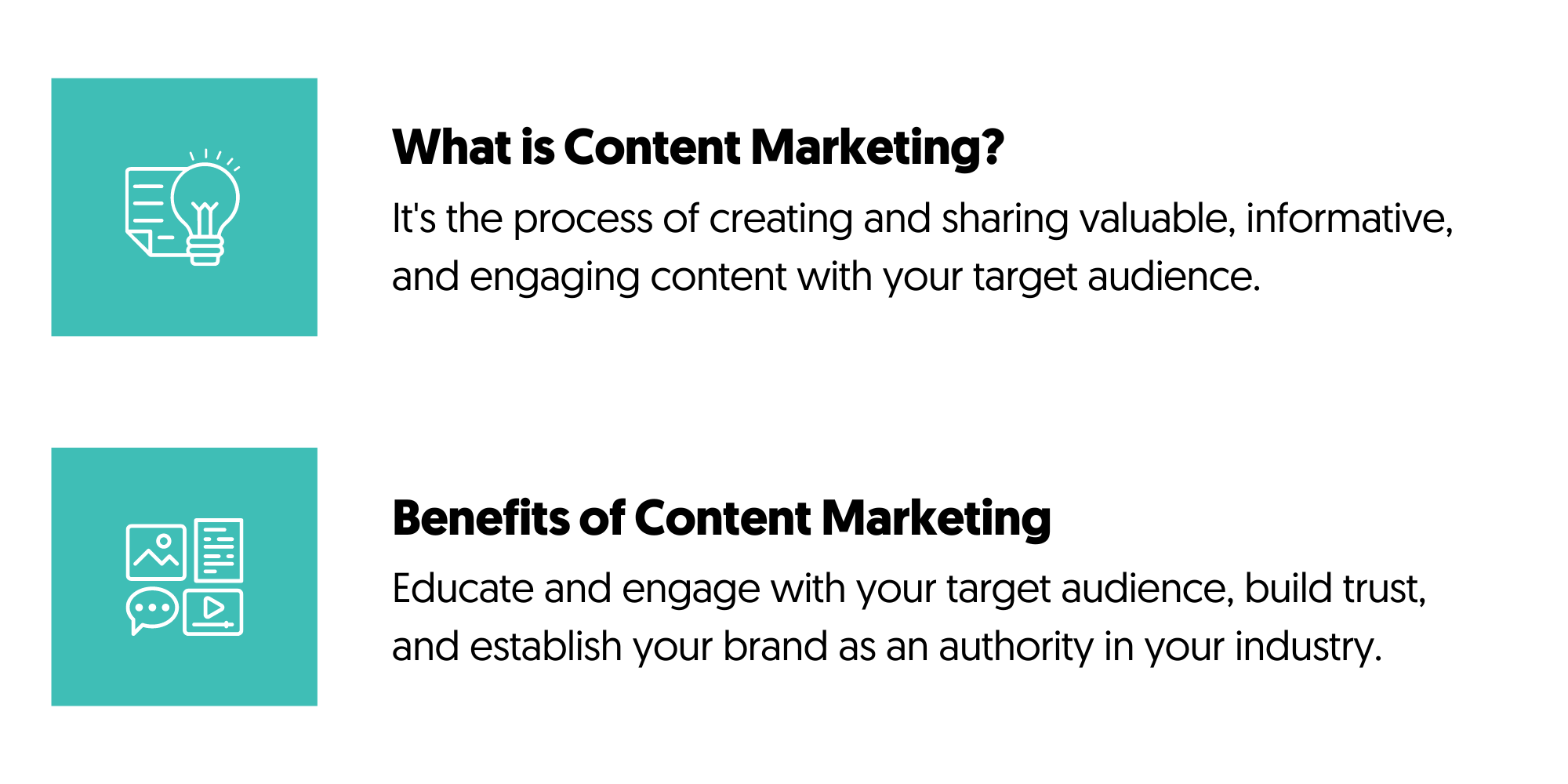
title: 'SEO and PPC' and caption: 'a screenshot of a computer' Content Marketing: This strategy focuses on creating valuable content that attracts and retains a clearly defined audience. Content marketing can take many forms, including blogs, videos, infographics, and more. The key is to provide informative and engaging materials that resonate with potential customers, establishing the brand as an authority in its field[10].
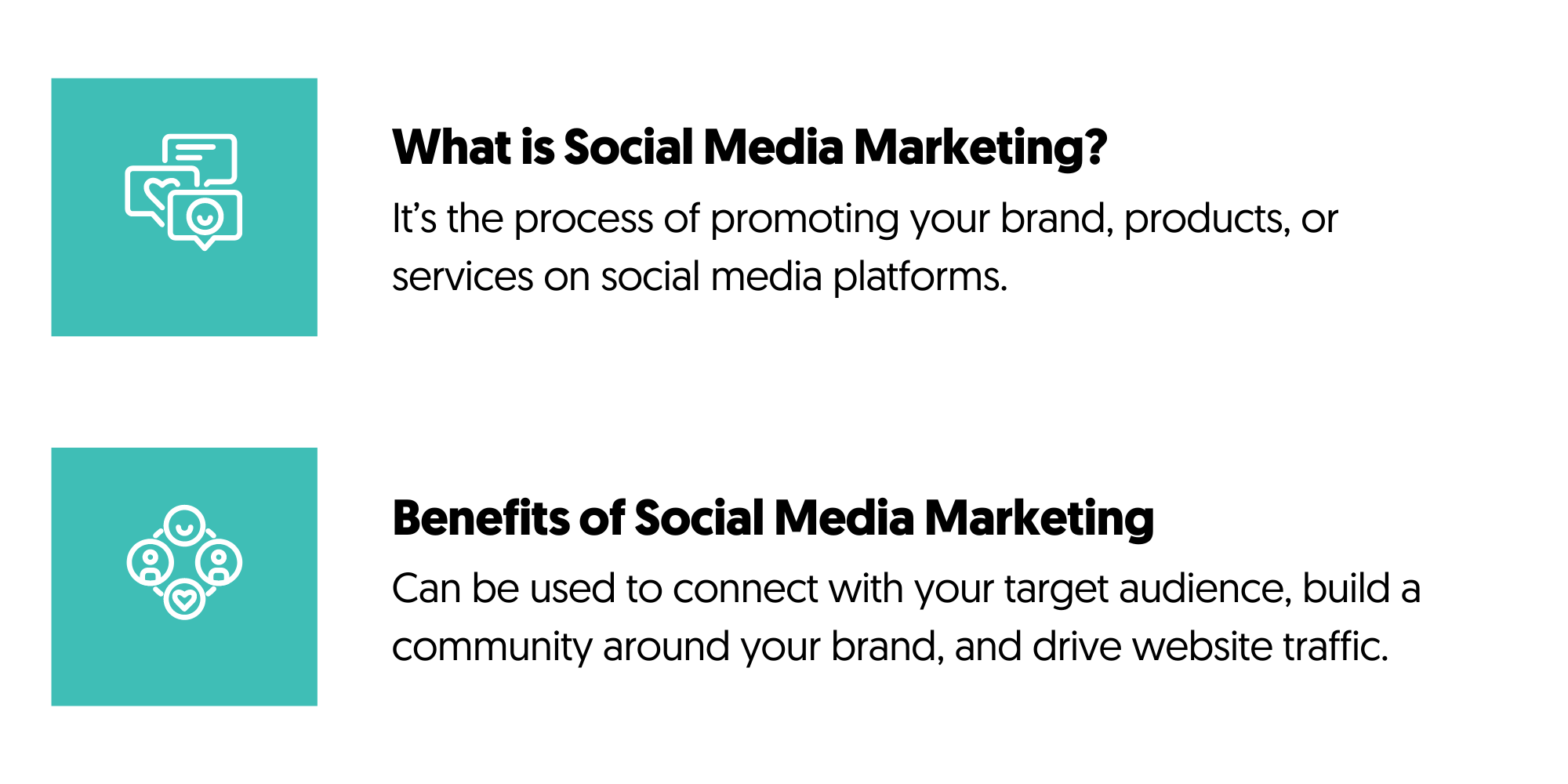
title: 'Content Marketing' and caption: 'a white background with black text' Social Media Marketing: Social media platforms offer a unique avenue for engaging directly with consumers. Effective social media marketing strategies require understanding the platforms where your target audience spends time, crafting relevant content, and leveraging analytics to refine approaches[6][10].
title: 'Social Media Marketing' and caption: 'a white text on a white background' Email Marketing: This traditional yet effective digital channel allows businesses to connect with customers through personalized communications. Beginners should focus on building opt-in email lists and crafting targeted email campaigns that nurture leads and drive conversions[5].

title: 'Email Marketing' and caption: 'a white background with black text' Pay-Per-Click Advertising (PPC): PPC advertising is a method for driving traffic to websites through paid ads, often on search engines and social media platforms. Understanding how to effectively manage PPC campaigns can provide immediate visibility and targeted reach to specific audiences[10].

title: 'PPC Marketing' and caption: 'a white background with black text'
Developing a Digital Marketing Strategy
For beginners, crafting a digital marketing strategy is essential. This involves several steps:
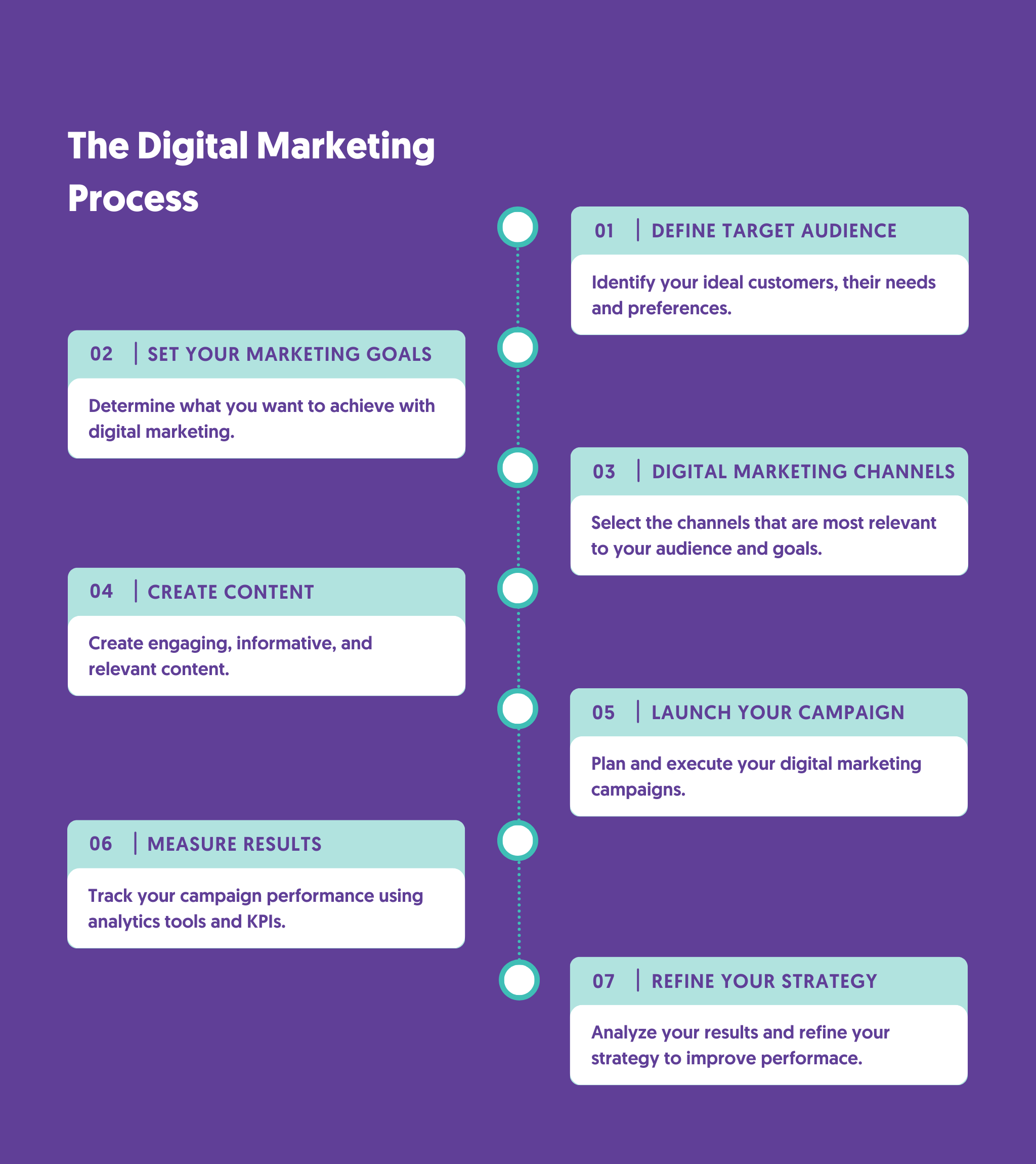
Defining Goals: Establish clear, measurable goals that align with business objectives. For example, increasing website traffic, generating leads, or boosting sales are common digital marketing goals[2][5].
Understanding the Target Audience: A deep understanding of the target audience's demographics, interests, and online behavior is crucial. Developing buyer personas can help tailor marketing messages and select appropriate channels[8][9].
Choosing the Right Channels: Depending on where the target audience is most active, beginners should prioritize specific digital channels—social media, email, search engines, etc.—and align their marketing efforts accordingly[4].
Content Planning: Create a content strategy that integrates all aspects of digital marketing. Establish a content calendar that ensures consistency and relevance across various platforms and formats[8][9].
Monitoring and Metrics: Use analytics tools to track performance against established KPIs. Regularly analyzing metrics can help refine strategies, ensure alignment with objectives, and optimize future campaigns[5][8].
Continuous Learning and Adaptation
Digital marketing is an ever-evolving discipline. Trends shift rapidly with technological advancements and changing consumer preferences. Therefore, continuous learning is vital for beginners to stay informed about the latest tools, best practices, and emerging trends. Participation in webinars, courses, and industry events can provide valuable insights[2][7].
Conclusion
For beginners, entering the field of digital marketing can be overwhelming but ultimately rewarding. By understanding the foundational concepts, mastering the essential components, developing a strategic approach, and committing to lifelong learning, aspiring digital marketers can effectively engage with their audiences and drive tangible results for their businesses. Embracing the dynamic nature of digital marketing will position newcomers for success in a rapidly changing landscape[1][5].
Let's look at alternatives:
- Modify the query.
- Start a new thread.
- Remove sources (if manually added).
What is existentialism?

Existentialism is a philosophical inquiry that focuses on the existence of the individual and asserts that individuals must embrace responsibility for their actions and strive to lead authentic lives, despite the universe's inherent absurdity or incomprehensibility. It examines concepts like meaning, purpose, value, existential crises, angst, courage, and freedom[1].
The term 'existentialism' was coined by the French philosopher Gabriel Marcel in the mid-1940s, and the movement includes contributions from notable thinkers such as Søren Kierkegaard, Friedrich Nietzsche, Jean-Paul Sartre, and Albert Camus[1]. A central tenet of existentialism is the idea that 'existence precedes essence,' implying that individuals define themselves through their actions and choices rather than through predetermined categories or essences[1].
Existentialism emphasizes personal freedom, individual responsibility, and deliberate choice as crucial to self-discovery and finding meaning in life[1]. It rejects traditional systematic philosophies as too abstract, advocating instead for authenticity and concrete human experience[1]. Notably, existentialist themes also explore the absurdity of existence and the struggle to find meaning in a seemingly indifferent universe, as illustrated by works involving the experiences of individuals facing their own freedom and the consequences of their choices[1].
Let's look at alternatives:
- Modify the query.
- Start a new thread.
- Remove sources (if manually added).

Understanding the Emotional Landscape of ASMR
Overview of ASMR
Autonomous Sensory Meridian Response (ASMR) is a captivating phenomenon characterized by a pleasant tingling sensation often experienced in response to specific auditory or visual stimuli, such as whispering, tapping, or gentle movements. ASMR has recently gained increasing popularity, particularly through platforms like YouTube, where users seek out content designed to elicit this unique sensory experience. Anecdotal reports and preliminary research suggest that ASMR not only induces feelings of calmness and relaxation but also enhances emotional well-being in individuals who experience it, effectively acting as a tool for stress relief and aiding sleep[1][3].
The Role of Nostalgia in ASMR Experiences
While the current research does not directly address the specific impact of nostalgia on ASMR experiences, we can infer its potential role through the emotional nature of ASMR triggers and their associated effects. ASMR often evokes deep emotional responses, including feelings of connectedness and comfort—emotions widely associated with nostalgic experiences. For individuals who identify as ASMR experiencers, the triggers may evoke memories or feelings reminiscent of comforting, safe environments often linked to childhood or formative periods in their lives.
ASMR videos, which simulate personal attention and nurturing interactions—such as role-plays of haircuts or medical examinations—may elicit nostalgia by replicating experiences that participants found soothing in their youth. The personalization and intimate nature of many ASMR videos can serve to evoke these sentimental feelings, enhancing the overall effectiveness of ASMR in fostering relaxation and emotional well-being. As mentioned, “ASMR appears to share similarities with more well-established sensory experiences,” implying that ASMR's emotional impact could traverse into the realm of nostalgia, especially in how it aligns with personal memories of comfort[1].
Furthermore, experiences of relaxation associated with ASMR could be akin to those found in nostalgic reminiscence. According to some studies, individuals experiencing ASMR report “increased feelings of connectedness” after engaging with ASMR content, suggesting that this emotional connectivity may parallel the comforting attributes found in nostalgic memories[1][3].
Emotional Complexity in ASMR
The emotional responses elicited by ASMR go beyond simple relaxation; they encompass a complex blend of feelings, including excitement, calmness, and even an accompanying physiological arousal response. ASMR experiencers reported a notable reduction in negative emotions like stress and sadness, coupled with increased positive emotions such as excitement and calmness. This duality in the emotional response may indicate that ASMR experiences can trigger not just tranquility but also invigorating sensations reminiscent of childhood joys or safety, which often reside in nostalgic memories[1][2][5].
This emotional complexity is crucial in understanding how ASMR can evoke a sense of nostalgia. The responses observed in studies suggest that ASMR can act as a bridge between present experiences and comforting past memories, creating a multi-layered emotional experience that incorporates both relaxation and a rooted sense of familiarity, akin to nostalgia. The culmination of these feelings may contribute to a heightened sense of well-being and psychological relief valued by ASMR enthusiasts[1][3].
Practical Implications for ASMR Content Creation
Given the emotional underpinnings of ASMR, it stands to reason that creators can enhance their content by incorporating elements that resonate on a nostalgic level. Influencers known for their ASMR content can leverage familiar and comforting themes—like gentle sounds or soft-spoken narratives reminiscent of bedtime stories or caring interactions from childhood—to deepen emotional responses in their audience. Research indicates that “brand managers should partner with ASMR influencers who engage audiences at an emotional level” to maximize content engagement[2][4].
Moreover, brands entering the ASMR space may benefit from focusing on personal and intimate themes that not only evoke ASMR responses but also trigger nostalgic feelings. Utilizing ASMR cues that hark back to simpler times or childhood experiences may facilitate stronger emotional connections and enhance viewer loyalty, as these cues have the power to create comforting atmospheres that viewers find welcoming[2][5].
Conclusion
While the exploration of nostalgia within ASMR experiences remains an emerging area, existing literature suggests a significant interplay between emotional responses in ASMR and nostalgic feelings. The potential of ASMR to evoke both calming sensations and memories of comfort suggests a rich emotional landscape. Future research could further delineate the relationship between nostalgia and ASMR, potentially offering insights into effective content creation and therapeutic applications of ASMR, making it a valuable area for academic inquiry and practical exploration. Understanding these dynamics will not only enhance our comprehension of ASMR but also its implications for mental health and well-being.
Let's look at alternatives:
- Modify the query.
- Start a new thread.
- Remove sources (if manually added).