Descubre Pandipedia
Un directorio creciente de respuestas útiles seleccionadas por la comunidad de Pandi. Busca en la colección o explora los últimos descubrimientos.
2272 entradas disponibles

How healthy is your nightly routine?
Veamos alternativas:
- Modifica la consulta.
- Inicia un nuevo hilo.
- Eliminar fuentes (si se han agregado manualmente).
Romulus And Remus - Short Movie
Transcripción
Romulus And Remus /media/short_movies/ideas/94664/261194_movie.mp4 Poster: /media/short_movies/ideas/94664/261194_poster.png
Veamos alternativas:
- Modifica la consulta.
- Inicia un nuevo hilo.
- Eliminar fuentes (si se han agregado manualmente).
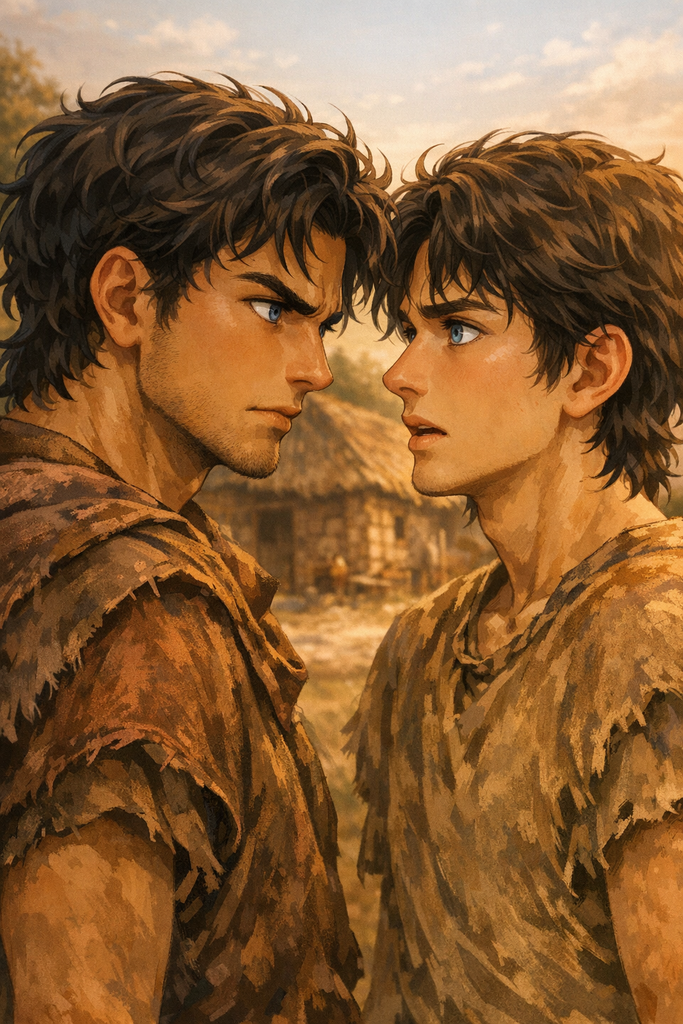
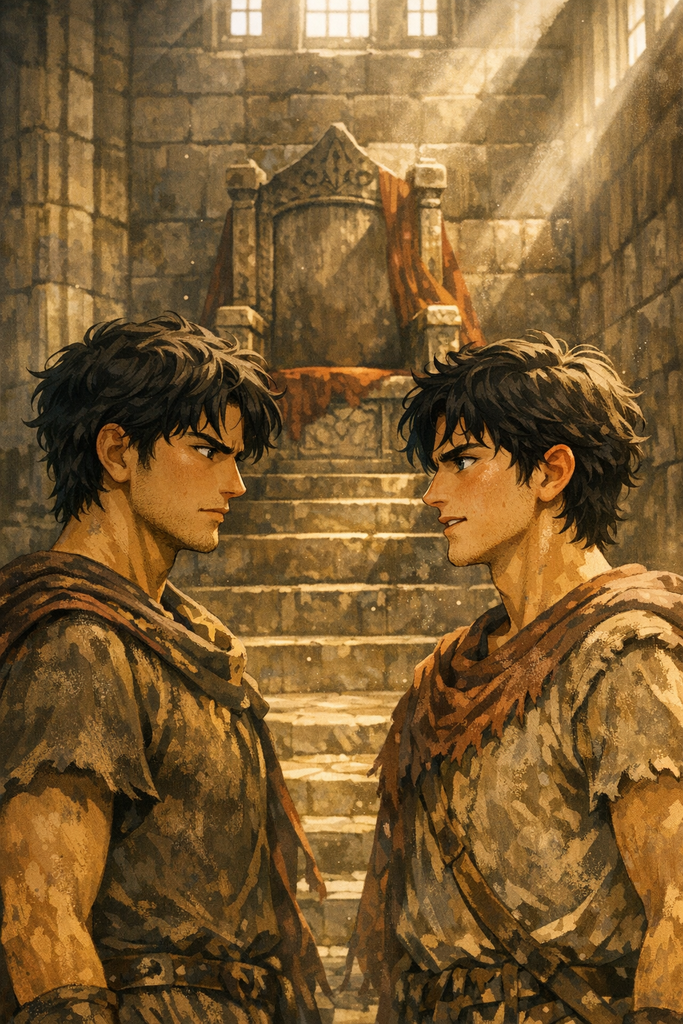
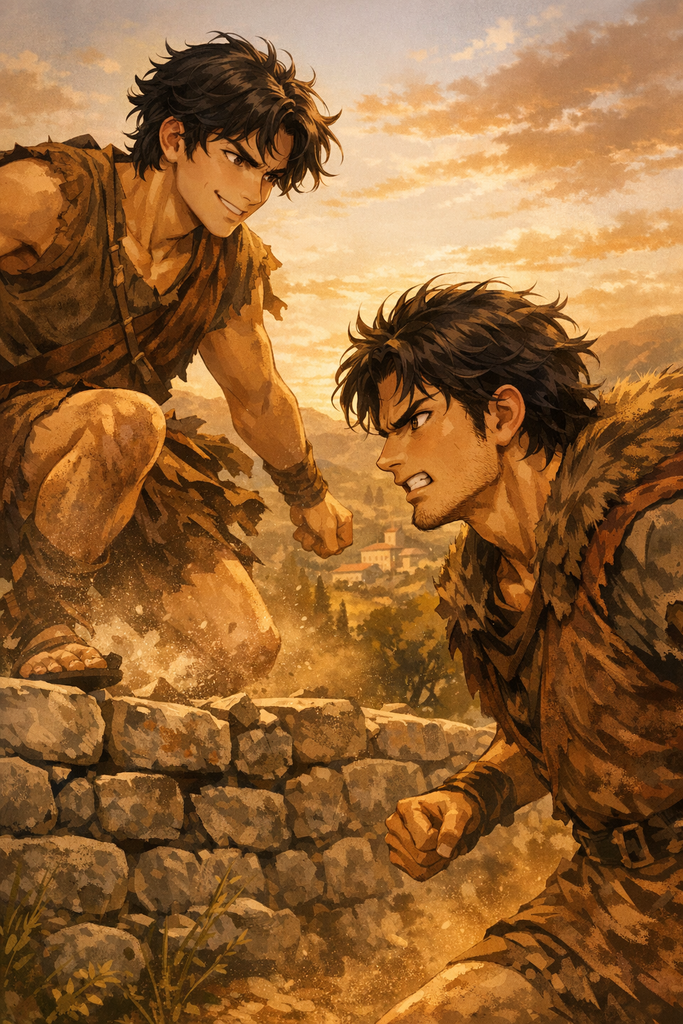
Romulus And Remus - Story Book

Romulus and Remus













Veamos alternativas:
- Modifica la consulta.
- Inicia un nuevo hilo.
- Eliminar fuentes (si se han agregado manualmente).

I am looking for an online perfume shop that might offer aud samples
Exploring the World of Oud: A Guide to Online Perfume Samples
When searching for "aud" perfumes, it is highly likely that you are looking for "oud" or "aoud", which are the common spellings for one of the most prized and expensive ingredients in the fragrance world. Oud is derived from the dark, resinous heartwood of the agarwood tree. Because of its rarity, complex scent profile, and high cost, purchasing samples or discovery sets is a highly recommended approach before committing to a full-sized bottle. Fortunately, numerous online retailers cater to this exact need, offering everything from pure artisanal oils to blended niche perfumes.
Agarwood and Oud Oil
A visual representation of raw agarwood chips alongside a small glass vial of dark, rich oud oil.



Artisanal and Natural Oud Distillers
For fragrance enthusiasts seeking the purest olfactory experience, several artisanal houses specialize in 100% natural oud oils and raw agarwood. These vendors focus on traditional distillation methods and high-grade raw materials.
- Ensar Oud: This artisanal house is positioned around luxury oud oils, attars, and perfumes[7]. They offer an Ultimate Oud Sampler featuring nine distinct samples, which include Organic Ouds, Aged Wild Ouds, and Oud Legends[12]. Each vial contains 0.15 grams of oil, which is potent enough to allow for multiple wears[12].
- Oudimentary: This shop provides an excellent starting point for those interested in experimenting with raw materials. They offer a Raw Oud Sampler that includes six different types of raw oud wood, as well as a Perfume Oil Blends Discovery Set containing 1 ml vials made entirely with 100% natural ingredients[5][11].
- Indicana Oud: Fully committed to the preservation and protection of agarwood trees, this shop complies with CITES guidelines while offering sampler packs of pure Indian oud[9]. These samplers are designed for customers to explore pure, natural oud oils before investing in full-sized bottles[29].
- Feel Oud: An artisanal distiller that focuses on high-grade raw materials and detailed distillation processes to create multi-faceted oils. They offer a Discovery Set that provides an authentic experience, far removed from the synthetic oud often found in Western commercial fragrances[31].
- Al Shareef Oudh: This brand focuses heavily on traditional perfumery, utilizing age-old methods and wild, organic oud oils to craft their scents, making it a strong choice for a traditional, natural-leaning oud source[6].
Understanding Artisanal Oud
Videos explaining the distillation process of natural agarwood and how to evaluate high-quality oud oils.
Niche Perfume Houses and Discovery Sets
If you prefer blended fragrances where oud is a key note rather than the sole ingredient, many niche perfume brands have curated discovery sets. These sets highlight different facets of the ingredient, ranging from smoky and resinous to sweet and gourmand.
| Brand | Sample Set Name | Contents & Details |
|---|---|---|
| Amir Oud | Oud Collection Sample Kit | Features 3 ml bottles that are easy to carry in day-to-day life[2]. They also offer a Luxury Oil Blends Sample Kit with ten 1 ml vials[30]. |
| Parfum Exquis | Oud Discovery Set | Includes five unique 1 ml perfumes showcasing different styles, from smoky-resinous to sweet gourmand warmth[1]. |
| Oakcha | Oud Sample Set | Contains six trial-size 2 ml vials of extrait de parfums, known for their high concentration of aromatic compounds, sillage, and longevity[13]. |
| Olfa Originals | The Oud Edition Discovery Kit | Includes six concentrated 2 ml oud compositions[15]. |
| Oudcollection | Woven Woods & Whispers of Earth | Artisanal perfume oil sample sets featuring 4 x 0.25 ml and 5 x 0.5 ml samples respectively[17]. |
Other notable mentions in the niche category include Bortnikoff, which offers an Oud Sample Set and provides a discount on a full 50 ml bottle after you purchase the set[28]. Strangelove notes that every 50 ml and 100 ml perfume comes with a complimentary 2 ml spray, and they also sell standalone discovery sets. Additionally, The Noble offers an Oud Discovery Set that allows you to explore five unique fragrances.
Luxury Perfume Discovery Set
An artistic representation of a high-end perfume discovery set.

Decant Services and "Aoud" Varieties
If you are looking for specific designer or niche fragrances that use the spelling "Aoud" (such as those from Montale or Mancera), decant services are an excellent resource. Decanting involves taking authentic fragrance from its original large bottle and carefully transferring it into smaller, sterile vials. This allows consumers to test how a fragrance interacts with their unique skin chemistry over several days without the financial risk of blind buying[27][41].
- Fragrances Line: This shop sells hand-decanted samples of popular "Aoud" fragrances, including Montale Honey Aoud, Montale Black Aoud, Montale Dark Aoud, Mancera Aoud Lemon Mint, and Mancera Aoud Cafe[35][36][37][38][40]. They also carry Arabian Oud samples, a house specializing in incense, oriental perfumes, and oil perfumes.
- Scent Split: Offers a vast collection of niche fragrance samples, including extensive selections from Arabian Oud and The House of Oud[20][27].
- DecantX: Provides a fragrance sampling service where you can customize discovery boxes to your liking, featuring brands like The House of Oud[22][44].
- Visionary Fragrances: A UK-based site offering samples of niche scents such as Roja Amber Aoud and Montale Aoud Leather. It is important to note that they do not currently ship to the US[42].
- Surrender to Chance: A well-known perfume decanting and sample retailer that offers a large selection of niche perfumes, including themed sampler sets[43].
Conclusion
The market for oud samples is vast and caters to a wide variety of preferences and budgets. Whether you are searching for the raw, traditional experience provided by artisanal distillers like Ensar Oud and Oudimentary, or you prefer the blended, accessible discovery sets from niche houses like Amir Oud and Oakcha, there are numerous online options available. For those interested in exploring Western interpretations of oud, decant websites offer a highly cost-effective way to sample premium brands before making a full commitment.
Veamos alternativas:
- Modifica la consulta.
- Inicia un nuevo hilo.
- Eliminar fuentes (si se han agregado manualmente).
The Neutron Garden - Short Movie
Transcripción
The Neutron Garden /media/short_movies/ideas/94616/261112_movie.mp4 Poster: /media/short_movies/ideas/94616/261112_poster.png
Veamos alternativas:
- Modifica la consulta.
- Inicia un nuevo hilo.
- Eliminar fuentes (si se han agregado manualmente).
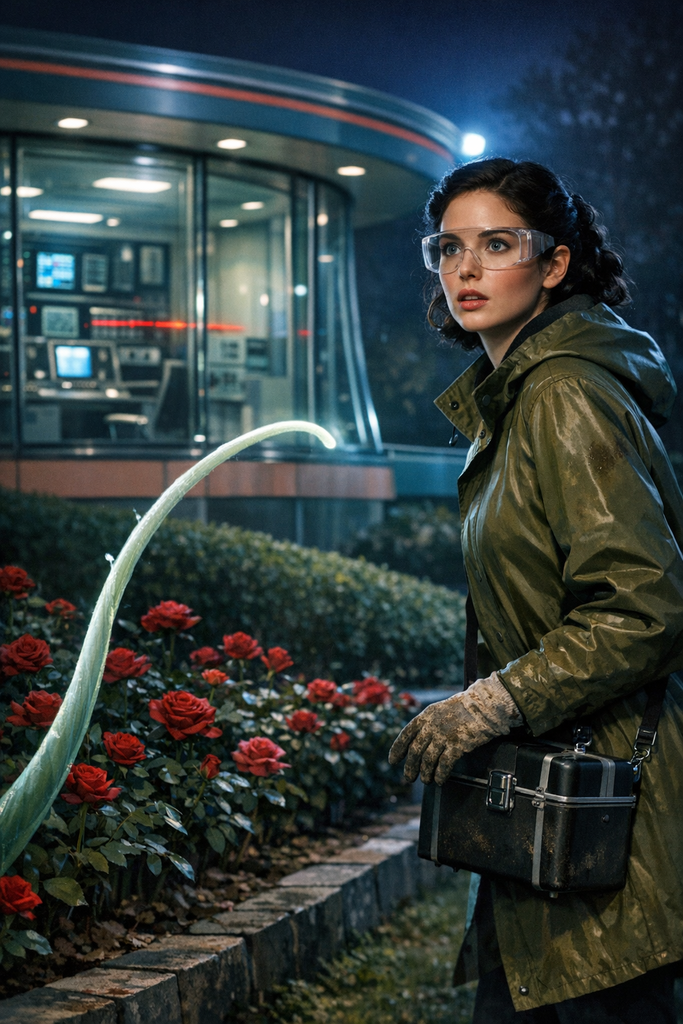
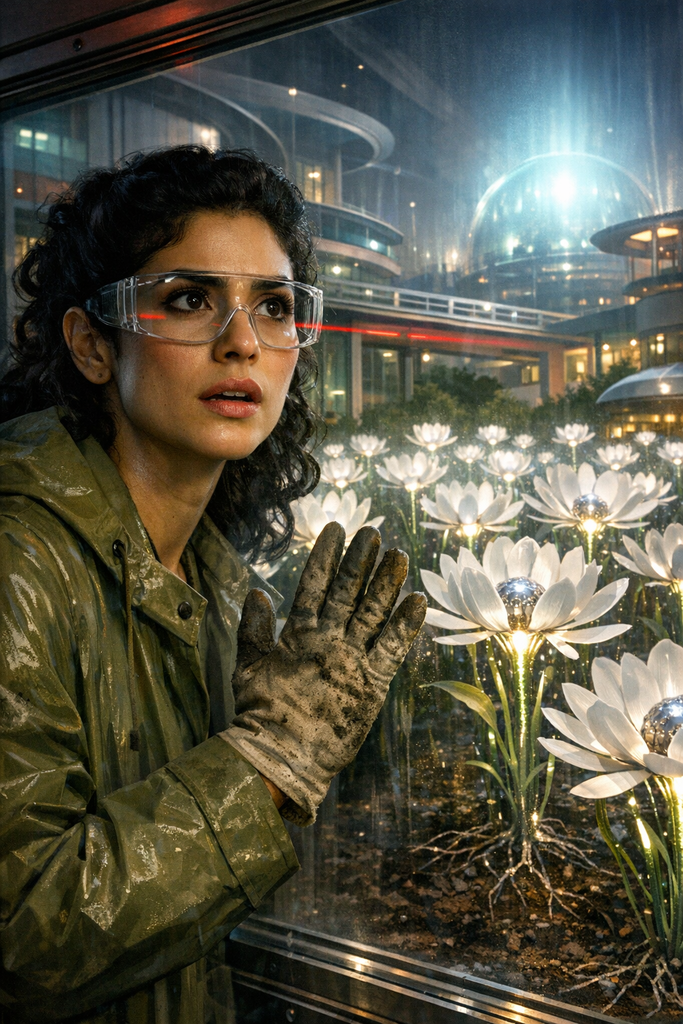
The Neutron Garden - Story Book

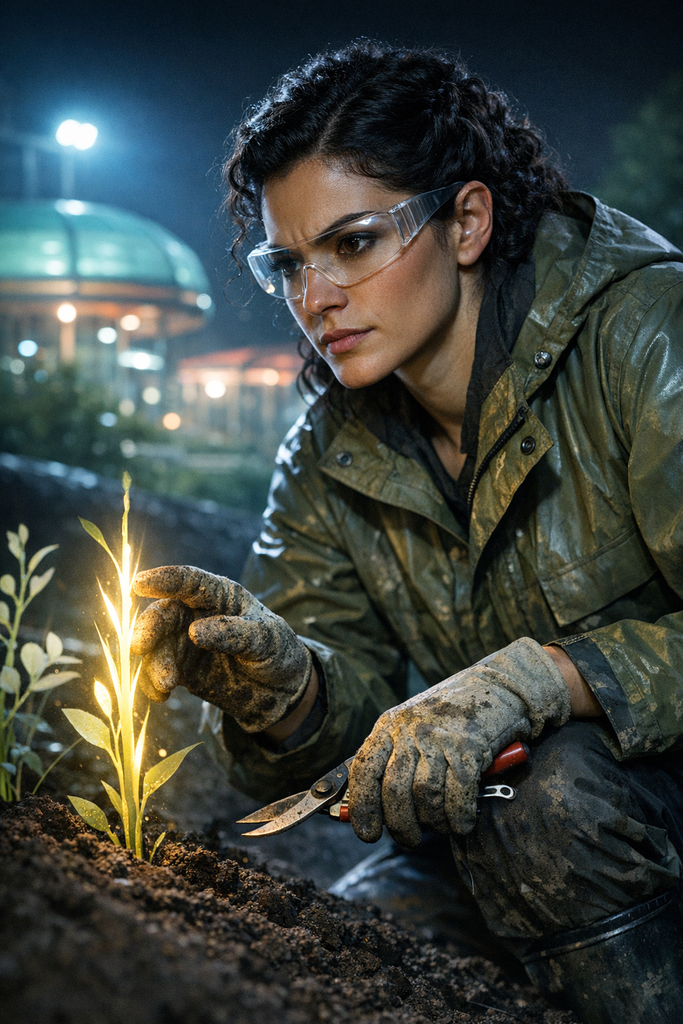
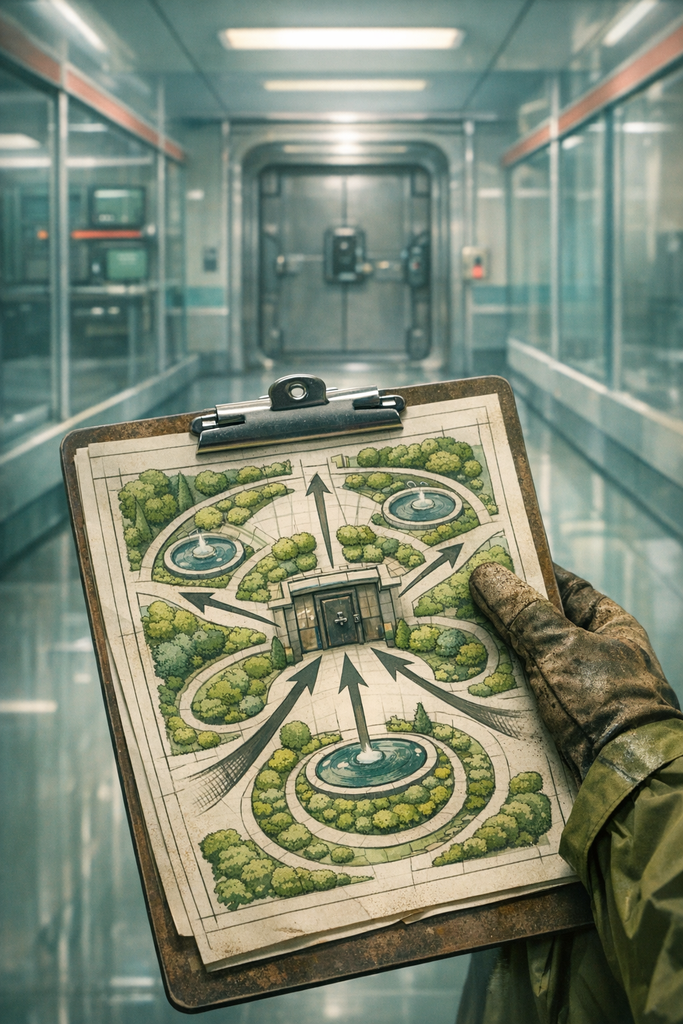
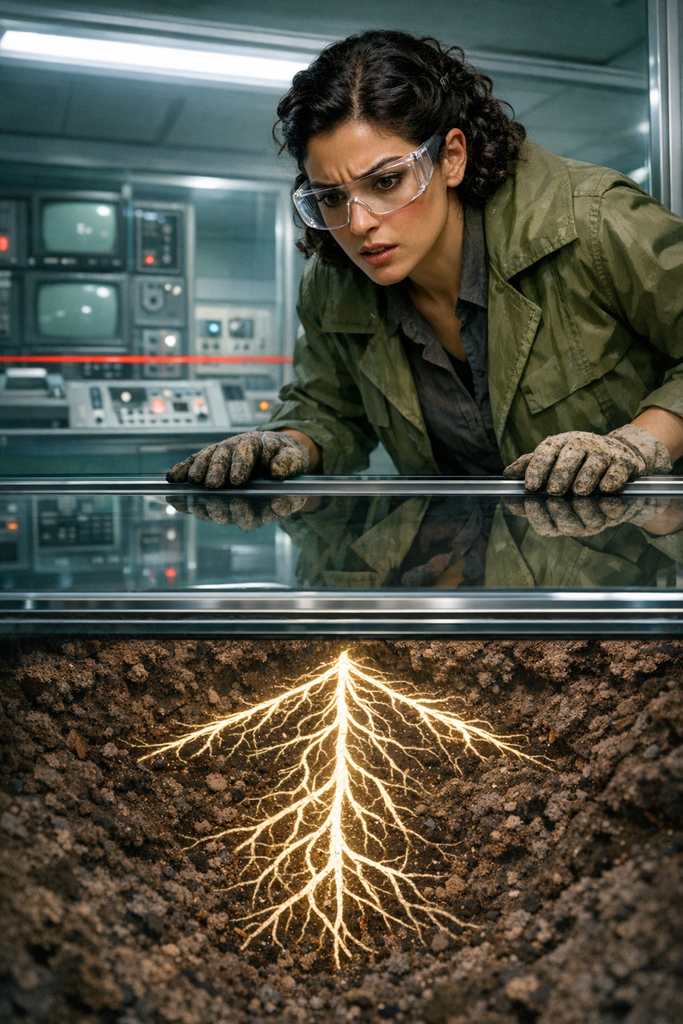
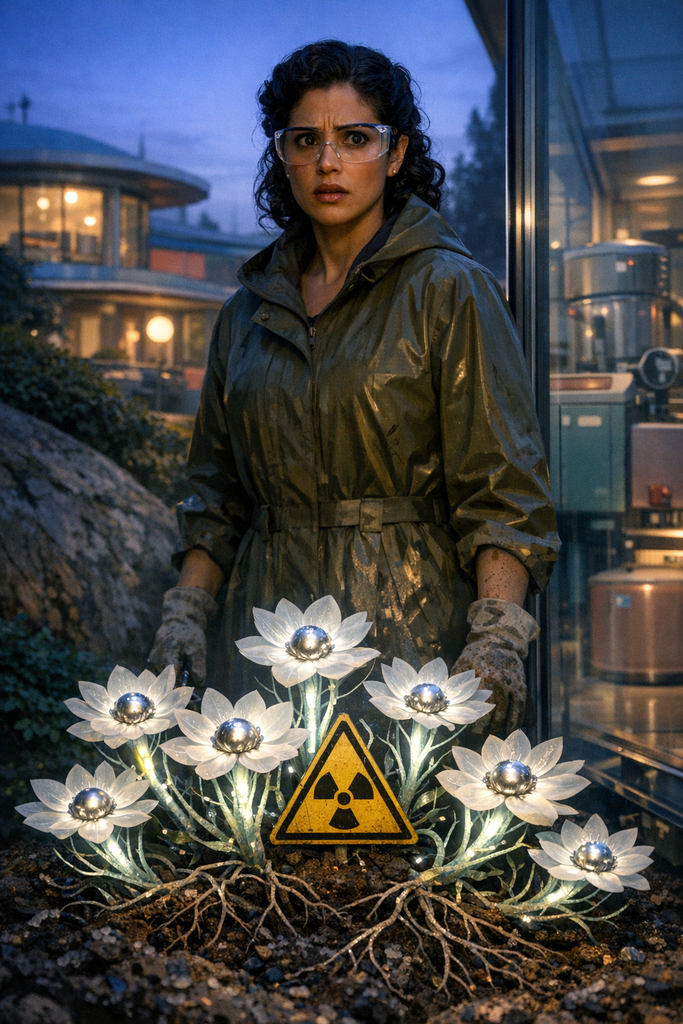
The Neutron Garden







Veamos alternativas:
- Modifica la consulta.
- Inicia un nuevo hilo.
- Eliminar fuentes (si se han agregado manualmente).
Could you please find the most famous mythological tales in Italian folklore please? Provide maybe the top 6 tales with the name of the tale and a two paragraph description of each tale.
The Most Famous Mythological Tales in Italian Folklore
Italian folklore is a rich tapestry woven from ancient Roman mythology, regional legends, and enduring fairy tales. These stories have been passed down through generations, shaping the cultural identity of the Italian peninsula. From foundation myths that explain the origins of great cities to cautionary tales of ghosts and monsters, the folklore of Italy offers a fascinating glimpse into the historical fears, hopes, and values of its people.
This report explores the top six most famous mythological tales and folk stories in Italian culture. Each narrative provides unique insights into different regions of Italy, highlighting the diverse storytelling traditions that range from the snowy peaks of Lombardy to the sun-drenched shores of Sicily.
The Historic Landscape of Italy
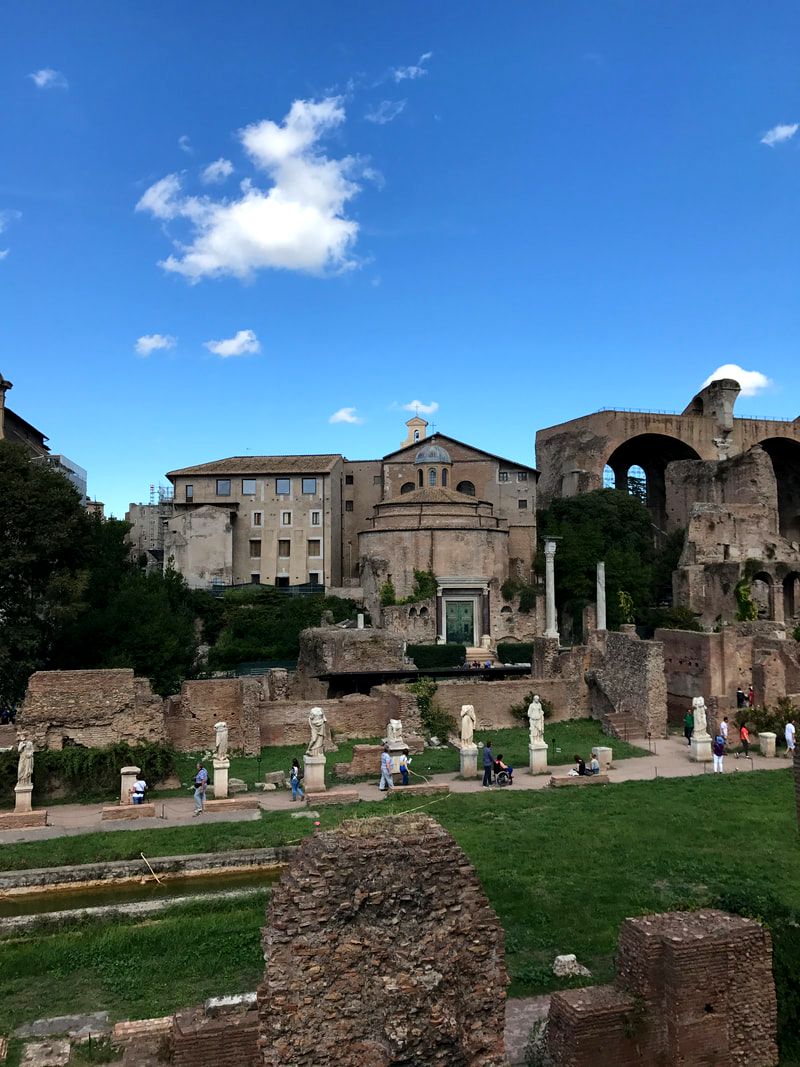
A view of ancient Roman ruins, symbolizing the deep historical roots of Italian mythology.


1. Romulus and Remus: The Founding of Rome
The legend of Romulus and Remus is the quintessential foundation myth of ancient Rome. According to the tale, the twin brothers were born to Rhea Silvia, a Vestal Virgin, and fathered by Mars, the god of war[1][2]. Because their existence threatened the rule of their great-uncle Amulius, they were ordered to be killed and were abandoned in a basket on the flooded Tiber River[2][3]. The infants miraculously survived and were discovered by a she-wolf, who nursed and protected them at the Lupercal cave until they were found and raised by a shepherd named Faustulus[1][3].
As the twins grew into natural leaders, they eventually learned of their royal lineage and successfully overthrew Amulius to restore their grandfather to the throne[2][3]. They then set out to build a new city of their own, but a bitter dispute arose over its location, with Romulus favoring the Palatine Hill and Remus preferring the Aventine Hill[1][3]. The conflict escalated when Remus mocked his brother's newly constructed boundary wall, leading Romulus to kill him in a fit of rage[2][3]. Romulus thus became the sole founder and first king of the city, which was named Rome in his honor[2].
2. La Befana: The Epiphany Witch
La Befana is one of Italy's most beloved holiday figures, often depicted as an old, soot-covered woman who flies on a broomstick on the eve of the Epiphany, January 5[4][5]. According to Christianized folklore, the Three Wise Men stopped at her home while searching for the Christ Child and invited her to join their journey[4][6]. She initially declined their offer because she was too busy with her housework, but she later experienced a change of heart and tried to follow them[4][5].
Despite her efforts, La Befana was never able to find the Magi or the manger where the baby Jesus lay[4][5]. To this day, the legend claims she wanders the world every Epiphany Eve, entering homes through the chimney to leave sweets and gifts for well-behaved children, and coal for those who have been naughty[4][6]. She is also known to sweep the floor before departing, a gesture that symbolically sweeps away the problems of the previous year, making her a powerful symbol of renewal and generosity in Italian culture[5][6].
La Befana Flying Over Italian Rooftops
An artistic depiction of the folklore figure La Befana.

3. Colapesce: The Guardian of Sicily
The legend of Colapesce is deeply ingrained in Sicilian identity, telling the story of a young fisherman named Cola who possessed an extraordinary, almost supernatural ability to swim and dive deep into the ocean[7][8]. His fame eventually reached King Frederick II, who decided to test the boy's limits by throwing a cup, a crown, and finally a ring into the treacherous waters[8][9]. Cola successfully retrieved the first two items, but during his final descent, he made a terrifying discovery: the island of Sicily was supported by three massive underwater columns, and one of them was severely cracked and weakened by volcanic fire[7][8].
Realizing that his beloved homeland was in imminent danger of collapsing into the sea, Colapesce made the ultimate sacrifice[7][9]. He chose not to return to the surface, instead using his own body to support the broken pillar and keep the island afloat[7][8]. According to local lore, whenever the ground shakes during an earthquake in northeastern Sicily, it is simply the weary Colapesce shifting the immense weight of the island from one shoulder to the other[7][9].
4. Azzurrina: The Ghost of Montebello Castle
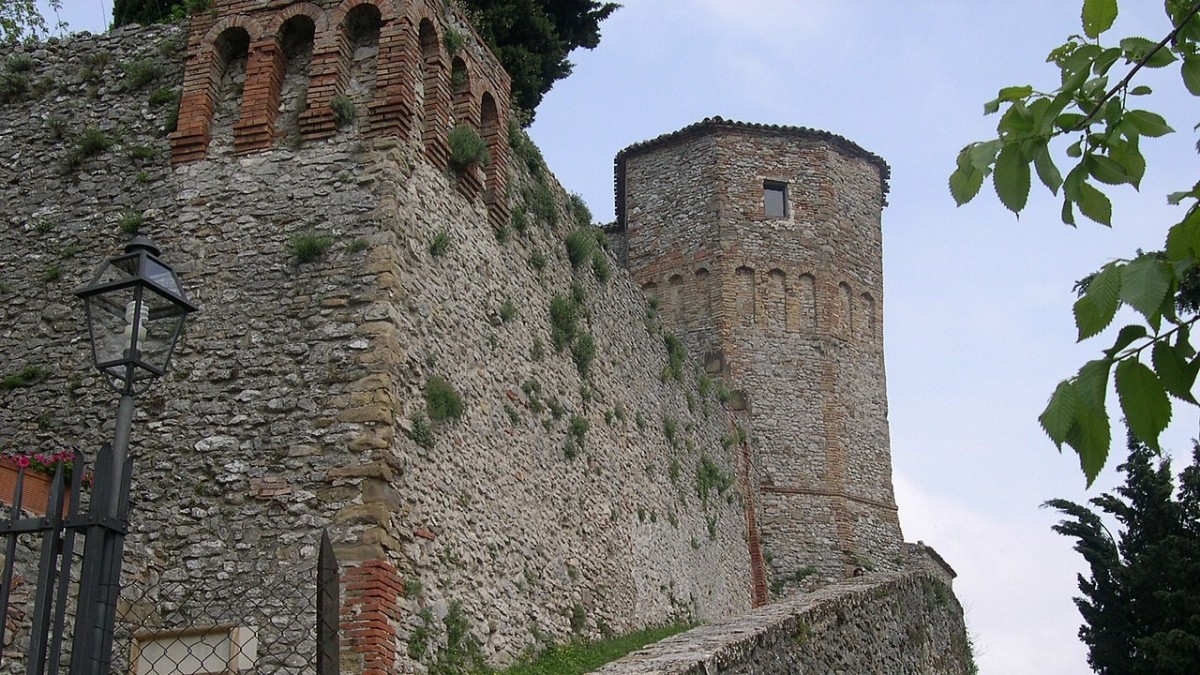
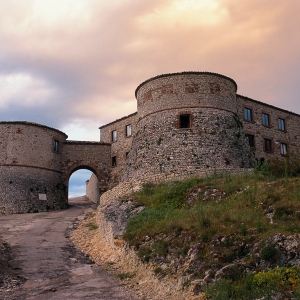
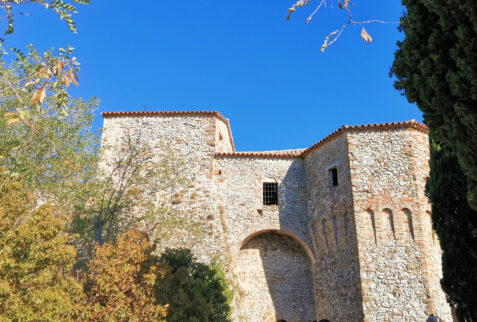
The tragic tale of Azzurrina is one of Italy's most famous ghost stories, centered around Montebello Castle near Rimini. Born Guendalina Malatesta in the 14th century, she was an albino child, a condition that was heavily stigmatized and feared during medieval times[10][11]. To protect her from accusations of witchcraft, her parents kept her confined within the castle walls under constant guard. Her mother attempted to dye her stark white hair with dark pigments, but the color failed to hold, leaving the child with a distinct blue tint that earned her the nickname Azzurrina[10][12].
The legend states that on the summer solstice of June 21, 1375, while a fierce storm raged outside, Azzurrina was playing with a rag ball that rolled down the stairs into the castle's underground icehouse[10][11]. She chased after it, a sharp scream echoed through the halls, and she vanished without a trace, never to be seen again[10][12]. Today, it is said that her spirit still haunts the fortress, and every five years on the summer solstice, visitors and paranormal researchers claim to hear the faint sounds of a child crying or laughing within the ancient stone walls[11][12].
Montebello Castle in Emilia-Romagna
The historic Montebello Castle, the legendary home of Azzurrina.
5. The Dragon Tarantasio: The Monster of Lake Gerundo
In the folklore of Lombardy, the legend of Tarantasio speaks of a terrifying dragon that once lurked in the murky waters of Lake Gerundo, a vast, prehistoric swamp that covered parts of Milan, Bergamo, and Cremona[13][14]. The serpent was notorious for attacking local fishermen, smashing boats, and devouring children who strayed too close to the water's edge[14][15]. Furthermore, the beast was said to exhale a foul, pestilential breath that brought disease to the surrounding villages, a myth likely inspired by the real, noxious methane gases that bubbled up from the marshlands[13][15].
The reign of terror ended when a brave hero finally slew the dragon, an act that coincided with the draining and reclamation of Lake Gerundo[13][14]. While different versions of the story attribute the victory to various historical or saintly figures, the most prominent telling credits an ancestor of the powerful Visconti family[13][15]. This triumph is immortalized in the Visconti coat of arms, known as the biscione, which depicts a giant serpent devouring a child, serving as a lasting emblem of Milanese heritage and the conquest of the untamed marsh[14][15].
6. La Gatta Cenerentola: The Neapolitan Cinderella
Long before the sanitized fairy tales of modern media, Giambattista Basile penned La Gatta Cenerentola (The Cat Cinderella) in his 1634 collection, The Tale of Tales[16]. This early Italian version of the Cinderella story is notably darker and more complex. The protagonist, Zezolla, is manipulated by her governess into murdering her cruel stepmother by snapping a heavy chest lid on her neck[16][18]. However, the plan backfires when the governess marries Zezolla's father and brings her own six daughters into the home, reducing Zezolla to a lowly kitchen servant nicknamed the "Cat Cinderella"[16].
Unlike later adaptations that feature a fairy godmother and a pumpkin carriage, Basile's tale relies on different magical elements. Zezolla receives a magical date tree from her father, which she carefully tends[16]. A fairy residing within the tree grants her wishes, providing her with magnificent gowns to attend a series of royal feasts[16][18]. After losing her slipper while fleeing the king's pursuit, a kingdom-wide search ensues, and the slipper is found to fit only her, leading to her coronation as queen and cementing this gritty narrative as a cornerstone of European fairy tale history[18].
Conclusion
The mythological tales and folk stories of Italy offer a profound look into the country's historical consciousness. Whether explaining the seismic activity of Sicily through the sacrifice of Colapesce, memorializing the reclamation of Lombardy's swamps through the defeat of Tarantasio, or celebrating the spirit of Epiphany with La Befana, these narratives serve as cultural anchors. They blend the supernatural with the historical, ensuring that the fears, triumphs, and moral lessons of the past continue to resonate in modern Italian society.
Veamos alternativas:
- Modifica la consulta.
- Inicia un nuevo hilo.
- Eliminar fuentes (si se han agregado manualmente).
How NASA will build the Artemis moon base?
Building the Artemis Base Camp: NASA's Blueprint for a Sustained Lunar Presence
NASA's Artemis Base Camp represents a monumental shift in space exploration, transitioning from brief lunar visits to a sustained human presence on the Moon. The objective is to establish a permanent, expandable foothold that will support scientific discovery, resource utilization, and future crewed missions to Mars. This long-term outpost will be built incrementally through repeated missions, robotic precursors, and advanced surface infrastructure.
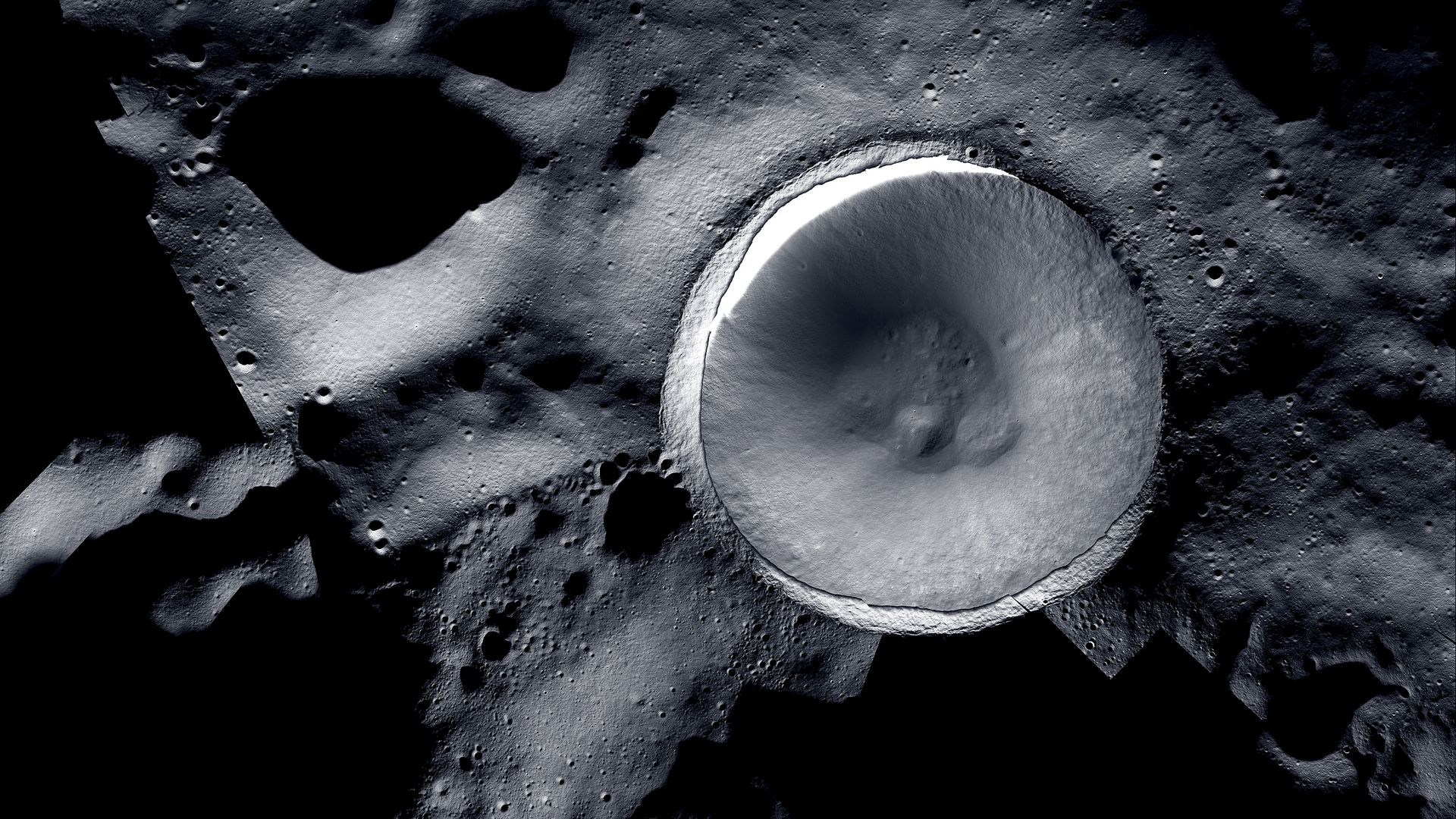
Lunar South Pole
The rugged, cratered terrain of the lunar south pole, the planned location for the Artemis Base Camp.


Core Components of the Base Camp
The architecture of the Artemis Base Camp centers on three primary elements designed to expand exploration capabilities and support long-duration stays[10].
- Lunar Terrain Vehicle (LTV): An unpressurized rover intended for crewed operations beginning around Artemis V, allowing astronauts to travel far beyond walking distance.
- Habitable Mobility Platform: A pressurized rover delivered later to extend exploration ranges by tens of kilometers and support missions lasting 30 to 45 days.
- Foundation Surface Habitat: The core living quarters, designed as a hybrid structure with a metallic base and inflatable upper levels. It will initially support two crew members for 30 days, with the capacity to accommodate up to four astronauts as the base expands.
Location and Power Infrastructure
NASA has selected the lunar south polar region as the site for the Artemis Base Camp, specifically targeting areas near the Shackleton and de Gerlache craters. This location provides a strategic combination of near-continuous sunlight for power generation, manageable terrain for landing, and access to permanently shadowed craters that may contain valuable water ice[3].
To support this infrastructure, NASA is developing an integrated lunar power grid that combines solar and nuclear technologies. Vertical, self-leveling solar arrays will capture sunlight in illuminated areas, while Fission Surface Power systems will provide continuous, predictable electricity[28][30]. These compact nuclear reactors are expected to supply at least 40 kilowatts of power, ensuring the base remains operational through the frigid, weeks-long lunar night and in darker regions[28].
Autonomous Construction and 3D Printing
Rather than relying solely on prebuilt modules transported from Earth, NASA plans to utilize in-situ resource utilization (ISRU) and autonomous robotics to construct the base[19]. Large-scale 3D printing using lunar regolith will serve as the primary construction method.
Through the Moon to Mars Planetary Autonomous Construction Technology (MMPACT) project, NASA is testing how to transform local soil into infrastructure such as landing pads, roads, and radiation shielding[49]. Collaborations with commercial partners like ICON have led to the Olympus system, which uses high-powered lasers to melt regolith into a durable, ceramic-like building material[15]. Other techniques include regolith-polymer 3D printing and Contour Crafting, which extrude mixtures layer by layer to build protective structures.
Site preparation will be handled by a fleet of specialized robots. Systems like CraterGrader will smooth the terrain, while robotic excavators such as the ISRU Pilot Excavator (IPEx) and cooperative multi-rover teams will dig and transport materials[52][53]. In addition, NASA is utilizing technologies like the Cooperative Autonomous Distributed Robotic Exploration (CADRE) system to enable multiple rovers to work together seamlessly[4]. Precision navigation tools, such as the Ranger camera-based localization system and robotic total stations, will provide millimeter-level accuracy for site preparation and module assembly[53][55].
NASA Lunar Construction Technologies
Videos demonstrating NASA's plans for 3D printing and robotic construction on the Moon.
Logistics, Delivery, and Assembly Sequence
The assembly of the Artemis Base Camp will follow a phased, evolutionary cadence[57]. The sequence begins with robotic precursor missions, including the VIPER rover and Commercial Lunar Payload Services (CLPS) deliveries, to scout terrain and resources.
Heavy infrastructure will be delivered by cargo variants of commercial human landers, such as SpaceX's Starship Cargo and Blue Origin's Blue Moon Cargo[43][46]. These vehicles can transport tens of metric tons of equipment to the surface, enabling the deployment of large habitats and rovers[46][47].
| Mission | Primary Delivery Element |
|---|---|
| Artemis V | Lunar Terrain Vehicle (LTV) |
| Artemis VI | Habitable Mobility Platform |
| Artemis VII | Foundation Surface Habitat |
According to the 2024 Moon to Mars Architecture update, the delivery sequence targets specific missions for major components, as outlined in the table above[64].
International and Commercial Partnerships
Building the Artemis Base Camp is a global endeavor led by the United States but heavily supported by international and commercial partners. The European Space Agency (ESA) is a major contributor, providing the European Service Module for the Orion spacecraft and key Gateway elements like I-Hab and Lunar View. Other nations are also playing vital roles. Italy has expressed interest in developing lunar surface habitats, while Canada is contributing external robotics, communications satellites, and lunar rovers. Japan and the United Arab Emirates have also made significant commitments to the Artemis coalition, ensuring a diverse and collaborative approach to lunar exploration.
Overcoming Lunar Dust
One of the most significant environmental challenges is lunar dust, which can degrade equipment and pose severe health risks to astronauts[36][41]. NASA is implementing a layered dust mitigation strategy that combines passive and active technologies[41].
During construction, rocket plumes can sandblast nearby equipment, making stabilized landing pads a critical early priority[35]. For operations, the agency is developing electrodynamic dust shields, dust-tolerant connectors, and specialized coatings to repel regolith from sensitive surfaces like solar panels and spacesuits.
Inside the habitat, contamination control zones, HEPA filtration, and suitport-airlocks will prevent dust from entering the main living areas[37][41]. Advanced wearable respiratory devices are also being studied to protect crew members from airborne particles inside the base[38].
Lunar Dust Mitigation Concept
An artistic illustration of astronauts using advanced airlocks and electrodynamic shields to repel lunar dust from their suits and habitat.

Conclusion
The Artemis Base Camp is not just a destination; it is a dynamic, evolving facility that will test the limits of human ingenuity. By combining international cooperation, commercial partnerships, autonomous robotics, and innovative resource utilization, NASA is laying the groundwork for a permanent human legacy on the Moon and preparing for the next giant leap to Mars[57].
Veamos alternativas:
- Modifica la consulta.
- Inicia un nuevo hilo.
- Eliminar fuentes (si se han agregado manualmente).
A forest that turns with the story

Veamos alternativas:
- Modifica la consulta.
- Inicia un nuevo hilo.
- Eliminar fuentes (si se han agregado manualmente).
Gemini Ten: Photography on the Climb to Agena Eight
Transcripción
On July nineteenth, nineteen sixty-six, Gemini Ten was climbing toward Agena Eight. The day before, Michael Collins and John Young had docked with Agena Ten. A trajectory correction had left them with only half their planned fuel at docking, and they repeatedly fired Agena Ten’s engine to match orbits with Agena Eight. Collins’s first planned spacewalk was a stand-up EVA: he remained at the open hatch rather than moving away from the spacecraft. It lasted forty-nine minutes. With a seventy-millimetre camera, he took twenty-two ultraviolet images of the southern Milky Way. As the docked spacecraft entered daylight, he also photographed a coloured plate to test how accurately film recorded colour in space. For the planned second EVA, Collins put on the ELSS chestpack and unstowed an umbilical, a line carrying oxygen, communications, and nitrogen. The nitrogen was stored under pressure in the adapter section and would power the hand-held maneuvering unit, a small device for moving an astronaut with gas thrust. Fuel remained scarce. The crew rendezvoused with Agena Eight about ninety minutes before the planned EVA, shaping the timing of the next spacewalk around the mission’s limited fuel.
Veamos alternativas:
- Modifica la consulta.
- Inicia un nuevo hilo.
- Eliminar fuentes (si se han agregado manualmente).