
Could you please find the most famous mythological tales in Italian folklore please? Provide maybe the top 6 tales with the name of the tale and a two paragraph description of each tale.
The Most Famous Mythological Tales in Italian Folklore
Italian folklore is a rich tapestry woven from ancient Roman mythology, regional legends, and enduring fairy tales. These stories have been passed down through generations, shaping the cultural identity of the Italian peninsula. From foundation myths that explain the origins of great cities to cautionary tales of ghosts and monsters, the folklore of Italy offers a fascinating glimpse into the historical fears, hopes, and values of its people.
This report explores the top six most famous mythological tales and folk stories in Italian culture. Each narrative provides unique insights into different regions of Italy, highlighting the diverse storytelling traditions that range from the snowy peaks of Lombardy to the sun-drenched shores of Sicily.
The Historic Landscape of Italy
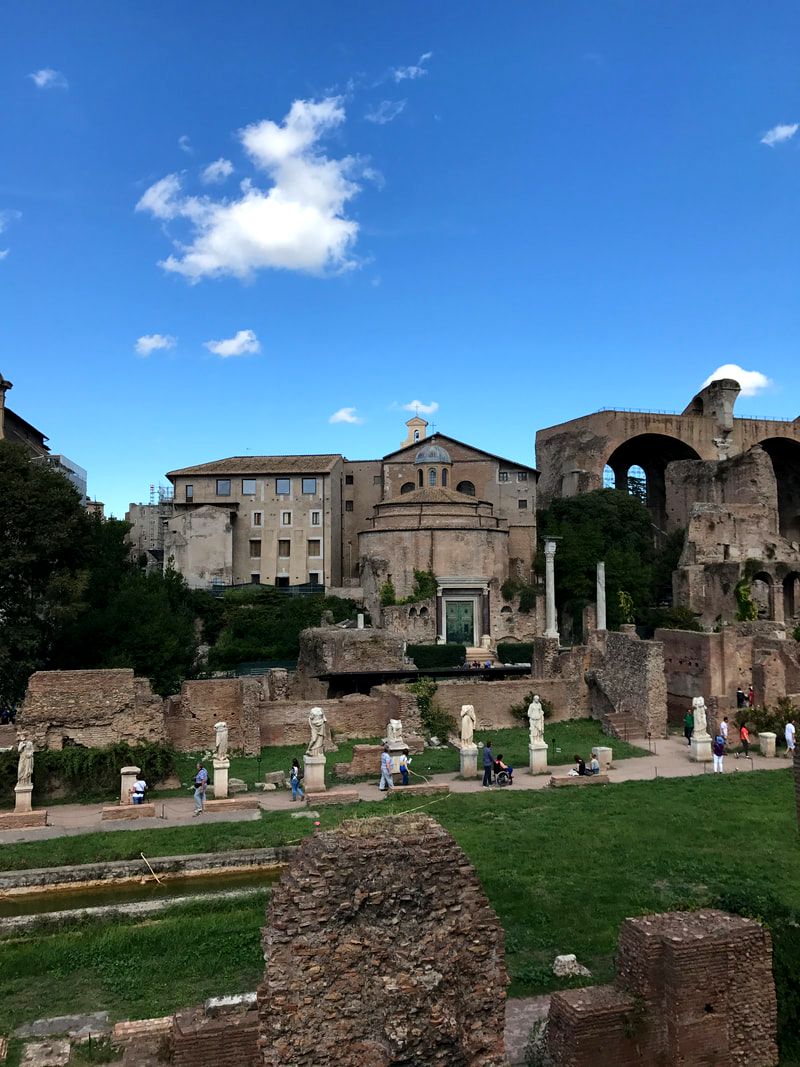
A view of ancient Roman ruins, symbolizing the deep historical roots of Italian mythology.
1. Romulus and Remus: The Founding of Rome
The legend of Romulus and Remus is the quintessential foundation myth of ancient Rome. According to the tale, the twin brothers were born to Rhea Silvia, a Vestal Virgin, and fathered by Mars, the god of war[1][2]. Because their existence threatened the rule of their great-uncle Amulius, they were ordered to be killed and were abandoned in a basket on the flooded Tiber River[2][3]. The infants miraculously survived and were discovered by a she-wolf, who nursed and protected them at the Lupercal cave until they were found and raised by a shepherd named Faustulus[1][3].
As the twins grew into natural leaders, they eventually learned of their royal lineage and successfully overthrew Amulius to restore their grandfather to the throne[2][3]. They then set out to build a new city of their own, but a bitter dispute arose over its location, with Romulus favoring the Palatine Hill and Remus preferring the Aventine Hill[1][3]. The conflict escalated when Remus mocked his brother's newly constructed boundary wall, leading Romulus to kill him in a fit of rage[2][3]. Romulus thus became the sole founder and first king of the city, which was named Rome in his honor[2].
2. La Befana: The Epiphany Witch
La Befana is one of Italy's most beloved holiday figures, often depicted as an old, soot-covered woman who flies on a broomstick on the eve of the Epiphany, January 5[4][5]. According to Christianized folklore, the Three Wise Men stopped at her home while searching for the Christ Child and invited her to join their journey[4][6]. She initially declined their offer because she was too busy with her housework, but she later experienced a change of heart and tried to follow them[4][5].
Despite her efforts, La Befana was never able to find the Magi or the manger where the baby Jesus lay[4][5]. To this day, the legend claims she wanders the world every Epiphany Eve, entering homes through the chimney to leave sweets and gifts for well-behaved children, and coal for those who have been naughty[4][6]. She is also known to sweep the floor before departing, a gesture that symbolically sweeps away the problems of the previous year, making her a powerful symbol of renewal and generosity in Italian culture[5][6].
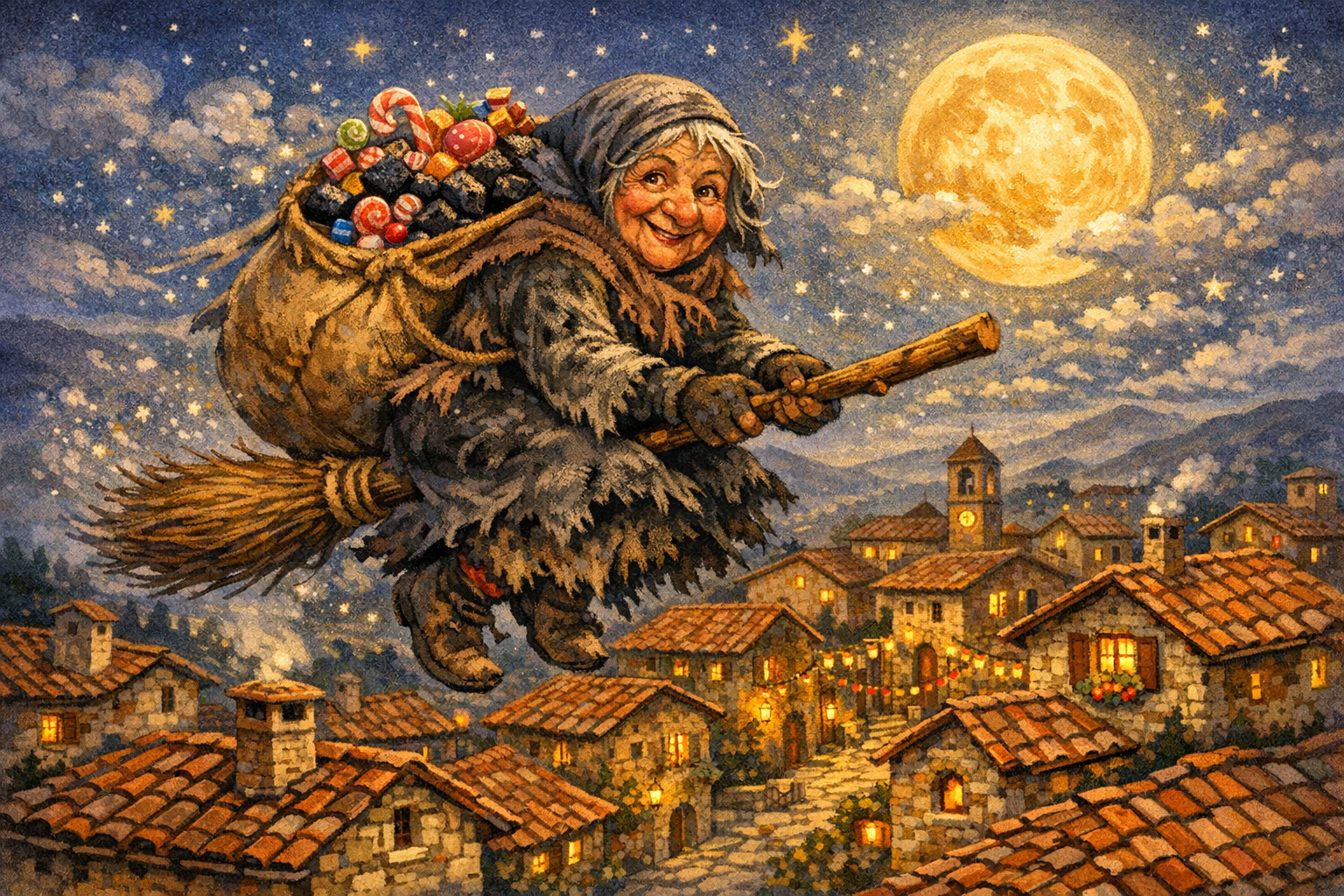
La Befana Flying Over Italian Rooftops
An artistic depiction of the folklore figure La Befana.
3. Colapesce: The Guardian of Sicily
The legend of Colapesce is deeply ingrained in Sicilian identity, telling the story of a young fisherman named Cola who possessed an extraordinary, almost supernatural ability to swim and dive deep into the ocean[7][8]. His fame eventually reached King Frederick II, who decided to test the boy's limits by throwing a cup, a crown, and finally a ring into the treacherous waters[8][9]. Cola successfully retrieved the first two items, but during his final descent, he made a terrifying discovery: the island of Sicily was supported by three massive underwater columns, and one of them was severely cracked and weakened by volcanic fire[7][8].
Realizing that his beloved homeland was in imminent danger of collapsing into the sea, Colapesce made the ultimate sacrifice[7][9]. He chose not to return to the surface, instead using his own body to support the broken pillar and keep the island afloat[7][8]. According to local lore, whenever the ground shakes during an earthquake in northeastern Sicily, it is simply the weary Colapesce shifting the immense weight of the island from one shoulder to the other[7][9].
4. Azzurrina: The Ghost of Montebello Castle
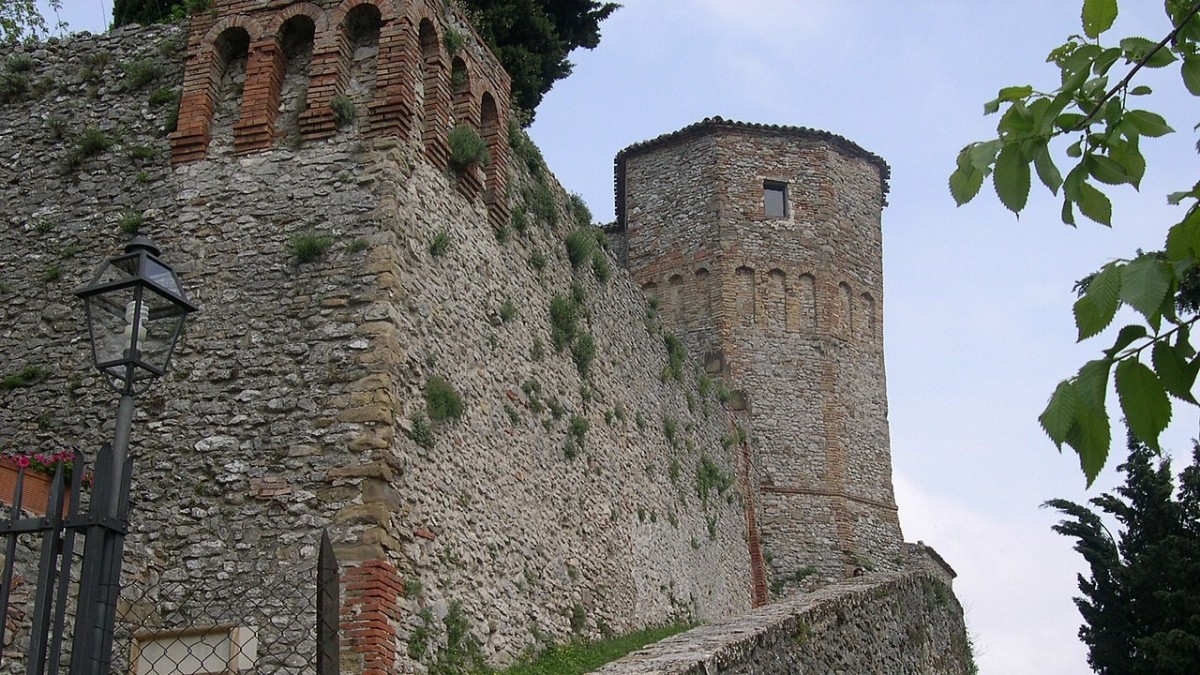
The tragic tale of Azzurrina is one of Italy's most famous ghost stories, centered around Montebello Castle near Rimini. Born Guendalina Malatesta in the 14th century, she was an albino child, a condition that was heavily stigmatized and feared during medieval times[10][11]. To protect her from accusations of witchcraft, her parents kept her confined within the castle walls under constant guard. Her mother attempted to dye her stark white hair with dark pigments, but the color failed to hold, leaving the child with a distinct blue tint that earned her the nickname Azzurrina[10][12].
The legend states that on the summer solstice of June 21, 1375, while a fierce storm raged outside, Azzurrina was playing with a rag ball that rolled down the stairs into the castle's underground icehouse[10][11]. She chased after it, a sharp scream echoed through the halls, and she vanished without a trace, never to be seen again[10][12]. Today, it is said that her spirit still haunts the fortress, and every five years on the summer solstice, visitors and paranormal researchers claim to hear the faint sounds of a child crying or laughing within the ancient stone walls[11][12].
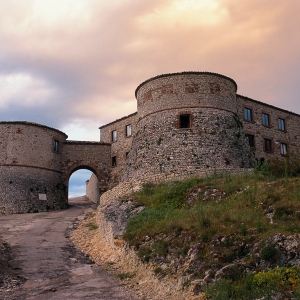
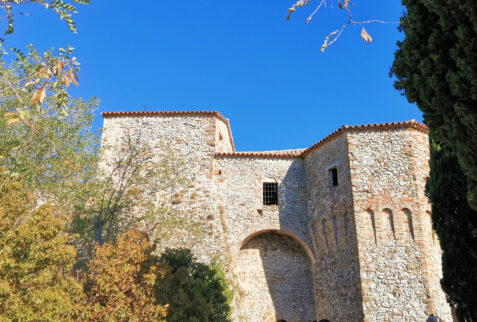
Montebello Castle in Emilia-Romagna
The historic Montebello Castle, the legendary home of Azzurrina.
5. The Dragon Tarantasio: The Monster of Lake Gerundo
In the folklore of Lombardy, the legend of Tarantasio speaks of a terrifying dragon that once lurked in the murky waters of Lake Gerundo, a vast, prehistoric swamp that covered parts of Milan, Bergamo, and Cremona[13][14]. The serpent was notorious for attacking local fishermen, smashing boats, and devouring children who strayed too close to the water's edge[14][15]. Furthermore, the beast was said to exhale a foul, pestilential breath that brought disease to the surrounding villages, a myth likely inspired by the real, noxious methane gases that bubbled up from the marshlands[13][15].
The reign of terror ended when a brave hero finally slew the dragon, an act that coincided with the draining and reclamation of Lake Gerundo[13][14]. While different versions of the story attribute the victory to various historical or saintly figures, the most prominent telling credits an ancestor of the powerful Visconti family[13][15]. This triumph is immortalized in the Visconti coat of arms, known as the biscione, which depicts a giant serpent devouring a child, serving as a lasting emblem of Milanese heritage and the conquest of the untamed marsh[14][15].
6. La Gatta Cenerentola: The Neapolitan Cinderella
Long before the sanitized fairy tales of modern media, Giambattista Basile penned La Gatta Cenerentola (The Cat Cinderella) in his 1634 collection, The Tale of Tales[16]. This early Italian version of the Cinderella story is notably darker and more complex. The protagonist, Zezolla, is manipulated by her governess into murdering her cruel stepmother by snapping a heavy chest lid on her neck[16][18]. However, the plan backfires when the governess marries Zezolla's father and brings her own six daughters into the home, reducing Zezolla to a lowly kitchen servant nicknamed the "Cat Cinderella"[16].
Unlike later adaptations that feature a fairy godmother and a pumpkin carriage, Basile's tale relies on different magical elements. Zezolla receives a magical date tree from her father, which she carefully tends[16]. A fairy residing within the tree grants her wishes, providing her with magnificent gowns to attend a series of royal feasts[16][18]. After losing her slipper while fleeing the king's pursuit, a kingdom-wide search ensues, and the slipper is found to fit only her, leading to her coronation as queen and cementing this gritty narrative as a cornerstone of European fairy tale history[18].
Conclusion
The mythological tales and folk stories of Italy offer a profound look into the country's historical consciousness. Whether explaining the seismic activity of Sicily through the sacrifice of Colapesce, memorializing the reclamation of Lombardy's swamps through the defeat of Tarantasio, or celebrating the spirit of Epiphany with La Befana, these narratives serve as cultural anchors. They blend the supernatural with the historical, ensuring that the fears, triumphs, and moral lessons of the past continue to resonate in modern Italian society.
Let's look at alternatives:
- Modify the query.
- Start a new thread.
- Remove sources (if manually added).