Could you please find the most famous mythological tales in Scottish folklore please?
Most Famous Mythological Tales in Scottish Folklore
This report identifies the most famous mythological tales in Scottish folklore, focusing on stories with long oral transmission, broad name recognition in Scotland and beyond, and continued cultural presence in tourism, publishing, and the arts[2][6]. Scotland's mythic landscape features water monsters, shape‑shifting spirits, helpful household beings, death omens, fairy ballads, clan talismans, and storied ghosts that together form a living tapestry of belief and identity[1][2].
Scope and method
To surface the most famous tales, I compared academic and reference overviews, national and regional heritage portals, and curated tourism guides that highlight iconic narratives known to domestic and international audiences[1][2][6]. I prioritized enduring popularity, cultural significance, historical reach, and the breadth of retellings or on‑site traditions associated with each tale[2][6].
Top legends at a glance
- Loch Ness Monster ("Nessie"): Scotland's globally famous lake monster, with reports stretching from Saint Columba's sixth‑century encounter to modern media and investigations[25][26][32].
- Kelpies: dangerous shape‑shifting water horses that lure riders to watery doom, sometimes controlled by seizing a magical bridle[10][9][11].
- Selkies: seal folk who shed their skins to become human; stolen skins trap them on land, producing bittersweet love stories of longing and return to the sea[16][19].
- Tam Lin: a Borders ballad of a mortal captive of the Fairy Queen, freed by Janet on Halloween after she endures his terrifying transformations[20][22][21].
- The Cailleach (Beira), Queen of Winter: landscape‑shaping hag‑goddess tied to winter's harshness, storms, and seasonal cycles with Bride[55][56][62].
- Brownies: nocturnal household spirits who do chores for offerings like milk, but leave if insulted or given clothing[34][35].
- Bean Nighe: the "washer‑at‑the‑ford," an omen of death who washes the garments of those about to die[40][41].
- Blue Men of the Minch: blue‑skinned sea beings who challenge skippers in verse and portend storms in the strait between the Highlands and the Hebrides[49][51][50].
- The Fairy Flag of Dunvegan: Clan MacLeod's talismanic banner said to bring supernatural aid when unfurled, preserved at Dunvegan Castle[65][66].
- Robert the Bruce and the Spider: a beloved perseverance legend often cited among Scotland's most famous stories[2][6].
- Haunted legends such as the Gray Lady of Glamis Castle and Glasgow's Gorbals Vampire, central to Scotland's ghost‑lore reputation[5][4].

Profiles of the most famous tales
Loch Ness Monster
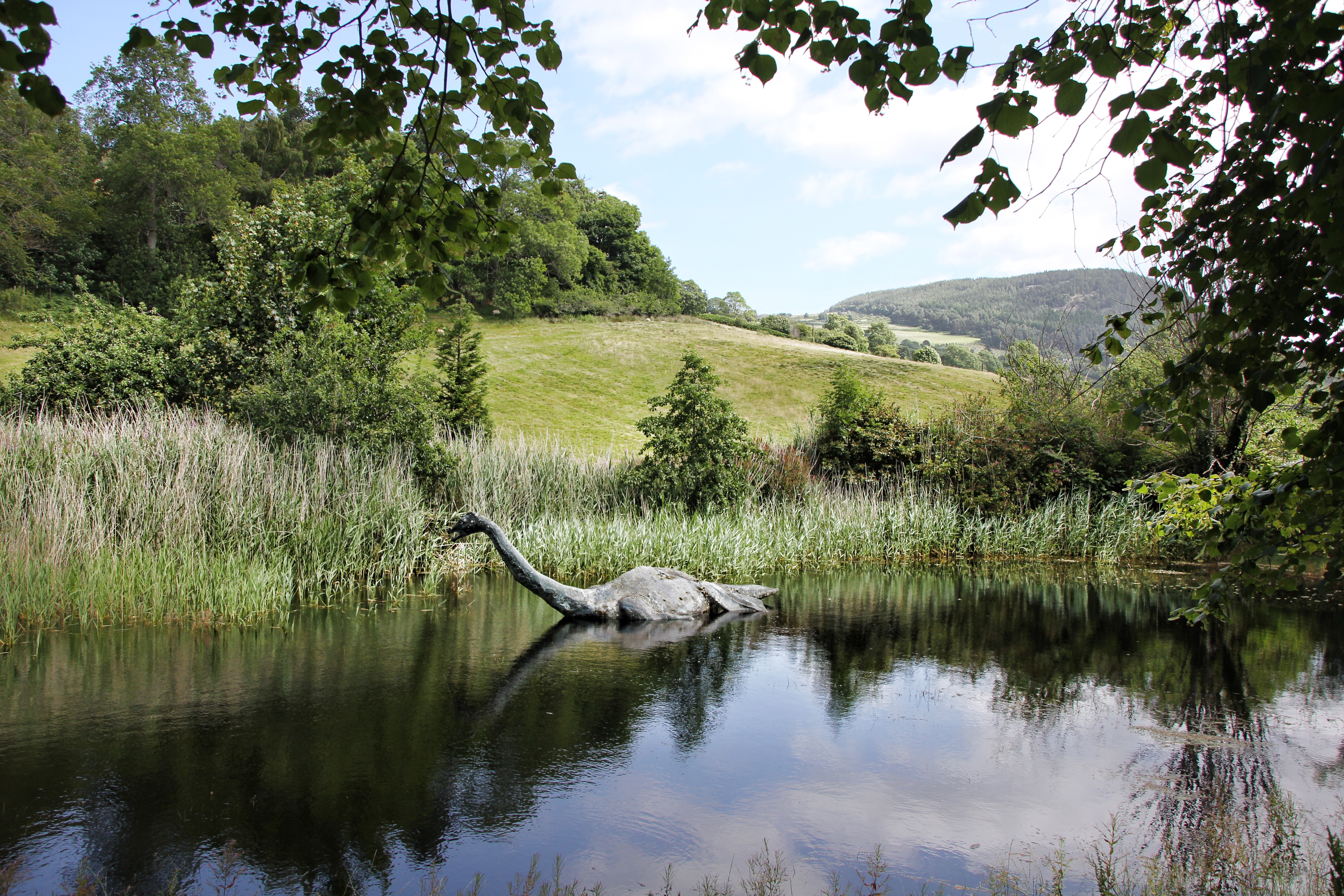
Earliest accounts trace to the sixth century, when Saint Columba is said to have confronted a water beast near the River Ness, establishing a deep historical root for the legend[25][26]. Sightings in the early 1930s, such as George Spicer's report, ignited modern fascination and worldwide media attention[25]. The famous 1934 "Surgeon's Photograph" later proved to be a hoax, yet it cemented Nessie's global status[32][25]. Despite sonar sweeps and environmental DNA studies, no conclusive biological evidence has emerged, keeping Nessie in the realm of folklore and cultural symbol while drawing visitors to the loch[32][30].
Kelpies
Kelpies are shape‑shifting water spirits, most often appearing as beautiful but dangerous horses that tempt riders before plunging into rivers or lochs to drown them[10][9]. Some traditions hold that capturing a kelpie's bridle subdues its power, reversing the predator–prey dynamic[11]. Variants warn that kelpies can appear as alluring humans near water, functioning as cautionary tales in landscapes where waterways are both vital and perilous[10][9].
Selkies
Selkies live as seals in the sea and shed their skins to become human on land, a transformation that underpins many romances and tragedies[16]. In well‑known tales, a human steals a selkie's skin and compels marriage, but the selkie's longing for the ocean persists until she recovers the skin and returns to the sea[16][19]. The stories' emotional core has inspired retellings across songs, novels, and films, sustaining their popularity in coastal culture[19].
Tam Lin
Recorded since at least the sixteenth century, the ballad follows Janet at Carterhaugh and her encounter with Tam Lin, a mortal man enslaved by the Fairy Queen[20][22]. He faces the seven‑year fairy tithe to Hell, and Janet must pull him from the fairy host on Halloween, holding fast through his transformations to win his freedom[21][22]. Its blend of love, peril, and metamorphosis has fueled centuries of adaptations in literature and music[23].
The Cailleach (Beira), Queen of Winter
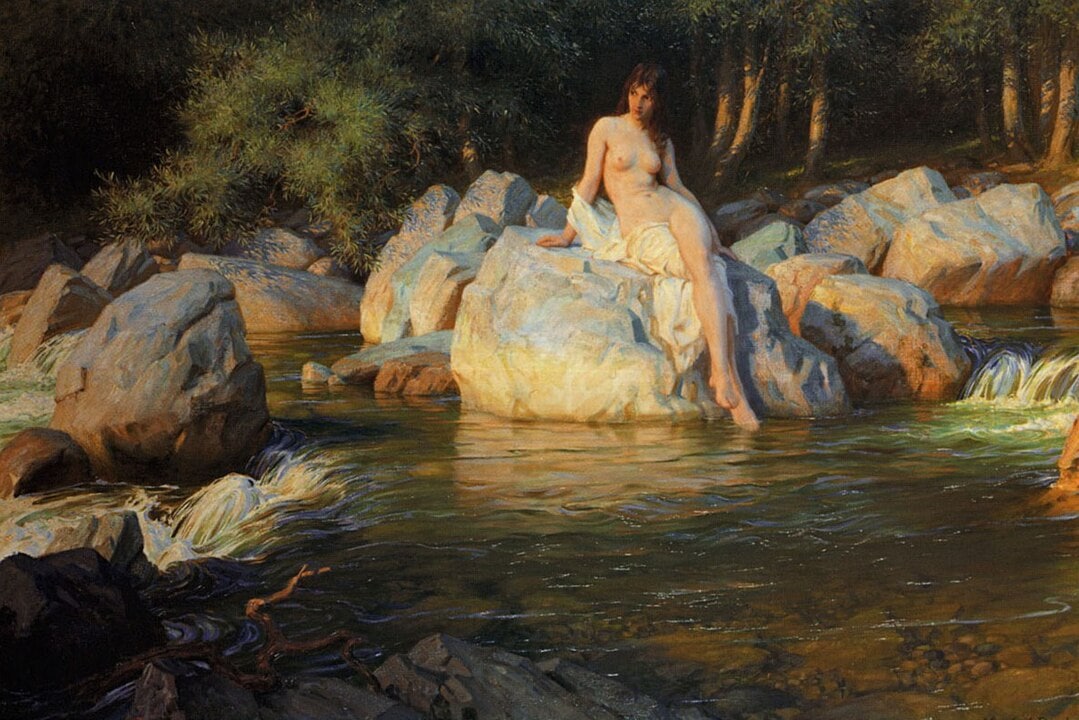
The Cailleach is an ancient hag‑deity associated with winter, storm power, and the very making of the Scottish landscape, often portrayed with striking features like a single eye and wintry coloring[55][56]. She figures in lore of mountain and loch formation and is said in some traditions to wash her great plaid in the Gulf of Corryvreckan, wringing out gales and cold[55][56]. Seasonal cycles pair her with Bride or Brigid, reflecting winter's yield to spring, and living folk practice in Glen Lyon keeps carved figures at Tigh na Bodach linked to her story[62][64].
Brownies
Brownies are nocturnal household spirits who finish chores and farm tasks in exchange for simple offerings like milk, yet they resent clothing gifts and vanish if insulted[34][35]. Their helpful yet capricious nature made them symbols of domestic luck in Scottish homes and stories[34][37].
Bean Nighe, the Washer at the Ford
The Bean Nighe is a Highland death omen who washes shrouds or bloodied garments by lonely streams, foretelling the passing to come[40][41]. Some traditions say she is the spirit of a woman who died in childbirth, and that those who manage a careful approach may gain answers about fate[48][44]. Her eerie appearance varies by locale, including unusual features like webbed feet or a single tooth in some accounts[41].
Blue Men of the Minch
Sailors in the Minch speak of blue‑skinned men who stir storms and challenge captains in rhyming couplets, granting safe passage if the reply is skillful[49][51]. Interpretations range from personifications of dangerous seas to theories linking the lore to historical encounters, but the legend endures in maritime culture[50][53].
The Fairy Flag of Dunvegan
Clan MacLeod's Fairy Flag at Dunvegan Castle is said to be a gift from a fairy bride, to be unfurled in dire need for supernatural aid, with traditions claiming it turned battles and saved herds from plague[65][66]. Later retellings emphasize a three‑wishes motif, with lore that a final use could decide the clan's fortune[67].
Robert the Bruce and the Spider
The widely told story of King Robert watching a spider persist at web‑building has come to symbolize perseverance in Scotland and regularly appears in national roundups of the country's best‑known tales[2][6].
Haunted Scotland: Gray Lady of Glamis and the Gorbals Vampire
Scotland's ghost lore includes castle apparitions like the Gray Lady of Glamis and urban panics like Glasgow's mid‑twentieth‑century Gorbals Vampire, both of which circulate through guidebooks and popular retellings as part of the national folklore landscape[5][4].

Patterns, places, and why these tales endure
Water looms large, from Nessie's deep loch to river‑haunting kelpies and storm‑rousing Blue Men, reflecting environments that sustained and imperiled communities[1][25][10][49]. Domestic and otherworldly realms intersect in the kindness of Brownies and the dread of Bean Nighe, balancing protection with peril in everyday life[34][40]. Mythic figures like the Cailleach link weather and landforms to human cycles, while clan relics such as the Fairy Flag ground supernatural aid in place and kinship[55][65]. These narratives remain visible through curated national story lists, local lore initiatives, and on‑site traditions that keep the stories in public circulation[6][7].
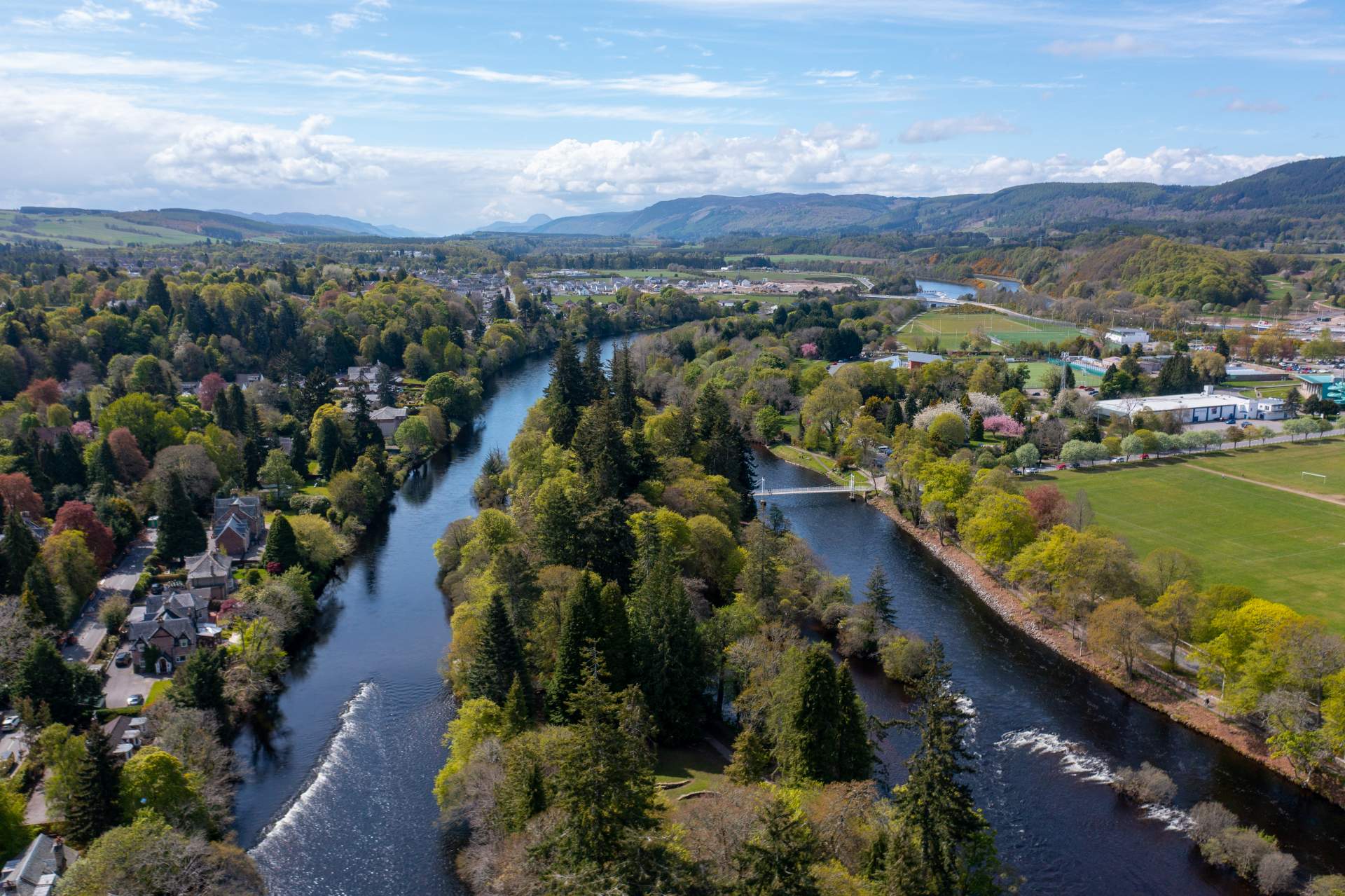
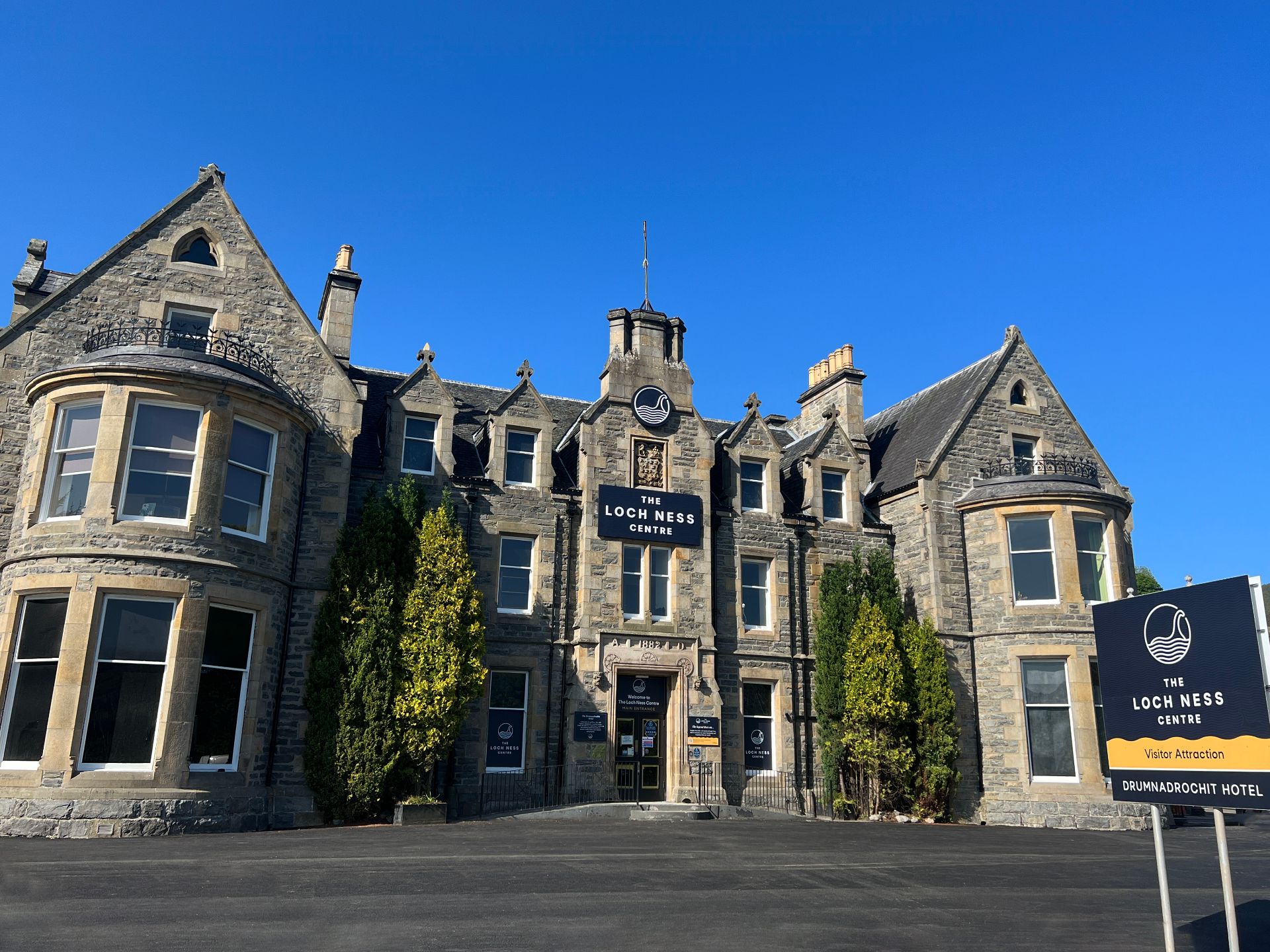
For visitors and learners today, Nessie lore is actively interpreted around Loch Ness and Inverness[30]. Dunvegan Castle on Skye displays the Fairy Flag with the clan's legendarium[65]. Public history channels and tours continue to share winter lore of the Cailleach and other stories, showing how myth and place remain entwined[56].
Concise list of the most famous Scottish mythic tales

Get more accurate answers with Super Pandi, upload files, personalized discovery feed, save searches and contribute to the PandiPedia.
Let's look at alternatives:
- Modify the query.
- Start a new thread.
- Remove sources (if manually added).
 Curated by Joan