Could you please find the most famous mythological tales in Spanish folklore please? Provide maybe the top 6 tales with the name of the tale and a two paragraph description of each tale.
An Exploration of Spain's Most Famous Mythological Tales
Spanish folklore is a rich and diverse tapestry woven from the country's varied history, reflecting a blend of Iberian, Celtic, Roman, and Moorish influences. These tales, passed down through generations, serve not only as entertainment but also as cultural touchstones that convey values, fears, and historical memory. From heroic knights and tragic lovers to cautionary monsters and whimsical creatures, these stories offer a window into the soul of Spain. This report explores six of the most famous and enduring mythological tales that continue to capture the imagination and shape cultural identity across the nation's distinct regions.
Heroism, Love, and Tragedy
Among the most celebrated narratives in Spanish folklore are those that explore grand themes of courage and doomed romance. These stories often feature larger-than-life figures whose actions and fates have become legendary, inspiring art, literature, and annual celebrations that keep their memories alive.
Saint George and the Dragon (San Jorge y el Dragón)
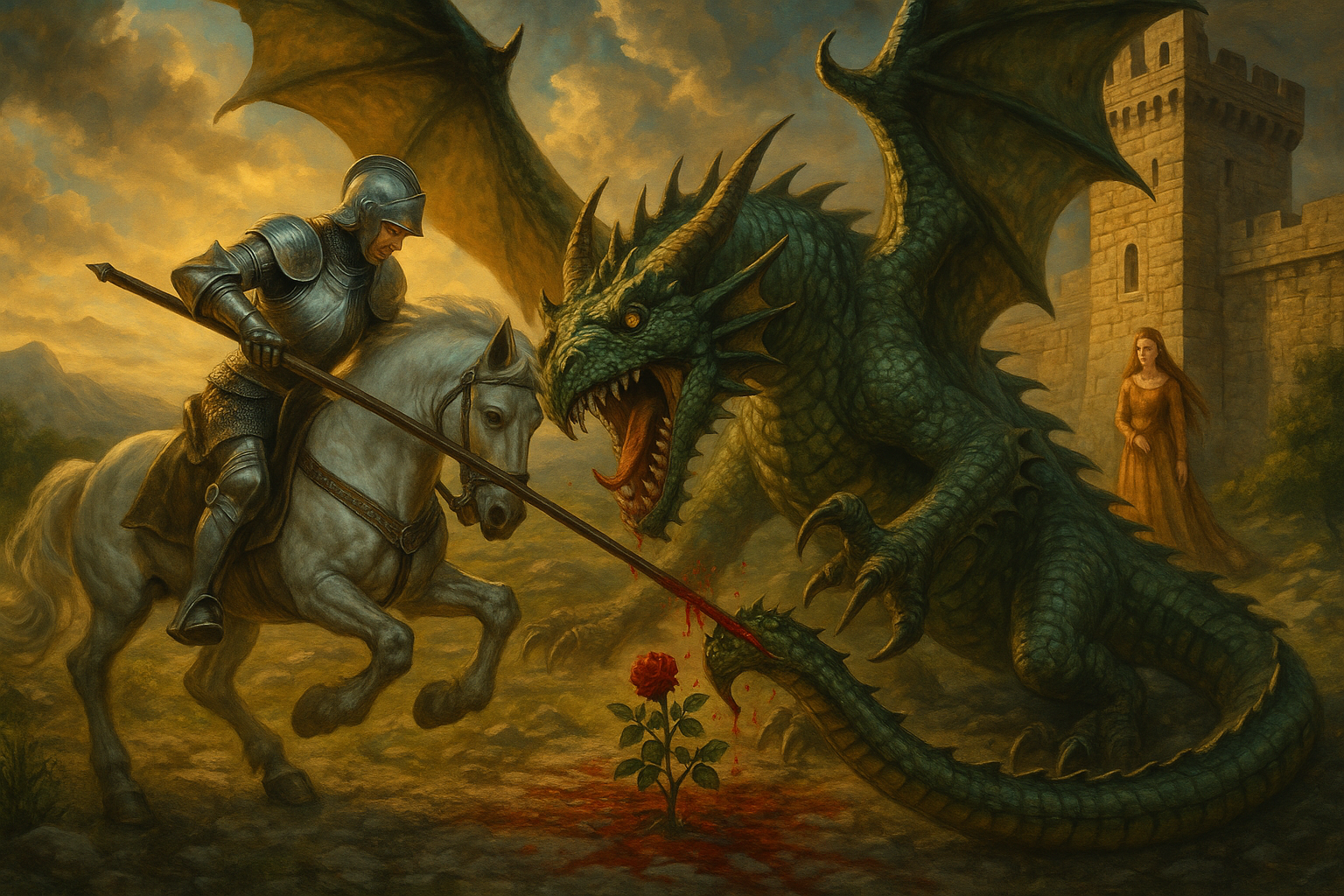
The legend of Saint George and the Dragon is one of Spain's most iconic heroic tales, particularly associated with the town of Montblanc in Catalonia. The story tells of a ferocious dragon that terrorized the local villagers, compelling them to offer daily sacrifices to appease the beast. When the local princess was chosen by lot to be the next victim, a valiant knight named George appeared to confront the monster.
San Jorge bravely fought and slayed the dragon, saving the princess and liberating the town from its reign of terror. According to the legend, a bush of red roses miraculously sprang from the ground where the dragon's blood was spilled. The knight then plucked the most beautiful rose and presented it to the princess. This tale of chivalry and good triumphing over evil is commemorated annually on Saint George's Day (La Diada de Sant Jordi) in various regions of Spain, where it is traditional for men to give women roses.
The Slaying of the Dragon by Saint George
An artistic depiction of the knight San Jorge in the act of slaying the fearsome dragon to save the princess, with a red rose bush beginning to bloom from the dragon's blood.
The Lovers of Teruel (Los Amantes de Teruel)
A cornerstone of Spanish romantic folklore is the tragic tale of the Lovers of Teruel. The story centers on Isabel and Diego, two childhood sweethearts whose love was thwarted by familial and societal pressures. Diego, lacking wealth, was denied Isabel's hand in marriage and was given a period of time to make his fortune. He left Teruel, promising to return and claim his bride.
Unfortunately, timing and misfortune conspired against them. Diego returned just as the deadline passed, only to find that Isabel, pressured by her family, had just married another man. Overcome with grief, Diego sought one last kiss from her, which she denied. The heartbreak was too much for him to bear, and he died at her feet. The next day at his funeral, Isabel, consumed by remorse and sorrow, gave him the kiss she had denied him in life and died embracing him. Their story has become an enduring symbol of doomed love in Spanish culture, inspiring countless works of art and literature.
Cautionary Figures and Moral Fables
Spanish folklore is also populated by darker figures and tales that serve as warnings or moral lessons. These stories often feature supernatural beings or cursed individuals whose fates are meant to instill good behavior in children or caution against sin and hubris.
El Coco: The Boogeyman
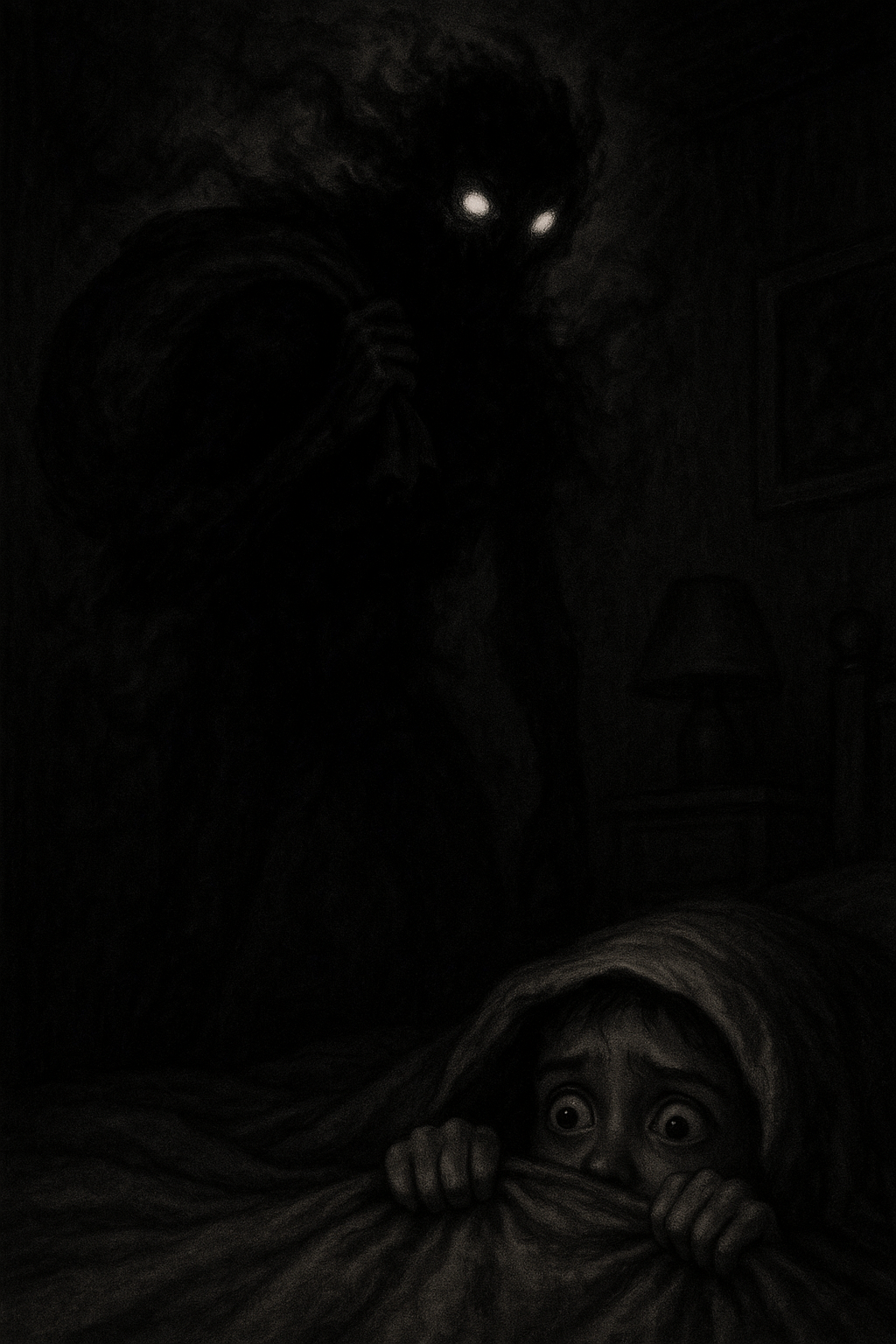
El Coco, also known as the Boogeyman, is a ubiquitous figure in Spanish folklore used by parents to frighten children into obedience. This character is a shape-shifting, monstrous being, often described as a shapeless monster who roams the streets with a large black bag. The specific appearance of El Coco is intentionally vague, allowing it to embody whatever a child might fear most.
The primary function of this legend is to serve as a cautionary tale. Parents warn their children that if they do not behave, El Coco will come to steal them away or even devour them. This myth has been a long-standing tool for discipline, representing the mysterious and dangerous consequences of disobedience, and remains one of the most well-known folkloric figures in the Spanish-speaking world.
The Shadow of El Coco
A terrifying, shadowy depiction of El Coco, the Spanish boogeyman, lurking in a dark room, embodying the fears of misbehaving children.
The Eternal Punishment of Count Arnau (Comte Arnau)
Originating from Catalan folklore, the ballad of Count Arnau is a grim moral tale about a nobleman whose sins condemn him to an eternal punishment. The story recounts the misdeeds of a lecherous and powerful count who abused his authority and neglected his feudal and personal obligations. His transgressions were numerous, painting him as a figure of unchecked greed and lust.
For his earthly sins, Count Arnau is cursed to ride for eternity through the land on an undead horse. He is perpetually accompanied by demonic hounds, and his flesh is seared by burning flames. This haunting image of a damned soul in endless torment serves as a powerful warning against the abuse of power and the failure to uphold one's duties, making it one of the region's most enduring cautionary legends.
Whimsical and Mythical Beings
Beyond epic heroes and terrifying monsters, Spanish folklore is rich with tales of magical creatures, both benevolent and mischievous. These beings often interact with humans in surprising ways, from rewarding children for their lost teeth to guarding ancient, hidden treasures.
Ratoncito Pérez: The Tooth Mouse
A much-loved figure in Spanish folklore, particularly among children, is Ratoncito Pérez, a small mouse who performs a role similar to that of the Tooth Fairy. According to the story, when a child loses a baby tooth, they place it under their pillow before going to sleep. During the night, Ratoncito Pérez visits their bedroom to collect the tooth.
In exchange for the lost tooth, the little mouse leaves a small gift or a coin for the child to find in the morning. This endearing tradition has been cherished for generations. The character is so beloved that the city of Madrid has even installed a commemorative plaque in his honor, cementing his place as a significant and gentle figure in Spain's cultural mythology.
The Cuélebre: Guardian of Treasures
The Cuélebre is a prominent creature from the mythology of the northern Spanish regions of Asturias and Cantabria. It is described as a giant, serpentine, dragon-like being that possesses bat wings. These formidable creatures are known primarily as guardians of immense, hidden treasures.
The legend of the Cuélebre is part of a broader tradition of mythological beings that inhabit the Spanish landscape, including mischievous imps known as Duendes and benevolent fairies called Anjanas. While Duendes are known for causing trouble in households, Anjanas are said to help those who are lost and heal the hurt. The Cuélebre, however, stands out as a powerful and ancient protector of riches, a fearsome obstacle for any would-be treasure hunter.
Conclusion
The mythological tales of Spain are as varied and vibrant as the country itself. From the chivalrous deeds of San Jorge to the cautionary legend of El Coco, these stories provide more than simple entertainment. They are a living part of Spain's heritage, reflecting the nation's values, its historical struggles, its romantic heart, and its deep connection to the mysteries of the natural and supernatural worlds. These six tales represent just a fraction of a vast folkloric tradition that continues to be told, celebrated, and passed on to future generations.
Get more accurate answers with Super Pandi, upload files, personalized discovery feed, save searches and contribute to the PandiPedia.
Let's look at alternatives:
- Modify the query.
- Start a new thread.
- Remove sources (if manually added).
 Curated by Joan