100
Unveiling the "Sleep" Secrets of Plants
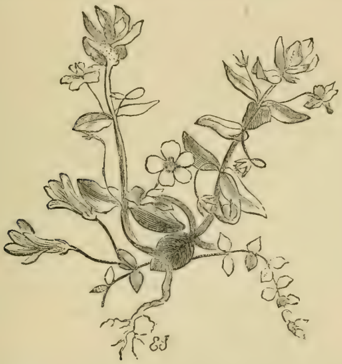
🧵 1/6
🧵 2/6
🧵 3/6
🧵 4/6
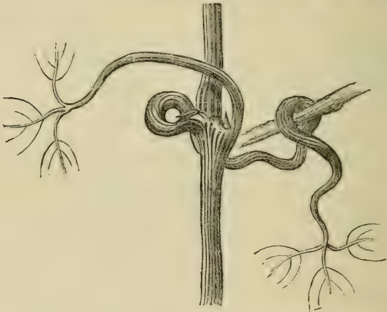
🧵 5/6
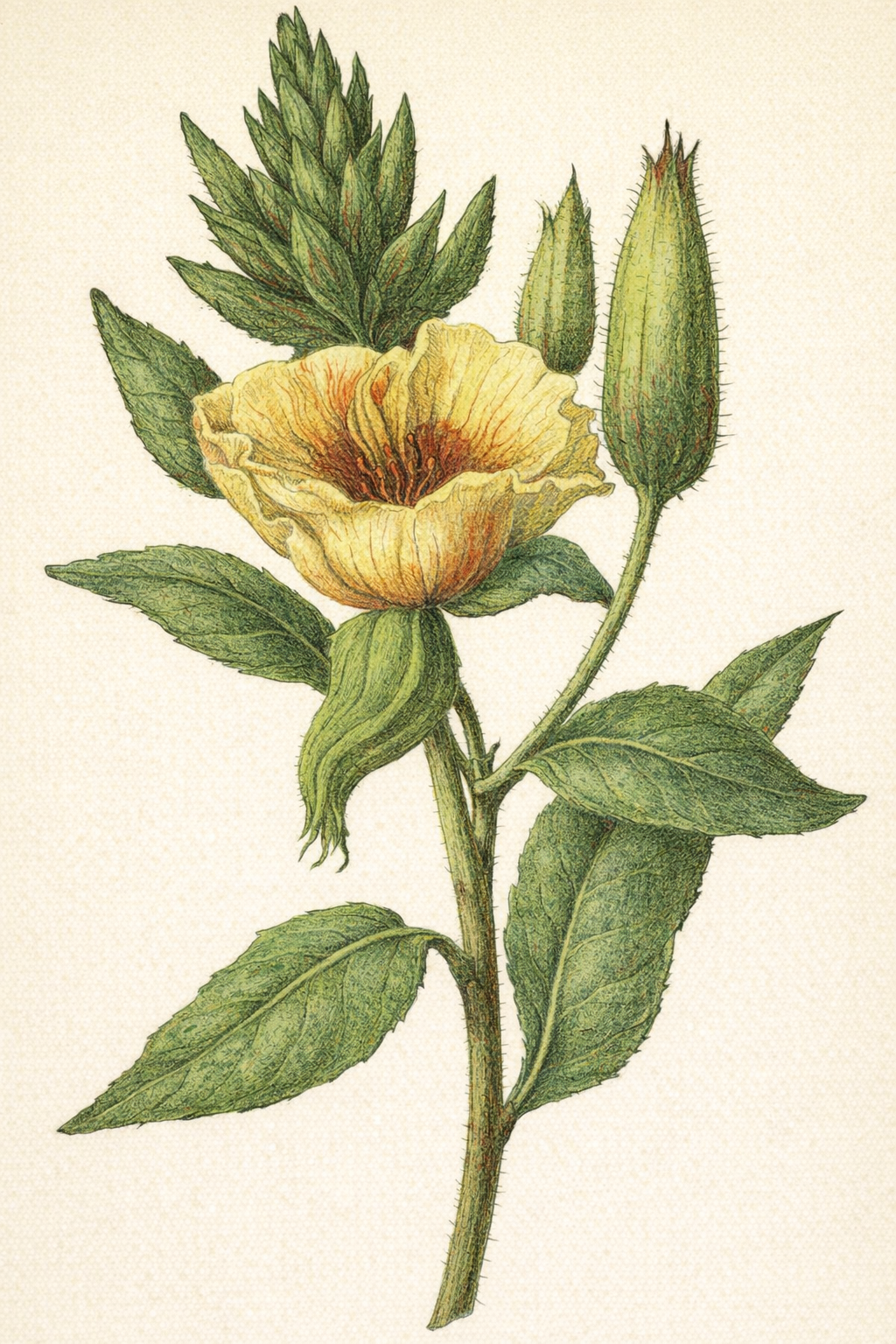
🧵 6/6
Sign Up To Try Advanced Features
Get more accurate answers with Super Pandi, upload files, personalized discovery feed, save searches and contribute to the PandiPedia.
Sorry, Pandi could not find an answer.
Let's look at alternatives:
- Modify the query.
- Start a new thread.
- Remove sources (if manually added).
Related Content From The Pandipedia
What was the true cause of the "Rain-tree" phenomenon in the Peruvian Andes?. This question seeks the scientific explanation for the observed "rain" from the Pithecolobium saman tree. The answer reveals it was due to cicadas sucking plant juices and squirting fluid.Why REM dreams vanish so fastHow do fish sleep?Documentaries on the origins of trance musicTest your knowledge of sleep scienceWhy did many people in preindustrial Europe sleep in two shifts?. Center the post on a simple night timeline showing first sleep, a waking interval, and second sleep, with one key takeaway. Add one modern connection about how artificial light reshaped sleep expectations.Discover the natural glow of phosphorescent plants.Why small cozy corners calm usAurora-lit Art Deco lighthouse loungeHow Well Do You Know Carnivorous Plants?How does blue light affect circadian rhythm?Generate a short, engaging audio clip from the provided source. First, summarize the main idea in one or two sentences, making sure it's clear and easy to understand. Next, highlight one or two interesting details or facts, presenting them in a conversational and engaging tone. Finally, end with a thought-provoking question or a fun fact to spark curiosity!What defines humor's role in human social bonding?Explanations of Mysterious Phenomena in "The Moon Pool"