What is unique about the Lake of Cirknitz in the Julian Alps?. Explain the unique hydrological cycle of the Lake of Cirknitz, where its waters periodically drain away to reveal a fertile bed for human activities before naturally refilling. This phenomenon allows for fishing, hunting, and farming on its bed at different times.
The Enigmatic Lake of Cirknitz: A Hydrological Marvel of the Julian Alps
Nestled among the Julian Alps in the region of Krain, the Lake of Cirknitz stands as a remarkable natural phenomenon, long regarded as both a wonder and an enigma[1]. Unlike conventional lakes, its existence is transient, governed by a unique and dramatic hydrological cycle. The lake's waters periodically vanish into the earth, only to return with equal suddenness, creating a landscape that transforms throughout the year. This report explores the distinct phases of this cycle, from its disappearance to its renewal, and the extraordinary way it shapes the lives of the local inhabitants, who have adapted to its rhythm.
Alpine Landscape
A landscape featuring mountains and flowing water, representative of the Julian Alps region where the Lake of Cirknitz is located.
The lake's periodic disappearance reveals a fertile bed that locals use for agriculture and hunting, only for it to be reclaimed by water, allowing for fishing once more[1]. This remarkable interplay between land and water, driven by a subterranean system of caverns and channels, makes the Lake of Cirknitz a fascinating subject of study and a testament to nature's intricate designs.
The Three Phases of the Lake's Cycle
The hydrological activity of the Lake of Cirknitz can be understood as a distinct three-phase cycle. It begins with the complete drainage of its waters, transitions into a period where the exposed lakebed becomes a productive landscape for human use, and culminates in a rapid and dramatic refilling. This recurring sequence is dictated by weather patterns, particularly periods of drought followed by heavy rainfall.
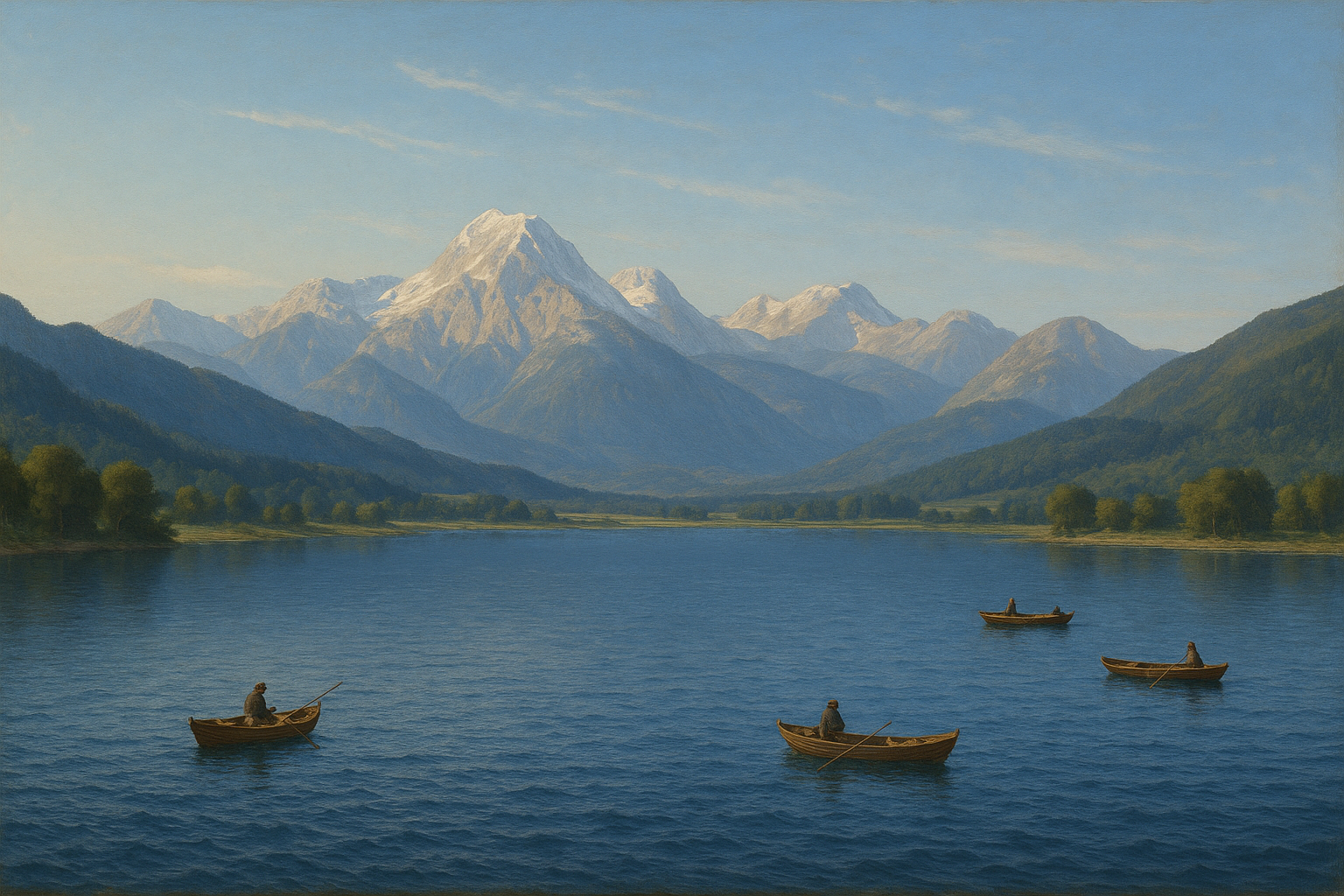
Phase 1: The Full Lake
An illustration of the Lake of Cirknitz in its full state, with calm waters reflecting the surrounding Julian Alps. Small fishing boats are visible, showcasing one of the primary activities when the lake is present.
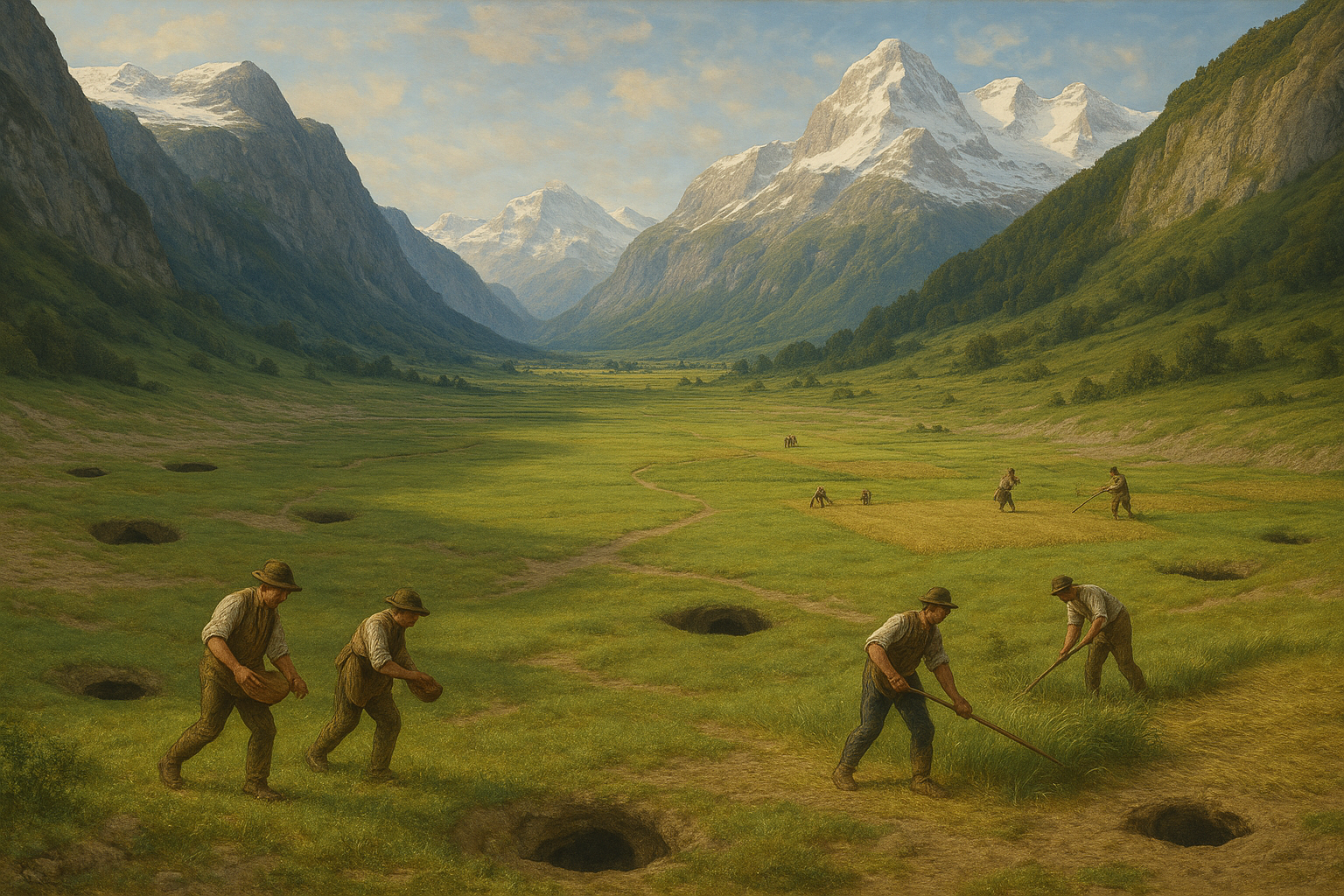
Phase 2: The Fertile Dry Bed
The same landscape, but the Lake of Cirknitz has vanished, revealing a lush, green valley. People are seen farming and tending to crops like buckwheat and millet on the former lakebed, illustrating the agricultural phase of the cycle.
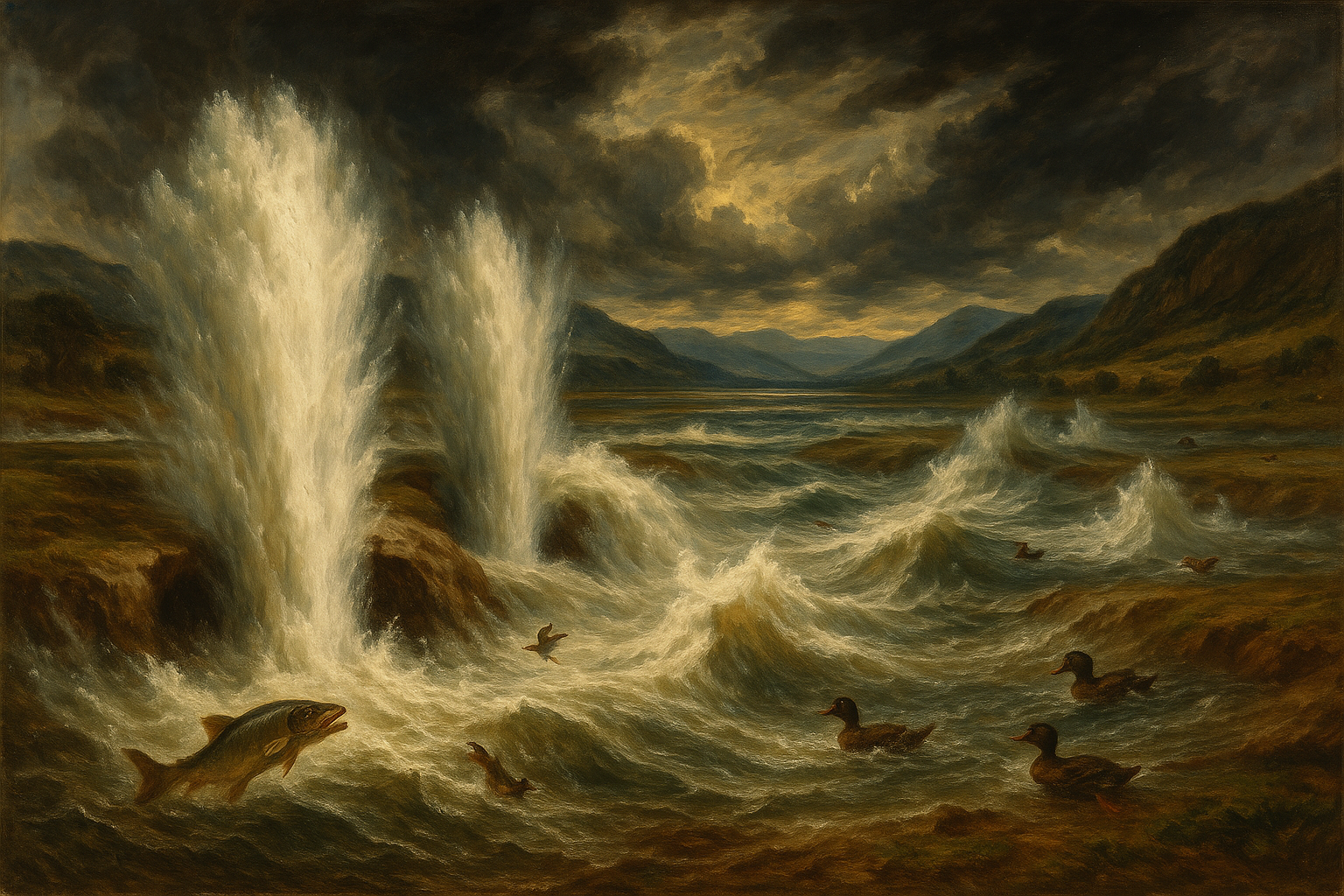
Phase 3: The Rushing Return
A dramatic depiction of the lake refilling. Water is shown gushing upwards from large openings in the ground, rapidly flooding the valley as fish and waterfowl reappear with the rising tide.
The Disappearance: A Descent into the Earth
The cycle commences after a period of drought, when the lake's waters begin to recede[1]. The drainage is not a slow evaporation but a swift descent into the earth through a series of holes and fissures in the lakebed. These openings lead to a vast network of subterranean caverns of immeasurable size, which effectively swallow the entire body of water[1]. As the water disappears into this 'lower world,' it carries the lake's aquatic life, including fish and waterfowl, along with it[1]. This process continues until the lakebed is left completely dry[1].
The Interlude: A Time for Farming and Hunting
Once the water has fully drained, the exposed lakebed transforms into a valuable resource for the local population[1]. The rich, alluvial soil is ideal for agriculture. Inhabitants seize this opportunity to engage in a variety of activities not typically associated with a lake.
This unique multiplicity of uses has given rise to the local saying that on the Lake of Cirknitz, one can fish, hunt, and reap in the same location at different times of the year[1].
The Reappearance: A Sudden Inundation
The dry period concludes with the arrival of heavy and violent rains and tempests[1]. The same subterranean system that drained the lake becomes the conduit for its spectacular return. Water rushes up with great force from the underground caverns, reversing the earlier process[1]. In a stunning display, the 'lower world throws up waves, fish, and waterfowl,' repopulating the basin as it fills[1]. The refilling is remarkably swift, with the lake being, in effect, 'created anew' within a mere twenty-four hours[1].
The Geological Explanation
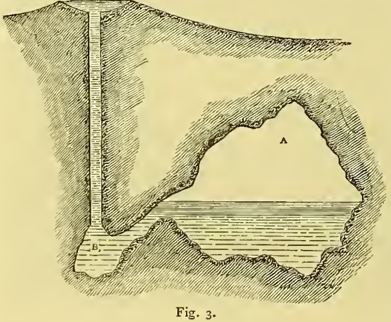
This singular phenomenon is explained by the lake's geological connection to a complex network of subterranean openings. The key to the cycle lies in the positioning of these channels, with some located at a higher elevation and others at a lower elevation than the lakebed itself[1]. During dry periods, the water table drops, and the lake drains through the lower-level openings. Conversely, when heavy rains saturate the ground and raise the water table, the immense pressure forces water up through these same conduits, rapidly refilling the basin.
Conclusion
The Lake of Cirknitz is a profound example of a dynamic landscape where geology, hydrology, and human life are intricately linked. Its periodic appearance and disappearance, driven by an underground world of caverns, creates a unique environment that supports a remarkable cycle of fishing, farming, and hunting on the very same land. This 'wonder and enigma' of the Julian Alps serves as a powerful illustration of how natural cycles can shape human culture and subsistence, forcing an adaptation that is as extraordinary as the phenomenon itself.
References
Get more accurate answers with Super Pandi, upload files, personalized discovery feed, save searches and contribute to the PandiPedia.
Let's look at alternatives:
- Modify the query.
- Start a new thread.
- Remove sources (if manually added).