100
How does Wi-Fi work in a crowded room without everyone talking over each other?
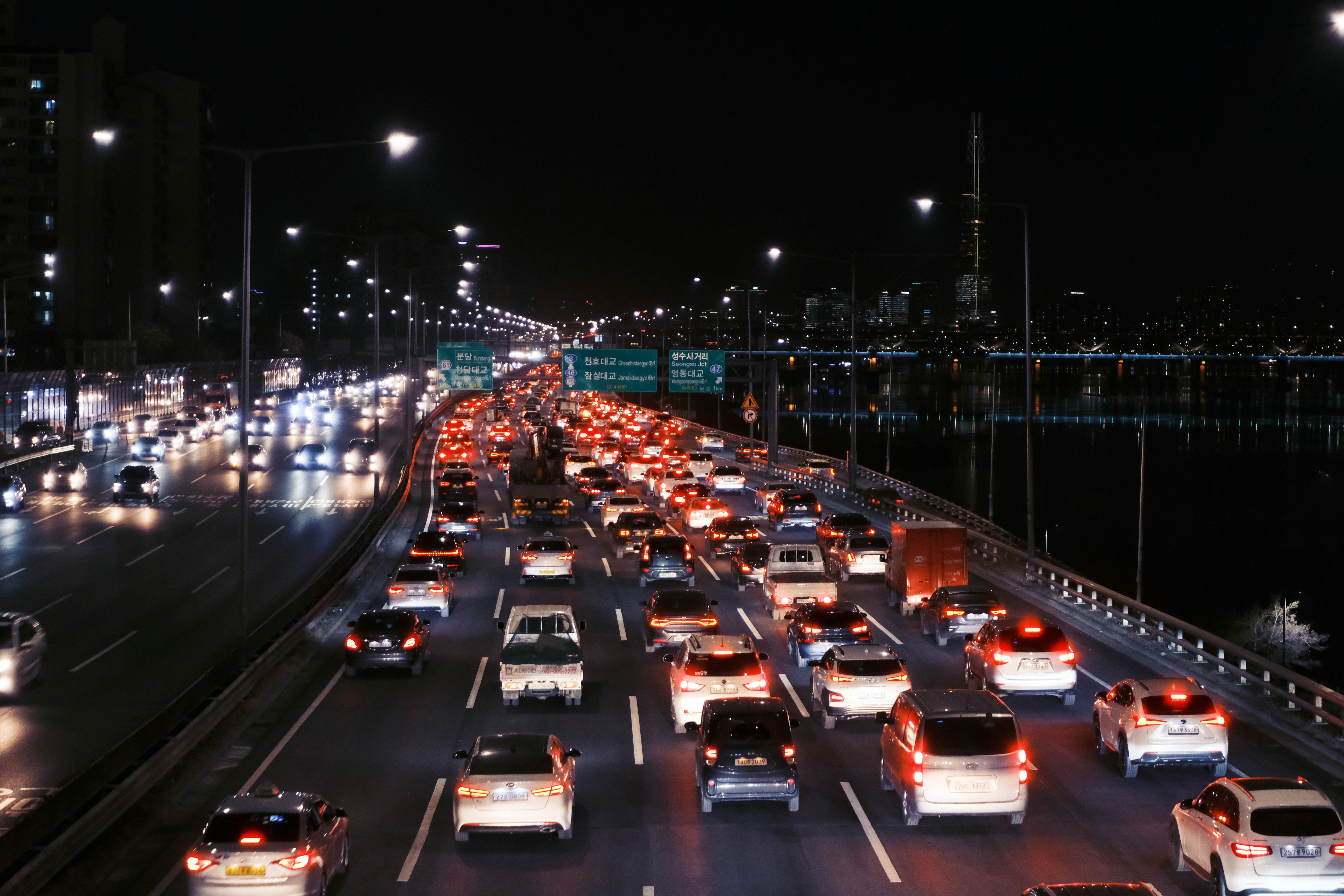
Think of a crowded room where everyone is trying to speak at once; Wi-Fi manages this chaos using a protocol called CSMA/CA, which ensures devices take turns to avoid collisions[6]. Before sending data, a device listens to the channel to see if it is clear[2][6]. If the airwaves are busy, it waits for a random period before checking again[2][6]. When too many devices compete for the same frequency, this waiting time increases, which is why you notice slower speeds in busy places like airports[1][3]. Newer Wi-Fi standards help by offering better efficiency and advanced features to handle these high-density environments more effectively[1][3].
Save this answer
Create your account to keep this answer and continue from it later.
Sorry, Pandi could not find an answer.
Let's look at alternatives:
- Modify the query.
- Start a new thread.
- Remove sources (if manually added).
Related Content From The Pandipedia
Is your Bluetooth secretly insecure?How adaptive streaming avoids bufferingHow traffic lights know when to changeHow to create an inclusive classroom environment?How does 5G technology improve mobile communication?What is the purpose of traffic signals?What role will 6G play in immersive media?Understanding Identity Mappings in Deep Residual NetworksHow elevators stop so preciselyHow does edge computing enable real time AR experiences?How your bag gets to the right planeHow to audit your own skill gaps in one minuteHow the power grid stays perfectly in sync