100
How adaptive streaming avoids buffering


🧵 1/6

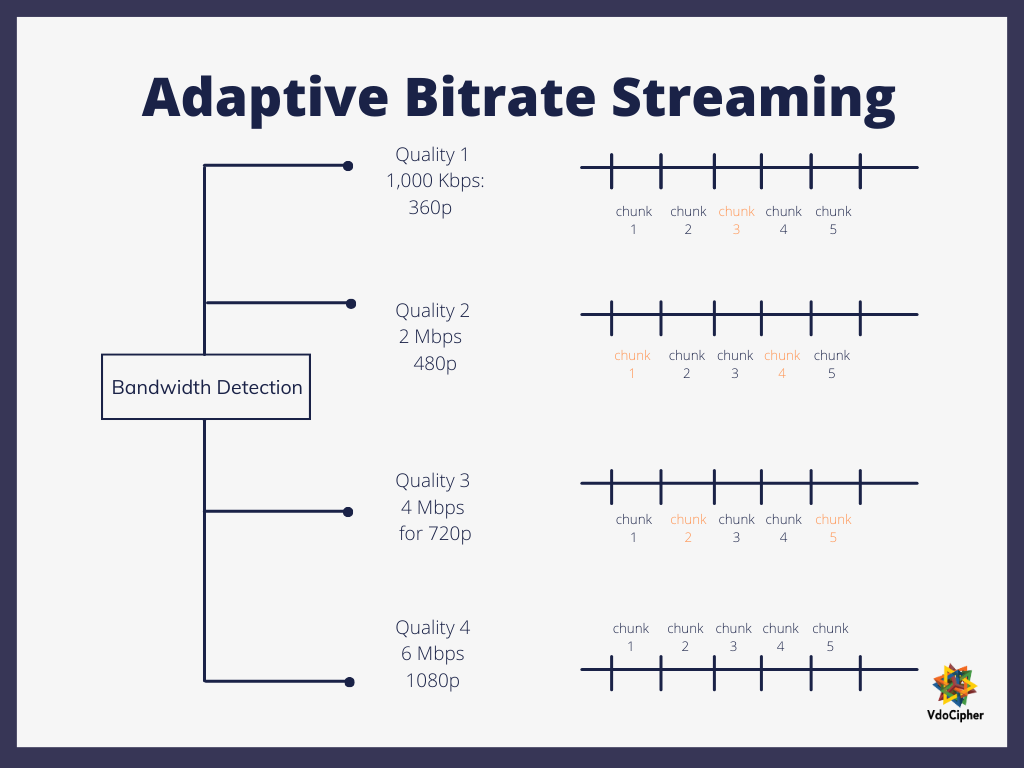
🧵 2/6
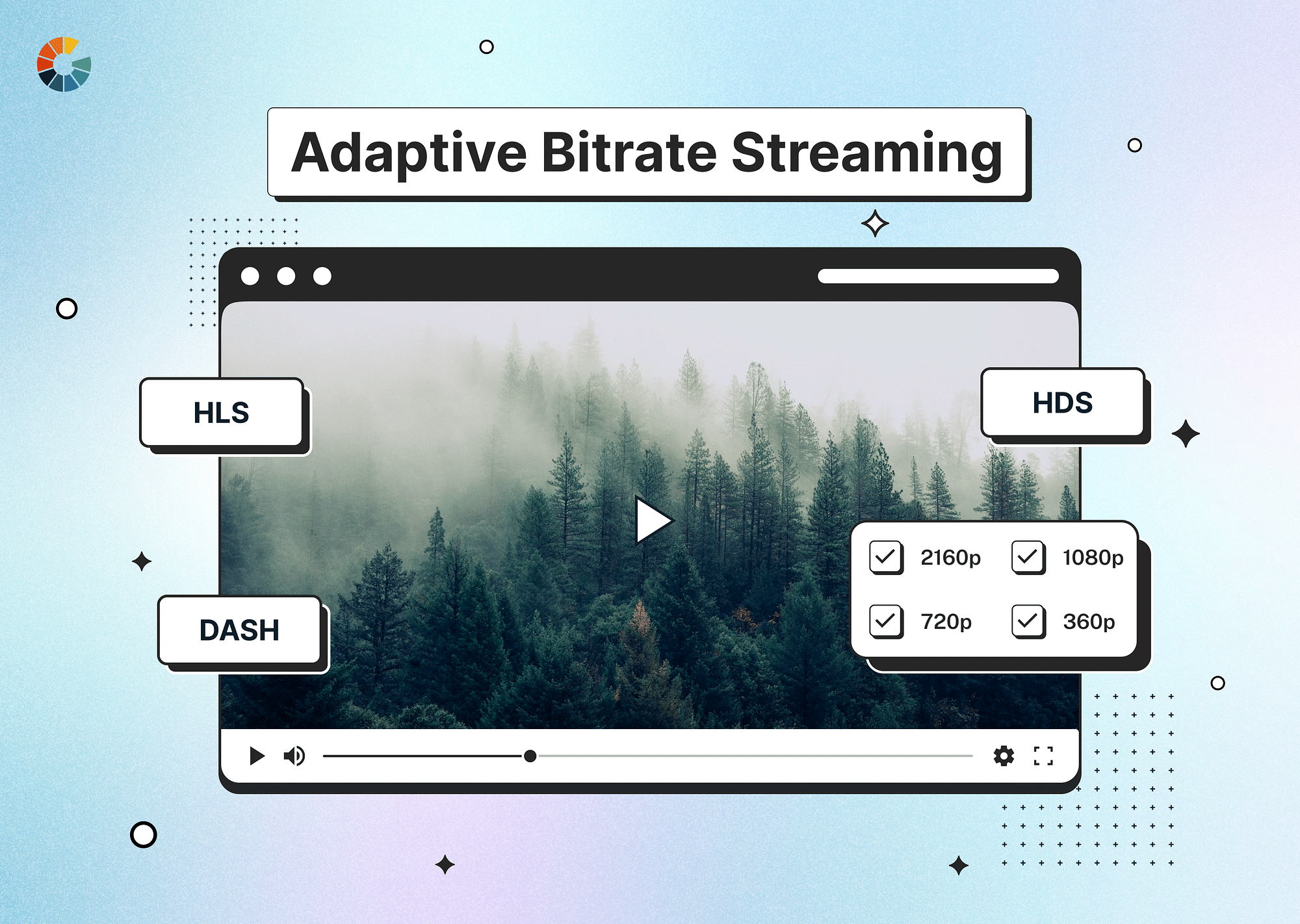

🧵 3/6


🧵 4/6


🧵 5/6

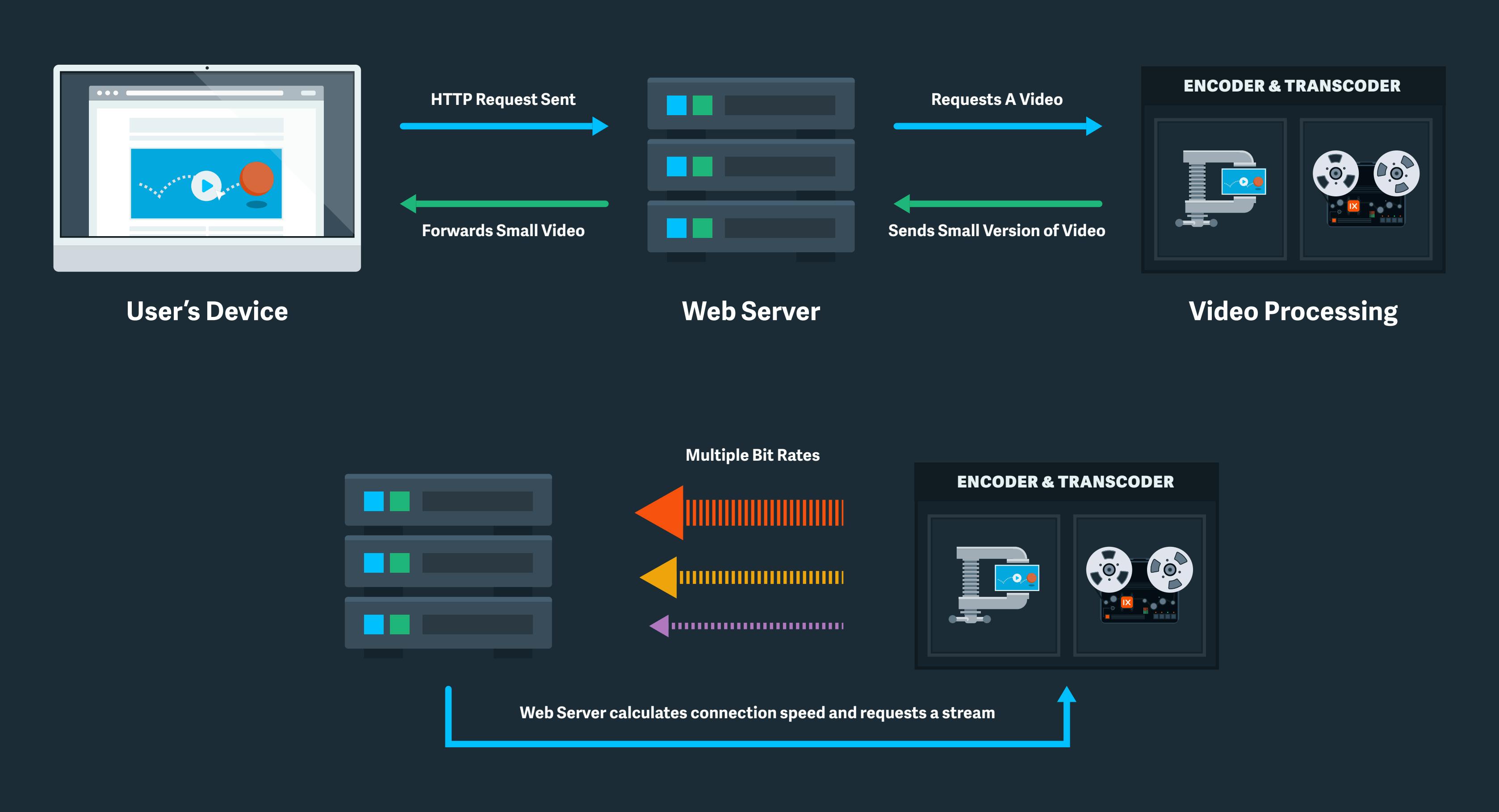
🧵 6/6
Save this answer
Create your account to keep this answer and continue from it later.
Sorry, Pandi could not find an answer.
Let's look at alternatives:
- Modify the query.
- Start a new thread.
- Remove sources (if manually added).
Related Content From The Pandipedia
How does Wi-Fi work in a crowded room without everyone talking over each other?What was the true cause of the "Rain-tree" phenomenon in the Peruvian Andes?. This question seeks the scientific explanation for the observed "rain" from the Pithecolobium saman tree. The answer reveals it was due to cicadas sucking plant juices and squirting fluid.How does edge computing enable real time AR experiences?What role will 6G play in immersive media?What Are the Benefits and Drawbacks of Sateen Sheets?Why faucet aerators feel strongerWhy do LED lights sometimes flicker on camera even when they look steady to your5 surprising facts about MIDI that changed electronic music