100
How traffic lights know when to change


🧵 1/5

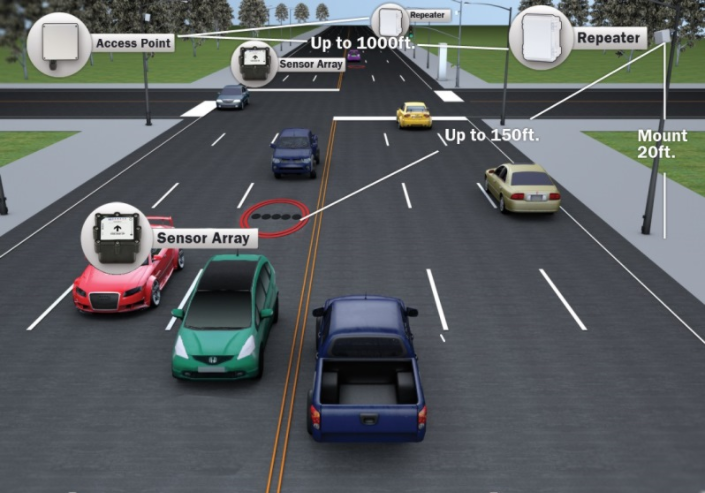
🧵 2/5


🧵 3/5
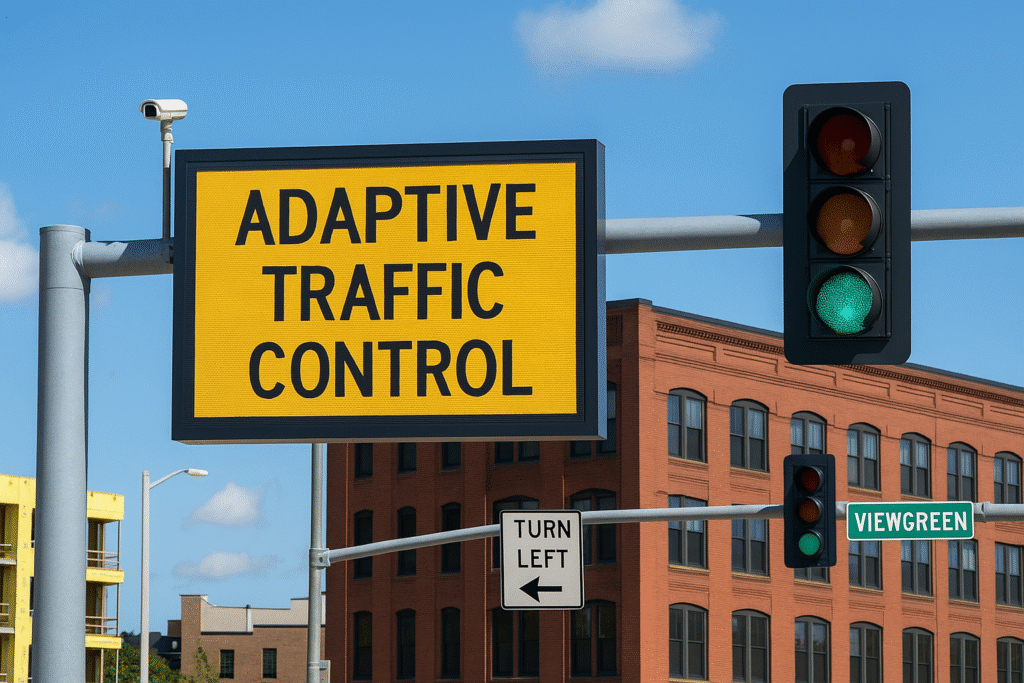
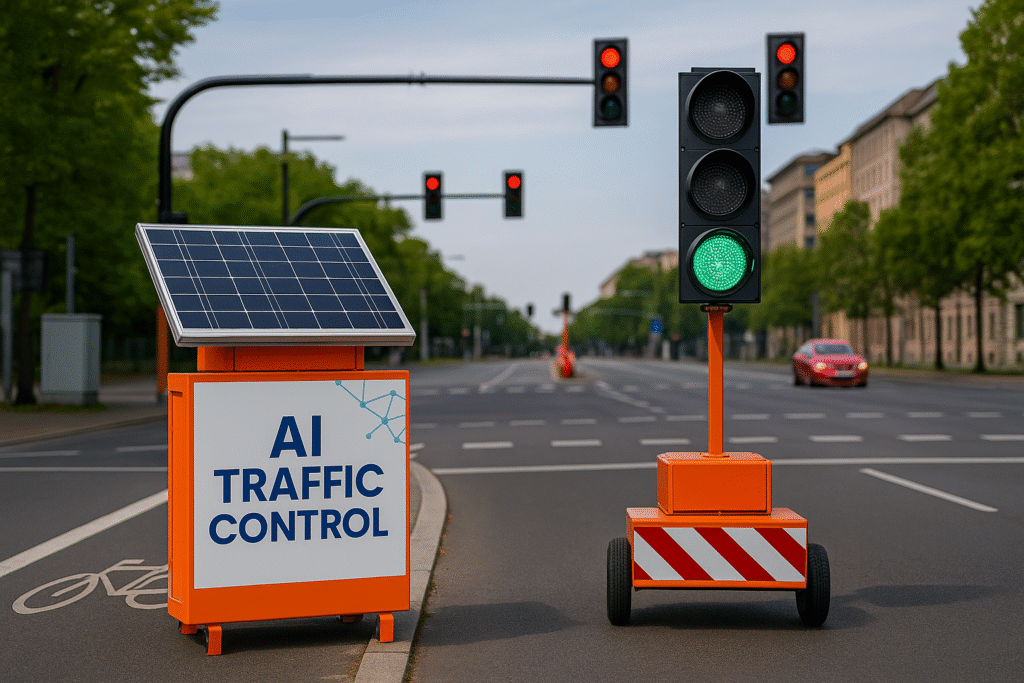
🧵 4/5

🧵 5/5
Save this answer
Create your account to keep this answer and continue from it later.
Sorry, Pandi could not find an answer.
Let's look at alternatives:
- Modify the query.
- Start a new thread.
- Remove sources (if manually added).
Related Content From The Pandipedia
How does LiDAR map the world in 3D for self-driving cars?what is more efficient a roundabout or a traffic light?What is the purpose of traffic signals?How do you make DIY soap at home?How elevators stop so preciselyWhy autofocus snaps so fastHow do self-driving cars navigate traffic?Why do LED lights sometimes flicker on camera even when they look steady to yourWho was the first surfer to surf Teahupoo?How the power grid stays perfectly in syncHow does Wi-Fi work in a crowded room without everyone talking over each other?How does a smartphone touchscreen detect your finger and track multiple touchesFive fast facts about earthquake early warning systemsWhat role does mental health play in physical well-being?Taxonomy of Wearable Sensor Modalities: From Inertial Measurement Units to Electrodermal and Biochemical Detectors