Pandipedia entry
How does LiDAR map the world in 3D for self-driving cars?
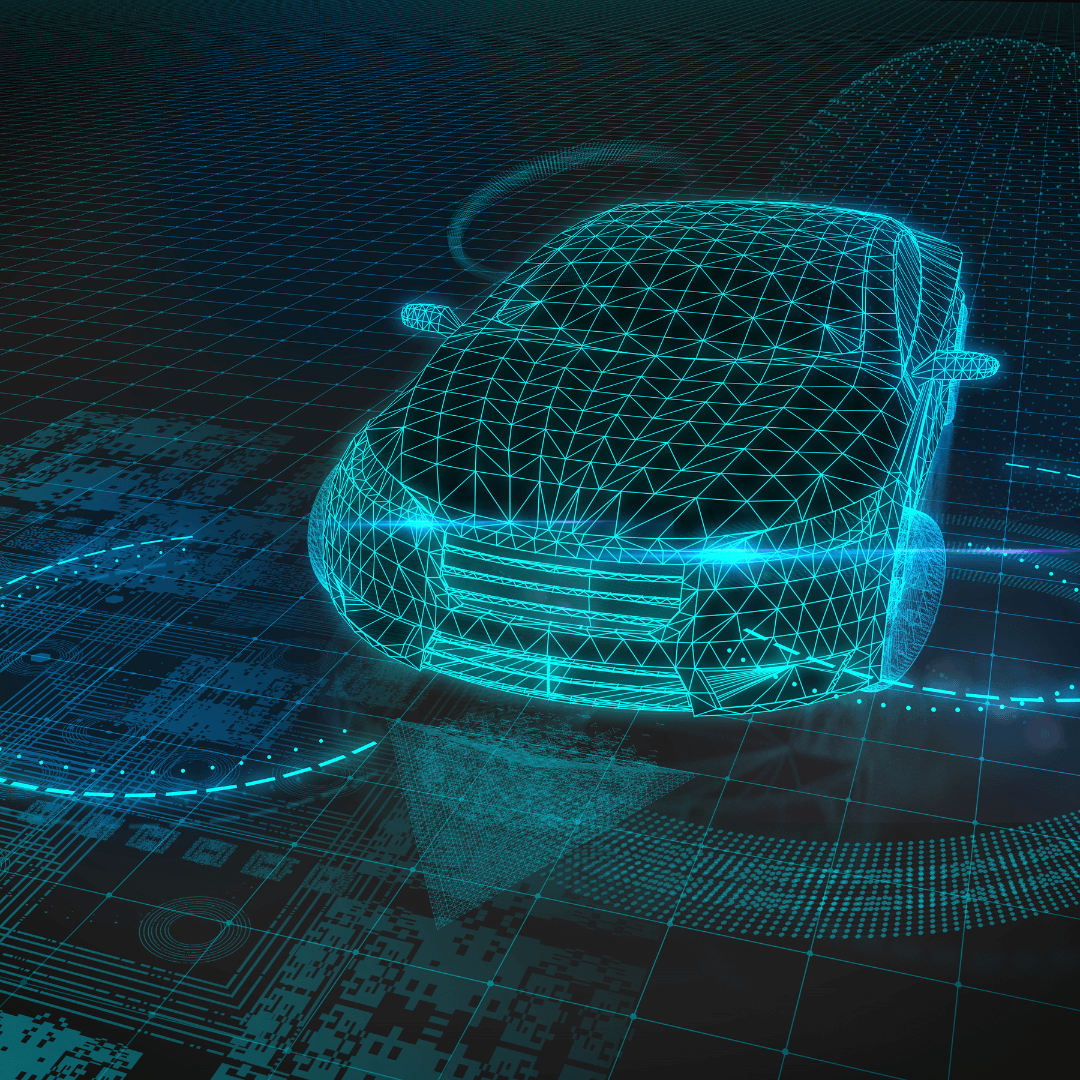
LiDAR (Light Detection and Ranging) uses laser pulses to measure distances by calculating the time it takes for the light to bounce back from objects. This method creates a dense map of the environment called a 3D point cloud, where millions of points represent various surfaces. By emitting laser pulses and tracking their reflections, LiDAR systems can quickly generate detailed 3D maps, necessary for self-driving cars to navigate safely[3].
However, LiDAR has limitations. Adverse weather conditions like rain and fog can impair its accuracy, while reflective surfaces may confuse the sensor by scattering light in unexpected ways[5].
Save this answer
Create your account to keep this answer and continue from it later.
Sorry, Pandi could not find an answer.
Let's look at alternatives:
- Modify the query.
- Start a new thread.
- Remove sources (if manually added).