
Urban Climate Migration: Planning for the Next Million Displaced Residents
Urban Climate Migration: Planning for the Next Million Displaced Residents
Overview and Context
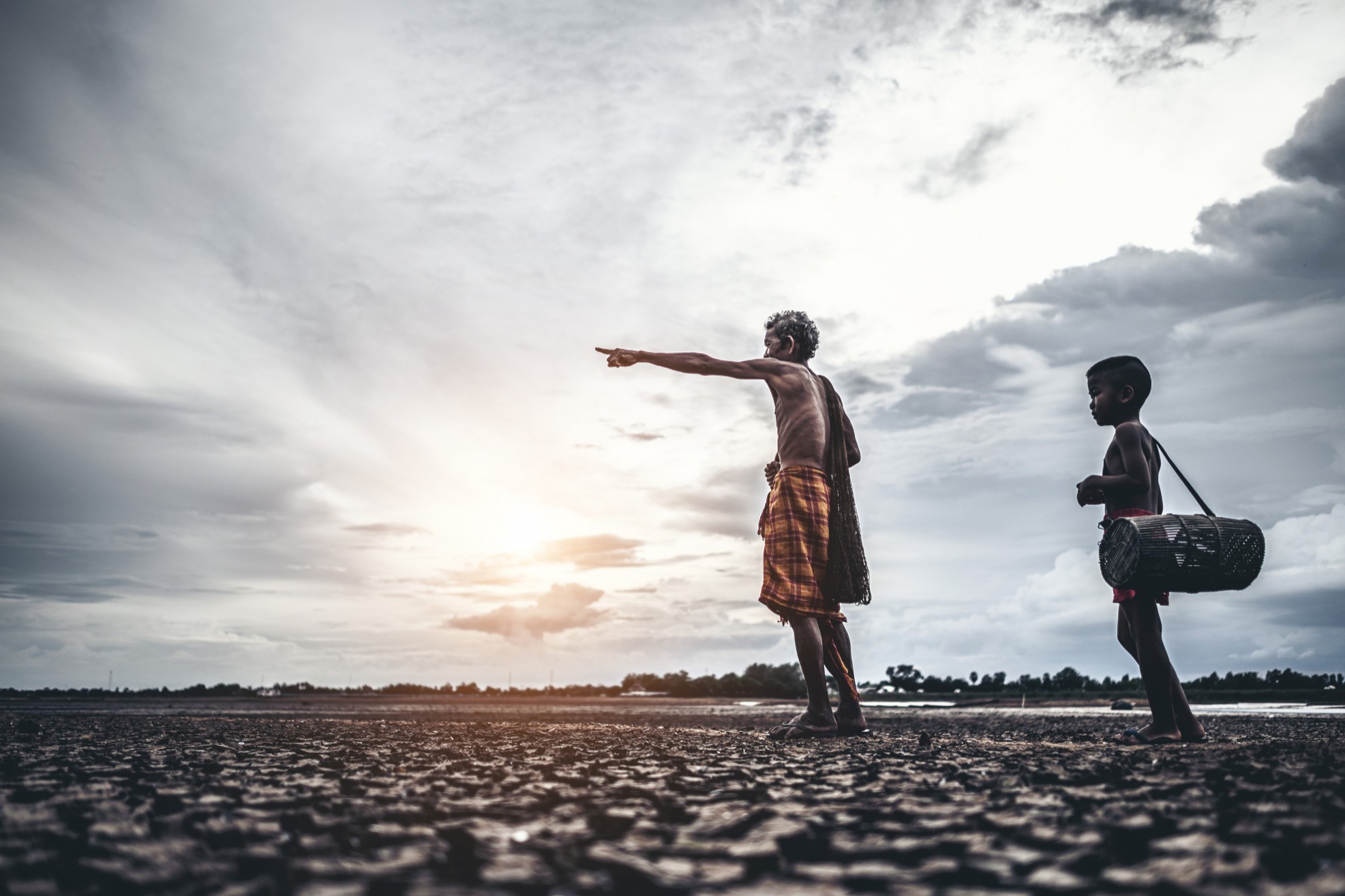
Urban climate migration is emerging as a defining challenge of our time, as millions of residents face displacement due to rising temperatures, extreme weather, and long‐term environmental degradation[4]. The pressures of climate change are no longer confined to distant future projections; instead, they are redrawing the world map now, forcing both international and internal migration and reshaping urban demographics[9].
Relocation Trends and Migration Drivers


Climate migration is driven by a combination of sudden disasters and slowly evolving environmental changes, with communities in vulnerable coastal zones, drought‐prone regions, and locations exposed to wildfires experiencing the brunt of these impacts[4]. As projections indicate that over one billion people could be displaced by climate-related disasters by mid-century, policy makers are increasingly urged to identify early warning signals and initiate planned relocation processes before communities are permanently lost[9].
Housing Policy and Social Equity


In many urban areas, housing policy is under severe stress as climate impacts expose deep-seated inequities. For instance, informal settlements – where residents lack secure tenure and essential infrastructure – are often located in hazard-prone zones and are becoming increasingly vulnerable to flooding, high winds, and other disasters[7]. The violation of the right to adequate housing has prompted urgent calls for governments to upgrade informal settlements and ensure that vulnerable populations are not further disenfranchised by climate-induced displacement[7].
Infrastructure Stress and Urban Planning


Rapid population growth resulting from influxes of climate migrants is putting increased stress on urban infrastructure. Cities that traditionally were not considered at risk are now contending with aging housing stock, inadequate water and sanitation systems, and the challenge of integrating newcomers into existing urban fabric[10]. Programs such as integrated urban planning initiatives are being developed to link spatial planning with sustainable infrastructure investment, ensuring that future developments address housing demands, transit needs, and environmental resilience simultaneously[10].
Preventing Displacement and Climate Gentrification

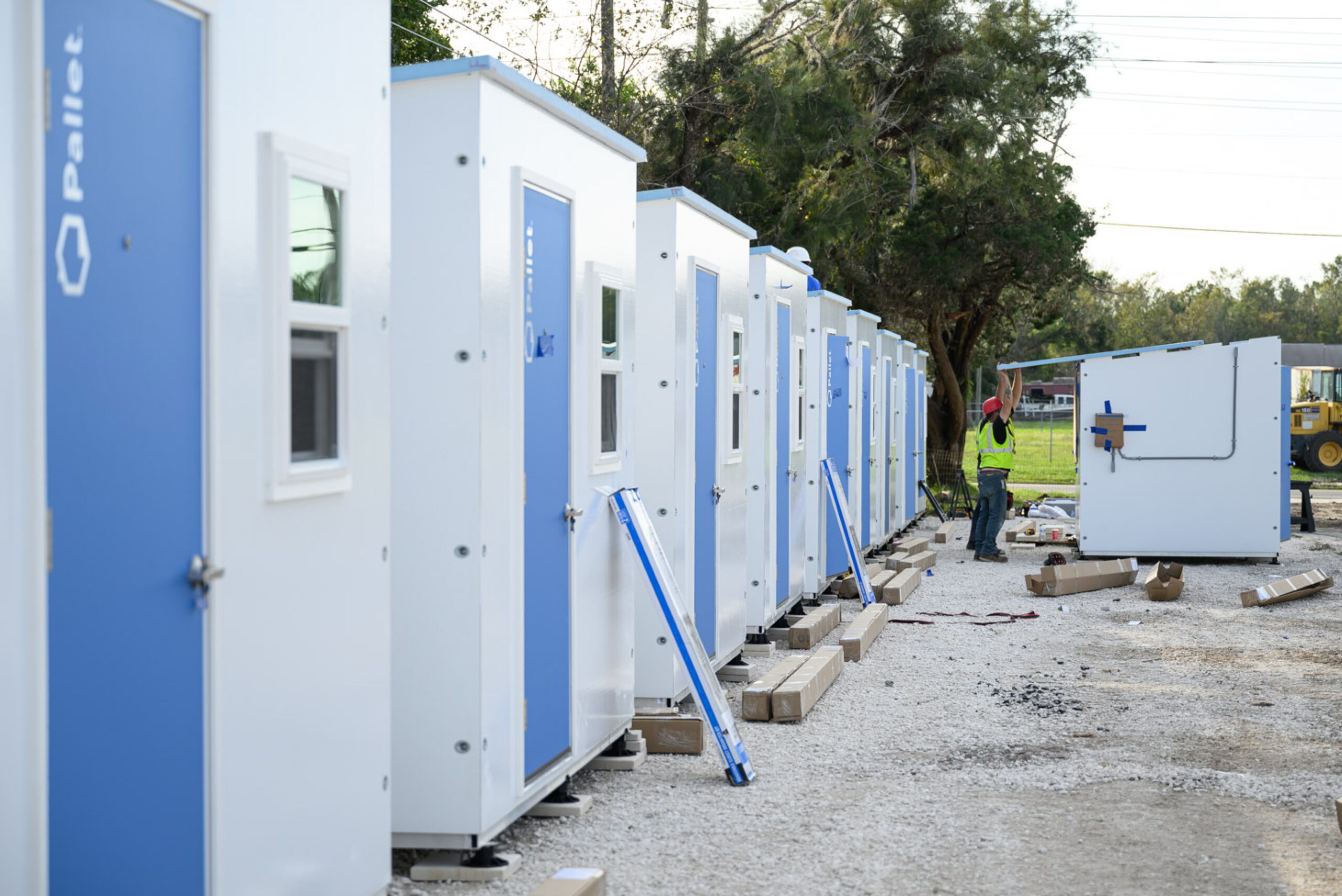
Urban areas that serve as destinations for climate migrants are at risk of climate gentrification, a phenomenon in which rising property values and infrastructure upgrades inadvertently displace lower-income residents[8]. Some cities, already witnessing early signs of this trend, are adopting proactive strategies to counter rising rental costs and ensure equitable access to affordable housing. Initiatives include community land trusts, anti-displacement zoning, and financial incentives for developers to maintain affordable units in neighborhoods undergoing rapid transformation[8].
Proactive Strategies and Inclusion Frameworks

To manage the incoming pressures of climate migration, cities are embracing a multi-pronged approach that combines early-warning systems, strategic relocation planning, and participatory governance. For example, some urban centers are integrating climate forecasts into housing policies, thereby identifying future migration hotspots and preparing resilient infrastructures in anticipation of increased demand[9]. Additionally, forward-looking governments are exploring federal and municipal frameworks that define clear decision-making processes for relocation, incorporate community-led monitoring, and ensure that vulnerable populations have a voice in proposal and planning stages[11].
Conclusion
Climate migration is reshaping urban landscapes and demanding innovative policy solutions that address both the immediate needs and long-term challenges posed by displacement. Successful planning for the next million displaced residents depends on inclusivity, proactive infrastructure investment, and strong legal and policy frameworks that protect the rights of all residents[4][7]. With coordinated efforts across local, state, and federal levels, cities can not only absorb the influx of migrants but also create resilient, equitable urban environments that serve as models for climate adaptation in an era of unprecedented change[10].
Let's look at alternatives:
- Modify the query.
- Start a new thread.
- Remove sources (if manually added).