Technology
Chronicles the advancement of technology, its applications, impacts on society, and future trends.
Introduction
Addressing sustainability in the production of high performance XR headsets requires a holistic strategy that encompasses material sourcing, circular economy design, rigorous supplier audits, and efficient end-of-life recycling models[1][2]. Manufacturers and policymakers need to integrate environmentally responsible practices while ensuring that supply chains remain resilient and efficient, reducing the carbon footprint associated with production and disposal processes[3].
Material Sourcing and Circular Product Design


For XR headsets, selecting sustainable, high-performance materials is vital to minimize both environmental and social impacts. Designers should prioritize materials that incorporate recycled content along with the potential to be easily recovered and reused at the end of life, as this approach not only reduces the need for virgin materials but also supports a circular economy model[1]. In addition, engineers play a crucial role by integrating repairability and upgradability into product designs, fostering longer product lifecycles that allow for refurbishment and component reuse[6]. XR device manufacturers can also work on modular design strategies that simplify the disassembly of headsets to effectively separate and recover valuable materials, ensuring resource efficiency throughout the product's life cycle[10].
Leveraging XR Technology for Supply Chain Optimization


XR technologies themselves can contribute to optimizing supply chains by using digital twins and immersive simulations to model logistics, forecast demand, and plan production processes, thereby reducing waste and improving resource allocation[2]. By integrating these digital approaches, manufacturers can simulate various production scenarios to identify inefficiencies and determine how to best streamline their operations, ensuring that inherent resource use is minimized while overall product performance improves[8].
Supplier Audits and Sustainability Assessments


Implementing robust supplier audits is essential to ensuring that every element of the supply chain adheres to strict sustainability and ethical standards. Companies such as Valmet and SGS demonstrate the benefits of conducting regular sustainability audits that review environmental, social, and governance (ESG) criteria, including labor rights and safety measures, to mitigate potential risks throughout the supply chain[5][15]. These audits can be supported by digital platforms, as recommended by Ecovadis, to centralize documentation and standardize key performance indicators, ensuring transparency and accountability among suppliers[14]. By leveraging data-driven assessments, companies can build a resilient supplier network that supports high performance XR headsets while upholding sustainability commitments[9].
End-of-Life Recycling and Extended Producer Responsibility


Managing the end-of-life phase of XR headsets is integral to creating a sustainable supply chain model. Recycling and refurbishment processes not only reduce landfill waste but also conserve natural resources by recovering valuable materials from used devices[11]. Advanced methods, such as those detailed in recent academic research, advocate for the development of standardized recyclability models that quantify recovered material value and guide the design process for future products[12]. Extended Producer Responsibility (EPR) policies also play a key role by requiring manufacturers to establish take-back schemes that ensure returned products are processed in an environmentally sound manner, reducing the overall ecological footprint of production and disposal cycles[11].
Actionable Recommendations for Manufacturers
Manufacturers should adopt a multi-pronged strategy to enhance sustainability in the production of XR headsets. First, prioritize the use of recycled materials and design for ease of disassembly, repair, and component reuse, thereby extending product life cycles and supporting a circular economy model[1]. Second, invest in digital simulation technologies such as VR and AR to optimize supply chain logistics, assess potential waste, and identify efficiencies in the production process[2]. Third, institute regular supplier audits with well-defined ESG targets to ensure that all partners meet high standards of environmental and social responsibility[5].
Policy Recommendations for Policymakers


Policymakers should encourage and facilitate the transition towards sustainable supply chain models by providing incentives for manufacturers to invest in circular product design and sustainable material sourcing. Policies that support Extended Producer Responsibility can help to ensure that manufacturers bear the full environmental costs of production and disposal, thereby promoting more responsible behaviors across the industry[11]. In addition, regulatory frameworks should promote transparency through mandatory sustainability reporting and supplier audits, making it easier to trace and verify the environmental performance of every component throughout the supply chain[14]. Finally, collaboration between industry stakeholders, research institutions, and government bodies is essential to develop and implement best practices and technological innovations aimed at reducing the environmental footprint of XR devices[8].
Conclusion
A comprehensive approach to the sustainable production of high performance XR headsets involves aligning circular product design, stringent supplier audits, and effective end-of-life management strategies. By incorporating recycled materials, designing for disassembly and reuse, and leveraging digital tools to optimize supply chain operations, manufacturers can reduce environmental impacts while maintaining product excellence[10]. Furthermore, clear policy frameworks that encourage transparency and accountability will support industry-wide efforts to create supply chains that are not only efficient but also socially and environmentally responsible[15]. Through collaboration and a shared commitment to sustainability, both manufacturers and policymakers can drive meaningful changes that benefit the economy, society, and the environment.
Let's look at alternatives:
- Modify the query.
- Start a new thread.
- Remove sources (if manually added).
 Curated by Joan





Let's look at alternatives:
- Modify the query.
- Start a new thread.
- Remove sources (if manually added).


Get more accurate answers with Super Pandi, upload files, personalised discovery feed, save searches and contribute to the PandiPedia.
Understanding Zipfian Distribution
Zipfian distribution describes a phenomenon where a few items in a dataset occur with high frequency while the majority appear far less often. In the context of search engines, this statistical pattern means that a small number of search queries account for a large share of total traffic, resembling how a handful of words dominate natural language usage[1][8][10][9][5][6]. This uneven distribution establishes the foundation for various operational, revenue, and competitive challenges faced by Google[3][4].
Effects on Search Algorithms and Query Processing
The heavy concentration of user queries toward a limited set of high-frequency terms forces Google to design its search algorithms with particular emphasis on these popular queries. A core consequence of this phenomenon is the long tail effect: while the bulk of searches are driven by a few common queries, a vast number of less frequent queries generate significantly fewer clicks. This disparity leads to diminishing returns on additional user data as the system encounters fewer previously unseen queries over time[1][10]. Machine learning models and components, such as those responsible for ranking authority, focus on optimizing for the most frequent queries while often struggling to deliver precise results for the rarer, long-tail searches[9]. This necessitates continual algorithmic adjustments to balance efficiency for popular queries with the need to address the full range of user behavior[1][3].
Impact on Advertising and Revenue Generation
The uneven distribution of search queries has direct implications for Google’s advertising strategy. Since a small subset of queries attracts the majority of clicks, advertisers naturally target these high-traffic keywords. As a result, Google's advertising network is built around the economic principle that the most frequented search terms yield the highest returns on investment[10][8]. This focus reinforces Google’s revenue generation model, where the value derived from a select few popular queries overshadows that of less common searches[5][4]. However, this reliance also introduces a risk: any shift in the traffic pattern of these dominant queries can potentially disrupt the stability of Google's advertising revenue, prompting the need for diversification and strategic adjustments[4][6].
Operational and Strategic Considerations
Managing a resource system inherently influenced by Zipfian distribution demands that Google allocate its technological and indexing resources with precision. The vast number of rare searches requires innovative statistical models and data management strategies to ensure that even infrequent queries are served adequately without compromising overall efficiency[2][3]. This operational challenge is compounded by the necessity to constantly update and refine ranking algorithms in response to shifting user behavior. In practice, this means that while popular queries are prioritized for fast and reliable results, significant efforts must be made to prevent neglect of long-tail queries, ensuring that the system remains responsive in a dynamic online environment[6]. The requirement to balance resource allocation between abundant and scarce queries forms a central component of Google's technical strategy[2].
Influence on User Experience and Content Diversity
The predominance of a few high-frequency queries not only shapes the technical architecture of Google’s search engine but also impacts user experience. Because users typically click on the top results, the cycle reinforces the visibility of popular websites while marginalizing lesser-known content[1][8]. This phenomenon can lead to a homogenization of search results where the same set of results is repeatedly presented to users, potentially limiting exposure to a broader range of relevant information[5][4]. While optimizing for commonly searched queries helps deliver speedy and accurate results for most users, it also risks sidelining the needs of those who use more obscure or unique search terms. The resulting imbalance challenges content creators to compete for visibility in an environment where a select few queries dominate user attention[9][6].
Market Dynamics and Competitive Pressures
The inherent characteristics of Zipfian distribution contribute directly to Google's market dynamics. Dominance in a few highly frequented search queries bolsters Google's market power by attracting a disproportionate share of advertising revenue and user traffic. This market advantage creates significant barriers for smaller search engines and competitors, which often lack the vast data resources needed to compete effectively in a landscape skewed by overwhelming query concentration[10][5]. The feedback loop established by repeated user behavior—in which the most popular queries receive even more attention—further entrenches Google's position and complicates efforts by rivals to gain market share[4][2]. These competitive pressures necessitate not only continual technological innovation but also strategic partnerships and resource investments that reinforce Google's dominant market stance.
Conclusion
The implications of Zipfian distribution for Google are extensive and multifaceted, influencing search algorithm design, advertising strategies, and overall market dynamics. By focusing on a narrow set of high-frequency queries, Google is able to optimize user experience and maximize advertising revenue; however, this focus also brings challenges such as handling long-tail queries, ensuring diverse content exposure, and maintaining competitiveness in a rapidly evolving digital ecosystem[1][8][9][4]. Operational efficiency, strategic resource allocation, and continuous innovation remain crucial for balancing these dynamics. Ultimately, Zipfian distribution continues to play a critical role in shaping both the technical and business strategies that underlie Google's success[2][6].
Let's look at alternatives:
- Modify the query.
- Start a new thread.
- Remove sources (if manually added).

Frutiger Aero declined in popularity in the early 2010s as the design industry shifted toward flat design and minimalism, largely influenced by updates like iOS 7 and Windows 8. These new styles favored simpler interfaces, moving away from skeuomorphism's glossy textures and depth, which were increasingly seen as cluttered and outdated[6][4].
Flat design aimed for efficiency, prioritizing usability and faster loading times, but in doing so, it stripped away the warmth and playful interaction of Frutiger Aero. This minimalism catered to the mobile user experience, marking a stark contrast to the vibrant, nature-inspired visuals that characterized Frutiger Aero[6][2].
Let's look at alternatives:
- Modify the query.
- Start a new thread.
- Remove sources (if manually added).









Let's look at alternatives:
- Modify the query.
- Start a new thread.
- Remove sources (if manually added).
Transcript
A mechanical watch stores energy by winding a coiled mainspring—like a tightly twisted ribbon—setting the stage for its intricate power train. The stored energy flows through a series of finely crafted gears that transmit torque precisely from the mainspring to the escapement. At the heart of timekeeping, the escapement meters the energy into steady ticks while the oscillating balance wheel regulates the beats, producing the familiar tick-tock sound. This harmonious flow—mainspring energy, gear transmission, and regulated tick-tocks—keeps time without a battery, an elegant dance of mechanical precision.
Let's look at alternatives:
- Modify the query.
- Start a new thread.
- Remove sources (if manually added).


Get more accurate answers with Super Pandi, upload files, personalised discovery feed, save searches and contribute to the PandiPedia.

Self-driving cars navigate traffic using a combination of advanced sensors and algorithms. They rely on technologies such as LiDAR, which generates three-dimensional maps by emitting laser pulses to measure distances, radar for detecting the speed and position of objects, and cameras to recognize lane lines and traffic signs[4][5]. This variety of sensors allows the vehicle to construct a detailed image of its surroundings.
The data from these sensors is processed by powerful onboard computers that interpret the information and make driving decisions. Machine learning algorithms help the car to understand and react to dynamic environments, improving its ability to handle various traffic scenarios as it learns from real-world experiences[2][4].
Let's look at alternatives:
- Modify the query.
- Start a new thread.
- Remove sources (if manually added).



Let's look at alternatives:
- Modify the query.
- Start a new thread.
- Remove sources (if manually added).



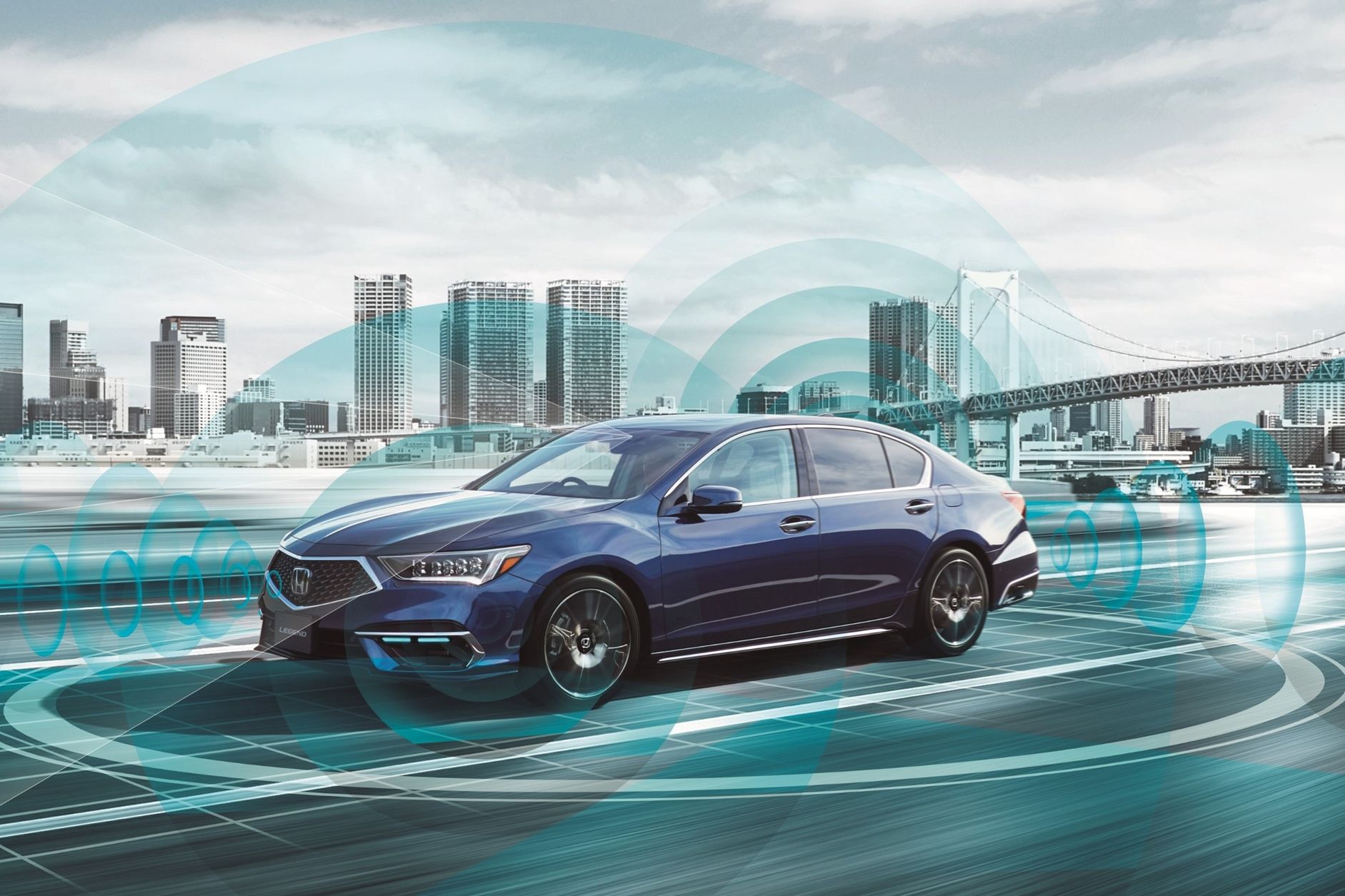
The advent of autonomous vehicles (AVs) presents a potential paradigm shift in transportation, bringing with it a mixture of enthusiasm for innovation and apprehension about societal impacts. A thorough examination of the advantages and disadvantages reveals nuances that merit close attention.
Benefits of Autonomous Vehicles
Safety Improvements

A fundamental advantage of autonomous vehicles is their capacity to reduce traffic accidents, as they remove human error—the leading cause of over 90% of road accidents. High-precision sensors and advanced algorithms enable AVs to respond to immediate surroundings more effectively than human drivers. It has been suggested that fully autonomous vehicles could significantly lower traffic-related fatalities by minimizing driver-related issues such as fatigue and distraction, which account for numerous incidents on the roads[3][6][11].
Increased Mobility and Accessibility
Autonomous vehicles promise greater mobility for individuals who cannot drive due to disabilities, age, or other factors. By providing independent transportation options, AVs can free such individuals from dependence on public transport or others, thus improving their quality of life[1][4][10]. The convenience of AVs may also attract users from various demographics, extending their potential utility across urban and rural communities.
Reduced Traffic Congestion
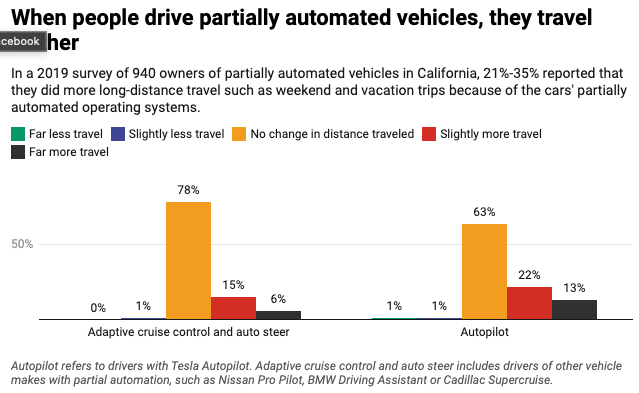
The introduction of AVs could lead to smarter traffic management and decreased congestion. Connected AVs are capable of communication with each other and infrastructure, allowing for optimized routes and more efficient use of road space. This interconnectedness can significantly reduce stop-and-go traffic and encourage more fluid flow, potentially decreasing overall travel times[6][10].
Environmental Benefits

When properly integrated, AVs have the potential to reduce greenhouse gas emissions considerably. Many current AV technologies are being developed with electric propulsion, which can lead to lower fuel consumption. Advanced driving algorithms designed for eco-driving can further enhance energy efficiency, resulting in decreased environmental footprints[1][5][8]. Some models predict that the overall energy use and emissions could drop substantially as AVs gain traction alongside the transition to renewable energy sources[11].
Land Use Optimization
The shift toward autonomous vehicles may redefine urban landscapes by decreasing the need for extensive parking infrastructure. As AVs can drop passengers off and park themselves in remote locations, urban areas may repurpose parking spaces for green areas or housing, potentially revitalizing city environments[12][3].
Drawbacks of Autonomous Vehicles
Job Displacement
A major concern surrounding the mass adoption of autonomous vehicles is their potential to displace millions of jobs within the driving industry. Professions such as taxi, truck, and delivery drivers face significant threats from automation, as companies may opt for AVs to cut costs associated with human labor. This employment shift could exacerbate economic inequalities and challenge workers to find alternative employment opportunities[9][10][12].
Liability and Legal Challenges
The rise of AVs introduces complex liability questions regarding accidents. Determining responsibility—whether it lies with the vehicle owner, manufacturer, or software developer—remains unresolved. This ambiguity could lead to significant legal disputes and challenges for the insurance industry, which is currently grappling with the implications of automated driving technology[6][10][9].
Cybersecurity Risks
As AVs rely heavily on software and connectivity, they may be susceptible to cyberattacks. Hackers gaining control of AV systems pose a serious risk, as compromised vehicles could be turned against their passengers or used in malicious activities[8][9]. The extensive data collection required to operate AVs also raises privacy concerns, particularly regarding how personal information is stored and used.
Environmental Considerations
While there is potential for reduced emissions from autonomous electric vehicles, there are caveats. If the energy sources used to charge these vehicles remain non-renewable, their environmental benefits could be undermined. Moreover, increased convenience may encourage longer commutes and higher overall vehicle miles traveled, potentially leading to greater energy consumption and emissions overall[11][12].
Uncertain Public Acceptance
Finally, despite the technological advances, a significant portion of the public remains skeptical about fully autonomous vehicles. Factors contributing to this hesitance include fears over safety and a lack of understanding regarding the technology’s capabilities and limitations. Effective public education and trust-building will be essential to facilitate the wider acceptance of AVs in society[9].
Conclusion
The development of autonomous vehicles holds enormous promise, poised to revolutionize transportation through enhanced safety, accessibility, and efficiency. However, it also presents serious challenges that society must navigate, such as job displacement, liability questions, and cybersecurity risks. As this technology continues to evolve, ongoing discourse and innovative policy-making will be necessary to maximize benefits and mitigate drawbacks. The balance struck between these competing interests will ultimately shape the future landscape of mobility.
Let's look at alternatives:
- Modify the query.
- Start a new thread.
- Remove sources (if manually added).
 Curated by Joan





Automatic Prompt Engineering (APE) automates the creation of prompts[1]. It involves a model generating multiple prompts, evaluating them, and refining the good ones, repeating the process[1].
Here's how it works[1]: First, a model is prompted to generate output variants[1]. Next, evaluate the generated prompts by scoring them based on a chosen metric such as BLEU (Bilingual Evaluation Understudy) or ROUGE (Recall-Oriented Understudy for Gisting Evaluation)[1]. Finally, select the prompt with the highest evaluation score for use; this can be further tweaked and re-evaluated[1].
Let's look at alternatives:
- Modify the query.
- Start a new thread.
- Remove sources (if manually added).