Science
Explore the fundamental laws of nature, major scientific theories, breakthroughs, and the impact of science on society.
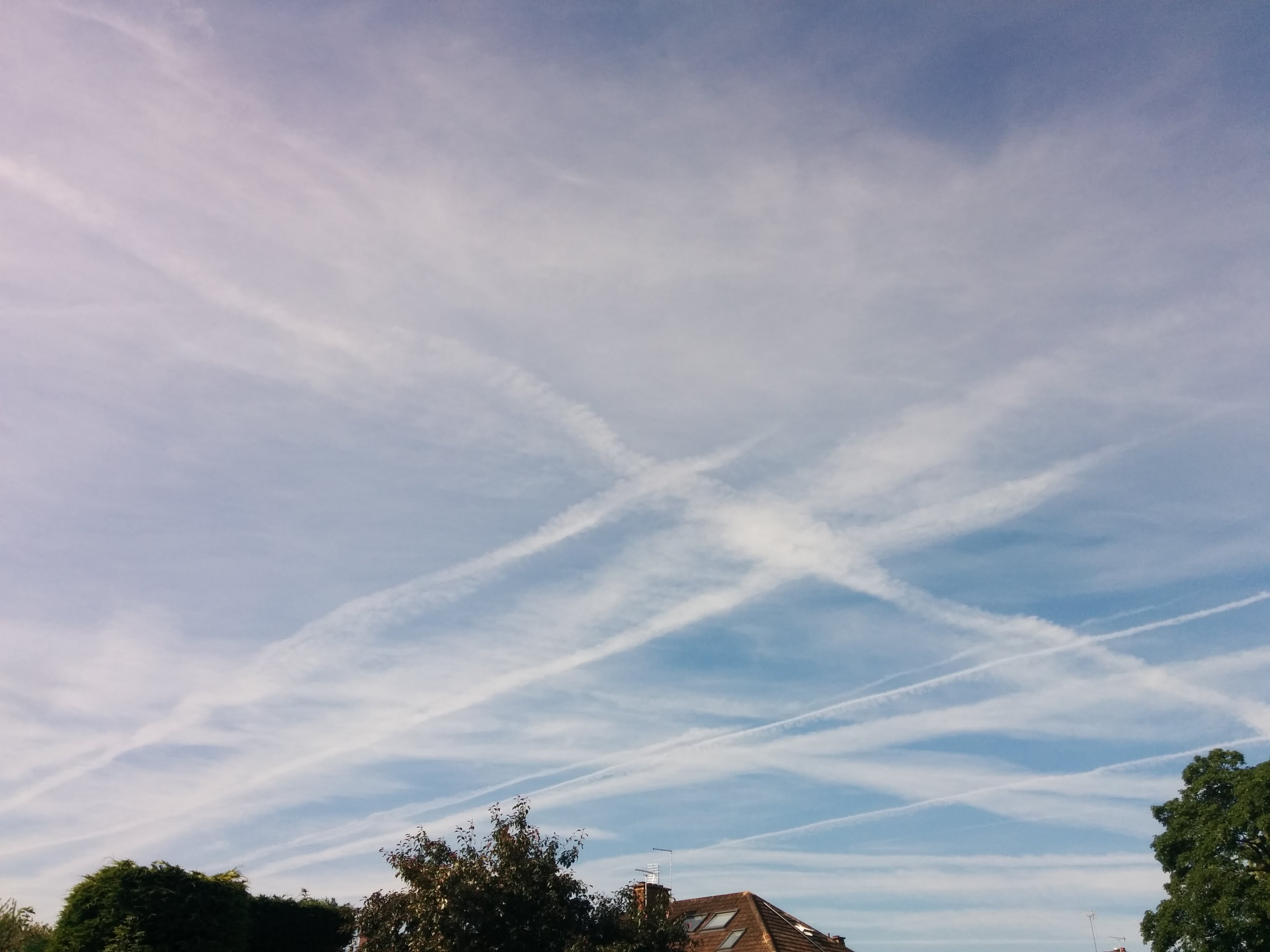


.jpg "Aircraft contrails")
Let's look at alternatives:
- Modify the query.
- Start a new thread.
- Remove sources (if manually added).



Reverse osmosis uses pressure to push seawater through a semi-permeable membrane.
Energy consumption for seawater reverse osmosis ranges from 2.3 to 5.5 kWh/m3.
The Carlsbad Desalination Plant produces 50 million gallons of fresh water daily.
Desalination plants are essential in water-scarce regions, supporting agriculture and industry.
Brine discharge from desalination can disrupt marine ecosystems and is a major concern.
Let's look at alternatives:
- Modify the query.
- Start a new thread.
- Remove sources (if manually added).



Get more accurate answers with Super Pandi, upload files, personalised discovery feed, save searches and contribute to the PandiPedia.
Early Scottish Maritime History and the Need for Light-Houses
The Scots, recognized for their strong maritime spirit among European nations, were geographically positioned to become adept seafarers[1]. Their trade routes to Hanseatic Towns and other European commercial centers were longer than those of their English counterparts, requiring them to navigate treacherous waters and exposing them to dangers such as enemy ships and inclement weather[1]. Scotland's frequent conflicts with northern powers further necessitated a strong navy to safeguard its commerce[1]. Alliances with foreign entities and the annexation of the Orkney and Shetland Islands also expanded Scotland's foreign trade and solidified its coastal dominion[1].
However, it was the unification of the crowns and kingdoms of England, Scotland, and Ireland that unleashed the full maritime potential of these nations[1]. By the mid-18th century, there was a growing understanding of the strategic importance of the Scottish Highlands, which led the government to promote fisheries, establish towns and harbors, and improve transportation networks through roads and canals[1]. The increasing coastal commerce in Scotland, spurred by British fisheries and the manufacture of kelp for marine alkali, highlighted the need for improved navigational aids[1]. The dangers and length of voyages around Scotland's coasts, particularly near the Orkney and Western Islands, underscored the necessity of light-houses and accurate charts[1].
Early Efforts to Chart the Scottish Coast

Early efforts to improve navigation relied largely on rudimentary guides[1]. The journals and charts from the 1540 voyage of James V, who with twelve ships sailed around a large portion of Scotland, served as a crucial, and perhaps primary, navigational tool for centuries[1]. Later, around 1740, Rev. Alex Bryce created a geometrical survey of the northwest coast of Scotland at the request of the Philosophical Society of Edinburgh[1]. Further advancment was made in 1750 with Murdoch Mackenzie's charts of the Orkney Islands, which were later extended to the Western Highlands and Islands under government commission[1]. Despite these improvements, large shipping vessels continued to avoid the narrower passages, preferring the more hazardous but better-known routes along the open sea[1]. The construction of light-houses was therefore viewed as critical to guiding ships safely along these routes[1].
The Establishment of the Northern Light-House Board

The demands of shipmasters and owners were heard, and in 1786, Mr. DEMPSTER of Dunnichen brought the idea of a Light-house Board to the Convention of Royal Boroughs of Scotland[1]. This resulted in the passage of an act establishing the board and authorizing the construction of four light-houses in northern Scotland: at Kinnaird Head, on the Orkney Islands, on the Harris Isles, and at the Mull of Kintyre[1]. The act also introduced a levy on ships to fund these projects[1].
The initial commissioners included prominent officials such as His Majesty's Advocate and Solicitor-General for Scotland, the Lord Provosts and First Bailies of Edinburgh and Glasgow, the Provosts of Aberdeen, Inverness, and Campbeltown, and the Sheriffs of various northern counties[1]. Thomas Smith was nominated Engineer to the Board[1].
Sir James Hunter-Blair, the Lord Provost of Edinburgh, convened the first meeting of the board where he stressed the importance of the new act and how imperative it was to gather as much advice from experienced engineers as possible[1].
Early Light-House Construction and Financial Challenges


Initial efforts focused on corresponding with landowners to acquire sites for the light-houses[1]. By December 1787, a light-house was erected on Kinnaird Castle[1]. The construction of the Mull of Kintyre Light-house proved more challenging due to its remote location, and the light was not exhibited until October of the following year[1]. The early progress of the Northern Light-houses was impeded by limited funds, stemming from a light-house duty deemed too small[1]. To address this, Parliament passed an act in 1788, increasing the duty and enabling the Commissioners to borrow additional funds for their operations[1]. By 1789, light-houses were also erected and lit at Island Glass in Harris and on North Ronaldsay in Orkney[1].
Later Light-House Constructions and Financial Management


ThePladda light-house was completed in 1790, equipped with a distinguishing feature in 1791, showing two distinct lights[1]. The increasing demands for additional light-houses and better management of the existing ones led to the appointment of annual inspections and supply vessels[1]. In 1794, work began on the Pentland Skerry Light-houses, with the author commencing his service for the Board[1].
An act passed in 1798 incorporated the Commissioners into a body politic, allowing them to hold stock and invest surplus funds[1]. By 1806, the Inchkeith Light-house became operational, marking a new era in the Board's construction, with the buildings becoming more permanent and substantial[1]. Notably, the account highlights the benefits of the Board's management, stating, "...that the progress of the Light-house works proceeded, without experiencing any interruption from want of funds"[1].
The Bell Rock Light-House
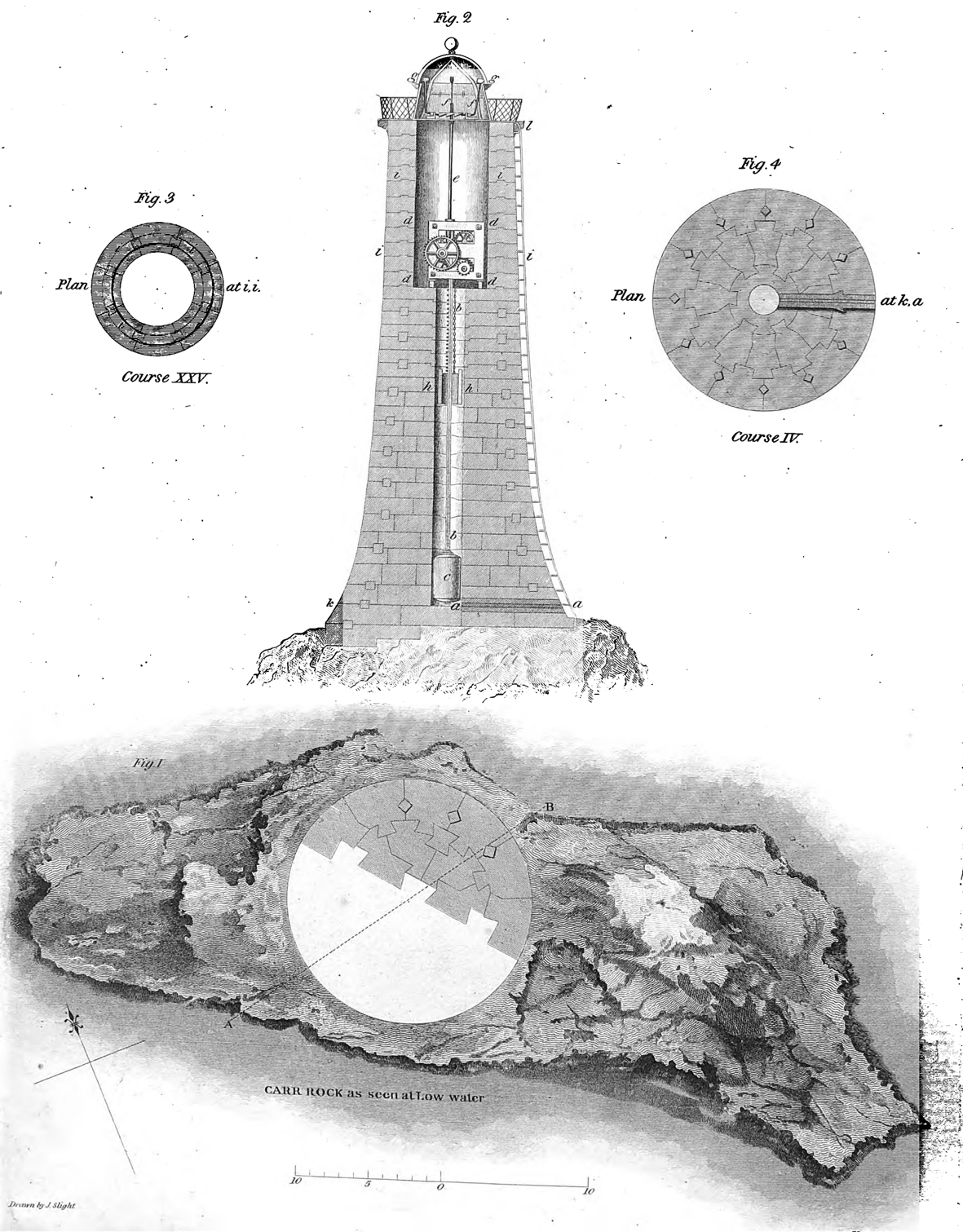
Several petitions were made to the commission to provide some sort of aid near the Bell Rock due to the immense danger and volume of ship traffic in the area[1]. Due to limited funds as of 1803, the erection of a light-house on the Bell Rock was not feasible, and the further consideration was delayed[1].
The construction of the Bell Rock Light-house between 1807 and 1810 marked a significant endeavor[1]. Despite problems with supply delay the effort, the light was exhibited February 1, 1811[1]. The name, situation, and dimensions of the rock, the designs for the light-house, the act passed by the Lord Advocate Erskine, and the report of the House of Commons committee were important steps in the process[1]. Special problems called for both a floating light and masonry construction on the rock itself[1].
Let's look at alternatives:
- Modify the query.
- Start a new thread.
- Remove sources (if manually added).
Transcript
Welcome to our audio clip on the exciting rise of algae biofuels in aviation. Today we explore how researchers are turning ocean microalgae into a promising source of sustainable jet fuel. Scientists have found that certain algae, such as Isochrysis, contain unique chemical compounds that not only produce biodiesel but, when processed correctly, can yield fuel components ideal for jet fuel blends. Innovative chemical methods break down these long-chain molecules into shorter fragments that match the properties needed for aviation. Meanwhile, advances in microalgae cultivation techniques – from open ponds to high-tech photobioreactors – are helping to maximize biomass production without competing with food crops, all while capturing carbon and reducing environmental impact. Although current production costs are high, ongoing tests in jet fuel blending and improved cultivation are setting the stage for greener, more sustainable aviation fuel in the future. Stay tuned as this exciting field takes flight in the quest for a cleaner sky.
Let's look at alternatives:
- Modify the query.
- Start a new thread.
- Remove sources (if manually added).
 Curated by Joan

Transcript
The demon core was a small, 6.2‐kilogram plutonium sphere measuring about 3.5 inches in diameter and was created during the Manhattan Project. Originally intended for a third atomic bomb that was never deployed after Japan surrendered, this core was retained at Los Alamos for criticality experiments. During its experiments, minor mishaps caused the core to go supercritical, releasing lethal blue flashes of neutron radiation and tragically claiming the lives of two scientists. These fatal incidents led to the implementation of remote-handling techniques and strict safety protocols, forever changing nuclear experimentation.
Let's look at alternatives:
- Modify the query.
- Start a new thread.
- Remove sources (if manually added).


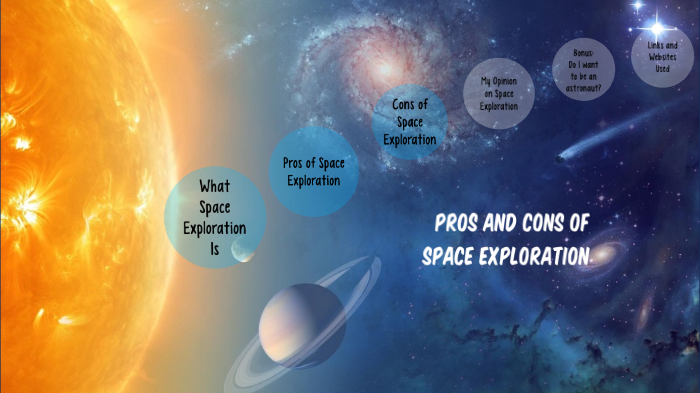
Space exploration presents a range of formidable challenges that impact both the feasibility and safety of missions beyond low Earth orbit. These limitations stem from technical, biological, and environmental factors that must be addressed to ensure successful exploration of destinations such as the Moon and Mars.
Technical Challenges

One of the foremost challenges in space exploration is the technological limitations of launch vehicles and spacecraft. Currently, many rockets require enormous amounts of energy to achieve escape velocity from Earth's gravitational pull, which can exceed 25,000 miles per hour. This high-energy requirement leads to significant costs and complexities in spacecraft design. For instance, a noteworthy example is the launch cost of the Mars Curiosity rover, which approached $200 million, highlighting the financial burden associated with launching heavy payloads into space. Furthermore, developing reusable rockets, like SpaceX's Falcon 9, is crucial for reducing costs over time by enabling multiple flights from the same hardware, although achieving this at scale remains a complex engineering challenge.
In terms of propulsion systems, current chemical-based fuels are inefficient for long-duration missions, presenting limitations in speed and fuel capacity. Spacecraft equipped with nuclear fusion or laser-powered propulsion systems, such as those conceptualized in the Breakthrough Starshot program, offer potential alternatives, but significant engineering breakthroughs would be necessary to make these viable for human transport.
Biological Limitations
Astronauts face several health risks during long-duration space missions that cannot be easily mitigated. One major concern is the impact of microgravity on the human body. Extended exposure to microgravity can lead to muscle atrophy, bone density loss, and cardiovascular deconditioning. Research indicates that bone loss occurs at a rate significantly accelerated compared to aging on Earth, which could impede astronauts' physical performance and health upon return.
Another critical health challenge is exposure to cosmic radiation, which is considerably higher outside Earth's protective atmosphere. This radiation poses long-term health risks, including an increased likelihood of cancer and other disease. Currently, proposed solutions include physical shielding, such as incorporating materials like hydrogenated boron nitride nanotubes (BNNTs) into spacesuits and habitats. However, the materials need further development to ensure they can effectively protect astronauts during long missions, especially to Mars where the radiation levels are more intense.
Psychological and Social Effects
Isolation and confinement on long missions can lead to psychological stress among astronauts. The social dynamics of small crews responding to extended periods of isolation can complicate mission success. Communication delays, especially during interplanetary missions, can exacerbate feelings of solitude and isolation, making effective team dynamics even more critical. NASA's studies highlight that the average communication delay with Mars can be between four to 24 minutes one way, leading to increased operational risks during emergencies.
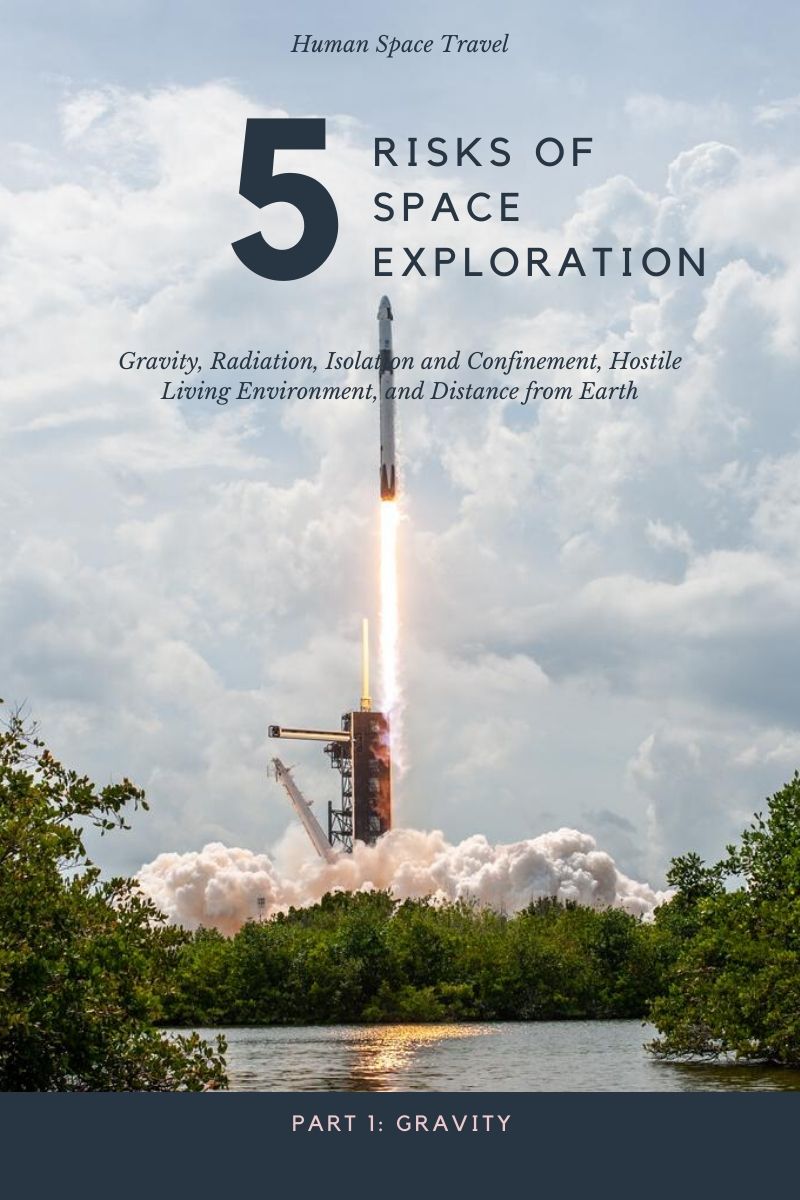
To combat potential psychological stress, researchers are exploring methods to create artificial gravity environments and studying the effects of hibernation-like states during long spaceflights, which could mitigate conflict among crew members during transit. Moreover, crew selection processes are being examined to ensure a harmonious working environment when stress levels rise.
Environmental Obstacles

The environments of celestial bodies present their own significant challenges. For instance, landing on the Moon or Mars requires navigating hazardous terrain marked by craters and boulders, which complicates landing procedures and increases the risk of mission failure. Recent attempts by various nations to land successfully on the Moon have demonstrated that despite advances in technology, the difficulty of achieving a soft landing remains high.
On Mars, atmospheric conditions and gravity present unique challenges that complicate landing maneuvers for heavy payloads required for crewed missions. Current technologies used for landers and rovers may not be sufficient for larger human-carrying vehicles, necessitating further innovation.
Conclusion

In summary, while the ambition for space exploration ignites global interest and progress, significant limitations remain to be addressed. The technical hurdles related to rockets and propulsion methods, biological and psychological impacts on astronauts, and the harsh environments of potential destinations all compound the complexities involved in sending humans beyond Earth. Overcoming these challenges requires continued investment in research and development, fostering innovative solutions that ensure both the safety and success of future missions.
Let's look at alternatives:
- Modify the query.
- Start a new thread.
- Remove sources (if manually added).


Get more accurate answers with Super Pandi, upload files, personalised discovery feed, save searches and contribute to the PandiPedia.

The World of Wonders: A Record of Things Wonderful in Nature, Science, and Art is a book published in 1896 by Cassell and Company, Limited. The work aims to be a record of remarkable subjects, intended to inspire 'amaze And Admiration'. The copy of the book was digitized in 2015 by the Internet Archive.
The book is a compilation of short articles on a diverse array of topics, indicated by an extensive alphabetical index. The subjects covered can be broadly categorized:
- Natural Wonders: Articles describe phenomena and locations such as 'Niagara in Winter,' 'The Wonders of the Alps,' 'Earthquakes,' 'Geysers,' 'Glaciers,' 'The Sahara,' and 'Volcanic Eruptions'.
- Science and Engineering: The book explores scientific concepts and technological achievements, including 'The Atlantic Telegraph,' 'Calculating Machines,' 'The Wonders of Digestion,' 'The Mont Cenis Tunnel,' and 'Wonders of Photography'.
- Art and Construction: It features articles on significant man-made structures like 'The Alhambra,' 'The Coliseum,' 'The Great Pyramid,' 'The Leaning Tower of Pisa,' and 'The Porcelain Tower of Nankin'.
- Animal and Plant Life: The diversity of life is highlighted in entries such as 'Wonders of Ant Life,' 'The Dragon Tree of Orotava,' 'The Mammoth,' 'The Penguin,' and 'The Rice-Paper Plant'.
- Human and Historical Curiosities: The source includes accounts of remarkable people, historical events, and cultural practices, with articles on 'The Amazons of Dahomey,' 'The Man with the Iron Mask,' 'The Indian Fakirs,' 'The Bayeux Tapestry,' 'The real Queen of the Gipsies,' and 'Wonderful Highwaymen'.
Many of the articles are accompanied by illustrations, which are denoted in the index by an asterisk. The book also contains several full-page 'SEPARATE PLATES,' including 'Niagara in Winter,' 'The Pyramids,' 'The Court of Lions, Alhambra,' 'The Aurora Borealis,' and 'An Avalanche'.
Let's look at alternatives:
- Modify the query.
- Start a new thread.
- Remove sources (if manually added).

Based on the provided text, The World of Wonders is a book published in 1896 by Cassell and Company, Limited, of London, Paris, and Melbourne. Its purpose is to serve as 'A RECORD OF Things Wonderful in Nature, Science, and Art'. This aim is further emphasized by a quote on the title page from Henry Kirke White, which suggests that even the highest philosophy 'but extends the scope of wild amaze And Admiration'.
The book is structured as a collection of articles on a wide array of subjects, many of which are accompanied by one or more illustrations, as denoted by an asterisk in the index. It also contains a list of separate, full-page plates on subjects such as 'Niagara in Winter,' 'The Pyramids,' 'The Court of Lions, Alhambra,' and 'The Aurora Borealis'.
The index reveals the extensive range of topics covered, which can be grouped into several categories:
* Natural Phenomena: Articles discuss topics like 'Niagara in Winter,' 'Earthquakes,' 'Glaciers,' 'The Sahara,' 'Waterspouts,' and the 'Aurora Borealis'.
* The Animal Kingdom: The book explores 'Wonders of Ant Life,' 'Wonderful Birds,' 'Wonderful Dogs,' 'The Gorilla,' and extinct creatures such as the 'Ichthyosaurus' and 'Plesiosaurus'.
* Science and Invention: Subjects in this category include 'Alchemy,' 'The Atlantic Telegraph,' 'Calculating Machines,' 'Photography,' and the history of the 'Steam-Engine'.
* Wonders of Construction: The text details famous structures such as 'The Alhambra,' 'The Great Pyramid,' 'The Coliseum,' 'Stonehenge,' and the 'Britannia Bridge'.
* Human Feats and Historical Curiosities: This section covers a variety of human-centric topics, including 'Giants,' 'Dwarfs,' 'Feats of Muscular Exertion,' 'The Man with the Iron Mask,' 'Wonderful Highwaymen,' and 'The Bravery of Women'.
* Antiquarian Curiosities: The book also delves into historical oddities like 'Curious Customs,' the 'Bayeux Tapestry,' and the origins of 'Nursery Rhymes'.
Let's look at alternatives:
- Modify the query.
- Start a new thread.
- Remove sources (if manually added).

The World of Wonders: A Record of Things Wonderful in Nature, Science, and Art is a book published in 1896 by Cassell and Company, Limited, of London, Paris, and Melbourne. As its title suggests, the volume is a compilation of short articles detailing a wide array of marvels and curiosities. The book's purpose is encapsulated in a quote on its title page from Henry Kirke White: 'What does Philosophy impart to man But UNDISCOVERED WONDERS? ... She but extends the scope of wild amaze And Admiration'.
The content is organized alphabetically in an extensive index, covering a vast range of subjects. These topics are broadly categorized within the index itself, including:
* Wonders of Animal Life (e.g., 'Animal Life at Great Depths in the Sea,' 'The White Ant Family')
* Wonders of the Atmosphere (e.g., 'Aurora Borealis,' 'Spectres of the Air')
* Wonders of Construction (e.g., 'The Great Pyramid,' 'Britannia Bridge')
* Wonders of Engineering (e.g., 'Mont Cenis Tunnel')
* Wonders of the Mind (e.g., 'Wonderful Memory of Cardinal Mezzo-fanti')
* Wonders of Vegetation (e.g., 'The Banyan Tree,' 'Freaks of Vegetation')
The articles explore a diverse collection of phenomena, historical events, and curiosities. A sampling of titles from the index reveals the book's eclectic nature, with entries such as 'Alchemy,' 'The 'Aye-Aye' and Its Middle-Finger,' 'Beating the Bounds,' 'The Book-Fish,' 'The Flying Dutchman,' 'The Man with the Iron Mask,' 'Pharaoh's Magic Serpents,' and 'A Ride on the Wind'.
Many of the articles are accompanied by illustrations, which are denoted in the index by an asterisk. The book also contains several full-page plates, including 'Niagara in Winter,' 'The Giant Geyser,' 'The Court of Lions, Alhambra,' and 'Laying the Atlantic Cable'.
The writing style is characteristic of the late 19th century, aiming to evoke a sense of wonder and admiration in the reader. For example, the opening article, 'Niagara in Winter,' begins: 'Since the eye of the pale-faced European was first kindled into admiration by the spectacle presented at Niagara, the pen has scarce ever ceased to describe, or at least to attempt to describe, the overwhelming power, the profound grandeur, and the wild beauty that have united to make the Falls of Niagara perhaps the most celebrated scene on the face of the globe'. The book was digitized by the Internet Archive in 2015.
Let's look at alternatives:
- Modify the query.
- Start a new thread.
- Remove sources (if manually added).

This source is an 1896 publication titled THE WORLD OF WONDERS: A RECORD OF THINGS WONDERFUL IN NATURE, SCIENCE, AND ART[1]. Published by Cassell and Company, Limited, it serves as a compendium of short articles detailing a wide array of marvels intended to inspire awe and admiration[1]. The book's purpose is encapsulated in a quote on its title page: ''What does Philosophy impart to man BUT UNDISCOVERED WONDERS? Let HER SOAR Even to her proudest height... She but extends the scope of wild amaze And Admiration''[1].
The volume covers a vast range of subjects, organized as individual articles listed alphabetically in the table of contents[1]. Many of the articles are accompanied by illustrations, as indicated by an asterisk in the contents list[1].
The topics featured in the book can be broadly categorized:
* Natural Wonders: Detailed descriptions of natural phenomena and locations are provided, with articles on subjects like 'Niagara in Winter,' 'The Wonders of the Alps,' 'The Sahara,' 'The Dead Sea,' and 'Volcanoes Under Water'[1].
* Science and Technology: The book explores scientific marvels and inventions of the era, including the 'Wonders of Light,' 'The Atlantic Telegraph,' 'Calculating Machines,' 'The Steam-Hammer,' and 'The Atmospheric Railway'[1].
* Art and Construction: It highlights significant architectural and artistic achievements such as 'The Alhambra,' 'The Great Pyramid,' the 'Porcelain Tower of Nankin,' and 'The Clock at Strasburg'[1].
* Animal and Plant Life: Numerous articles focus on the curiosities of the natural world, including 'Ant Life,' 'Luminous Insects,' 'The Seeds of Mushrooms and Toadstools,' and 'The Dragon Tree of Orotava'[1].
* Human Feats and History: The collection contains stories about human achievements, historical events, and peculiar individuals, with entries on 'Muscular Exertion,' 'Instances of Longevity,' 'Wonderful Highwaymen,' 'The Man with the Iron Mask,' and the 'Massacre of St. Bartholomew'[1].
* Curiosities and Oddities: The book also includes articles on unusual topics like 'Showers of Toads and Fishes,' 'Minute Writing,' 'The Book-Fish,' and a genealogical puzzle titled 'A Wonder of Relationship'[1].
The writing style is characteristic of the late 19th century, aiming to be both educational and engaging. For example, the article on Niagara Falls begins:
Since the eye of the pale-faced European was first kindled into admiration by the spectacle presented at Niagara, the pen has scarce ever ceased to describe, or at least to attempt to describe, the overwhelming power, the profound grandeur, and the wild beauty that have united to make the Falls of Niagara perhaps the most celebrated scene on the face of the globe[1].
An article on 'Kent's Cavern' details the scientific exploration of a cave near Torquay, which yielded 'vast quantities of animal remains, and other relics of prehistoric times'[1]. The text describes the layers of stalagmite and cave-earth, and the discovery of bones from extinct animals like the elephant, rhinoceros, and hyena, alongside primitive flint tools made by early humans[1]. These findings lead the author to conclude that 'man existed in Britain during the far-off period when the bones of animals were deposited in the lowest stratum of cave-earth'[1].
Let's look at alternatives:
- Modify the query.
- Start a new thread.
- Remove sources (if manually added).