
The Future of Digital Nomadism: Trends, Challenges, and Opportunities
The Future of Digital Nomadism: Trends, Challenges, and Opportunities
Rapid Growth and Mainstream Adoption
In recent years, digital nomadism has shifted from a fringe lifestyle to a mainstream work model. As noted across multiple sources, particularly from digitalnomad[1] and techtupedia[2], the rise of remote work—accelerated by the COVID-19 pandemic—has led to a transformation in how companies and workers view location independence. With estimates indicating that millions are now choosing to work from anywhere in the world[18], digital nomadism is not simply a trend but a fundamental change in global work culture. This transformation is reflected in the broad acceptance of remote work policies by organizations and governments alike, setting the stage for a future where flexibility and personal freedom drive productivity.
Technological Advancements and Remote Work Tools


Technological innovation is at the heart of digital nomadism. Sources such as Medium[6] and traveneur[19] point to rapid advancements in 5G connectivity, cloud computing, and AI-powered collaboration tools that enable seamless remote work. These tools—including enhanced virtual meeting platforms, project management software, and AI-driven scheduling systems—are making it easier than ever for digital nomads to remain productive regardless of location. As remote work tools become more intuitive and integrated into daily workflows, digital nomads can focus on creative tasks and strategic work rather than routine administrative duties.
Evolving Visa and Migration Policies


Government initiatives to attract remote workers are reshaping global mobility. Several texts, including those from freakingnomads[5], nomaddealsinfo[11], and researchgate[20], detail emerging digital nomad visas and revised immigration policies aimed at accommodating this growing population. Countries like Kenya, South Africa, and Georgia are introducing long-term visas that ease the process of settling abroad, while major destinations such as Spain have developed specialized digital nomad visas that offer attractive tax regimes and residency opportunities[9][17]. This shift not only simplifies legal residency for digital nomads but also encourages a more diversified geographic distribution of remote workers.
New Nomad Hubs and Destination Trends
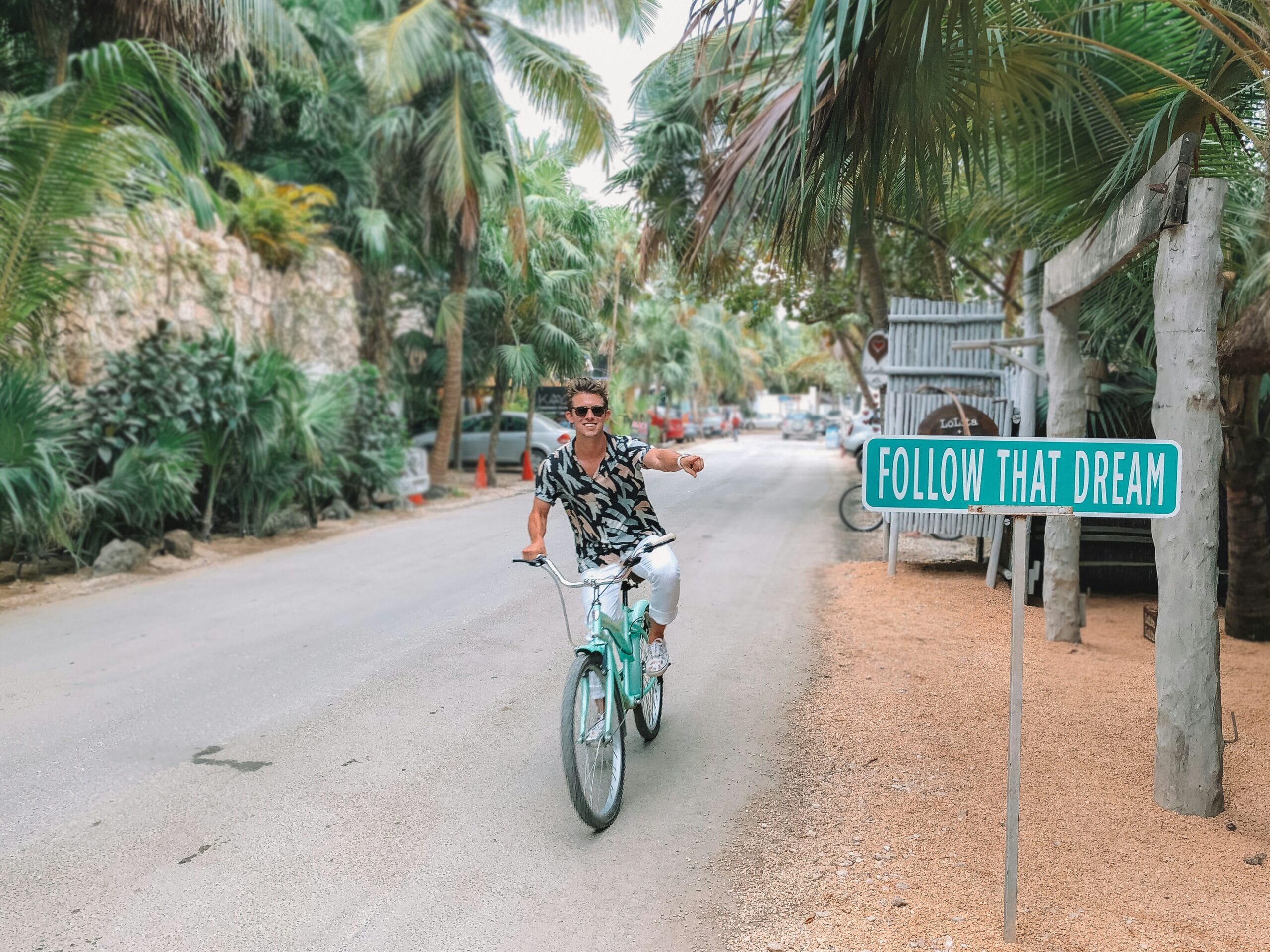


Top digital nomad destinations are evolving to meet the unique demands of remote professionals. According to traveneur[3], timeout[7], and flatio[12], cities like Lisbon, Chiang Mai, Medellín, and emerging hubs like Tbilisi, Budapest, and Split are especially attractive due to their affordable cost of living, reliable internet, and vibrant coworking environments. Additionally, countries such as Costa Rica, Georgia, and Thailand have been recognized by experts for their nomad-friendly policies and thriving expat communities[14][23]. These destinations offer not only work-supportive infrastructure but also rich cultural experiences and favorable climates that enhance work-life balance.
Impact on Local Economies and Cultural Exchange


Digital nomads are having a profound impact on local economies and communities. As described by globalcitizensolutions[15] and globalhrcommunity[16], nomads bring steady economic benefits to host regions by extending tourism seasons and supporting local businesses through their needs for accommodation, food, and leisure. The influx of remote workers can stimulate sustainable tourism and encourage cultural exchange, as digital nomads often blend into local communities, share knowledge, and even mentor local startups. This decentralization of economic activity helps alleviate the pressures on over-touristed urban centers while promoting innovation and entrepreneurship in less-explored areas.
Corporate Trends and Global Talent
The future of digital nomadism is intertwined with broader shifts in corporate culture and talent management. According to daily-world[8] and shrm[25], companies are increasingly embracing hybrid and fully remote work models to attract a diverse global workforce. By adopting digital nomad policies, organizations can tap into talent pools that are no longer limited by geography. The benefits include reduced overhead costs, improved work-life balance for employees, and the ability to foster innovation through cross-cultural teams. Employers who invest in robust digital nomad policies are positioning themselves to be more competitive in the global market.
Challenges and Strategies for Adaptation


Despite the many advantages, the digital nomad lifestyle comes with its own set of challenges. Issues such as maintaining a clear work-life balance, managing finances across multiple currencies, coping with isolation, and navigating unpredictable visa regimes are widespread[4][10][13][21]. Experts advise establishing consistent daily routines, utilizing coworking spaces to mitigate isolation, and adopting digital financial tools to streamline expense management[13][21]. Additionally, the importance of cultivating meaningful connections—both online and in-person—is emphasized as a way to counteract loneliness and build supportive networks.
The Role of AI and Future Innovations


Looking forward, AI is expected to play a transformative role in further optimizing the digital nomad experience. As highlighted by traveneur[19] and nomadicdanny[24], AI-driven solutions will automate routine tasks and enhance creative productivity. Virtual assistants will become more advanced, providing personalized recommendations and managing administrative functions, which allows remote workers to concentrate on high-level work. In a future where AI tools become seamlessly integrated into everyday work processes, digital nomads will be better equipped to scale their businesses and adapt to the rapidly evolving digital landscape.
Long-term Outlook and Opportunities
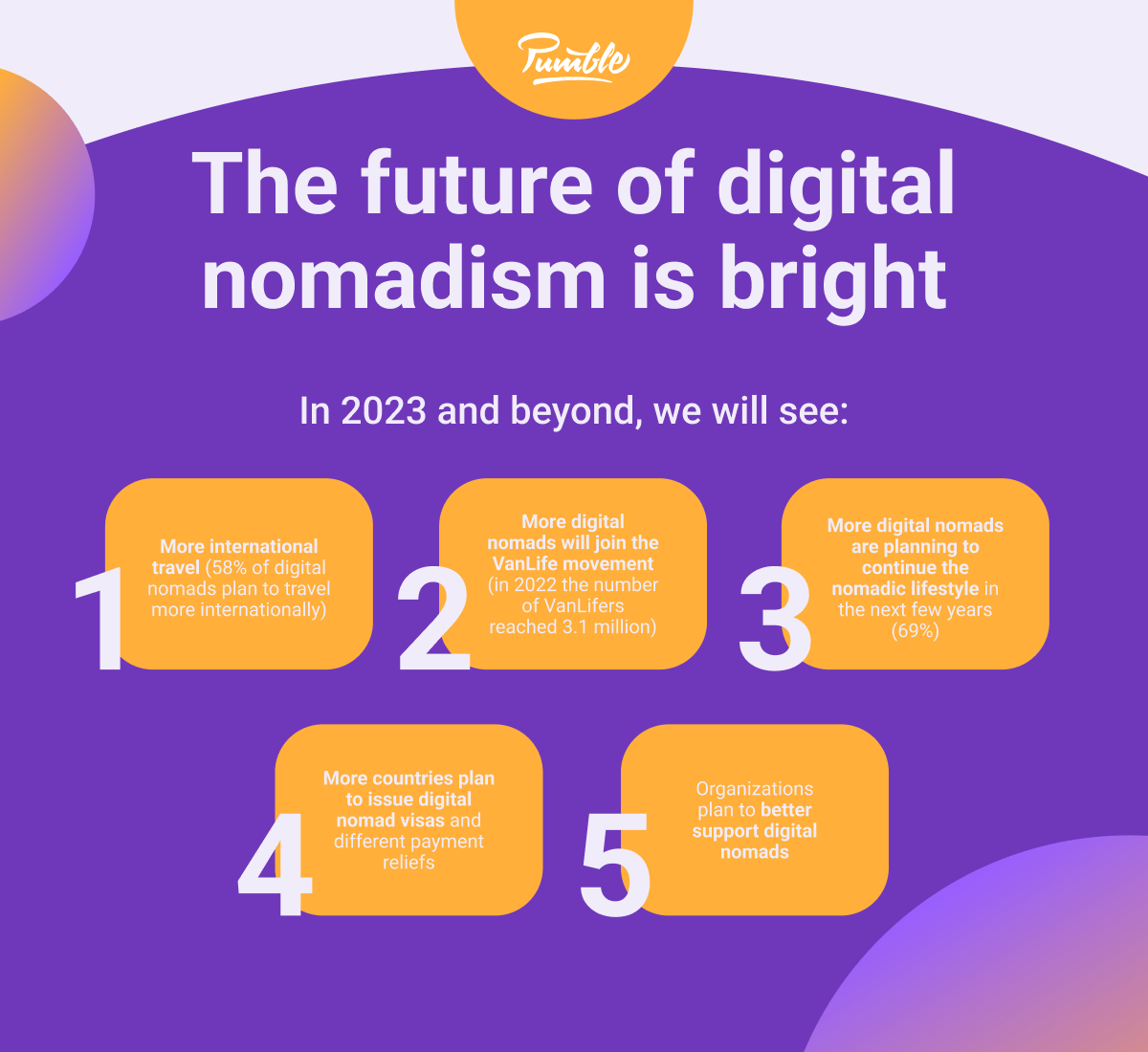


The future of digital nomadism appears bright and full of opportunity. With government policies evolving, new technological tools emerging, and an increasingly open mindset toward remote work, the digital nomad lifestyle is set to become more integrated into the global economy[16][17][22]. As organizations continue to support flexibility and as digital nomads overcome current challenges through smarter planning and community building, this lifestyle will likely gain further mainstream acceptance. Long-term, digital nomadism could even contribute to reversing local brain drain by infusing remote communities with global talent, ultimately driving innovation and sustainable growth in host countries[15][18].
Let's look at alternatives:
- Modify the query.
- Start a new thread.
- Remove sources (if manually added).