100
What happens when you type a URL and press Enter?

🧵 1/6

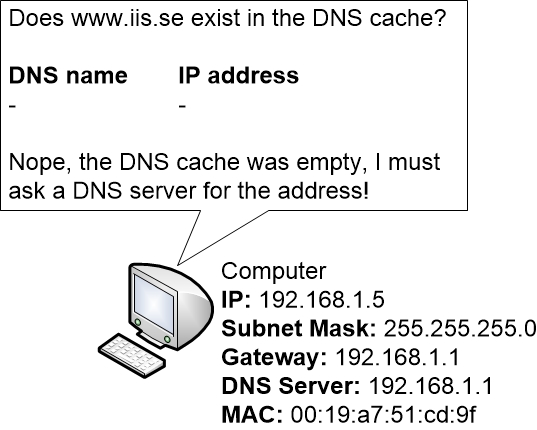
🧵 2/6
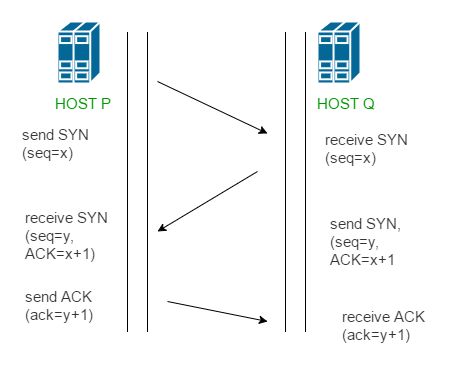
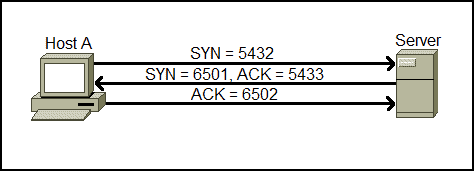
🧵 3/6
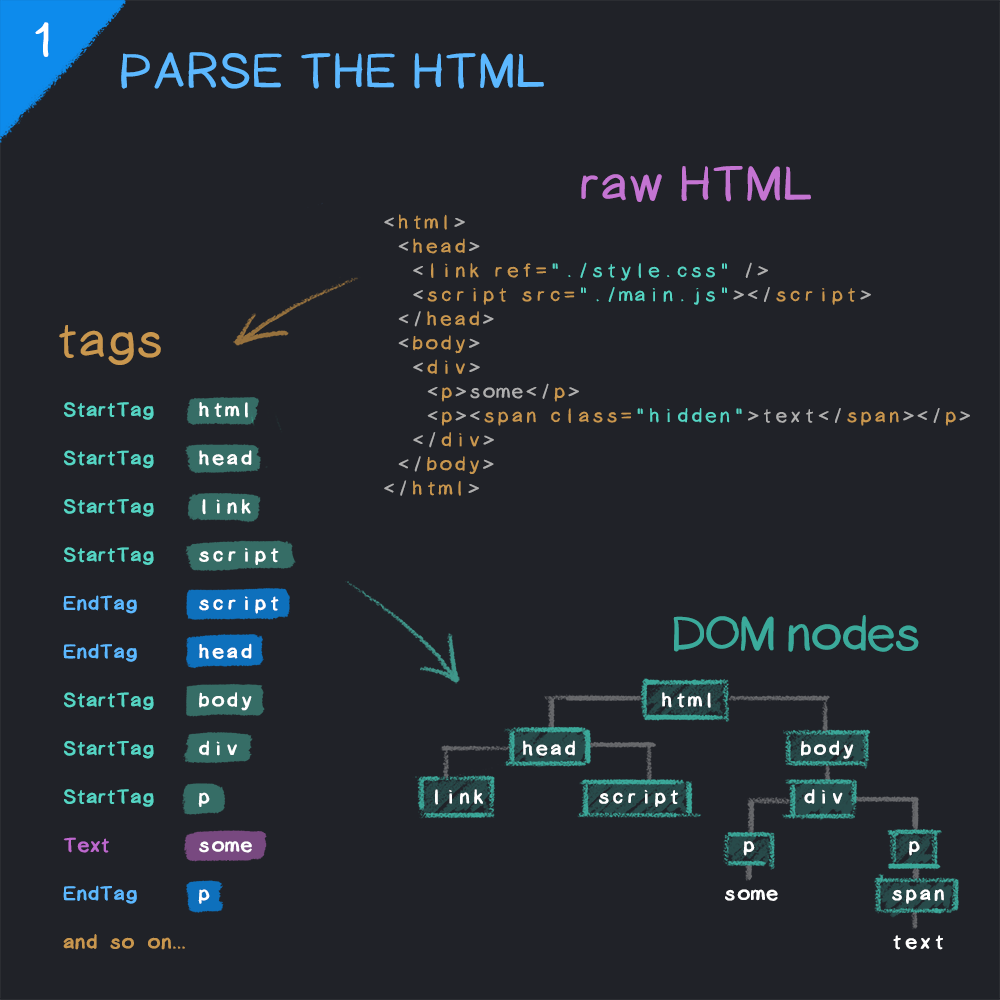
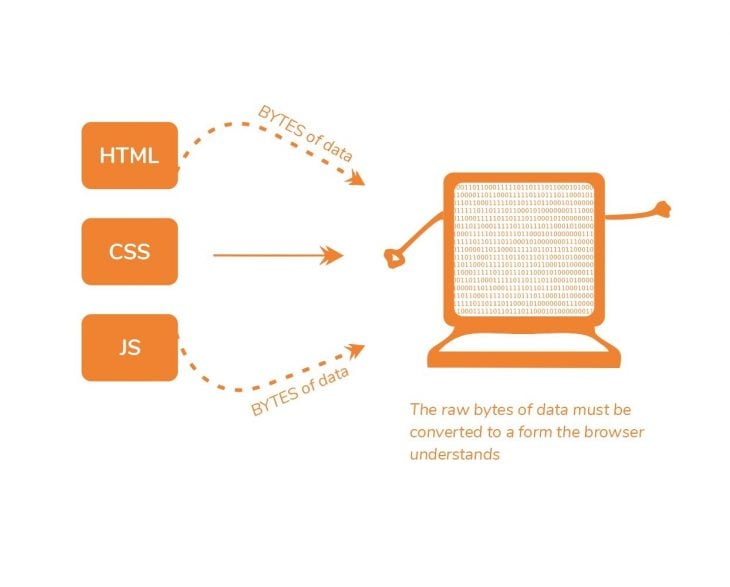
🧵 4/6
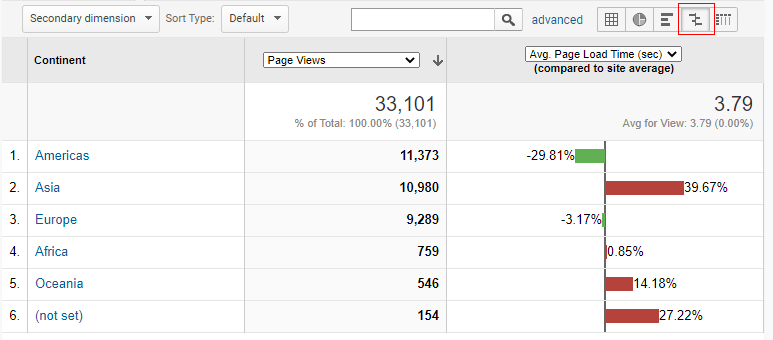
🧵 5/6
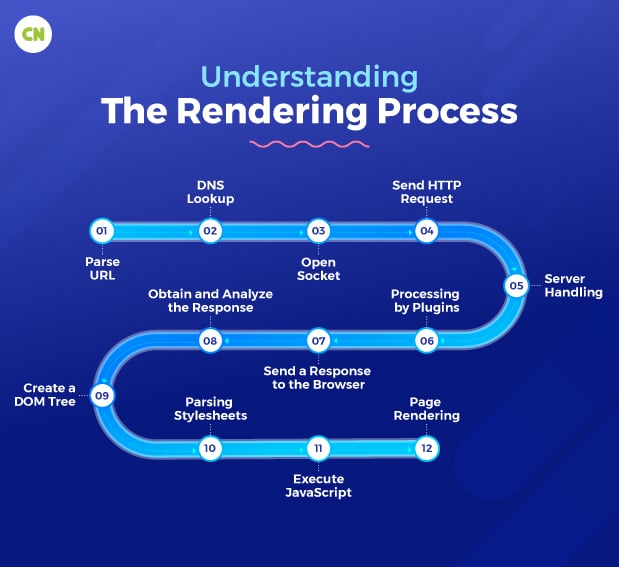
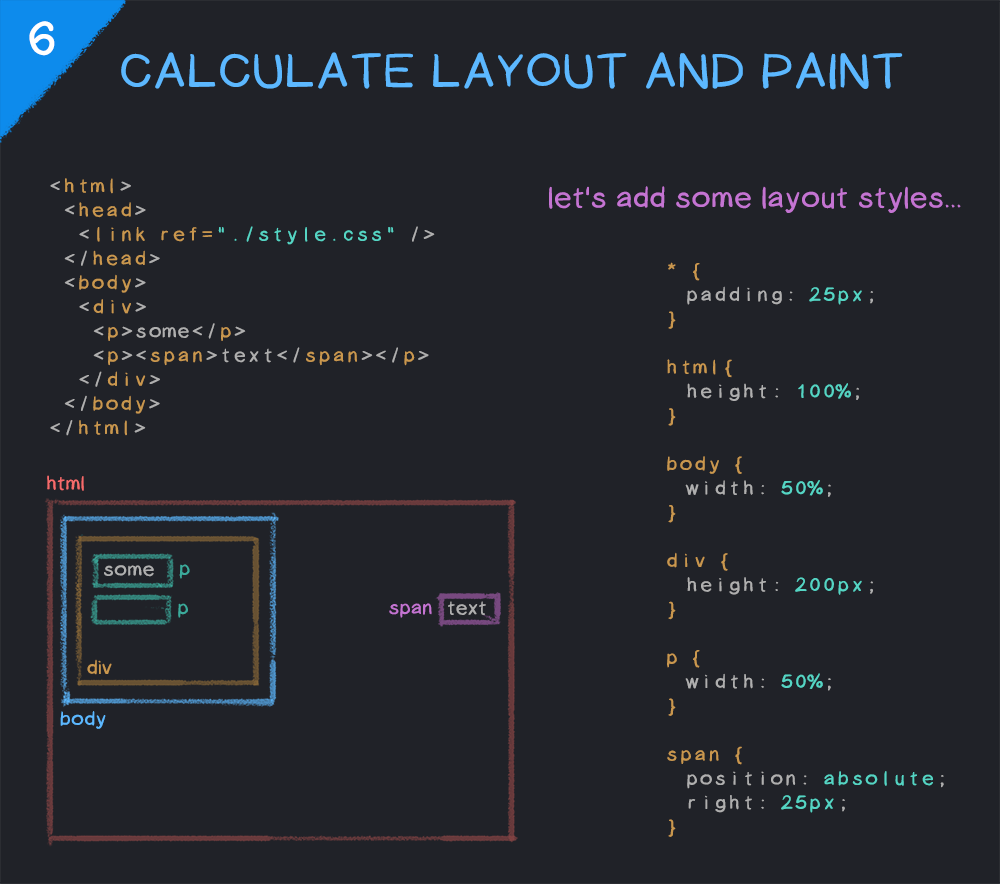
🧵 6/6
Sign Up To Try Advanced Features
Get more accurate answers with Super Pandi, upload files, personalized discovery feed, save searches and contribute to the PandiPedia.
Sorry, Pandi could not find an answer.
Let's look at alternatives:
- Modify the query.
- Start a new thread.
- Remove sources (if manually added).
Related Content From The Pandipedia
Which internet protocol does what: DNS, TCP, UDP, TLS, or HTTP?How adaptive streaming avoids bufferingHow Google finds answers in millisecondsWhat are the benefits of carpooling?Is your Bluetooth secretly insecure?How do browser extension scams hijack personal data?What were the main causes of World War I?Test your home network IQ 🌐How to handle unreliable internet connections?Can blockchain records stay secure in a post-quantum era?What are the most interesting takes on this paper?How does edge computing enable real time AR experiences?