100

Turn NIST AI RMF into an operating rhythm, not a binder

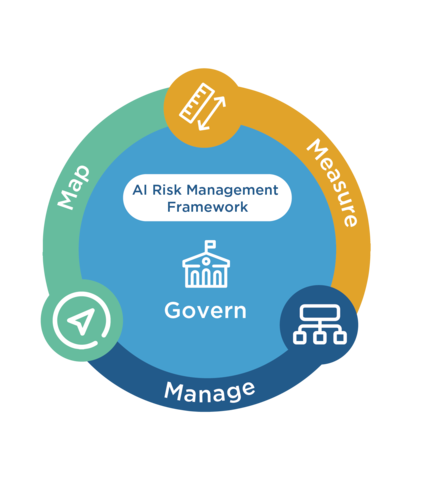
What if your AI governance model was not a policy shelf, but a closed loop? NIST frames AI RMF as an operating model: Govern, Map, Measure, and Manage should run as an ongoing rhythm tied to the use case and risk profile.[[cite:1]][[cite:2]]

  • Circular design includes elements of the AI Risk Management Framework: Govern, Measure, Manage, Map.
đŸ§” 1/5

Start with Govern. NIST points to leadership accountability, clear roles and escalation paths, inventories, documentation, training, incident response, and oversight so AI risk management is transparent and actually implemented.[[cite:3]][[cite:4]]

  • Free Close-up of business hands finalizing agreement with pen on documents. Stock Photo
đŸ§” 2/5

Then Map before you build. Define intended purpose, context of use, stakeholders, task scope, risk tolerance, and possible benefits, costs, and harms. That is what lets you prioritize the highest-risk use cases first.[[cite:5]][[cite:6]][[cite:7]]

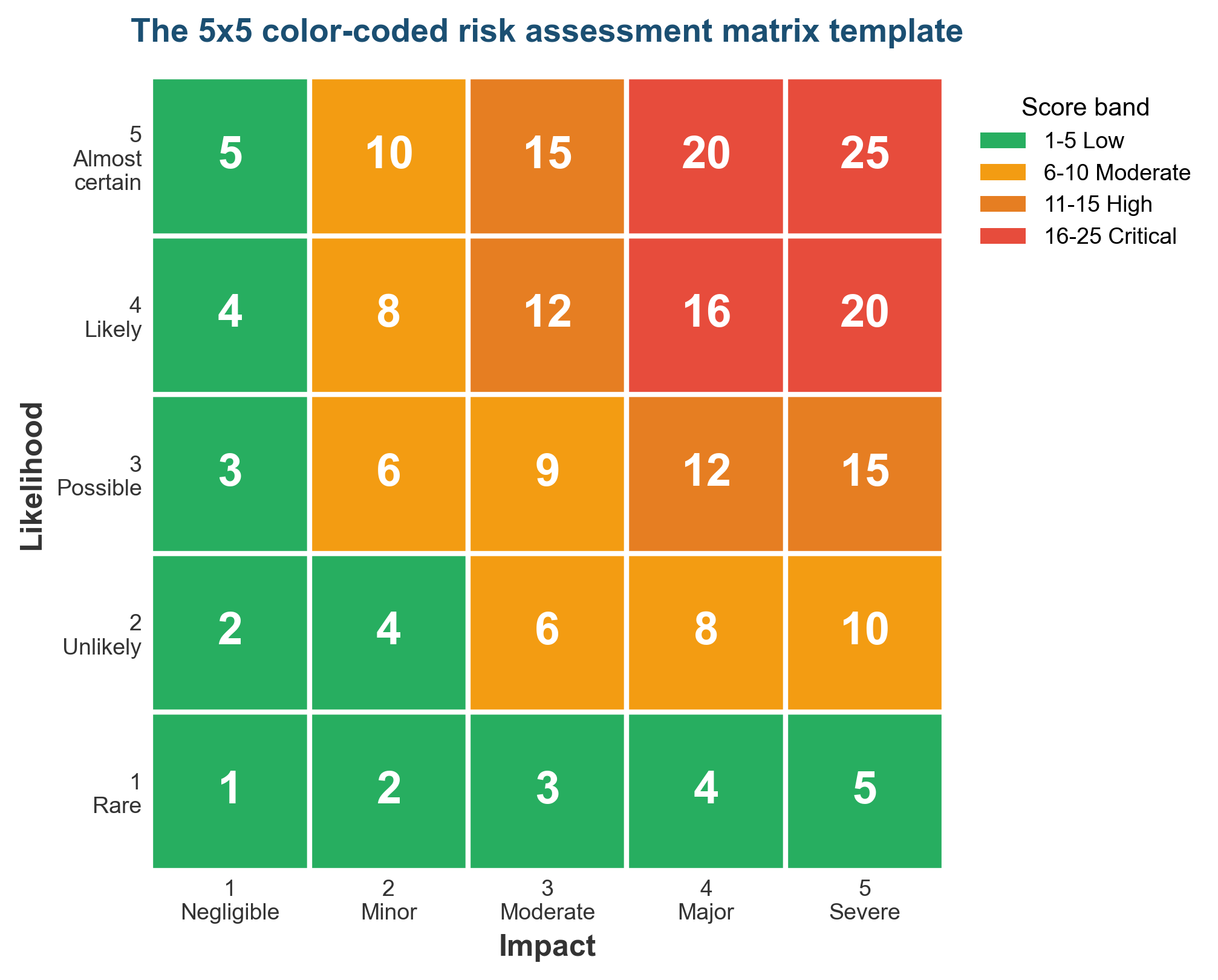
  • Risk matrix generator showing a 5x5 color-coded risk heat map
đŸ§” 3/5

Measure and Manage are the control loop. NIST calls for TEVV methods and metrics for the most significant risks first, plus responses that can include mitigate, transfer, accept, bypass, or decommission, with monitoring and change management after deployment.[[cite:8]][[cite:9]][[cite:10]]

  • Red Team Cockpit dashboard
đŸ§” 4/5

The practical standard is simple: set risk tolerances and a maximum allowable risk, document roles, assumptions, limits, test results, logs, and change history, and keep compliance review active against applicable laws, regulations, standards, and guidance.[[cite:11]][[cite:12]][[cite:13]]

đŸ§” 5/5