Pandipedia entry
How does a smartphone touchscreen detect your finger and track multiple touches
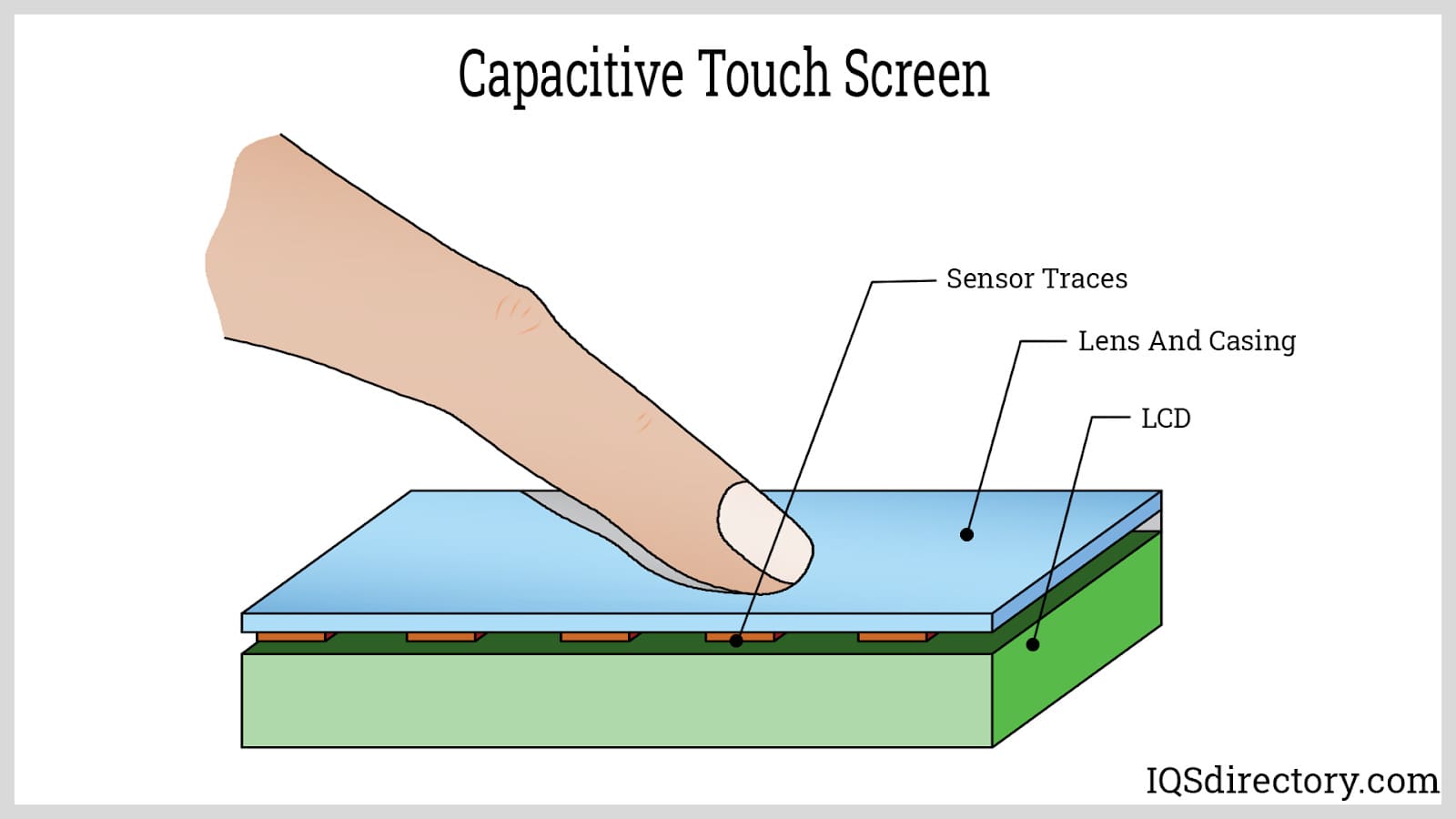
Smartphone touchscreens use a grid of transparent conductive material, typically indium tin oxide, to create an electrostatic field across the display[1][4]. Because the human body conducts electricity, your finger disrupts this field when it approaches or touches the screen, creating a measurable change in capacitance at that specific point[1][5].
A controller continuously scans this grid to detect these electrical variations[5]. By monitoring the entire grid, the system identifies multiple touch points simultaneously, allowing it to track complex gestures like pinching or zooming[4][5].
Save this answer
Create your account to keep this answer and continue from it later.
Sorry, Pandi could not find an answer.
Let's look at alternatives:
- Modify the query.
- Start a new thread.
- Remove sources (if manually added).