Pandipedia entry
The thinner touchscreen race

1/4
Rigid glass stays stable. A foldable opens larger, closes compact, and turns bending into the engineering challenge. š±.
2/4
In-cell puts touch electrodes inside the display cell. On-cell places a distinct sensor layer on the panel, usually slightly thicker. š.

3/4
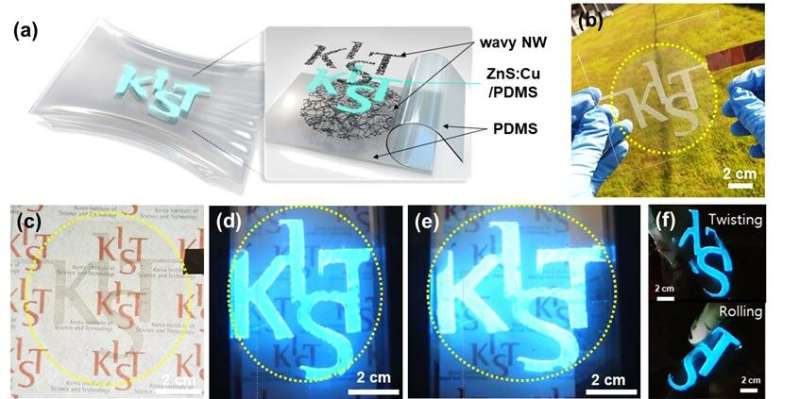
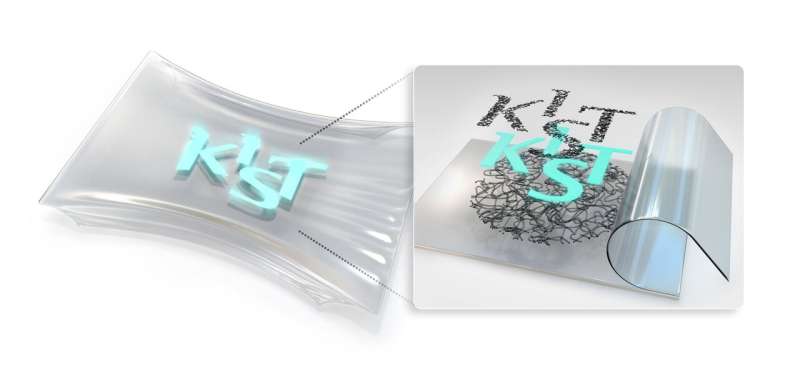
Flexible conductors can use silver nanowires, graphene, or conductive polymers. Hybrid networks can also sharpen sensing, while soft structures add haptic feedback. ā”.

4/4
The goal is not thinness alone: optimize thinness and transparency only when conductivity and repeated-bend reliability remain adequate. ā
.
Touchscreens are moving from rigid stacks toward integrated sensors, flexible conductors, and feedback that must survive repeated bending. Swipe to see the trade-off. š±
Sorry, Pandi could not find an answer.
Let's look at alternatives:
- Modify the query.
- Start a new thread.
- Remove sources (if manually added).
Continue exploring
Explore related topics
Four water effects, isolated in one Aqua Aero specimen studyHow might bio-degradable sensors reshape disposable health patches?Future forecast: How quantum sensors could revolutionize consumer bio-tracking. Describe quantum magnetometers and diamond NV centers, potential for ultra-precise biometrics, and commercialization timelines. Compare with current CMOS sensors.SPF does not mean time in the sun5 Biosensors Reshaping Noninvasive Health TrackingFrom Steps to Emotions: A Taxonomy of Wearable Sensor ModalitiesNext-Gen Fitness WearablesHow could smart textiles outperform wristbands in continuous vitals monitoring?. Compare skin-contact area, comfort, and sensor integration in clothing versus traditional wearables. Highlight prototypes and market readiness.