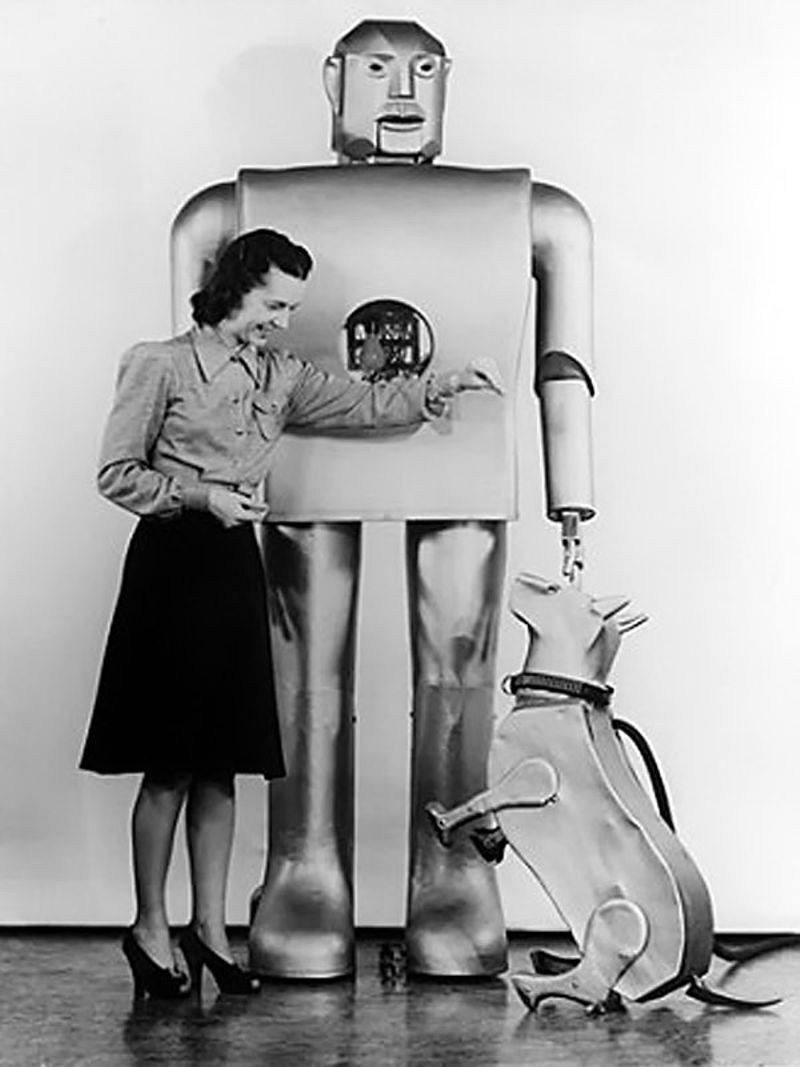
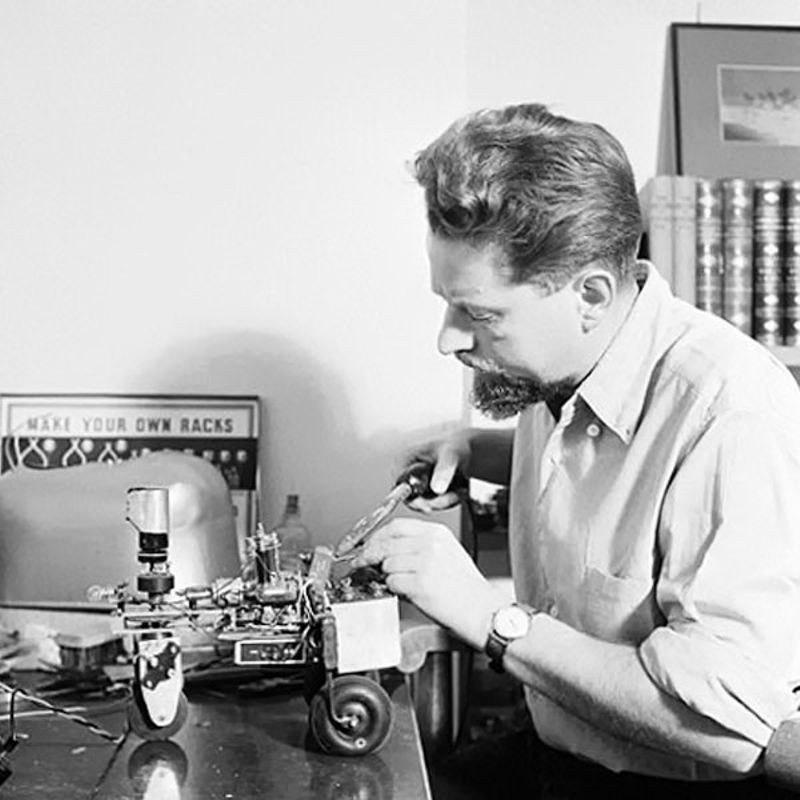
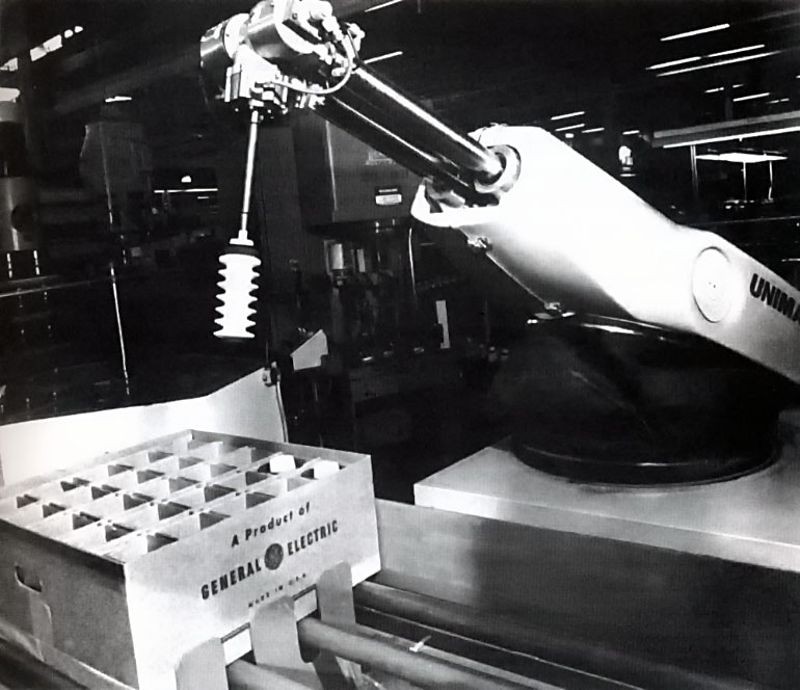
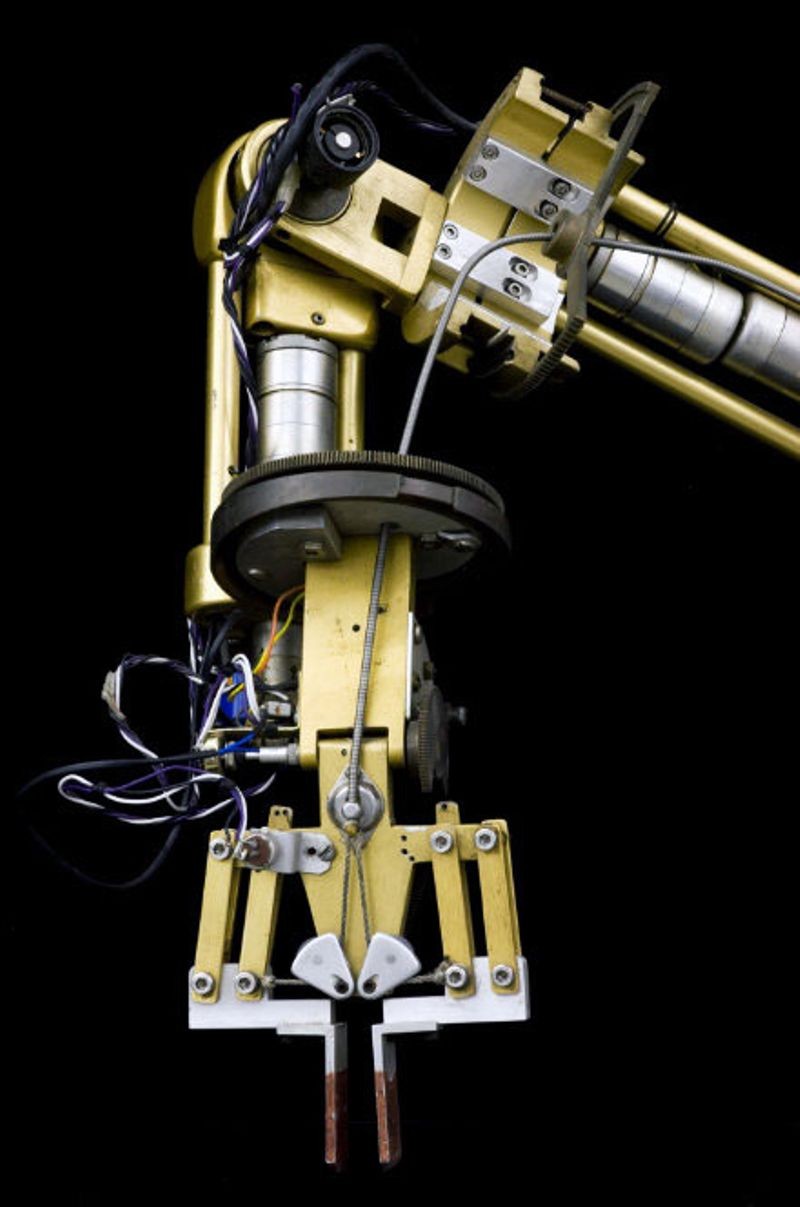
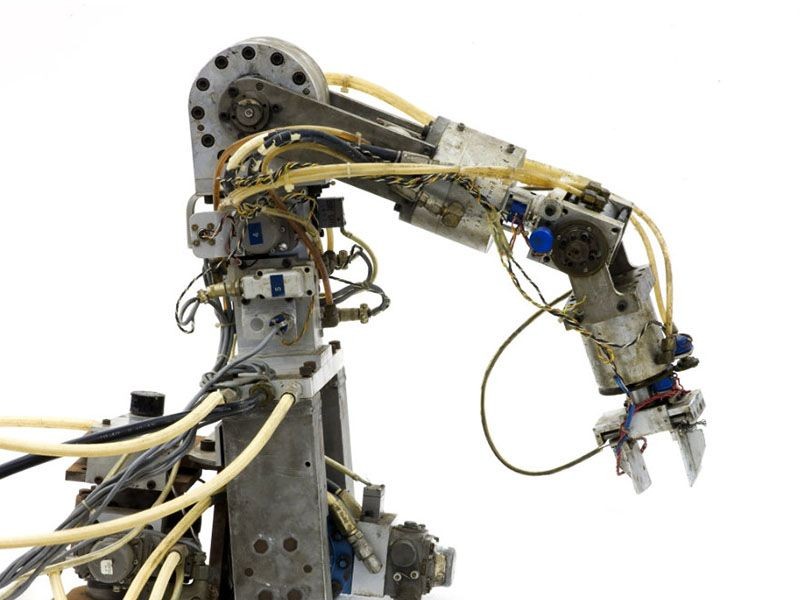
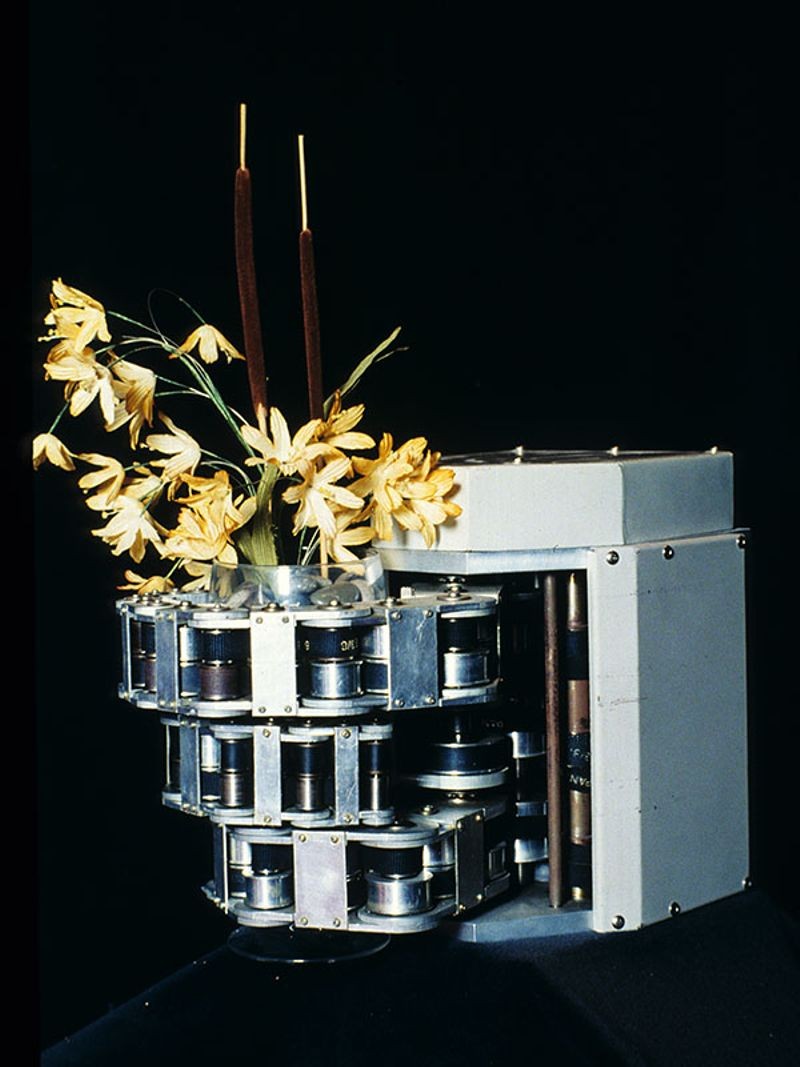
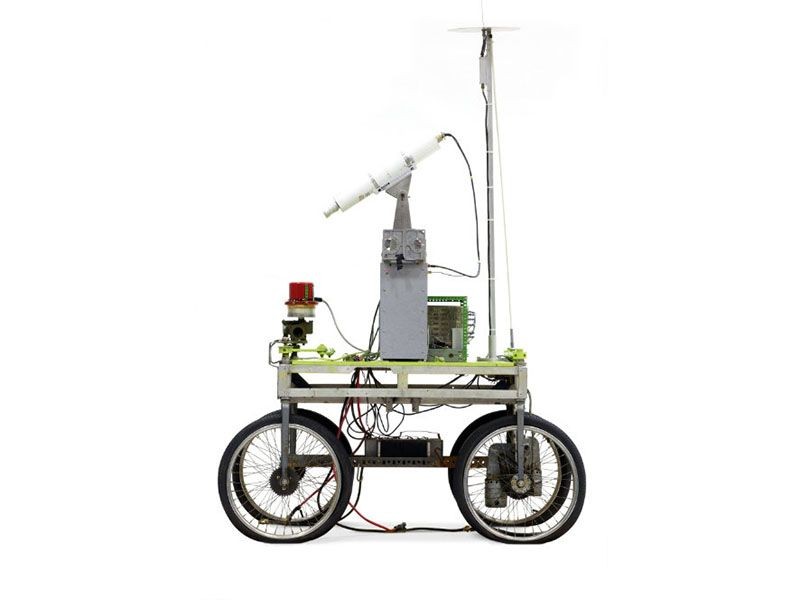
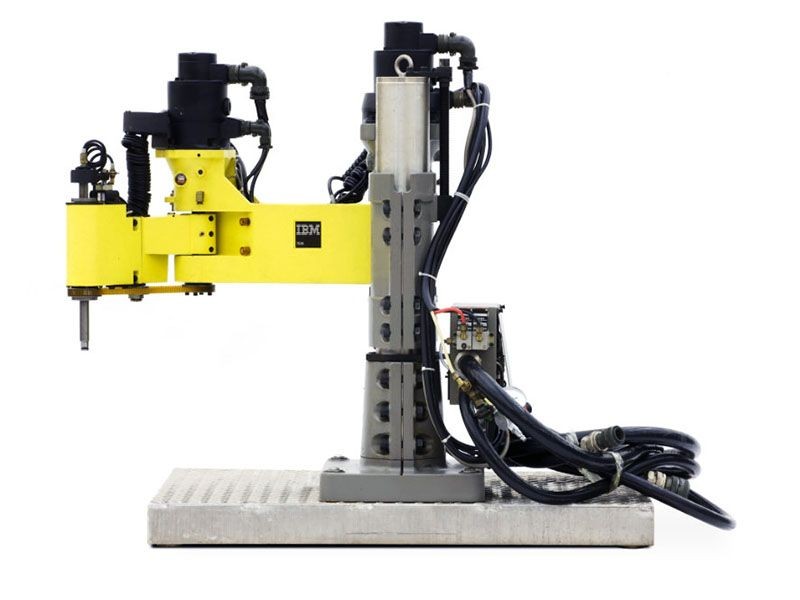
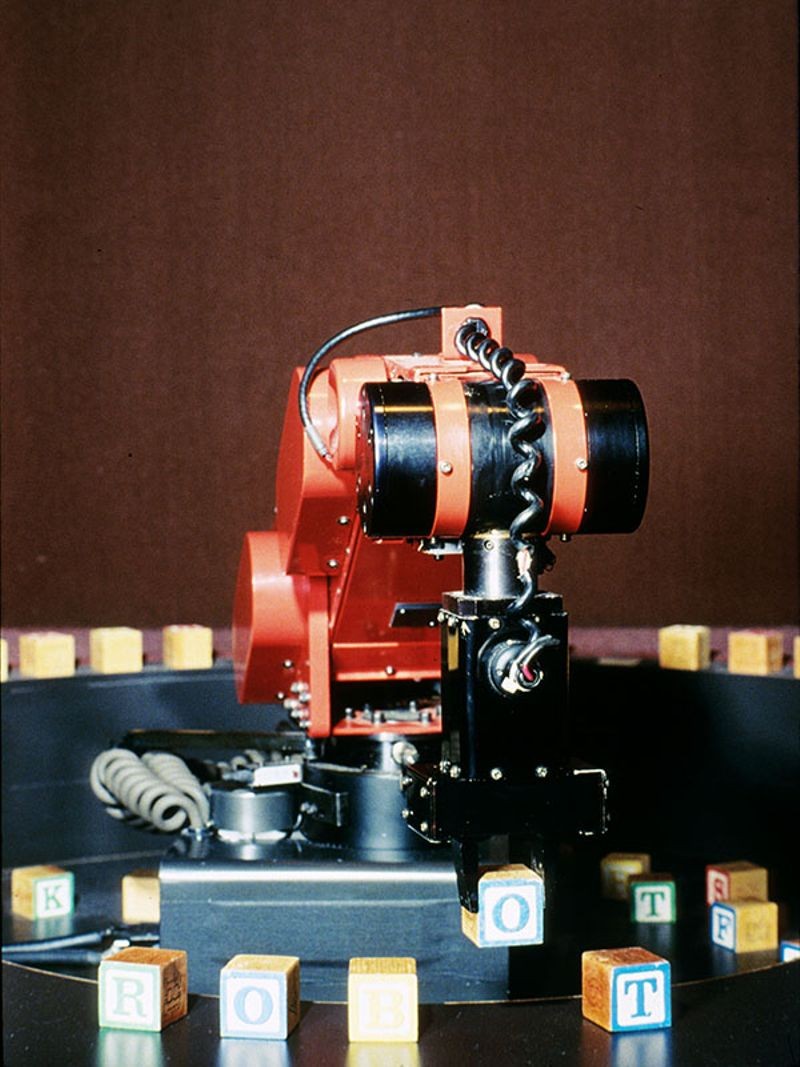
A visual timeline of landmark automation breakthroughs, from early showpiece automatons to the first industrial robot arms. These photos trace key steps in manipulation and mobility that led to modern robotics.


Let's look at alternatives:
- Modify the query.
- Start a new thread.
- Remove sources (if manually added).
 Curated by Joan







Let's look at alternatives:
- Modify the query.
- Start a new thread.
- Remove sources (if manually added).
Get more accurate answers with Super Pandi, upload files, personalised discovery feed, save searches and contribute to the PandiPedia.
Transcript
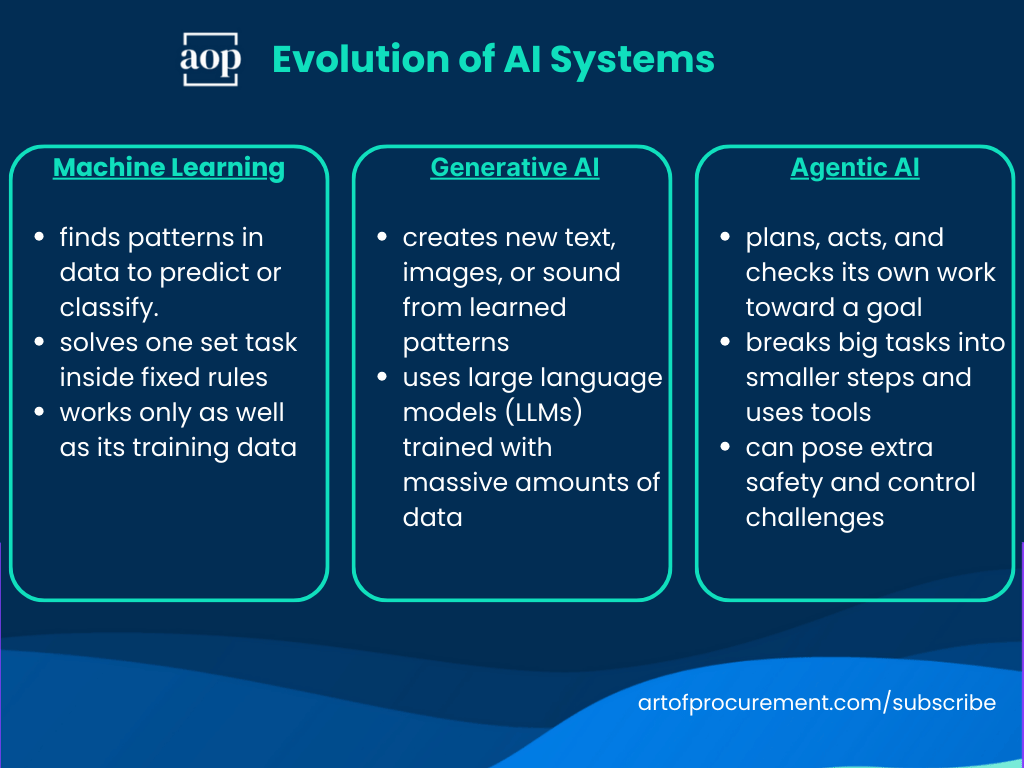
Imagine stepping into a virtual world where every digital character you create whispers secrets about your personality. In fact, research shows that your online avatar is not just a random picture but a revealing mirror of your inner traits. When you choose a lively smile and open eyes, you might be signaling warmth and approachability. Some people decide to hide behind sunglasses or hats, suggesting they prefer to keep a guarded side to themselves. In online environments, whether playing a game or meeting colleagues, your digital self can boldly convey whether you are friendly, creative, or professional. In professional settings, people tend to choose realistic and lifelike images to look trustworthy and competent, while in leisure settings, abstract or fantastical avatars often express individuality and playfulness. Your avatar is more than a substitute for a photograph; it is a carefully crafted visual identity that sends subtle messages about who you really are. So next time you customize your digital self, think about the hidden traits you are expressing to the world.
Let's look at alternatives:
- Modify the query.
- Start a new thread.
- Remove sources (if manually added).






Without intervention, AI's trajectory could shift from being a catalyst for progress to a force that entrenches inequality.
Unknown[2]

Democracy thrives when decisions are made in the open, not behind closed doors.
Joe Kwon[5]

The potential consequences for democracy are immediate and severe.
Unknown[6]

Transparency offers a more balanced path: an approach that keeps AI developers moving forward responsibly.
Unknown[5]

We must ensure that AI serves democratic—not corporate—ends.
Unknown[4]
Let's look at alternatives:
- Modify the query.
- Start a new thread.
- Remove sources (if manually added).







Let's look at alternatives:
- Modify the query.
- Start a new thread.
- Remove sources (if manually added).
Let's look at alternatives:
- Modify the query.
- Start a new thread.
- Remove sources (if manually added).
Get more accurate answers with Super Pandi, upload files, personalised discovery feed, save searches and contribute to the PandiPedia.
Let's look at alternatives:
- Modify the query.
- Start a new thread.
- Remove sources (if manually added).





Sound signals are used when lights and other sea marks are obscured, assisting the mariner when vision is limited[1]. Coast fog-signals provide information to mariners, and allow them to continue their voyage with comparative safety, even when visibility is low[1].
Without fog signals, buoys, beacons, and other signs of the sea are rendered useless[1]. The anxious mariner can get a warning in time to enable him to alter his course, and probably save his vessel[1]. The development of sound signals is for the obscured lights and hidden seamarks[1].
Let's look at alternatives:
- Modify the query.
- Start a new thread.
- Remove sources (if manually added).
They took them away alive, we want them returned alive
Mothers of Plaza de Mayo[6]
We want to know what happened to our children.
Unknown[5]
Our children are not forgotten. They live in our fight.
Unknown[6]
The heart of the movement was always women's feelings.
Hebe de Bonafini[5]
We will continue to raise our voices until justice is served.
Mothers of Plaza de Mayo[6]
Let's look at alternatives:
- Modify the query.
- Start a new thread.
- Remove sources (if manually added).


The Black Death, which swept through Europe between 1347 and 1352, was more than a catastrophic health crisis; it catalyzed profound demographic, social, economic, and cultural changes that would reshape European society for generations.
Demographic Catastrophe
The immediate impact of the Black Death was staggering mortality. Estimates suggest that roughly one-third to half of Europe's population perished due to the plague, with figures indicating that about 25 million people died in this period[1][4][9]. Some cities experienced even higher death rates; for example, in Florence, the population fell from around 120,000 to about 50,000 within a few years[4]. The decimation of the population resulted in substantial disruptions to communities and local economies, as many villages were abandoned—over 1,000 in England alone[9].
Economic Impact
The Black Death drastically altered the economic landscape. The sharp decline in population led to a severe shortage of labor. Consequently, landowners began to substitute wages for traditional labor services to retain their tenants, which significantly improved the economic conditions of surviving peasants and laborers[2][9]. Wages increased dramatically as labor became scarce, enabling former serfs to negotiate better living conditions, clothing, and even luxuries they could not obtain prior to the plague[3][7].
Despite attempts to reinstate pre-plague wage levels through laws like the Statute of Labourers (1351), these measures often failed due to a labor market that could not be ignored by landowners desperate for workers[8][10]. The resulting socio-economic shifts contributed to the gradual erosion of the feudal system, as peasants gained more mobility and power in negotiating their terms of work and land use[6][8].
Social Transformations
The collapse of traditional social hierarchies was another significant outcome of the Black Death. The survivors, particularly peasants and laborers, found themselves in a position to challenge the established order. The wealth and power dynamics shifted, with the formerly rigid caste system beginning to fracture[2][3]. The immediate response from the ruling classes included attempts to enforce sumptuary laws to curb the newfound lifestyle and wealth of the lower classes, demonstrating the anxiety of the elites regarding their waning control over society[1][2].
Social mobility increased significantly, as individuals could acquire land and improve their economic standing in ways that had not been previously possible. The profound changes in labor supply and demand brought about by the plague allowed voices of the common people to rise, culminating in significant events like the Peasants' Revolt of 1381 in England, which was partly fueled by grievances related to taxation and labor restrictions[6][8][9].
Psychological and Cultural Effects

The pervasive fear and psychological toll of the Black Death led to a marked shift in cultural and religious attitudes across Europe. Art and literature became more reflective and morbid, often preoccupied with themes of death and mortality. This change was notably seen in the creation of motifs such as the 'Dance of Death'[9][10]. The church's authority also began to wane as people questioned its inability to provide explanations or solutions to the plague, leading many to explore alternative spiritual and mystical avenues, including the rise of movements like the Flagellant Movement, where individuals sought penance through self-flagellation[6][10].
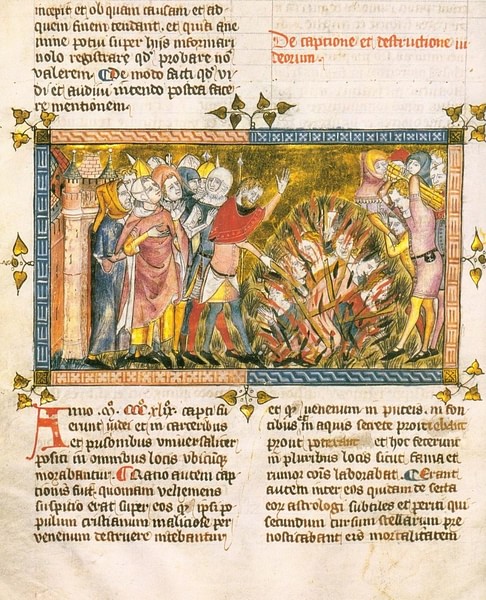
Severe anti-Semitism also emerged as Jews were scapegoated for the plague, leading to widespread persecution and violence against Jewish communities across Europe[4][9]. This period witnessed mass executions and atrocities against Jews, stemming from unfounded beliefs that they were responsible for poisoning wells and causing the spread of the disease[6][10].
Long-Term Consequences
In the long run, the effects of the Black Death reshaped the socio-economic landscape of Europe. By reducing the overall population, the Black Death allowed for a greater redistribution of wealth, increased demand for labor, and facilitated the transition away from serfdom, particularly in Western Europe, by 1500[8][9]. While the surviving population slowly began to recover, societal structures and economic conditions fundamentally changed.
Ultimately, the Black Death served as both a devastating tragedy and a pivotal turning point in European history, accelerating transformations that were already underway and facilitating the transition into the modern economic and social order[2][5][7][10].
Let's look at alternatives:
- Modify the query.
- Start a new thread.
- Remove sources (if manually added).
 Curated by Joan