







Let's look at alternatives:
- Modify the query.
- Start a new thread.
- Remove sources (if manually added).

Let's look at alternatives:
- Modify the query.
- Start a new thread.
- Remove sources (if manually added).
Get more accurate answers with Super Pandi, upload files, personalised discovery feed, save searches and contribute to the PandiPedia.
- Ancient ComplaintBad service is ageless. In 1750 BCE, Nanni's clay tablet to Ea‑nāṣir shows customer frustration is timeless. What irritates you most?
Let's look at alternatives:
- Modify the query.
- Start a new thread.
- Remove sources (if manually added).

Let's look at alternatives:
- Modify the query.
- Start a new thread.
- Remove sources (if manually added).
Let's look at alternatives:
- Modify the query.
- Start a new thread.
- Remove sources (if manually added).
Let's look at alternatives:
- Modify the query.
- Start a new thread.
- Remove sources (if manually added).
Get more accurate answers with Super Pandi, upload files, personalised discovery feed, save searches and contribute to the PandiPedia.
A visual tour of Frutiger Aero’s organic forms: fluid gloss, rounded bubbles, and softly curved spaces and landscapes. From abstract light waves to bubble-clad vistas and sleek interiors, each image highlights smooth contours and flowing gradients that define the style’s natural, optimistic feel.










Let's look at alternatives:
- Modify the query.
- Start a new thread.
- Remove sources (if manually added).
Transcript
Social media is significantly reshaping political discourse by enabling real-time engagement, fostering grassroots movements, and broadening the participation of diverse political actors. Platforms like Facebook, Twitter, and Instagram facilitate quick dissemination of information, allowing individuals and groups to mobilize support for social and political causes, exemplified by movements such as #BlackLivesMatter and the Arab Spring. However, these platforms also contribute to the spread of misinformation, polarization, and echo chambers, which can distort public opinion and undermine democratic processes.
Let's look at alternatives:
- Modify the query.
- Start a new thread.
- Remove sources (if manually added).
 Curated by Joan

Transcript
Welcome to your speed briefing on the ethics of AI avatars. In sixty seconds, we'll cover the core concerns: consent, deepfakes, and cultural appropriation. First, consent. Using a person's digital likeness, from their face to their voice, without permission is a major legal risk. This violates the 'right of publicity,' which is the right to control how your identity is used for commercial purposes. Over 96 percent of deepfake content involves non-consensual use of individuals' likenesses. As one ethicist noted after a voice clone of David Attenborough was created, people should have control over representations of their identity. Without clear contracts and explicit consent, companies risk legal action for everything from false endorsement to voice theft. Next, deepfakes. These are hyper-realistic but fake videos, images, or audio created by AI. While some are for entertainment, they are mainly weaponized for malicious purposes. About 96 percent of deepfakes are non-consensual pornographic videos that exclusively target and harm women, a practice one victim called 'virtual rape.' Deepfakes are also used to create political disinformation and scams, worsening the global post-truth crisis by making it harder to distinguish fact from fiction. Finally, cultural appropriation. AI models are trained on vast datasets, often taking cultural elements without respect or acknowledgement. This can trivialize sacred symbols and reinforce stereotypes. Because the infrastructure for AI is concentrated in Western tech corporations, the systems often reproduce and amplify existing cultural hierarchies. This has been described as a new form of digital colonialism, where AI perpetuates power imbalances by misrepresenting or commodifying cultures to which its creators have no claim. From consent to culture, the rise of AI avatars forces us to confront who has control over our digital identities and heritage. That was your speed briefing.
Let's look at alternatives:
- Modify the query.
- Start a new thread.
- Remove sources (if manually added).








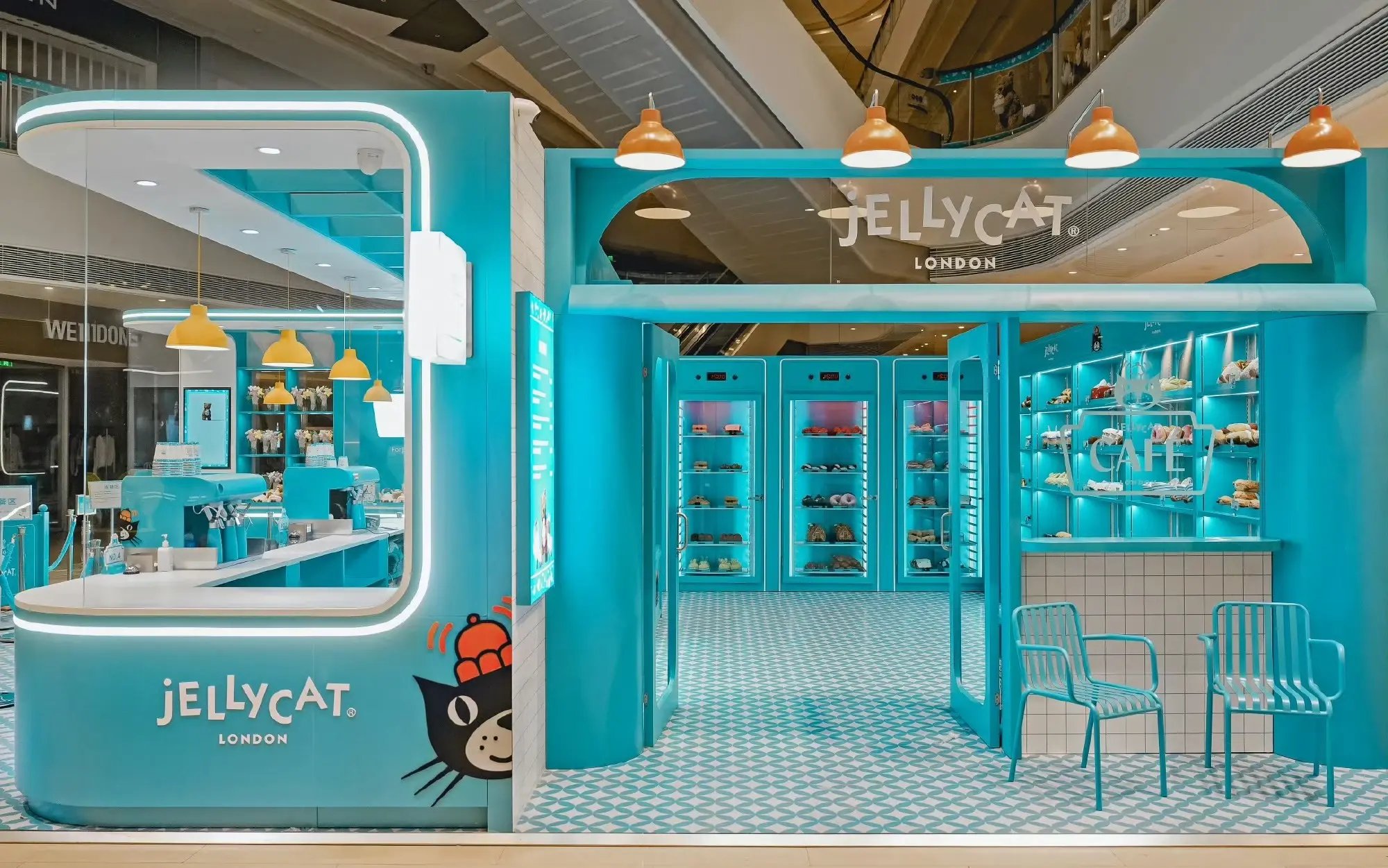
Jellycat was founded in 1999 in London by brothers Thomas and William Gatacre, originally targeting a niche in the plush toy market that combined quirky designs with premium quality. Their vision was to produce soft toys that stood out due to their unique style and luxurious materials. Initially starting with a small stall at trade shows, the brand quickly gained popularity and secured partnerships with prominent retailers such as John Lewis and Selfridges, which contributed to its early growth and recognition in the market[3][6].
By 2021, Jellycat expanded its operations internationally, opening a subsidiary in Minneapolis in 2001. This global reach has allowed the company to establish a presence across many markets, including the US, Europe, and Asia. As of the end of 2023, Jellycat reported revenue growth of 37%, reaching £200 million, largely attributed to its booming online presence and successful marketing strategies[1][9].
Unique Marketing Strategies

Jellycat's marketing strategy is centered around the emotional appeal of its products, focusing on comfort, nostalgia, and joy. The company has effectively tapped into broader consumer trends, particularly during the COVID-19 pandemic, where demand for comforting products surged. As consumers shifted focus to online shopping, Jellycat's revenue saw an impressive increase, showcasing its ability to thrive under changing market conditions[4][9].
To further engage customers, Jellycat introduced experiential marketing initiatives like the 'Jellycat Diner' and various pop-up cafes in major cities worldwide. These immersive experiences not only heightened brand visibility but also fostered community engagement and excitement. The pop-up concepts, which included thematic elements like a fish and chips shop in London and a patisserie in Paris, have proven successful in attracting significant foot traffic and have often gone viral on social media, amplifying the brand's reach[1][8][9].
Emphasis on Quality and Design
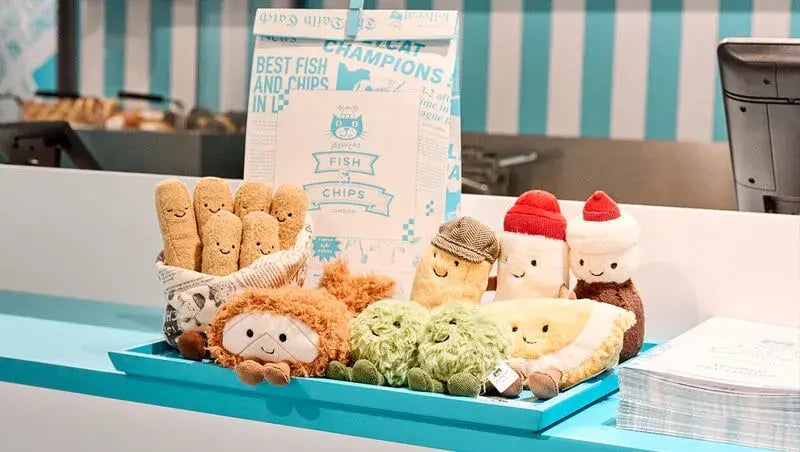
A cornerstone of Jellycat's appeal lies in its commitment to quality. The brand prioritizes the use of soft, luxurious fabrics and innovative designs that appeal to both children and adult collectors. This focus on high-quality materials has allowed Jellycat to differentiate itself from competitors in the plush toy market, leading to a strong following among both young and adult consumers. Jellycat's designs are often whimsical, featuring everything from plush animals to quirky objects like food items, further enhancing their collectability[6][7][9].
Moreover, Jellycat has effectively embraced the concept of anthropomorphism, giving their toys distinct personalities that resonate emotionally with consumers. This strategy not only helps forge strong connections with customers but also supports the brand's positioning within the lifestyle market, appealing to a wider age range than traditional toy companies[1][3].
Digital and Social Media Presence

In today's digital landscape, social media plays a vital role in Jellycat's marketing efforts. The company has cultivated a robust online presence, with extensive user-generated content from fans sharing their collections on platforms like TikTok and Instagram. This community-driven content has significantly enhanced brand visibility and engagement, creating a sense of urgency and collectability around Jellycat products. With over half a million followers on TikTok and a robust presence on Instagram, Jellycat has crafted a unique niche that allows customers to engage with the brand in personal and meaningful ways[9].
Jellycat's ability to adapt its marketing strategies to suit current trends has been crucial for its ongoing success. The brand continuously releases new collections, introducing around 200 new items each January and July, thereby maintaining excitement and interest among consumers[3][5]. Additionally, their focus on creating emotional connections through their products and marketing strategies has fostered lasting loyalty amongst customers.
Looking to the Future
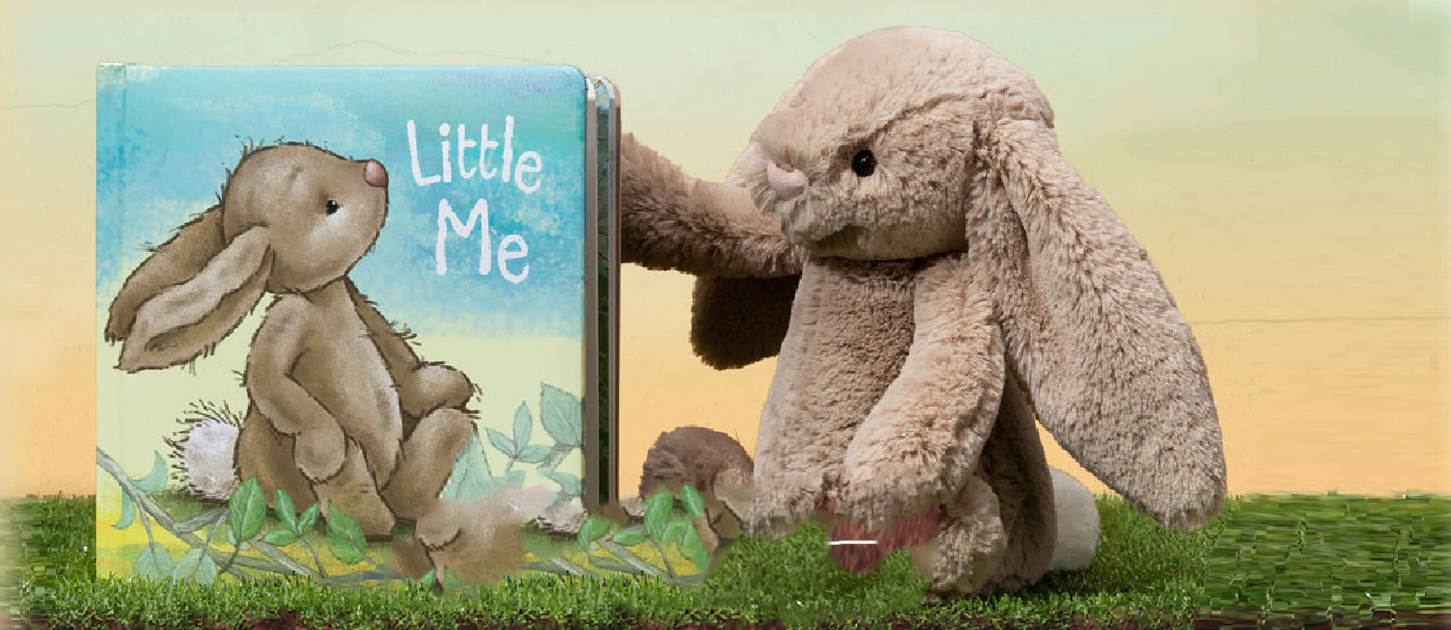
Future initiatives for Jellycat include a continued emphasis on sustainability, with plans to implement environmentally friendly practices and materials within their operations. This focus not only aligns with evolving consumer values but also helps solidify Jellycat's reputation as a responsible brand in a competitive market[3][8].
In conclusion, Jellycat's journey from a small stall at trade shows to a leading luxury plush toy brand is a testament to its innovative designs, effective marketing strategies, and dedication to quality. By emotionalizing its product experience and leveraging community engagement through digital platforms, Jellycat has successfully carved a unique space in the plush toy market, appealing to a diverse consumer base across generations.
Let's look at alternatives:
- Modify the query.
- Start a new thread.
- Remove sources (if manually added).