Transcript
Cultural heritage is important because it embodies identities, traditions, and shared values, fostering a sense of community and belonging. It acts as a collective memory, connecting past, present, and future, and is crucial for peace, diversity, and local economies. The preservation of cultural heritage helps to promote mutual respect among different cultures and is vital for understanding our history and humanity. Additionally, recognizing and safeguarding cultural heritage is essential for confronting global challenges like climate change and armed conflict.
Let's look at alternatives:
- Modify the query.
- Start a new thread.
- Remove sources (if manually added).
 Curated by Joan







Frederick Douglass, a former enslaved person born around 1818, emerged as a leading voice in the abolitionist movement, profoundly influencing its goals and methods. His journey from slavery to freedom, coupled with his exceptional eloquence as a writer and speaker, made him a pivotal figure in the fight against slavery and for equal rights.
Early Life and Education
Born Frederick Augustus Washington Bailey in Maryland, Douglass faced a traumatic childhood marked by separation from his mother and exposure to the brutality of slavery. His mother was a slave, and his father was rumored to be a white plantation owner, highlighting the complexities of his identity in a divided society. From a young age, Douglass experienced the harsh realities of enslavement, including witnessing the violent treatment of other slaves, which left a profound impact on him[3][4][6].
Douglass's education began in the household of Hugh Auld in Baltimore, where he learned the alphabet from Auld's wife, Sophia, despite the widespread prohibition against educating enslaved people. This initial exposure to literacy unlocked Douglass's desire for knowledge and ultimately fueled his resolve to escape slavery. He wrote, “To educate a man is to unfit him to be a slave,” capturing the transformative power of education in his life[1][7].
Escape to Freedom
In 1838, Douglass successfully escaped from slavery, eventually settling in New Bedford, Massachusetts. His escape was facilitated by his marriage to Anna Murray, a free Black woman who supported his quest for freedom[6][7][9]. Settling in a vibrant free Black community, Douglass began to engage with the abolitionist movement and rapidly became a prominent speaker and writer against the institution of slavery.
Role in the Abolition Movement
Douglass's entry into the abolitionist movement was marked by a significant event in 1841 when he was invited to speak at an anti-slavery convention. His compelling oratory captured the audience's attention, and he was invited to become an agent for the Massachusetts Anti-Slavery Society, a position that allowed him to travel and speak across the country[2][5]. He became a key figure in the American Anti-Slavery Society, where he utilized his voice to advocate for emancipation and civil rights[2][4].
His autobiographical works, particularly Narrative of the Life of Frederick Douglass, an American Slave, published in 1845, challenged stereotypes about Black intellectual capacity and the morality of slavery. The autobiography detailed his life experiences, exposing the realities of slave life and the psychological and physical abuses endured by enslaved individuals. It was a critical tool in garnering support for the abolitionist cause as it humanized the struggle for freedom[3][9].
Entrenched in his activism, Douglass published The North Star, an abolitionist newspaper that provided a platform for discussing anti-slavery issues and promoting social reform[9]. Through his writings, he sought to influence public opinion and advocate for civil rights for all, asserting that 'Right is of no Sex—Truth is of no Color'[9].
Advocacy for Women's Rights
Douglass's influence extended beyond abolitionism to women's rights. He was the only African American to attend the Seneca Falls Convention in 1848, where he spoke in favor of women's suffrage. He famously argued that he could not accept the right to vote as a Black man if women could not claim that right as well. His advocacy emphasized the interconnectedness of social justice movements, challenging the notion that the fight for Black rights and women's rights were separate struggles[2][6][8].
Engagement with Political Leaders
Douglass's relationship with political leaders, particularly Abraham Lincoln, further exemplified his role in the abolitionist movement. Initially supportive of Lincoln, Douglass became critical when the Emancipation Proclamation did not guarantee voting rights for formerly enslaved individuals. He felt that the liberation of Black Americans was incomplete without the right to vote[5][8]. Despite their differences, Douglass worked closely with Lincoln during the Civil War, advocating for the enlistment of Black soldiers in the Union Army and emphasizing equal treatment for those soldiers[5][9].
Legacy and Continued Influence

Douglass continued to speak out for equality and justice until his death in 1895. His writings and speeches remain influential in civil rights discussions today, illustrating the enduring impact of his voice in American history. His assertion that 'Without struggle, there can be no progress” continues to resonate in contemporary movements advocating for social justice and equality[1][4][8].
In summary, Frederick Douglass's contributions to abolitionism were marked by powerful oratory, insightful writings, and a steadfast commitment to civil rights. He transformed the narrative surrounding slavery through his firsthand accounts and advocacy, making him an invaluable figure in American history whose influence is still felt today.
Let's look at alternatives:
- Modify the query.
- Start a new thread.
- Remove sources (if manually added).




Get more accurate answers with Super Pandi, upload files, personalised discovery feed, save searches and contribute to the PandiPedia.

Geopolitical tensions have increasingly influenced global supply chains, reshaping their dynamics and complicating operations across various regions. Multiple factors contribute to the fragile state of current supply chains, including conflicts, trade agreements, and economic policies.
Supply Chain Resilience and Flexibility

The experience of the COVID-19 pandemic and recent geopolitical conflicts has demonstrated the vulnerability of supply chains and highlighted the need for greater resilience and flexibility. A KPMG report notes that supply chain managers are now emphasizing logistical flexibility over sourcing flexibility, responding to disruptions such as the Baltimore bridge collapse, which significantly affected maritime and trucking logistics[5]. In reaction to unexpected incidents, organizations have increased their flexibility by adjusting policies to accommodate longer working hours and rerouting freight.
Additionally, as tensions rise, especially in volatile regions like the Middle East, companies are forced to reconsider traditional dependencies. The necessity of diversifying supply chains has become evident, as firms seek alternatives to navigate geopolitical risks. QuoIntelligence outlines that while the immediate effects of escalated tensions, such as maritime disputes in the Red Sea, may be limited, they still heighten the need for strategic risk management and diversification efforts[6].
Impact of Conflicts and Trade Policies
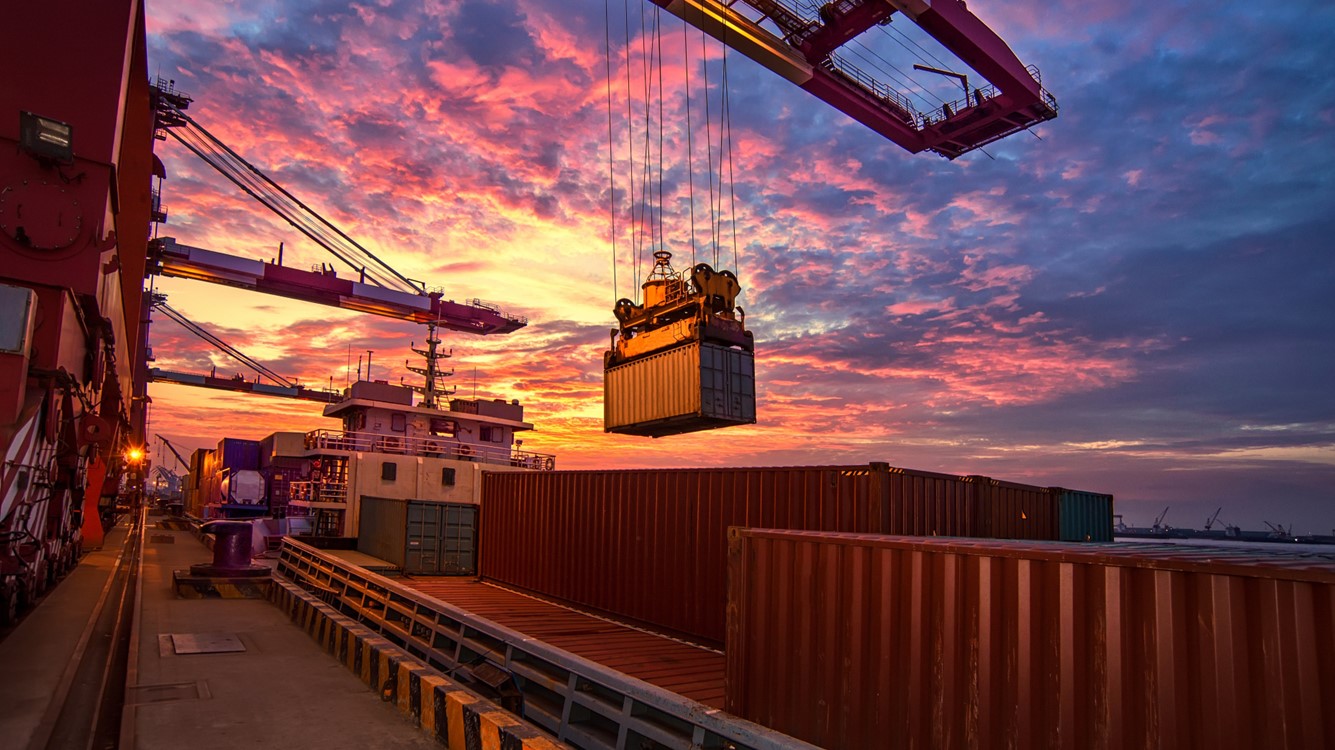
Recent geopolitical events, including labor disputes and international conflicts, have driven supply chains toward a state of persistent fragility. KPMG highlights that 2024 is expected to bring an ongoing series of disruptions due to labor strikes, cyber incidents, and geopolitical conflicts, particularly in key logistical corridors—creating an urgent need for companies to fortify their operations against such unpredictability[5].
The report also emphasizes that the U.S.-Mexico-Canada Agreement (USMCA) adds another layer of complexity to supply chain management. As firms look to near-shore and friend-shore their supply chains in response to geopolitical tensions, uncertainties regarding trade agreements, particularly in light of the U.S. elections, loom large[5]. Companies reliant on cross-border investments, particularly in the automotive and semiconductor industries, may face profound impacts from these negotiations.
Financial Markets and Economic Policies
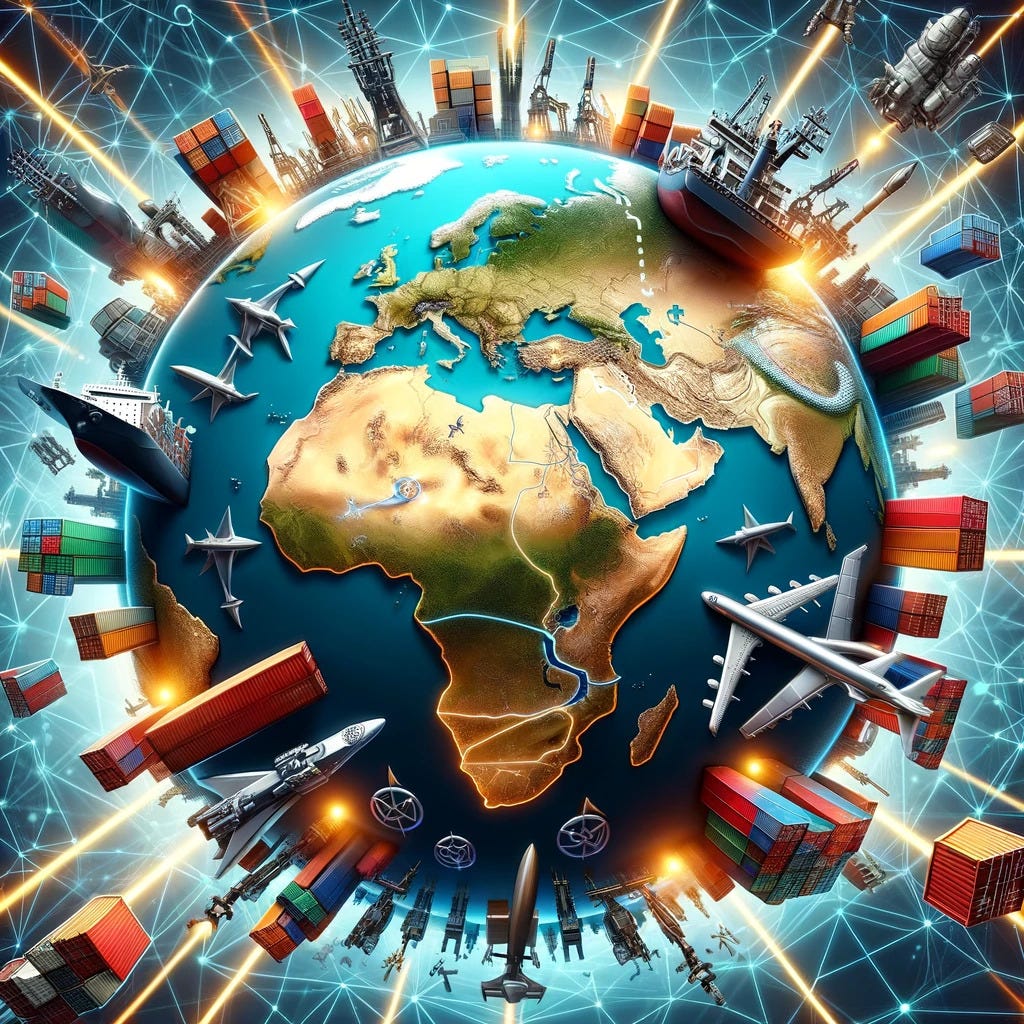
Geopolitical tensions also have implications for monetary policies and inflation. The Financial Times notes that central banks have begun paying closer attention to supply chain operations due to their tie to global inflation rates. As supply-driven inflation remains uncertain, central banks like the Federal Reserve and the European Central Bank are raising their expectations regarding terminal rates, which are critical to economic planning[2][5]. Such adjustments indicate that global supply chain dynamics can have pronounced effects on broader economic conditions, influencing decision-making at the highest levels of government.
Evolving Maritime Security Concerns
Maritime security has become a pressing issue amid rising geopolitical tensions. The ongoing conflicts in the Middle East, specifically the Red Sea crisis, manifest in threats to shipping routes that are vital for international trade. According to QuoIntelligence, the increase in assaults on cargo ships has prompted major shipping companies to avoid direct passages through the Red Sea, opting instead for longer routes—including traversing around Africa—to avoid potential disruptions[6]. This shift not only lengthens delivery times but also drives up costs significantly—a factor reflected in the increased freight rates for essential goods.
Additionally, the battle for maritime security poses challenges to logistics and shipping operations, leading shipping companies to reassess routes and security measures. This demand for enhanced security translates into higher insurance premiums for shipping operations, further stressing supply chains[6].
Future Directions and Strategic Recommendations

To mitigate the impacts of geopolitical tensions on supply chains, organizations must adopt proactive strategies focused on resilience and adaptability. Corporations are advised to incorporate geopolitical considerations into their business models, thereby enhancing their operational response and strategic planning[4]. Some of the pivotal steps for companies include increasing supply chain resilience by identifying alternative suppliers and transportation routes, as well as reviewing and updating business continuity plans to account for the unique risks posed by shifting geopolitical landscapes[5][6].
As geopolitical complexities deepen, it's evident that businesses must stay informed and agile, adapting to continuous changes to maintain operational integrity and competitive advantage. They should also focus on long-term investment in technologies and data analytics to better predict supply chain disruptions and optimize responses to emerging risks.
In conclusion, geopolitical tensions significantly impact global supply chains, necessitating a paradigm shift in how companies operate. Emphasizing flexibility, security, and proactive management will be essential in navigating this uncertain environment.
Let's look at alternatives:
- Modify the query.
- Start a new thread.
- Remove sources (if manually added).
 Curated by Joan



Let's look at alternatives:
- Modify the query.
- Start a new thread.
- Remove sources (if manually added).



Let's look at alternatives:
- Modify the query.
- Start a new thread.
- Remove sources (if manually added).

To unclog a slow shower drain, you can start by manually removing visible hair or debris with gloves or tweezers. This is often the quickest solution, as hair is the most common cause of clogs[2]. If that doesn't work, try pouring a cup of baking soda followed by a cup of vinegar down the drain, then flush with hot water after a few minutes. This creates a fizzy reaction that can help break down buildup[3][4].
If these methods fail, it's time to open the drain cover. Unscrew or pry it off, then use a drain snake or a wire hanger to retrieve deeper clogs[1][5]. Rinse afterward with hot water to clear any remaining residue.
Let's look at alternatives:
- Modify the query.
- Start a new thread.
- Remove sources (if manually added).


Get more accurate answers with Super Pandi, upload files, personalised discovery feed, save searches and contribute to the PandiPedia.
- Tea Ritual CornerTransform your kitchen into a mini sanctuary —pick one tea for a 3-minute pause daily Which blend calms you?

Let's look at alternatives:
- Modify the query.
- Start a new thread.
- Remove sources (if manually added).


Only 10,000 units of the TR-909 were ever made.
Its sounds, especially the punchy kick and sharp hi-hats, defined house music.
The TR-909 was the first Roland drum machine to use MIDI technology.
Released in 1983, the TR-909 was initially a commercial failure.
The 909's unique sound has influenced genres from techno to pop.
Let's look at alternatives:
- Modify the query.
- Start a new thread.
- Remove sources (if manually added).



Frutiger Aero imagery conveys a harmonious relationship between technology and nature, reflecting an optimistic vision where both coexist peacefully. The aesthetic features bright colors, natural elements, and glossy textures, suggesting that advancements in technology can enhance our environment rather than detract from it[1].
This interplay emphasizes interconnectedness, promoting a future where digital innovation complements the natural world. Scholars argue that the imagery evokes a sense of utopia where efficiency and environmental consciousness unite, appealing to a generation yearning for nostalgia in an increasingly complex world[4].
Let's look at alternatives:
- Modify the query.
- Start a new thread.
- Remove sources (if manually added).

Let's look at alternatives:
- Modify the query.
- Start a new thread.
- Remove sources (if manually added).