Transcript
- Danyang-Kunshan Grand Bridge: The world's longest bridge at 102 miles (164 km), located in China, opened in 2011. - Changhua-Kaohsiung Viaduct: The second-longest bridge at 97 miles (157 km), part of Taiwan's High-Speed Railway. - Cangde Grand Bridge: The third-longest bridge at 72 miles (116 km), also part of the Beijing-Shanghai High-Speed Railway. - Tianjin Grand Bridge: Fourth-longest bridge at 70.6 miles (113 km), enabling China's high-speed rail services since 2011. - Weinan Weihe Grand Bridge: Once the longest bridge in the world, now the fifth longest at 49 miles (79 km). - Hong Kong-Zhuhai-Macau Bridge: The sixth longest bridge at 34 miles (55 km) connecting three regions in China. - Bang Na Expressway: The seventh longest bridge at 34.2 miles (55 km), an elevated highway in Thailand. - Beijing Grand Bridge: Eighth longest bridge at 30 miles (48 km) on the Beijing-Shanghai High-Speed Railway. - Lake Pontchartrain Causeway: The ninth longest, at 23.8 miles (38.4 km), recognized as the longest continuous bridge over water in the U.S.. - Wuhan Metro Bridge: The tenth longest bridge at 23.5 miles (38 km), part of the metro system in Wuhan, China. - Danyang-Kunshan: A major railway bridge near Shanghai, China, known for its remarkable length. - Changhua-Kaohsiung: A prominent viaduct in Taiwan ensuring earthquake resilience and high-speed travel. - Tianjin: A key bridge in Hebei, China, facilitating rapid rail travel between major urban centers. - Lake Pontchartrain: A unique causeway in Louisiana, USA, famous for its nearly unbroken stretch over water. - Wuhan: A vital city in central China, featuring one of the longest metro bridges in the world. - Bangkok: The bustling capital of Thailand, home to the long Bang Na Expressway providing vital transport. - Hong Kong: A vibrant city known for its bridge connecting it with Zhuhai and Macau across the sea. - Macau: Known for its casino attractions, it is also linked by the Hong Kong-Zhuhai-Macau Bridge. - Beijing: The capital of China, where multiple long bridges are integral to its high-speed rail network. - Zhuhai: A coastal city in China, linked by one of the world's longest bridges and key to transport.
Let's look at alternatives:
- Modify the query.
- Start a new thread.
- Remove sources (if manually added).
 Curated by Joan




Colors are powerful influencers that significantly affect human emotions, behaviors, and perceptions. The study of color psychology reveals how various hues can evoke specific feelings, impacting satisfaction in numerous areas, including marketing, interior design, and personal well-being. Understanding these effects can enhance experiences and improve mood across different contexts.
Emotional Responses to Colors

Colors can elicit a wide range of emotional responses. For example, red is commonly associated with passion, urgency, and excitement, which can stimulate appetite and prompt quick decisions in consumers. This is why red is often used in clearance sales and fast-food branding to generate an immediate response from potential buyers[1][7]. In contrast, blue is linked to trust, calmness, and reliability, making it a popular choice in corporate and healthcare settings where a sense of security and tranquility is crucial[4][5][12]. This calming effect can lead to greater satisfaction in environments designed for relaxation or professional interactions.
Yellow epitomizes happiness and warmth, often stimulating feelings of cheerfulness and optimism. It draws attention and can enhance communication, making it an effective color choice for brands looking to create a positive and inviting atmosphere[11][12]. However, excessive use of yellow may lead to anxiety, suggesting a delicate balance is required in color application to maintain satisfaction without inducing negative feelings[11].
Green is another color that promotes a sense of balance and wellness. Commonly associated with nature, it fosters feelings of tranquility and freshness, which can be beneficial in settings such as hospitals and wellness centers. The psychological comfort associated with green helps improve mood and can lead to greater overall satisfaction in both personal and clinical settings[8][12].
Colors in Marketing and Consumer Behavior

Color plays a crucial role in marketing strategies, where it can significantly influence consumer perceptions and satisfaction. Research indicates that up to 90% of initial product assessments are based on color alone, underscoring its importance in branding[10]. For instance, brands that successfully match their color choices with consumer expectations can enhance brand recognition and loyalty. Companies like Coca-Cola utilize red to elicit excitement and happiness, while brands like Tiffany & Co. have famously employed a distinctive shade of blue to evoke luxury and trust[5][7].
Moreover, colors can also affect the perception of product quality and desirability. Products presented in certain colors may be perceived as healthier or more appealing, with studies suggesting that positioning food items in green packaging can enhance the perception of healthiness and quality[11]. Understanding the connection between colors and customer satisfaction is key for businesses aiming to optimize their marketing efforts.
The Influence of Color in Interior Design

In interior design, the strategic use of color can impact satisfaction in personal spaces. Different colors create distinct atmospheres that can enhance or detract from the desired experience. Research has shown that soft blue bedroom walls can promote better sleep and create a calm resting space, while vibrant yellows or oranges can energize a kitchen area, fostering a cheerful environment beneficial for family interactions[8][9][10]. Such color choices can influence mood and satisfaction significantly within living environments.
Furthermore, color psychology also applies to commercial and public spaces. For example, restaurants often implement warm colors like red and orange to stimulate appetite and conversation, transforming dining experiences into engaging and enjoyable social events[4][11]. Conversely, cooler tones in waiting rooms can help reduce anxiety and create a more serene atmosphere, enhancing patient satisfaction in medical facilities[5][12].
Cultural Differences and Individual Preferences

While some color associations appear to be universal, individual experiences and cultural backgrounds significantly shape how colors are perceived and affect satisfaction. For example, while white is often associated with purity and cleanliness in Western cultures, it can symbolize mourning in several Eastern cultures[2][4]. Such distinctions highlight the importance of cultural competence in applying color psychology effectively, particularly in global marketing or hospitality environments.
Individual preferences also lead to varying effects of color on satisfaction. Personal experiences can create unique emotional associations with certain colors, affecting mood and comfort in different settings. Therefore, understanding personal and cultural nuances in color perception becomes crucial in designing satisfying experiences[9][10].
Conclusion
Colors play a vital role in influencing emotions, behaviors, and overall satisfaction. By comprehensively understanding color psychology, individuals and organizations can create environments, products, and experiences that not only satisfy but also resonate deeply with their audiences. Whether enhancing a marketing campaign or designing a personal space, utilizing color effectively can lead to improved well-being and positive emotional responses. Future iterations of research can delve further into the complexities of color interactions, providing even greater insights into maximizing satisfaction through strategic color use.
Let's look at alternatives:
- Modify the query.
- Start a new thread.
- Remove sources (if manually added).


Get more accurate answers with Super Pandi, upload files, personalised discovery feed, save searches and contribute to the PandiPedia.

Yes, the effects of social media deactivation are indeed larger for young women, particularly regarding Instagram. The study reports that for Instagram deactivation, the improvement in emotional state is mainly driven by women aged 18-24, with a significant improvement of 0.111 standard deviations (p = 0.002). In contrast, effects for other age and gender groups were less than half as large and not statistically significant. This indicates a specific impact of Instagram on the emotional state of younger women compared to other demographics, suggesting heightened sensitivity to social media among this group[1].
Let's look at alternatives:
- Modify the query.
- Start a new thread.
- Remove sources (if manually added).






Let's look at alternatives:
- Modify the query.
- Start a new thread.
- Remove sources (if manually added).








Let's look at alternatives:
- Modify the query.
- Start a new thread.
- Remove sources (if manually added).
Financial Performance and Earnings Summary
In 2024, Berkshire Hathaway exceeded expectations while facing challenges from operating companies. Despite 53% of the 189 companies experiencing a decline in earnings, Berkshire recorded strong operating earnings of $47.4 billion. This figure is notable because it emphasizes operating income over GAAP numbers, as it excludes capital gains and losses, underscoring the company’s long-term focus on underlying earnings rather than short-term fluctuations[1]. The performance was buoyed by increased investment income due to higher Treasury yields and significant growth in liquid short-term securities. Overall, the year proved successful even in the face of widespread earnings dips at the operating company level[1].
Insurance Business and Underwriting Approach
Berkshire’s insurance operations, particularly in the property and casualty (P/C) segment, remained a cornerstone of its business. The letter details how the P/C business recorded improvements in pricing in the face of increased losses from convective storms while acknowledging the unpredictable nature of insurance claims and the risk of a catastrophic event occurring at any time. Berkshire's strategy centers on carefully pricing risks and being prepared to absorb large losses when they occur, a challenge inherent in the "collect first, pay later" model of insurance. Over the past 20 years, the insurance business has contributed approximately $32 billion in after-tax underwriting profits, while the float has grown from $46 billion to $171 billion. This not only provides a cash resource for investments but also signifies an operational strength that differentiates Berkshire from many other insurers[1].
Investment Portfolio and Strategic Choices
The letter outlines Berkshire Hathaway’s dual investment approach. On one side, the company holds controlling interests in numerous businesses, and on the other, it maintains minority stakes in well-known companies such as Apple, American Express, and Coca-Cola. While the marketable stock portfolio has decreased in value from $354 billion to $272 billion in 2024, the underlying value of non-listed, controlling interests has continued to grow. An important takeaway is the emphasis on maintaining investments predominantly in U.S. stocks, while still seeking opportunities abroad, reflecting the company’s philosophy of keeping most shareholder money invested in productive assets rather than cash equivalents. The strategic decision of not preferring cash and instead focusing on quality businesses has been fundamental in weathering both economic and market uncertainties[1].
Tax Contributions and Reinvestment Philosophy
A remarkable highlight of the letter is Buffett's reflection on the evolution of Berkshire’s tax contributions over time. He notes that in 1965 the company paid no income taxes, but things have dramatically changed over six decades. In 2024, Berkshire made four tax payments totaling $26.8 billion to the IRS, which amounts to about 5% of all taxes paid by U.S. corporations. This considerable tax contribution is largely a consequence of a long-standing policy to reinvest earnings rather than paying out dividends. In fact, from 1965 through 2024, shareholders received only a single dividend of 10 cents per Class A share. Buffett emphasizes that reinvestment, aided by the power of compounding, has allowed the company to accumulate substantial taxable income over the years. This reinvestment strategy is presented as a key driver behind the growth and success of both Berkshire Hathaway and, more broadly, American capitalism[1].
International Investments and Exposure in Japan
Berkshire Hathaway’s capital deployment extends beyond U.S. borders, with a significant focus on Japan. For nearly six years, the company has bought shares in five major Japanese trading companies – Itochu, Marubeni, Mitsubishi, Mitsui, and Sumitomo – which operate similarly to Berkshire’s own businesses. Initially acquired at bargain prices in 2019, these investments have grown in appreciation as Buffett and his team have maintained regular engagement with the management of these firms. These Japanese companies are characterized by practices that include balanced dividend increases and share repurchases, with less aggressive executive compensation compared to many U.S. counterparts. Currently, the total investment cost in these companies stands at $13.8 billion, with market holdings valued at $23.5 billion. Additionally, Berkshire has increased its yen-denominated borrowings as part of a yield-driven, currency-neutral strategy that has generated significant after-tax gains, further contributing to the international diversification of its portfolio[1].
Shareholder Engagement and Community Focus
Beyond the numbers and strategies, the letter paints a picture of community and shareholder engagement. The annual meeting in Omaha remains a key event where shareholders are directly involved with Buffett, Charlie, Greg, Ajit, and other company leaders. The schedule for the meeting includes opportunities for Q&A sessions, interactive discussions, and even social events such as the popular Brooks Run. Notably, the event has incorporated charitable activities, as seen in the initiative where signed copies of a new book are tied to donations benefiting the Stephen Center in South Omaha. This focus on community involvement is depicted as integral to Berkshire Hathaway’s values, reflecting a blend of business success and social responsibility. The letter also reminds shareholders that Berkshire’s investment approach is built on long-term relationships, be it with the companies they invest in or with individual shareholders who continuously support the company by forgoing dividends in favor of reinvestment benefits[1].
Let's look at alternatives:
- Modify the query.
- Start a new thread.
- Remove sources (if manually added).
Get more accurate answers with Super Pandi, upload files, personalised discovery feed, save searches and contribute to the PandiPedia.
Textures play a significant role in shaping our experiences across various domains, particularly in food and design. They contribute to satisfaction by influencing our emotional responses, enhancing flavor perception, and enriching the overall sensory experience. This report explores how textures enhance satisfaction in both culinary contexts and design settings.
Textures and Culinary Satisfaction

When it comes to food, textures add depth and complexity to our dining experiences. The physical properties of food—whether they are smooth, crunchy, or chewy—greatly impact how we perceive flavors. For instance, when we think of textures in food, the contrast between crispy and creamy elements can elevate the overall flavor experience. This is evident when biting into a crispy fried chicken, where the crunchiness of the crust against the tender meat creates a delightful sensation that enhances enjoyment[1][6].
Moreover, textures can signal quality and freshness. A crunchy apple indicates ripeness and flavor, while a mushy one may suggest that it is past its prime. This ability of texture to communicate freshness impacts our emotional responses and overall satisfaction with the food[6]. Additionally, research suggests that foods with varying textures, which require different amounts of chewing, can provide greater satiety. Foods that necessitate more chewing often leave us feeling fuller and more satisfied[6].
Furthermore, textures interact with our other senses to create a multi-dimensional experience. The sound of crunching or the creaminess of a smooth dessert can greatly enhance our perception of taste. This interplay between sound, texture, and taste contributes to a more immersive and satisfying dining experience[6][7]. Culinary creativity often involves manipulating textures to surprise and engage diners, such as pairing tender meat with crispy vegetables to create pleasing contrasts.
The Emotional Impact of Textures in Design

Beyond the culinary realm, textures play a crucial role in design by influencing our emotions and state of mind. Smooth and soft textures tend to generate feelings of calmness and comfort, making them ideal for spaces dedicated to relaxation, such as bedrooms and meditation areas[7]. Conversely, rough textures can evoke energy and excitement, making them suitable for social environments where creativity is encouraged, such as offices or art studios[7].
The emotional responses triggered by different textures can significantly affect our mental well-being. Smooth fabrics, such as velvet and silk, create a sense of luxury and induce relaxation, while rougher materials like burlap can provide a grounding sensation, connecting us to nature[4][7]. By thoughtfully integrating various textures into spaces, designers can craft environments that evoke specific emotional responses, enhancing our overall experiences in those spaces.
Enhancing Flavor Perception Through Texture

Texture is not just a tactile experience; it fundamentally influences how we perceive flavors. The physical feel of food in our mouths contributes to taste by enhancing the release of flavor compounds. For instance, biting into a whole apple compared to a sliced one shows that smaller pieces allow for a greater release of flavor, thereby intensifying the taste experience[6]. Smooth or creamy foods tend to release flavors slowly, allowing us to savor longer, while crunchy textures provide quick bursts of flavor.
Moreover, social and emotional interactions with food significantly contribute to our satisfaction. Textures can evoke memories and associations that enrich our culinary experiences. For example, the crunch of a well-cooked piece of meat or the silkiness of a rich sauce can transport us to a time or place, deepening our emotional satisfaction associated with the meal[5][6].
Conclusion
In summary, textures significantly enhance our experiences by enriching emotional responses, improving flavor perception, and providing sensory dimensions across various contexts. In culinary settings, the ability of textures to influence taste and satisfaction shapes our enjoyment of food. In design, textures help create atmospheres that align with our emotional needs, whether for relaxation, excitement, or creativity. Understanding the power of textures allows both chefs and designers to cultivate more satisfying experiences, making texture an essential element in both food and design.
Let's look at alternatives:
- Modify the query.
- Start a new thread.
- Remove sources (if manually added).
 Curated by Joan


Let's look at alternatives:
- Modify the query.
- Start a new thread.
- Remove sources (if manually added).






Let's look at alternatives:
- Modify the query.
- Start a new thread.
- Remove sources (if manually added).
Psychological factors play a crucial role in determining how satisfying a task can be for individuals in various settings, especially within the workplace. The interplay of intrinsic and extrinsic motivations, along with a strong sense of purpose, autonomy, and mastery, creates an environment where tasks become more engaging and fulfilling. This report explores these key factors in depth.
Intrinsic Motivation: The Core of Satisfaction
:max_bytes(150000):strip_icc()/GettyImages-1012617912-5e349a84f5db47a292db5fd72756f8c7.jpg "Intrinsic Motivation: How Internal Rewards Drive Behavior")
Intrinsic motivation refers to the internal drive to engage in activities that bring enjoyment and satisfaction without relying on external rewards. According to Deci and Ryan’s Self-Determination Theory, intrinsic motivation is fueled by three fundamental psychological needs: competence, autonomy, and relatedness[8]. When tasks allow individuals to feel competent—meaning they can successfully perform the tasks—satisfaction increases. This competence is often achieved through challenges that align with their skill levels, providing opportunities for mastery.
The idea that control over one's work impacts motivation is significant. Employees who feel they can influence their tasks and work environment experience higher satisfaction levels. This autonomy contributes to a sense of ownership and personal investment in the work, making tasks inherently more rewarding[4][9].
The Joy of Mastery
Engagement in tasks that foster mastery can also make work more satisfying. Tasks that are challenging yet achievable typically lead to enhanced satisfaction because they allow individuals to utilize their skills fully. For example, enjoying the creative process in design or reveling in problem-solving in coding ignites intrinsic motivation[10]. This natural drive leads individuals not only to pursue their work with passion but to take pride in their capabilities, further enhancing job satisfaction[8].
The Importance of Purpose and Meaning
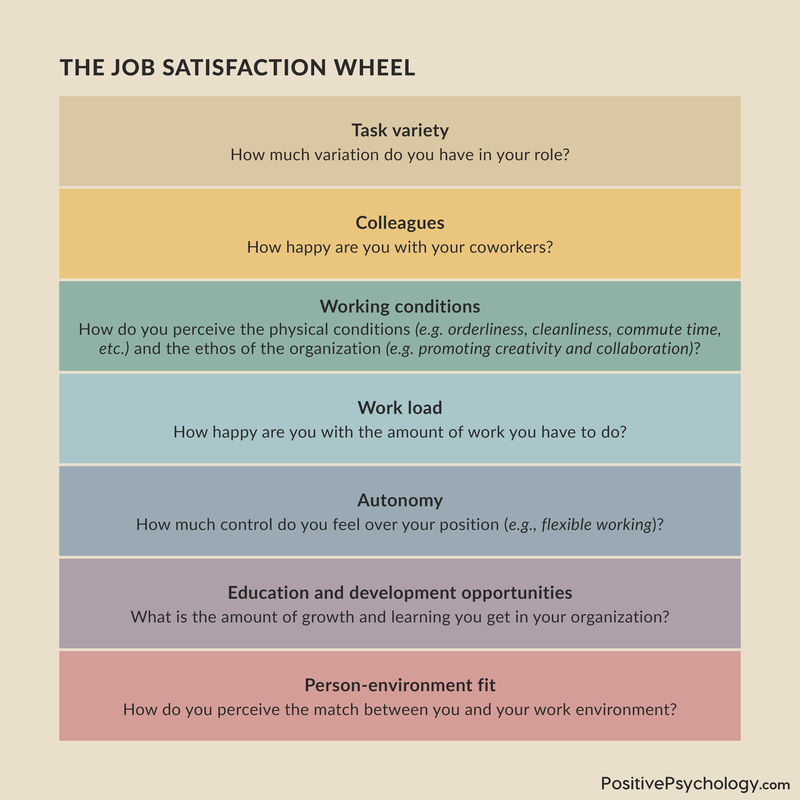
Finding purpose in work is another psychological factor that significantly contributes to task satisfaction. When employees see their work as meaningful—where their efforts align with larger goals or values—they are more likely to be motivated and engaged. According to literature, individuals driven by a sense of purpose tend to perform better and exhibit higher levels of job satisfaction[3][6].
Tasks that connect to personal or organizational missions enable employees to view their roles as vital components of a larger narrative. A customer service representative, for example, might derive intrinsic motivation from the knowledge that they enhance customer satisfaction and well-being. This connection can transform mundane tasks into meaningful contributions[10].
Social Features: Relatedness and Collaboration

Relatedness, the need to feel connected with others, is another core aspect of intrinsic motivation. Positive work relationships foster a supportive environment, enhancing task satisfaction[8]. When employees feel valued by their peers and leaders, they are more likely to engage in their work positively. Collaborative environments, where sharing ideas and supporting colleagues is encouraged, also significantly boost morale and satisfaction levels. Employees motivated by internal satisfaction are more inclined to engage in teamwork and share their knowledge. This collaboration is essential for promoting innovation and problem-solving[10].
Impact of Feedback and Recognition

While intrinsic factors are paramount, feedback and recognition also play essential roles in sustaining motivation and satisfaction in tasks. Constructive feedback helps employees understand their strengths and areas for improvement, which reinforces feelings of competence and progression[9]. Regular acknowledgment of achievements fosters a culture where employees feel their contributions are valued. This validation enhances intrinsic motivation—proving that an employee’s efforts make a difference—even if the motivation stems from personal satisfaction rather than external rewards[4].
The Role of Environment in Fostering Satisfaction
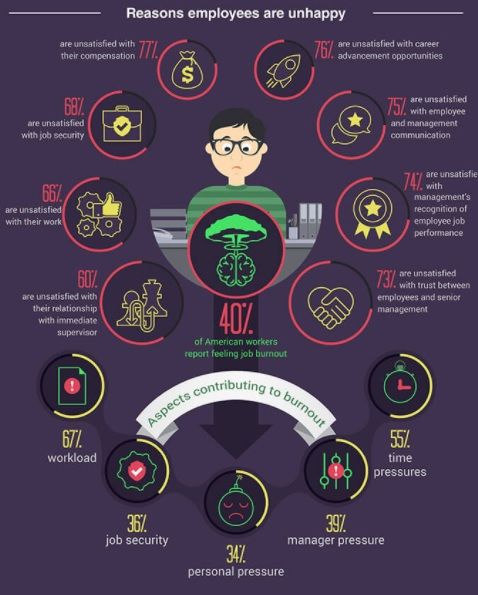
The work environment significantly influences task satisfaction. Workplaces that prioritize employee well-being, safety, and overall job satisfaction see more engaged employees. An environment characterized by open communication, supportive leadership, and opportunities for skill development nurtures intrinsic motivation and job satisfaction[7]. Conversely, a toxic environment marked by high supervision, lack of autonomy, or negative social interactions can lead to decreased motivation and increased dissatisfaction[9].
Balancing Intrinsic and Extrinsic Motivation
Finally, it's crucial to recognize that while intrinsic motivation is vital, extrinsic factors—such as rewards, recognition, and work-life balance—should not be disregarded. Organizations benefit when they address both types of motivation. Providing competitive compensation alongside opportunities for personal growth creates a layered approach to fostering satisfaction[2][6].
Conclusion
In summary, intrinsic motivation, driven by the psychological needs for competence, autonomy, and relatedness, is at the heart of task satisfaction. The combination of meaningful work, supportive relationships, and environments that encourage mastery all contribute to a fulfilling work experience. By understanding and enhancing these factors, organizations can create a thriving workplace where employees are motivated, engaged, and satisfied in their roles.
Let's look at alternatives:
- Modify the query.
- Start a new thread.
- Remove sources (if manually added).