Self-evolution is critical in deep research (DR) agents as it empowers each component of the research workflow to undergo its optimization process. This approach ensures the exploration of diverse knowledge and mitigates information loss throughout the agentic trajectories, ultimately providing better context for report generation. By enhancing individual outputs, self-evolution significantly improves the overall quality and coherence of the research reports generated by DR agents, as emphasized by the authors[1].
In the Test-Time Diffusion Deep Researcher (TTD-DR), self-evolution works synergistically with the denoising mechanism, allowing for more comprehensive and timely integration of information during the report writing process. This iterative refinement is essential for achieving high-quality research outcomes that surpass existing DR agents[1].
Let's look at alternatives:
- Modify the query.
- Start a new thread.
- Remove sources (if manually added).
Documentary filmmaking uniquely blends factual storytelling with emotional engagement, making the crafting of narratives a critical aspect of the genre. Filmmakers utilize a range of techniques to effectively convey their messages while maintaining viewers' interest. The following sections explore some of the common narrative techniques employed in documentaries, highlighting the importance of structure, character development, visual storytelling, and emotional engagement.
The Importance of Narrative Structure
A well-defined narrative structure is essential for captivating an audience in documentary films. Many filmmakers adopt the three-act structure, which consists of a setup, confrontation, and resolution. This classic format helps to organize content meaningfully, guiding viewers through conflicts and ultimately resolving them, thereby providing closure to the narrative[2][3].
The setup introduces the topic, characters, and setting, laying the groundwork for the story. The confrontation presents the central conflicts or problems that the subjects face, creating tension and engaging the audience. Finally, the resolution ties up loose ends and concludes the story, offering insights or reflections that resonate with viewers[2][5].
Humanizing Characters

One potent technique in documentary storytelling is the humanization of characters. Filmmakers strive to create emotional connections between the audience and subjects by showcasing their personal stories and vulnerabilities. By allowing subjects to share their struggles and dreams, filmmakers can highlight the depth of their characters, making them relatable and engaging[2][5].
Capturing candid moments and everyday activities can further enhance viewer connection. Visual storytelling that involves simple actions, such as cooking or interacting with loved ones, can provide a deeper insight into the subjects' lives. Authenticity is vital, as overly scripted scenes may detract from the genuine portrayal the audience seeks[2].
Utilizing Visual Storytelling
Visual storytelling is at the heart of documentary filmmaking. It is about using images and footage to express emotions, ideas, and messages beyond what words can convey. By incorporating a variety of visual elements, filmmakers can create a more immersive experience for viewers. This includes not only primary footage but also B-roll (supplementary footage that enriches the narrative) and archive footage to provide historical context[1][3].
Filmmakers often rely on symbolic and metaphoric imagery to add layers of meaning to their narratives. The choice of visuals plays a crucial role in creating an emotional atmosphere and guiding the audience's understanding of the story[4]. Additionally, various cinematic techniques such as camera angles, framing, and lighting contribute to the documentary's overall impact[4][7].
Integrating Real-Time Footage and Interviews
Real-time footage can significantly add authenticity and immediacy to a documentary. Capturing events as they happen allows for an unfiltered experience, which can enhance emotional engagement. Coupled with well-executed interviews, filmmakers can provide insights into the subjects' thoughts and feelings, enriching the narrative[3][4].
Careful curation and editing of real-time footage are essential for maintaining a coherent narrative. This footage must align with other narrative elements like interviews and voiceovers, creating a seamless and dynamic viewing experience[3][2].
Establishing Emotional Arcs
Documentaries often employ emotional arcs to keep viewers invested in the story. By showcasing the highs and lows that subjects experience, filmmakers can create relatable and compelling narratives. Key moments of tension, conflict, and resolution should be highlighted to emphasize the emotional journey of the characters[2][5].
Moreover, the combination of voiceovers and sound design can evoke emotions throughout the film, reinforcing the narrative's themes and enhancing audience engagement. For instance, poignant music or sound effects can underscore significant moments and deep emotional beats within the story[3][4][7].
Balancing Fact and Emotion
Crafting a compelling documentary narrative requires a delicate balance between presenting factual information and emotional storytelling. Filmmakers often intertwine statistics, expert interviews, and personal anecdotes to engage the audience intellectually and emotionally[7]. This blending of fact and narrative not only informs viewers but also invites them to emotionally invest in the stories being told.
Maintaining Narrative Cohesion
The editing phase of documentary filmmaking is crucial for ensuring narrative cohesion and clarity. Editors select the best footage, arrange sequences for maximum impact, and ensure that the storytelling remains consistent and engaging throughout the film. This process often involves creating montages and utilizing techniques that support the documentary's central thesis[3][5][7].
Conclusion
In the realm of documentary filmmaking, narrative techniques adapt to span a spectrum from visual storytelling to character development. The blending of emotional engagement with factual integrity allows filmmakers to construct narratives that resonate deeply with audiences. By leveraging structures like the three-act framework, humanizing characters, and employing visual and auditory storytelling techniques, documentaries can inspire, educate, and evoke profound emotional connections, ultimately transforming real-life events into compelling cinematic experiences.
Let's look at alternatives:
- Modify the query.
- Start a new thread.
- Remove sources (if manually added).
 Curated by Joan



Get more accurate answers with Super Pandi, upload files, personalised discovery feed, save searches and contribute to the PandiPedia.
A Strategic Blueprint for Wealth Creation: From Zero to Elite
This report outlines a comprehensive, multi-faceted strategy for achieving significant wealth, designed for an individual with strong communication skills but limited formal education. The path from zero to elite status is not one of chance, but of deliberate action, psychological fortitude, and strategic positioning. Many of the world's most successful entrepreneurs, including Richard Branson, Bill Gates, and Steve Jobs, achieved immense success without completing a traditional college education, proving that passion, persistence, and a willingness to learn outside conventional systems are powerful drivers of success[31][33][32]. This blueprint addresses your primary objectives: wealth generation and identifying future trends, while also covering how to acquire insider knowledge, network with high-net-worth individuals, and maintain personal well-being throughout the journey.
The Ascent from Zero
An abstract visualization of a single path winding upwards from a barren landscape towards a vibrant, technologically advanced city skyline, symbolizing the journey from humble beginnings to significant wealth and success.

The Psychological Foundation of the Elite
Before taking action, it is crucial to cultivate the mindset shared by self-made millionaires and billionaires. Their success is not just about business strategy; it is deeply rooted in specific psychological traits. Research shows that these individuals consistently exhibit a distinct personality profile that enables them to navigate uncertainty and seize opportunities.
- High Tolerance for Risk: They are willing to invest aggressively and take calculated chances in their ventures[15][17].
- High Openness: This trait reflects a readiness to embrace new ideas, experiences, and creative solutions to problems[15][17].
- Extraversion: Self-made individuals tend to be sociable and energetic, which helps them build the extensive networks needed to support their goals[15][17].
- Conscientiousness: They are typically organized, disciplined, and highly focused on achieving their long-term objectives[15][17].
- Low Neuroticism (High Emotional Stability): This attribute allows them to remain calm and effective under pressure, turning potential setbacks into opportunities[15][16][14].
- Long-Term Orientation: Instead of focusing on short-term gains, they adopt a 10-year perspective, consistently building systems that support sustained progress[16].
Adopting this mindset involves a commitment to continuous learning, taking personal responsibility for outcomes, and developing resilience. This psychological framework is the bedrock upon which all other wealth-building strategies are built.
Building Wealth from Scratch: Foundational Strategies
Without formal credentials, your path to wealth will be built on practical skills, disciplined habits, and entrepreneurial action. The key is to create a system where you can learn, earn, and grow simultaneously.
- Prioritize Skill Development: Formal education is not the only path to knowledge. Utilize free online courses, read voraciously, and find mentors to build your business and financial acumen[1]. Your communication and marketing skills are a strong starting point.
- Embrace Entrepreneurship: Start a business, even on a small scale. Ventures like online reselling, consulting, or offering a trade service allow you to learn by doing while generating revenue[1]. Focus on a niche that leverages your personal interests and experiences[20].
- Master Your Finances: Create a realistic budget, reduce unnecessary spending, and consistently save a portion of your income[2]. A self-made millionaire advises finding a way to save just 10% more each month, as small, consistent actions compound over time[19].
- Invest Early and Consistently: Even small amounts of money can grow into substantial wealth through the power of compound interest. The earlier you start investing, the more time your money has to work for you[3].
- Diversify Your Income: Do not rely on a single source of revenue. Explore side hustles or opportunities that generate passive income to increase the funds available for saving and investing[4].
Identifying Future Frontiers: What Will Boom in the Next 5-10 Years
Elite investors gain an edge by systematically identifying and positioning themselves in high-growth sectors before they become mainstream. This is not guesswork; it is a data-driven process. The most promising areas for significant wealth creation in the next decade are converging around three key domains: Artificial Intelligence (AI), Web3, and Renewable Energy.
Global Renewable Energy Infrastructure
A large-scale solar farm with rows of photovoltaic panels under a clear sky, representing the massive growth and investment in the renewable energy sector.
Key Booming Sectors:
- Artificial Intelligence (AI): AI is set to revolutionize nearly every industry. Key trends include generative and agentic AI, the development of 'AI factories' for streamlined model creation, and custom-designed chips to power these systems. These advancements will drive massive economic productivity and business innovation[45][49].
- Web3 and Crypto: This ecosystem is creating new forms of value through decentralized assets, tokenized real-world assets, decentralized finance (DeFi), and play-to-earn gaming models. These areas present a wide spectrum of investment and entrepreneurial opportunities[43][46].
- Renewable Energy: Fueled by government support and technological advancements, the global capacity for solar, wind, and hydropower is expanding dramatically. This transition is expected to unlock trillions of dollars in economic value over the next decade[44][47].
How to Identify Opportunities Like an Elite Investor:
- Use a Data-Driven Framework: Evaluate industries based on measurable factors like compound annual growth rate (CAGR), market size, technology adoption curves, and regulatory support. This separates sustainable trends from temporary hype[18].
- Apply Risk Filters: Analyze potential disruptions, regulatory challenges, and capital requirements that could impact an industry's long-term viability[18].
- Monitor Capital Flows: Use market intelligence platforms to track funding rounds, startup exits, and investor sentiment. This reveals which sectors are attracting serious capital[36].
- Focus on the 'Tipping Point': Target technologies that are moving from research prototypes to mature systems with clear, real-world use cases and demonstrable impact[35].
Gaining an Edge: Acquiring 'Insider Knowledge' and Building Elite Networks
Access to information and influential people is a key differentiator. Without a traditional background, you must be proactive and creative in building your knowledge base and your network. The goal is to offer value first, establishing credibility through action.
Strategies for Acquiring Insider Knowledge
- Immerse Yourself in Digital Communities: For emerging fields like Web3, platforms like Discord are the new headquarters. Join project servers, observe conversations, and then engage by offering solutions to problems the community is facing. This builds a record of tangible contributions[30].
- Demonstrate Public Expertise: Use platforms like Twitter to share a detailed, public plan on how you could add value to a specific project. This proactive demonstration of your skills and thinking can attract the attention of founders and insiders[30].
- Build 'Proof of Work': Instead of relying on a resume, create tangible outputs. This could be educational content, contributions to open-source projects, or participation in hackathons. Your work becomes your credential and networking tool[30].
- Understand Due Diligence: Learn how elite investors evaluate opportunities. They rigorously assess market potential, scalability, technology architecture, and cybersecurity[51][55]. They also place immense value on the founding team's expertise and 'founder-market fit'[52]. Understanding these criteria gives you an insider's view on what makes a venture successful.
Strategies for Networking with High-Net-Worth Individuals
- Engage on Professional Platforms: Actively participate in discussions on LinkedIn or in niche online groups. Share thoughtful insights to build credibility based on your knowledge, not your background[27].
- Offer Value First: When you connect with someone, offer something of value without asking for anything in return. This could be a useful article, a relevant introduction, or a unique insight. This approach builds trust over time[28].
- Attend Strategic Events: Look for volunteer opportunities at charity galas, industry meetups, or professional conferences. This provides access to environments where high-net-worth individuals gather.
- Create Your Own Platform: Start a podcast or blog focused on your area of interest. This positions you as a thoughtful contributor and creates a magnet that can attract the very people you want to meet[29].
Actionable Entry Points into Booming Industries
Here is how you can leverage your marketing and communication skills to enter these high-growth sectors with limited capital.
Web3 and Crypto
- Start with Passive Income: Use programs that require no technical skill, such as registering your Wi-Fi router with a decentralized wireless network to earn rewards[56].
- Utilize 'Use and Earn' Programs: Platforms like the Brave browser or Coinbase Earn reward you with small amounts of crypto for browsing or completing educational tutorials[56].
- Invest with Small Amounts: You can start investing with as little as $50-$100. Use dollar-cost averaging (investing a fixed amount regularly) to manage volatility and build a position over time in established cryptocurrencies like Bitcoin and Ethereum[57][59].
Artificial Intelligence (AI)
- Become an AI-Powered Marketer: Sharpen your skills with short courses on AI concepts and prompt writing[61]. Use your marketing knowledge to help businesses with AI-driven social media, personalized email campaigns, and SEO[62].
- Leverage User-Friendly AI Tools: Use platforms with drag-and-drop website builders and content generators to offer marketing services to companies without needing deep technical expertise[63].
- Build a Portfolio with Small Projects: Use free or low-cost AI tools to create a blog, generate ad copy, or start a dropshipping site. This hands-on experience is highly valuable to clients and employers[64].
Renewable Energy
- Solar Panel Installation Service: This is a practical business that often requires vocational training or on-the-job learning rather than a degree[68].
- Cleaning and Maintenance Services: Solar panels require regular cleaning to function efficiently, creating a recurring revenue opportunity that relies on practical skills[67].
- Reseller of Solar Products: Act as a contractor or reseller for products like solar chargers and basic energy storage devices. This role emphasizes your sales and communication skills[69].
Sustaining the Climb: Holistic Health and Well-being
The path to extreme wealth is a marathon, not a sprint. A demanding entrepreneurial lifestyle can lead to burnout, which is the greatest threat to your long-term vision. Integrating holistic health strategies is not a luxury; it is a critical component of peak performance and sustained success.
- Integrate Mind-Body Practices: Incorporate yoga, mindful breathing, and guided meditation to improve mental clarity and manage stress[38][40]. Herbal remedies like ginseng or ashwagandha may also help build resilience[38].
- Prioritize Foundational Health: Ensure you are getting regular aerobic exercise, eating well, and using short power naps to maintain physical and mental energy[40].
- Disconnect to Reconnect: Regularly step away from technology. Taking short walks, practicing micro-mindfulness during daily tasks, and scheduling moments of quiet can prevent burnout and improve focus[41].
- Establish Clear Boundaries: Treat self-care as a non-negotiable part of your schedule. Set clear boundaries between work and personal life, delegate tasks when possible, and connect with a supportive community[42][39].
Expert Insights on Entrepreneurial Well-being
Explore these videos to learn more about how successful entrepreneurs manage stress, prevent burnout, and maintain a healthy work-life balance to sustain long-term performance.
Conclusion: A Path of Strategic Action
Your ambition to build significant wealth from a non-traditional starting point is achievable, but it requires a strategic, disciplined, and holistic approach. The journey begins with cultivating the psychological traits of the world's most successful individuals. From there, it is about taking practical, consistent action: building skills, starting small, and managing finances with precision. By focusing your energy on the booming sectors of AI, Web3, and renewable energy, you can position yourself at the forefront of the next wave of economic transformation. Success will be amplified by your ability to gain specialized knowledge and build a powerful network based on mutual value. Finally, remember that your well-being is the engine that powers this entire journey. This blueprint is not a guarantee, but a strategic guide. Your communication skills are a significant asset; use them to learn, connect, and build. The path is challenging, but it is clear.
References
Let's look at alternatives:
- Modify the query.
- Start a new thread.
- Remove sources (if manually added).
 Curated by Smit[1]
  paradigmlife.net[3]
  navyfederal.org[6]
  hacklaunch.com[7]
  powderkeg.com[8]
  ubertrends.com[9]
  shoalsbusinessincubator.com[10]
  comparables.ai[11]
  excellentbusinessplans.com[12]
  alleywatch.com[15]
  nature.com[16]
  secretsofsuccess.com[14]
  bps.org.uk[17]
  truenorthwealth.com[18]
  qubit.capital[19]
  businessinsider.com[20]
  accounting-solutionz.com[21]
  startus-insights.com[22]
  joinhomebase.com[23]
  shopify.com[24]
  oldnational.com[26]
  ceoworld.biz[27]
  dontdiewondering.com[28]
  nestfinancial.net[29]
  linkedin.com[30]
  cheapism.com[32]
  kiplinger.com[33]
  financebuzz.com[34]
  forbes.com[35]
  weforum.org[36]
  tractiontechnology.com[38]
  saffronsageliving.com[40] shopify.com[41]
  mdworks.com[39]
  jennakutcherblog.com[42] forbes.com[44]
  mit.edu[46] startus-insights.com[48]
  infront.co[49] forbes.com[50]
 %20(1).png "forumvc.com Favicon") forumvc.com[51]
forumvc.com[51]  techminers.com[52]
  tenintel.com[54]
  citibank.com[55]
  uplink.xyz[57]
  calibraint.com[59]
  emorywheel.com[60]
  semrush.com[62]
  godaddy.com[65] businessinsider.com[66]
  theinfluenceagency.com[67]
  profitableventure.com[68]
  kanakkupillai.com[69]
  pvcase.com
Boomerangs have a rich history that spans thousands of years, finding their origins primarily among the Aboriginal peoples of Australia, where they are regarded not only as tools but also as cultural symbols. For Aboriginal people, the boomerang is deeply embedded in their cultural narratives, representing both the perseverance of their heritage and a connection to their ancestral land. In creation mythology, boomerangs are said to have played a role in forming the Australian landscape, with stories telling how ancestors shaped the earth with these implements as they roamed the land[2].
Evidence of early boomerangs can be traced back to various archaeological finds. The most notable among these is a 23,000-year-old boomerang crafted from a mammoth tusk, discovered in Poland. This discovery highlights the fact that the use of boomerang-shaped tools was not exclusive to Australia; similar implements were utilized in different cultures worldwide throughout history[1][4].
Types of Boomerangs and Their Uses
There are primarily two types of boomerangs: returning and non-returning. Returning boomerangs are lightweight, with a specific curved shape designed to return to the thrower after being thrown. In contrast, non-returning boomerangs are typically longer and straighter, used primarily as hunting weapons or tools in various traditional contexts[5][6]. Aboriginal peoples utilised both types for different purposes—returning boomerangs for sport and for imitating raptors to drive birds into nets, while non-returning types were primarily weapons, effective in hunting larger game like kangaroos and emus[2][5].
The design of a boomerang is not merely aesthetic but functional. The main technological secret lies in the shape of the arms and how they interact with aerodynamic principles during flight. This is crucial for their effectiveness as hunting tools, showcasing the ingenuity of the Aboriginal peoples in creating implements suited to their environmental conditions[4].
Cultural Significance

In Aboriginal culture, boomerangs are not only functional tools but also works of art. They are often decorated with intricate designs reflecting the cultural stories and significance of the maker's lineage. This artistry is vital, as each boomerang carries a unique identity—making them not mass-produced items but personal expressions of pride and skill[5].
Boomerangs also hold spiritual significance. They are involved in various ceremonies and may be used in traditional dances, where they serve as percussion instruments when clapped together or struck against the ground[5]. This multifunctionality highlights the versatile role of boomerangs in cultural practices beyond mere physical utility.
Trade and Evolution
The exchange of boomerangs among Aboriginal groups has a long history, facilitating culture sharing and technological development across different communities. Specific types of boomerangs, such as the hooked 'number 7' boomerangs from north-central Australia, were widely traded. This exchange not only promotes social interactions but also allows for variations in design and technique, thus enriching the cultural fabric of Aboriginal societies[2].
The fascination with boomerangs extends beyond Aboriginal culture into contemporary society, where they are often viewed as symbols of Australia itself. Unfortunately, this popularity has led to a homogenization of their representation, eclipsing the diverse cultural practices related to boomerang usage among different Aboriginal nations[2][4].
Modern Interpretations and Usage

In the modern era, boomerangs are often made from high-grade materials like plywood and fiberglass, diverging significantly from their traditional wooden counterparts. While they continue to be used for recreation and sport, the traditional roles of hunting and ceremonial uses have diminished considerably[5][6]. Nonetheless, many Aboriginal communities still create boomerangs as a means of sustaining cultural practices and as a connection to their past, ensuring that this significant piece of heritage endures despite contemporary challenges.
Boomerangs have become internationally recognized emblems of Australian identity, featured in tourism and merchandise, which sometimes perpetuates a simplistic understanding of Aboriginal culture. Despite this, the journey of the boomerang—from its functional design and cultural significance to its embodiment in Aboriginal storytelling—demonstrates a rich narrative that transcends simple utility and encapsulates a deep respect for the land and traditions of Indigenous Australians[2][4][5].
In summary, the boomerang serves as a powerful symbol of ingenuity, cultural significance, and a testament to the enduring legacy of Aboriginal peoples in Australia. Its story interweaves art, function, and spirituality, marking it as a timeless element of human expression across cultures and eras.
Let's look at alternatives:
- Modify the query.
- Start a new thread.
- Remove sources (if manually added).


Transcript
Laughter offers numerous mental health benefits, including reducing stress and anxiety by lowering cortisol levels and improving overall mood through the release of endorphins. It facilitates better connections with others, enhancing social interactions. Laughter therapy can also serve as a coping mechanism for negative emotions and foster resilience during difficult times. Moreover, it strengthens the immune system and promotes relaxation, contributing to a healthier mental state.
Let's look at alternatives:
- Modify the query.
- Start a new thread.
- Remove sources (if manually added).



Overview of Relationship Challenges

Digital nomads enjoy the freedom to travel and work from anywhere in the world, but this lifestyle comes with significant challenges for relationships. Many sources note that the constant movement, unpredictable schedules, and frequent goodbyes contribute to a difficulty in establishing and sustaining deep connections. As described, nomads experience emotional disconnect due to physical distance and an ever‐changing environment that makes it tough to create lasting bonds[1][2][3].
Communication Barriers and Physical Distance
One major challenge highlighted by multiple sources is the difficulty in maintaining regular, meaningful communication. Digital nomads often face time zone differences and unreliable connectivity which can hinder scheduled check‐ins or spontaneous conversations. For instance, constant travel and misaligned work schedules mean that arranging face‐to‐face interactions, even virtually, is more complicated. As one source explains, the lack of consistent in‐person communication and the reliance on digital tools sometimes leads to misinterpretations and feelings of being neglected[1][8][11]. Furthermore, the transient nature of travel means that opportunities for deep conversation may be limited by the necessity to move on before a relationship has time to deepen.
Emotional and Social Isolation


Loneliness and isolation are frequently mentioned as significant emotional challenges. Digital nomads are often separated from local family and friends because of their mobile lifestyle. Studies and firsthand accounts report that the inability to establish a stable support system can result in feelings of isolation, even if the nomad is constantly in a crowded environment. One passage highlights that despite engaging with various online communities and local meetups, the emotional toll of short, superficial interactions remains high[4][10][19]. Additionally, the lack of a consistent social network means that every new destination often requires rebuilding relationships from scratch, which can leave nomads feeling disconnected and emotionally drained[9][12].
Lack of Stability and Routine
Maintaining a stable routine is crucial for nurturing relationships, but for digital nomads the absence of a permanent base disrupts daily rhythms. Several sources point out that without a fixed home or consistent work hours, establishing predictable routines is challenging. This instability makes it harder both to schedule regular communications with loved ones and to participate in local communities where deeper bonds might form. The short duration of stays in each location compounds this issue, as nomads often cannot invest the time needed for relationships to fully develop[2][16][17].
Impact on Intimacy and Emotional Bonds


The physical distance inherent to the nomadic lifestyle also affects intimate relationships. Digital nomads report difficulties in sustaining romantic partnerships due to extended periods apart, which can lead to feelings of insecurity and neglect. One account emphasizes that the emotional toll of constant separations and the inability to be present during times of need often undermines the sense of safety and closeness essential to a healthy relationship[5][7][18]. Moreover, the challenge of maintaining physical intimacy—an important component of many romantic relationships—is exacerbated by limited opportunities for in‐person contact. In some cases, the reliance on technology for everyday communication means that nuanced, emotionally rich interactions are replaced by brief, often superficial exchanges[6][15].
Practical and Financial Obstacles
Beyond emotional and communication challenges, practical issues further complicate relationship maintenance. Financial constraints such as the high cost of travel and budgeting for visits can limit face‐to‐face meetings. Nomads often have different priorities when it comes to spending, and the financial unpredictability of a location‐independent lifestyle may result in fewer opportunities to invest time in nurturing relationships. These challenges are compounded by cultural differences that can lead to misunderstandings or misaligned expectations when forming new bonds with locals or fellow travelers[2][13][14].
Conclusion and Summary
In summary, maintaining relationships as a digital nomad is a multifaceted challenge encompassing communication barriers, social isolation, lack of stability, and practical financial obstacles. The need to continuously adapt to new time zones and locations, how to communicate when physical presence is sparse, and the emotional impact of frequent departures all contribute to the complex relationship dynamics experienced by nomads. Open communication, establishing firm routines where possible, and making a conscious effort to nurture both long-distance and local connections are essential strategies for mitigating these issues. Although technology offers some support, the inherent transient nature of the lifestyle means that nomads must accept that maintaining deep and meaningful relationships requires extra effort and intentionality[1][2][3][4][5][6][7][8][9][10][11][12][13][14][15][16][17][18][19].
Let's look at alternatives:
- Modify the query.
- Start a new thread.
- Remove sources (if manually added).
 Curated by Joan[1]
  breakoutwards.com[2]
  timecurvesoft.com[5]
  researchgate.net[6] timecurvesoft.com[7]
  habitatista.com[9]
  esoftskills.com[10]
  nomadmania.com[11]
  nomadentrepreneur.io[13]
  startsat60.com[15] timecurvesoft.com[16]
  nomadnumbers.com[17]
  livesmalldreams.com[18]
  digitaltravelexpert.com[19]
  mentalhealthwellnessmhw.com
Get more accurate answers with Super Pandi, upload files, personalised discovery feed, save searches and contribute to the PandiPedia.
Understanding the Changing Seasons
Seasons are a natural phenomenon that has intrigued humanity for centuries. In this report, we delve into the fundamental reasons behind the changing seasons on Earth, exploring the various astronomical factors that influence this cycle.
Earth's Tilt and Axis
The primary cause of changing seasons lies in Earth's axial tilt, which is approximately 23.5 degrees. This tilt results in different parts of the Earth receiving varying amounts of sunlight throughout the year. As Earth orbits the Sun[2], this tilt causes the directness of sunlight to change, leading to seasonal variations in temperatures and weather patterns.
Earth's Orbit and Precession
In addition to its tilt, Earth's orbit and precession play crucial roles in shaping the seasons. The periodic wobble of Earth[3]'s axis, known as precession, occurs in a 26,000-year cycle. This phenomenon affects the alignment of Earth's axis towards the Sun, influencing the duration of daylight and sunlight received at different latitudes.
Milankovitch Cycles
Furthermore, Earth's variations in orbit, tilt, and precession, collectively known as the Milankovitch cycles[1], significantly impact Earth's climate and the occurrence of seasons. These cycles cause fluctuations in the amount of solar radiation reaching Earth[4], leading to changes in temperatures and climate patterns.
Implications on the Calendar
The relationship between Earth's tilt, orbit, and precession has practical implications for our calendar system. The Gregorian calendar, through the use of leap years[3], ensures that seasons align with the months accurately. This adjustment accounts for the astronomical complexities that govern the changing seasons.
Summarizing Astronomical Influences
To summarize, the changing seasons on Earth are primarily driven by the planet's axial tilt, orbit, and precession. These astronomical factors interact to determine the distribution of sunlight across the globe, influencing temperature variations and weather conditions. Additionally, the Milankovitch cycles contribute to long-term climate changes, highlighting the intricate relationship between Earth's position relative to the Sun[1] and the occurrence of seasons.

In conclusion, the dynamic interplay of Earth's axial tilt, orbital characteristics, and astronomical cycles govern the changing seasons that we experience annually. By understanding these celestial mechanisms, we gain insights into the natural rhythms of our planet and the intricate balance that sustains life on Earth.
Let's look at alternatives:
- Modify the query.
- Start a new thread.
- Remove sources (if manually added).


Increased Consumer Trust and Responsibility

Data privacy laws, particularly the General Data Protection Regulation (GDPR) in Europe and the California Consumer Privacy Act (CCPA) in the U.S., have established a framework that fundamentally reshapes how businesses interact with consumer data. These regulations articulate clear rights for individuals regarding their personal information, enhancing consumer trust. Consumers now expect transparency from organizations about how their data is collected, used, and protected. A McKinsey survey found that 87% of participants would avoid companies with inadequate security practices, highlighting the link between data privacy policies and consumer confidence[2].
Regulatory frameworks emphasize the importance of obtaining explicit consent from consumers for data collection and processing. This change compels organizations to adopt more responsible data-handling practices, ensuring that data collection is not only lawful but also aligned with user expectations and ethical considerations. As consumers become increasingly aware of their rights, they are more likely to share data when they believe it is handled responsibly, which can lead to better engagement and loyalty to trusted brands[1][3].
Compliance and Operational Challenges for Businesses

The implementation of data privacy laws presents various operational challenges for businesses. Organizations must ensure compliance with a complex web of regulations that may vary significantly across jurisdictions. This includes understanding different requirements related to data subject rights, security measures, and consent[7][9]. As laws like the Texas Data Privacy and Security Act and California's Delete Act evolve, businesses are required to adjust their data handling processes, which may involve significant changes to IT infrastructure and operational practices[3][4].
Moreover, non-compliance can lead to severe penalties. Under the GDPR, companies can face fines reaching up to 4% of their global revenue for violations, prompting many to reassess their data governance strategies and invest heavily in compliance to avoid such repercussions[5][9]. This financial burden can be particularly challenging for smaller organizations that may lack the resources to implement comprehensive data privacy programs[2][4].
Evolving Regulatory Landscape

The landscape of data privacy laws is continually evolving in response to technological advancements, consumer concerns, and governmental actions. As new regulations emerge, such as the Digital Services Act and the AI Act in the EU, there is a clear trend towards stricter oversight of how personal data is utilized and shared[3][6]. The proliferation of data privacy laws signifies a global shift toward protecting individuals' data rights, with legislation in countries like Brazil (LGPD) and India reflecting similar sentiments to those found in the EU and the U.S.[9].
Organizations operating internationally face the additional challenge of navigating these differing regulations. This complexity necessitates a proactive approach to data governance, where companies must not only comply with current regulations but also anticipate future legal developments. The variability in enforcement standards across jurisdictions requires businesses to be versatile and adaptable in their data privacy strategies[8][9].
The Role of Technology in Compliance
Technological advancements are also reshaping the implications of data privacy laws. AI and big data analytics have emerged as critical tools for organizations to manage compliance more effectively. However, they also introduce significant privacy concerns, as seen in recent debates around the ethical use of AI and personal data processing[1][3]. There is an increasing demand for businesses to utilize privacy-enhancing technologies that comply with legal standards while also protecting consumer data without compromising operational efficiencies.
Moreover, businesses must adopt practices like privacy by design, where data protection measures are integrated into the development of business processes and technologies. This proactive stance not only aids compliance with regulations but also builds consumer trust by demonstrating a commitment to safeguarding personal information[7][8].
Building Consumer Empowerment
A significant implication of data privacy laws is the empowerment of consumers regarding their personal data. Regulations like GDPR and CCPA underline the importance of consumer rights, enabling individuals to control their data through rights such as access, correction, deletion, and portability. This shift fosters a sense of agency among consumers, who are increasingly vocal about how their data should be managed[2][3]. Furthermore, as various states in the U.S. adopt their privacy laws, the trend towards consumer empowerment is likely to continue, encouraging businesses to be more transparent and responsive to consumer concerns[4][5].
Conclusion

Data privacy laws are not just a set of compliance requirements; they are transforming the landscape of how organizations and consumers interact regarding personal data. While these regulations present challenges for compliance, they also offer opportunities to build consumer trust and establish ethical data practices. As the regulatory environment continues to evolve, organizations must remain vigilant and adaptive, prioritizing transparency and responsibility in their data management strategies to thrive in a data-centric world.
Let's look at alternatives:
- Modify the query.
- Start a new thread.
- Remove sources (if manually added).





:max_bytes(150000):strip_icc()/Onion-Goggles-5866ddc472ab486984bc6d6262bb69e0.jpg "A pair of black and green rimmed glasses lined with a layer of foam sits on a cutting board next to chopped onion")

Let's look at alternatives:
- Modify the query.
- Start a new thread.
- Remove sources (if manually added).




Exploring the connection between life satisfaction and the state of relaxation reveals important insights from psychological research. This connection is often emphasized in studies focusing on time perspective and mindfulness, both of which play pivotal roles in enhancing overall well-being.
Time Perspective and Life Satisfaction
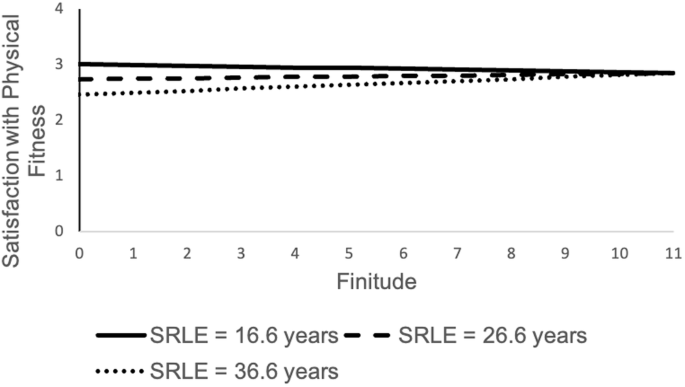
Chronological age and subjective remaining life expectancy (SRLE) significantly influence life satisfaction, particularly through the lens of time perspective. The mental representation of time—whether one tends to focus on the past, present, or future—affects overall well-being. In a longitudinal study, it was found that individuals with a more concrete outlook on the future exhibited higher life satisfaction scores. Specifically, a heightened sense of 'concreteness' of future time, defined as having organized and clear future goals, was most consistently linked to increased satisfaction. Individuals expressing greater concreteness reported higher life satisfaction at various measurement points within the study[1].
This relationship suggests that how individuals perceive their future can greatly impact their current emotional state, including satisfaction levels. Conversely, feelings of obsolescence, or a sense of being out of touch with modern times, negatively correlated with satisfaction, indicating that when people feel disconnected or stagnant in their lives, their relaxation and overall well-being are compromised[1].
The Role of Mindfulness in Enhancing Well-being
Mindfulness meditation is another key component that contributes to relaxation and satisfaction. Defined as a method of training attention to achieve calm concentration and positive emotions, mindfulness encompasses two major aspects: attention and acceptance. By directing one's focus to the present moment and observing thoughts and feelings without judgment, individuals can cultivate a state conducive to relaxation.
Research has shown that mindfulness-based interventions significantly reduce stress, anxiety, and depression. For instance, a comprehensive meta-analysis highlighted that mindfulness-based cognitive therapy (MBCT) notably lowers the relapse rate in individuals with prior depressive episodes. Such findings suggest that through enhanced relaxation techniques, individuals can achieve greater emotional stability and satisfaction[2].
The physical health benefits of mindfulness extend beyond mental health; studies indicate improvements in various health-related outcomes, including a reduction in chronic pain and fatigue, suggesting a comprehensive approach to well-being that encompasses both mental and physical dimensions. For instance, gaining control over stress responses through mindfulness can lead to broader health improvements, reinforcing the connection between relaxation and overall life satisfaction[2].
Interaction of Age and Satisfaction
Interestingly, findings show that the impact of time perspective on satisfaction varies with age. While higher levels of present and past orientation can indicate a person's ability to derive meaning from life experiences, their effects on life satisfaction differ across various age groups. The results from the longitudinal study indicated that younger adults benefitted more from high concreteness and lower past orientation when gauging their satisfaction with mental fitness. Specifically, younger adults reported higher satisfaction with mental fitness on occasions where they demonstrated higher future concreteness, a tendency not as strongly reflected in older adults[1].
These results indicate that while younger individuals might struggle with time perceptions, older adults may derive satisfaction from reflecting on past accomplishments and developing a sense of serenity about life’s finitude. This nuanced understanding of age-specific responses to time perspective further emphasizes the complex relationship between satisfaction, relaxation, and individual experiences of time[1].
Personal Growth and Community Engagement
Engaging in mindfulness not only enhances individual well-being but also enriches community relationships. The practice helps individuals develop emotional resilience, which is vital for maintaining healthy relationships with family and community members. By fostering emotional wellness through mindfulness, individuals can improve relational satisfaction and contribute positively to their social environment, creating a more supportive community and enhancing overall quality of life.
Mindfulness practices encourage a shift in perspective, allowing individuals to become more attuned to their emotional states. This heightened awareness cultivates better interpersonal connections, promoting an atmosphere of relaxation and satisfaction within community interactions. Thus, the positive stress-regulating effects of mindfulness can extend beyond the individual to benefit broader social networks[2].
Conclusion
The connection between satisfaction and relaxation is profoundly influenced by how individuals perceive their time. The interplay of time perspective, mindfulness, and age provides a framework through which satisfaction can be understood. By enhancing one's future outlook and actively engaging in mindfulness practices, individuals can experience improved well-being. As research suggests, adopting these strategies may not only foster personal enjoyment and relaxation but also cultivate robust connections within communities, ultimately leading to a richer and more fulfilling life experience[1][2].
Let's look at alternatives:
- Modify the query.
- Start a new thread.
- Remove sources (if manually added).
 Curated by Joan