Why did the Romans call London Londinium?

The Romans likely called London 'Londinium' as a Latinized form of a native name, possibly derived from a pre-existing Celtic or Brittonic term. While the exact etymology is uncertain, it is thought that Londinium could originate from a Brittonic form reconstructed as *Londinion or a similar variant. This indicates a link to a structure involving suffixes typical of such names in the region, possibly reflecting earlier settlement names or geographical features related to the area[1][4].
Some theories suggest that the name may have roots in a Celtic word, with interpretations tying it to elements meaning 'fort' or 'place that floods,' alluding to London's geographic features alongside the River Thames[2][7]. Geoffrey of Monmouth's historical accounts, which link the name to a legendary King Lud, have been dismissed by modern historians due to a lack of evidence[4][7].
Overall, Londinium emerged as a significant center following Roman conquest in 43 AD, strategically situated for trade and military logistics, which likely influenced the choice of its name to reflect its growing prominence within the Roman Empire[3][5][8].
Let's look at alternatives:
- Modify the query.
- Start a new thread.
- Remove sources (if manually added).

How did Martin Luther King Jr. lead the civil rights movement?
Let's look at alternatives:
- Modify the query.
- Start a new thread.
- Remove sources (if manually added).

Create your account to shape this feed around what you search for and enjoy.
why does cold weather make you wanna pee?

Cold weather can increase the urge to pee due to two main physiological responses. First, in winter, people typically sweat less, leading to more fluid being excreted as urine since the body loses less through perspiration. This results in increased urine output as the body maintains hydration levels indoors where water sources are readily available[1][3].
Additionally, cold weather triggers 'cold-induced diuresis,' where blood flow is directed away from the skin to conserve heat, increasing blood flow to the kidneys. This heightens urine production as more blood is filtered[2][3]. Furthermore, cold can cause pelvic floor muscle tension, leading to more bladder spasms, intensifying the need to urinate[2].
Let's look at alternatives:
- Modify the query.
- Start a new thread.
- Remove sources (if manually added).
What makes minimalism appealing?
Let's look at alternatives:
- Modify the query.
- Start a new thread.
- Remove sources (if manually added).
The Impact of Stress on Overall Health

Stress is a natural human response that can significantly influence both mental and physical health. While a moderate level of stress can be beneficial, chronic stress can lead to serious health complications affecting various body systems.
Understanding Stress

Stress is defined as a state of worry or mental tension caused by difficult situations. It triggers a biological response that prepares the body to respond to challenges, often referred to as the 'fight or flight' response. This response is mediated by the release of hormones such as adrenaline and cortisol, which increase heart rate, blood pressure, and energy supplies[6]. In short bursts, stress can enhance performance and focus; however, when stress becomes chronic, it can severely disrupt bodily functions and impact health[8][9].
Effects of Chronic Stress
Mental Health Consequences

Chronic stress is associated with a range of mental health issues, including anxiety and depression. It can exacerbate pre-existing mental health conditions and significantly impair cognitive functions such as concentration and memory[6][9]. People suffering from ongoing stress often exhibit symptoms such as irritability, fatigue, and feelings of overwhelm. There is a strong connection between chronic stress and disorders like post-traumatic stress disorder (PTSD) and other anxiety-related conditions[7][8].
Moreover, chronic stress can lead to burnout, a state of emotional, physical, and mental exhaustion caused by prolonged and excessive stress[2][4]. Many individuals find it increasingly difficult to cope with daily responsibilities, leading to a further decline in mental well-being.
Physical Health Implications
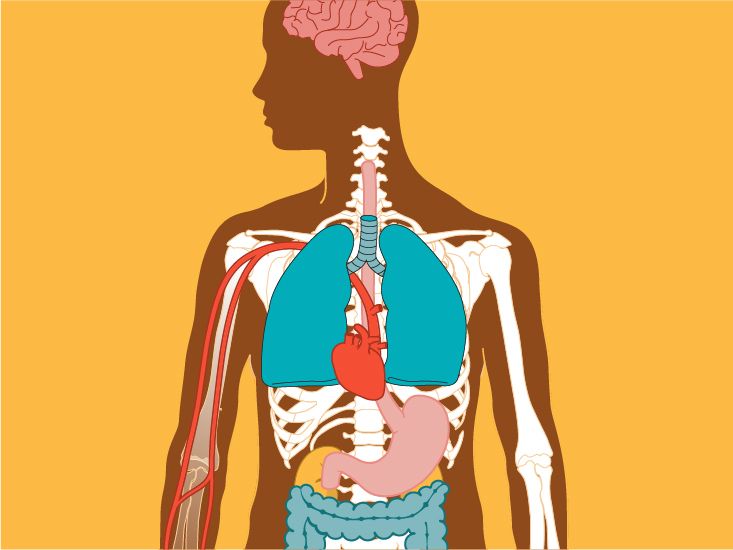
The physical ramifications of chronic stress are equally concerning. Prolonged activation of the stress response can negatively impact several major bodily systems:
Cardiovascular System: Chronic stress leads to elevated levels of cortisol, which can increase blood pressure and heart rate, heightening the risk of heart attacks and strokes[3][6][9]. Over time, this might cause or worsen existing cardiovascular diseases.
Immune System: Initially, the stress response can boost the immune system, enabling the body to fend off infections. However, prolonged stress can suppress immune function, making individuals more susceptible to illnesses and infections[1][4][8]. This immune suppression can lead to chronic inflammation, an underlying factor in many diseases, including autoimmune disorders[5].
Endocrine System: Chronic stress affects hormonal balance, which can influence reproductive health. Stress can lead to disturbances in menstrual cycles for women and erectile dysfunction in men, as well as changes in libido for both genders[1][8]. Additionally, chronic stress has been linked to conditions such as type 2 diabetes due to elevated cortisol levels disrupting glucose metabolism[9].
Digestive System: The gut-brain connection plays a vital role in how stress impacts digestive health. Chronic stress can lead to conditions like irritable bowel syndrome (IBS), heartburn, and other gastrointestinal issues due to changes in gut bacteria and increased acid production[4][9]. Symptoms may include nausea, diarrhea, or constipation, which can significantly reduce quality of life.
Musculoskeletal System: Stress causes muscle tension, which can lead to chronic pain conditions, including headaches and back pain. This ongoing muscle tension prevents relaxation and exacerbates physical discomfort, creating a vicious cycle of stress and pain[8][9].
Coping with Stress

Given that stress can severely impact health, it’s crucial to develop effective coping strategies. Several techniques can help manage stress and mitigate its effects:
Self-Care Practices: Engaging in regular physical activity, ensuring adequate sleep, and eating a balanced diet can improve overall health and help manage stress. Exercise, in particular, is effective in reducing stress levels and improving mood by releasing endorphins[2][4].
Mindfulness and Relaxation Techniques: Practices like deep breathing, meditation, or yoga can enhance relaxation. These activities help in managing the body's stress response, enabling better emotional regulation[4][5].
Social Support: Building connections with friends and family provides emotional support, which can buffer against the adverse effects of stress. Talking about one’s feelings can also alleviate the burden of chronic stress[6][9].
Professional Help: If stress becomes overwhelming, seeking assistance from mental health professionals can be beneficial. Cognitive Behavioral Therapy (CBT) is particularly effective in modifying the thought patterns associated with stress, helping individuals develop healthier coping mechanisms[7][9].
Setting Boundaries: Learning to say no to non-essential commitments can diminish feelings of being overwhelmed. Establishing limits can create a more manageable daily routine, reducing overall stress[9].
Conclusion
:max_bytes(150000):strip_icc()/GettyImages-1273890998-3e61d3cfdd5a49bdaf27cb9fe0c0b8a6.jpg "How Does Prolonged Stress Impact Your Health?")
Stress is an integral part of life; however, its chronic form poses a serious threat to overall health. Its effects permeate various body systems, leading to both mental and physical health challenges. To mitigate these impacts, it is essential to recognize stressors and adopt effective coping strategies. By prioritizing self-care, social support, and professional guidance when necessary, individuals can significantly improve their resilience against the many deleterious effects of stress.
Let's look at alternatives:
- Modify the query.
- Start a new thread.
- Remove sources (if manually added).
How do you manage stress effectively?
Let's look at alternatives:
- Modify the query.
- Start a new thread.
- Remove sources (if manually added).

Create your account to shape this feed around what you search for and enjoy.
What is minimalism?

Minimalism is an art movement that emerged in the post–World War II era, primarily in Western art, and is closely associated with American visual arts during the 1960s and early 1970s. It serves as a reaction against abstract expressionism and modernism, emphasizing simplicity and the idea that a work of art should not refer to anything beyond itself, stripping away any extraneous visual associations[1].
In visual arts, minimalism features characteristics such as hard edges, linear lines, and simple forms, often using industrial materials in sculpture, which highlight geometric shapes[1]. The minimalist philosophy also extends to music, literature, design, and architecture, focusing on reducing elements to their essential qualities[1]. For instance, minimalist architecture seeks simplicity through basic geometric forms and a dialogue between the structure and its surroundings, influenced by principles found in Japanese design and Zen philosophy[1].
Let's look at alternatives:
- Modify the query.
- Start a new thread.
- Remove sources (if manually added).
How do routines impact productivity?

Routines significantly enhance productivity by automating daily tasks, allowing individuals to conserve mental energy for more complex challenges. When routines are intact, tasks become habitual, enabling focused attention on higher-level responsibilities, which ultimately boosts overall productivity[4][5]. Moreover, regular routines support cognitive function, freeing individuals to be more creative and efficient throughout their workday[1][2].
Disruptions to established routines can hinder productivity, leading to less engagement and increased mental exhaustion[4]. Maintaining consistent daily habits establishes a predictable structure that helps manage time effectively, thereby increasing the likelihood of achieving daily goals[3][5].
Let's look at alternatives:
- Modify the query.
- Start a new thread.
- Remove sources (if manually added).
Creating an Effective Workspace Organization
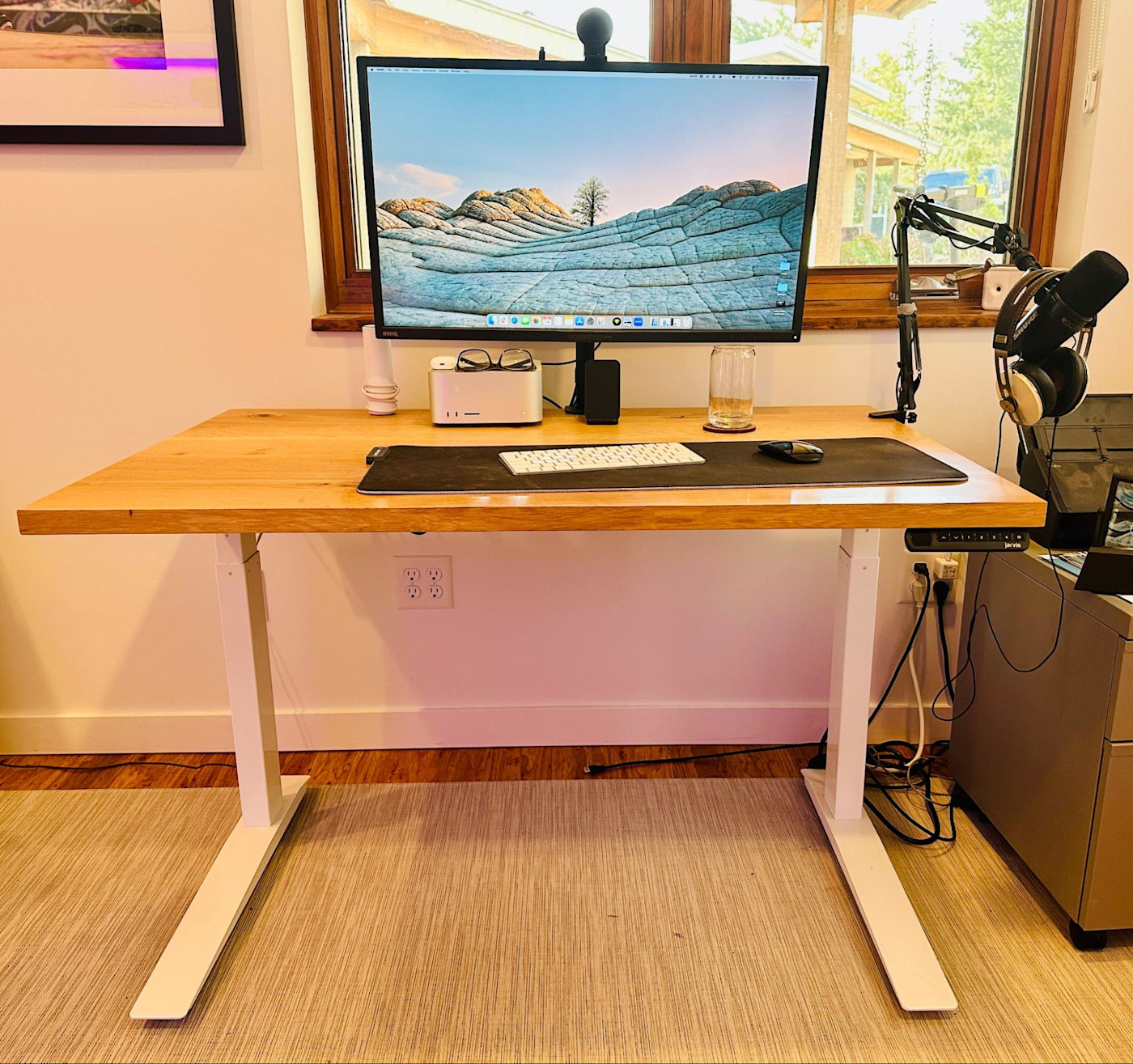
Organizing your workspace is essential for enhancing productivity, reducing stress, and creating a more conducive environment for creativity and focus. Here’s a comprehensive guide based on various strategies and tips drawn from expert sources.
Decluttering Your Space
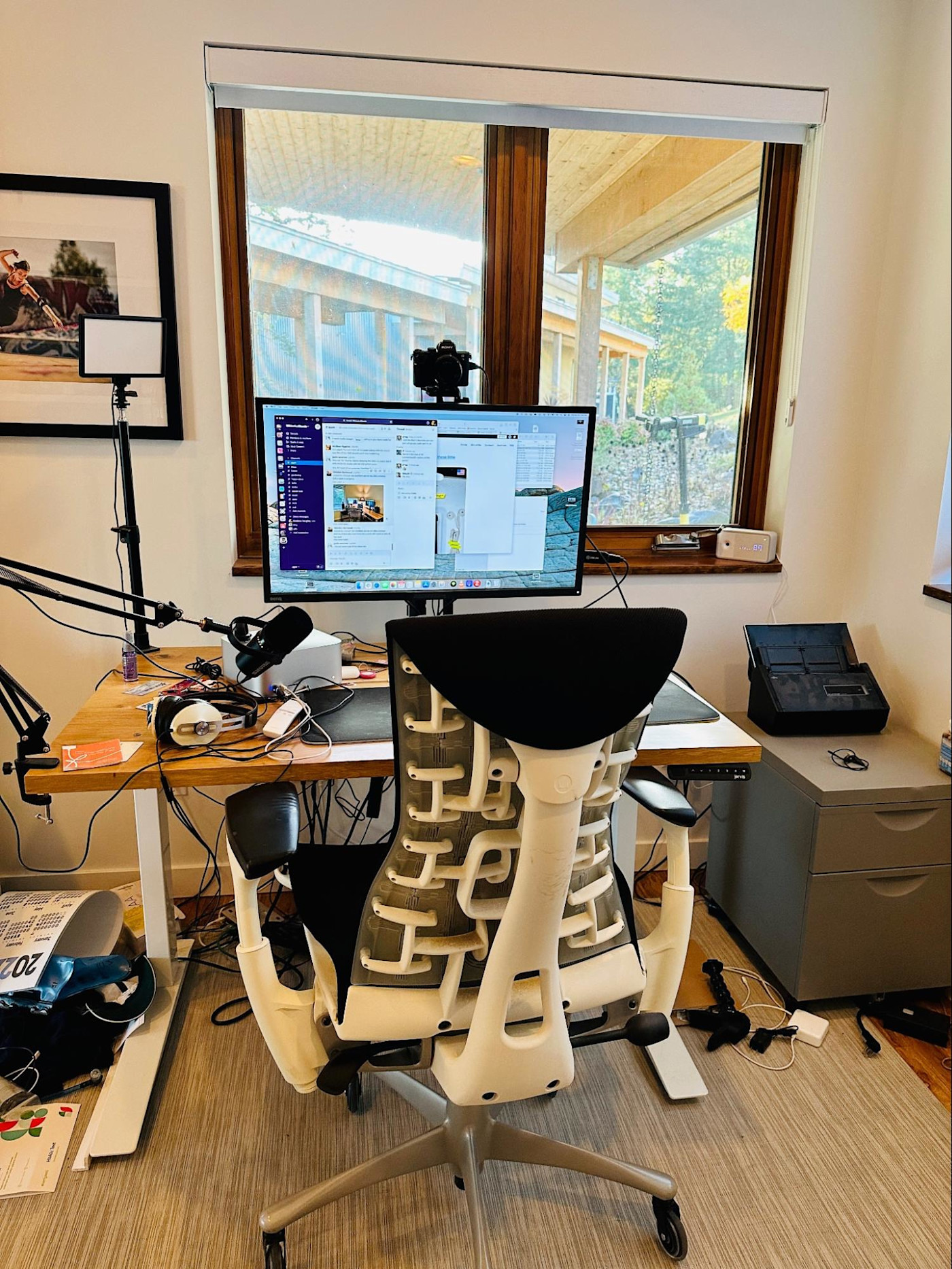
The first step in effective organization is decluttering your workspace. This means removing items that don’t belong in your office, including old documents, unused stationery, and anything else that doesn’t serve a purpose. As highlighted, “Remove obvious trash or items that don’t belong in the office”[2]. A cluttered workspace can significantly impede your ability to concentrate and be productive; thus, retention of only the essential items is critical[7][9].
Step-by-Step Decluttering Process
Pull Everything Out: Clear your desk completely. This allows you to see what you have and how much of it there is[2][8].
Create Categories: Sort your items into categories such as supplies, papers, and mementos, which makes it easier to decide what to keep or discard[8].
Be Ruthless: Only keep items that spark joy or are necessary for your work[8]. Dispose of, donate, or recycle any items that do not fit this criterion.
Organizing Your Workspace
Once you've decluttered, it’s time to organize your space intentionally. Take a systematic approach by giving every item a designated spot, making it easier to maintain your newly achieved order throughout your workdays.
Spatial Arrangement
Vertical Space Utilization: Think vertically to maximize desk space. Install shelves above your desk for books and materials, or use wall-mounted boards for reminders and notes, allowing for more desktop real estate[9].
Drawer Organization: Use drawer organizers to keep small items in check, assigning specific types of items to designated drawers[9].
Minimizing Distractions
An organized workspace can reduce distractions significantly. Studies indicate that having unnecessary items in sight can cause cognitive overload, negatively affecting focus. By simplifying your workspace—such as using digital apps for note-taking and task management—you can keep the physical space clear of paper clutter[9]. Digital tools like Evernote or Microsoft OneNote are recommended for this purpose.
Cable Management

A common issue in modern workspaces is unmanaged cables. To prevent these from becoming a tangled mess, several techniques can be implemented:
Cable Concealers: Use raceways to hide cables and keep them from tangling under the desk[7]. This visual tidy-up can also enhance your workspace aesthetics.
Binder Clips: Attach binder clips or adhesive cable organizers to your desk's edge to control dangling cords[7].
Ergonomics and Comfort
Comfort plays a crucial role in productivity. Ensure your desk setup is ergonomically friendly:
Monitor Height: Use monitor stands to raise your screen to eye level, which helps reduce strain on your neck and back[6].
Desk Accessories: Invest in a comfortable chair and utilize desk organizers for pens, papers, and other frequently used items to minimize the reaches and movements required during your work sessions[7].
Maintaining Your Organization
Creating an organized space is a process, but maintaining it is an ongoing task.
Daily Habits
End-of-Day Clean-Up: Spend a few minutes at the end of each workday putting items back in their designated places to avoid clutter buildup. Having “landing pads” or designated areas for frequently used items can help with this[8].
Regular Schedule for Declutter: Incorporate regular decluttering sessions into your routine—weekly or monthly—to keep your workspace from reverting to chaos[3].
Use of Technology
Technology can enhance organization efforts. Utilize project management tools to track tasks and deadlines. This helps reduce the time spent on ‘work about work’ tasks, enabling you to focus more on actual work[4].
Conclusion
An organized workspace is vital for optimal performance and mental well-being. By following a structured approach to declutter, organize, manage cables, and maintain your space, you can create an environment that promotes productivity and reduces stress. Remember, effective workspace organization requires continuous efforts and habits to keep your space conducive to creativity and focus. Employing these strategies will enable you to handle your work more effectively, leading to improved outcomes and a more enjoyable working experience.
Let's look at alternatives:
- Modify the query.
- Start a new thread.
- Remove sources (if manually added).
What is a carrot?





A carrot (Daucus carota) is a root vegetable that is typically orange in color, although it also comes in various other hues like purple, yellow, red, and white. Originally cultivated in Afghanistan, carrots are known for their crunchy texture and sweet flavor. They are rich in numerous nutrients, including beta-carotene, fiber, vitamin K1, potassium, and antioxidants, making them a healthful addition to any diet[2][3][5].
Carrots are particularly noted for their health benefits, which include supporting eye health, improving heart health, aiding digestion, and possibly reducing the risk of certain cancers. Beta-carotene, abundant in orange carrots, is converted to vitamin A in the body, which is essential for good vision[5][6]. Additionally, carrots are low in calories, making them a popular choice for weight management[3][4].
The vegetable can be eaten in various forms—raw, cooked, juiced, or incorporated into dishes like soups and salads. Overall, carrots offer a nutritious option that can enhance many meals while providing a range of health benefits[4][5].
| Property | Value |
|---|---|
| Genus | Daucus |
| Species | carota |
Let's look at alternatives:
- Modify the query.
- Start a new thread.
- Remove sources (if manually added).