How does ASMR affect relaxation?

ASMR impacts relaxation by inducing a tingling sensation that starts at the scalp and extends down the body, promoting feelings of calm and well-being. It has been reported to enhance relaxation and reduce stress levels, helping users feel more peaceful and at ease[1][2][3][5]. Studies have shown that ASMR can activate brain areas associated with pleasure and relaxation, leading to significant reductions in heart rate and increased feelings of excitement and calmness among experiencers[6].
The soothing effects of ASMR can also contribute to improved sleep quality by alleviating anxiety and distracting from intrusive thoughts, making it a valuable tool for many seeking relaxation[4][5][6].
Let's look at alternatives:
- Modify the query.
- Start a new thread.
- Remove sources (if manually added).

has the second season of house of Dragon has come out?

The second season of 'House of the Dragon' has not yet been released. It is set to premiere on HBO and Max on June 16, 2024, at 9 p.m. ET, following a schedule of eight episodes that will air weekly in the same time slot[2][4][5].
The show will continue to explore the Targaryen civil war, known as the Dance of the Dragons, picking up shortly after the dramatic events of the season 1 finale. Fans can expect plenty of action and significant developments in character dynamics as the story unfolds[1][6].
Let's look at alternatives:
- Modify the query.
- Start a new thread.
- Remove sources (if manually added).
Create your account to shape this feed around what you search for and enjoy.
What does shoshin mean?

Shoshin (Japanese: 初心) is a concept in Zen Buddhism meaning 'beginner's mind.' It refers to having an attitude of openness, eagerness, and lack of preconceptions when studying, similar to how a beginner approaches learning, even at an advanced level. The word is a combination of 'sho' (初), meaning 'beginner' or 'initial,' and 'shin' (心), meaning 'mind'[1]. Shoshin encourages practitioners to counter the hubris and closed-mindedness associated with thinking of oneself as an expert, thus fostering a mindset that remains receptive to new ideas and approaches[1].
Let's look at alternatives:
- Modify the query.
- Start a new thread.
- Remove sources (if manually added).
How does morning routine impact productivity?

Morning routines significantly impact productivity by providing structure and setting a positive tone for the day. Research indicates that a consistent morning routine enhances focus, decision-making, and time management skills, contributing to increased productivity and job satisfaction[2][5]. Establishing a routine helps reduce decision fatigue, allowing the brain to conserve energy for more complex tasks later in the day[3][4].
Moreover, engaging in activities like exercise, mindfulness, and planning during the morning can activate the prefrontal cortex, improving creativity and problem-solving[2][3]. Such routines create a sense of control, reducing stress and anxiety while promoting mental well-being, all of which contribute to higher productivity levels throughout the day[1][5].
Let's look at alternatives:
- Modify the query.
- Start a new thread.
- Remove sources (if manually added).

Effective Time Management Strategies for Daily Life

Managing time efficiently is crucial in today’s fast-paced world, where distractions are abundant, and expectations are high. To effectively utilize your time, a structured approach towards planning and execution is necessary. Here are some strategies based on effective time management techniques.
Establish a Daily Schedule
.png "None")
Creating a well-defined daily schedule is foundational for efficient time management. A daily schedule acts as a roadmap for your day, helping you to structure your time and allocate it effectively across various tasks.
Framework for Your Day
Your daily schedule can vary in detail but ultimately serves to identify what needs to be accomplished and when. Set times for starting and ending your workday, which sends a signal to your mind and body that it’s time to focus. Choose a consistent start time to improve communication and set clear expectations for your availability[1][7].
Template Method
One efficient way to manage your time is by using a daily schedule template. This helps you streamline your tasks and gives you a clear structure to follow[10]. Your schedule does not have to be overly rigid but should include both professional and personal commitments, ensuring a balance between the two[4][5].
Prioritize Tasks

Effective prioritization is essential. Not every task holds the same weight, and recognizing which tasks are most important will allow you to allocate your time strategically.
The Eisenhower Matrix
One popular method for prioritization is the Eisenhower Matrix, which categorizes tasks into four quadrants based on their urgency and importance. This helps you focus on what truly matters, allowing you to increase your productivity and reduce stress[9]. According to this matrix:
Do First: Urgent and important tasks
Delegate: Urgent but less important tasks
Delete: Tasks that are neither urgent nor important
By focusing on high-impact tasks first and making conscious decisions about where to spend your time, you can significantly improve your productivity[8].
Use Time Management Techniques
Incorporating specific time management techniques can make a substantial difference in how you manage your day.
Timeboxing
Timeboxing involves assigning fixed time slots for specific tasks, helping you create urgency and focus[2][9]. For example, allocate two hours to work on a project, and once that time elapses, review your progress and adjust accordingly. This technique encourages you to stay on task, combat procrastination, and maintain focus.
Pomodoro Technique
Another effective technique is the Pomodoro method, which consists of working for a concentrated 25 minutes followed by a 5-minute break. These short bursts of work can help enhance focus and energy, making it easier to handle complex tasks[4].
Batching Tasks
Batch similar tasks together to minimize distractions caused by context switching. By grouping related work, such as emails or routine administrative tasks, you streamline your efforts and reduce the mental load[9].
Implement Flexibility in Your Schedule
While maintaining a structured schedule is important, flexibility is equally vital. Life is unpredictable, and having some buffer time in your daily plan allows you to adapt when interruptions occur[8]. For instance, you might block off a 30-minute slot between appointments where no tasks are scheduled, providing room for adjustments.
Adapting Priorities
Regularly assess your tasks and be prepared to shift priorities as needed. This adaptation can be especially crucial when new deadlines or urgent projects arise. Keeping an ongoing list of essential tasks and using a tool like a digital planner can facilitate this flexibility[5][10].
Eliminate Time Wasters
Identifying and minimizing time wasted on low-value activities will free up more time for important tasks. Common distractions include excessive email checking, social media, and ad-hoc meetings that could be streamlined or eliminated altogether.
Email Management
To manage your inbox efficiently, set specific times during the day to check emails instead of checking them constantly. This practice reduces interruptions and allows you to focus on more high-priority tasks[4][9].
Creating Boundaries
It's important to set boundaries with colleagues about your time. Politely declining requests that detract from your core responsibilities can help maintain your focus and prevent burnout[9][10].
Reflect and Adjust Regularly
At the end of each day or week, take time to reflect on your accomplishments and the challenges faced. This reflection will help you adjust your methods and prioritize tasks that align better with your goals in the future.
Tracking Progress
Keeping a log of your completed tasks can boost motivation and provide a sense of achievement[5]. By regularly reviewing your success and looking at areas where you can improve, you will gain insights that will guide your future scheduling efforts.
Effective time management is a dynamic process that requires constant evaluation and adjustment. By implementing structured scheduling, prioritizing tasks, using appropriate techniques, incorporating flexibility, and eliminating waste, you can take control of your time and be more productive in your daily life.
Let's look at alternatives:
- Modify the query.
- Start a new thread.
- Remove sources (if manually added).
Why is vintage fashion trending?

Vintage fashion is trending due to a significant cultural shift towards sustainability and uniqueness in style. Social media platforms like TikTok have transformed vintage shopping into a viral experience, drawing diverse shoppers from various backgrounds and influencing new clothing designs with archival aesthetics. This trend reflects a broader rejection of fast fashion as consumers seek more sustainable and individual expressions of style[1][5].
Experts predict that upcoming vintage trends will see a resurgence of styles from the ’50s and ’80s, as celebrities increasingly favor these looks to make environmentally conscious statements on high-profile platforms like the Met Gala[2][3]. The allure of vintage is also tied to a creative approach to fashion, where customizations and upcycling contribute to a more thoughtful consumption practice[6].
Let's look at alternatives:
- Modify the query.
- Start a new thread.
- Remove sources (if manually added).

Create your account to shape this feed around what you search for and enjoy.
The Impact of Fast Fashion on Consumer Habits

The landscape of consumer behavior has been significantly transformed by the rise of fast fashion. This term describes a model that enables the rapid production and sale of inexpensive clothing, allowing consumers to keep pace with constantly changing trends. The implications of this model extend beyond purchasing habits, affecting environmental concerns, social values, and economic behaviors.
Rapid Consumption and Increased Spending
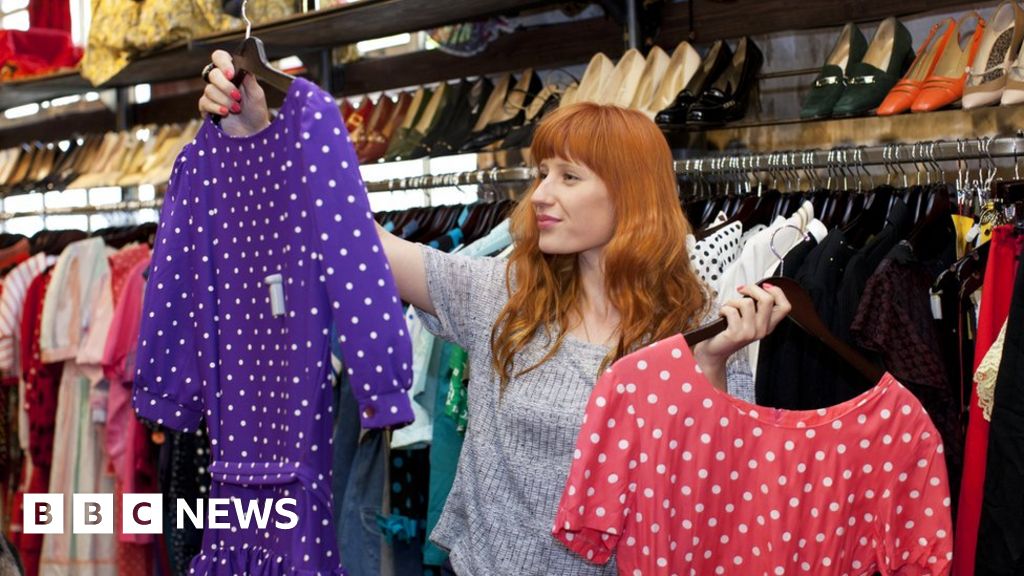
Fast fashion has primarily encouraged a culture of excessive consumption. Consumers are drawn to the low prices and trendy offerings, leading to an increase in the quantity of clothing purchased. According to industry statistics, household spending in the UK on apparel nearly doubled from £30 billion in 2005 to around £60 billion in 2020. This highlights an entrenched consumer habit of prioritizing quantity over quality, driven by societal pressures and marketing strategies that suggest rapid turnover of fashion items is desirable[3].
Young consumers, particularly, have been identified as driving this trend. A survey indicated that over two-fifths of 16 to 24-year-olds purchase clothes online at least once a week, significantly higher than other age groups[1]. The allure of fast fashion is its ability to provide affordable and trendy garments, which feeds the desire for constant novelty and personal expression.
Environmental Awareness Versus Consumption Patterns
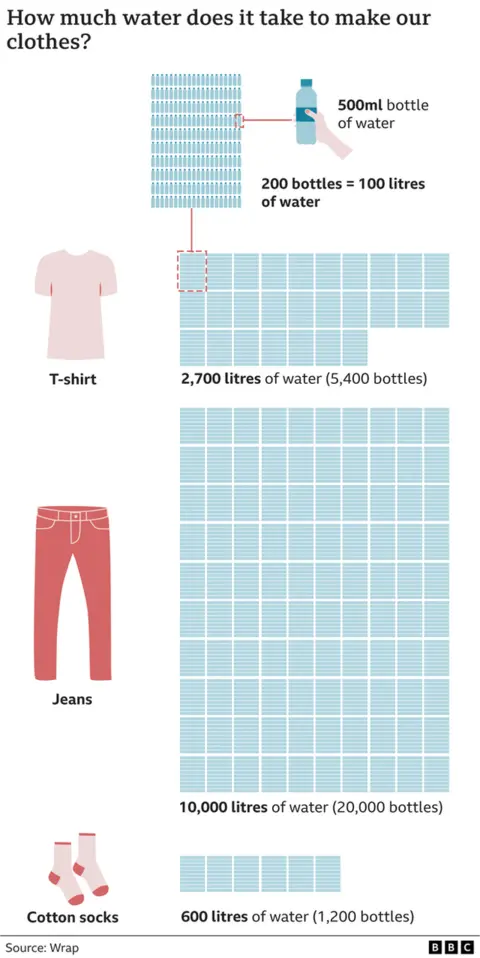
Despite a growing awareness of the adverse effects of fast fashion on the environment, consumer behavior has not always aligned with sustainable practices. The fast fashion industry is responsible for substantial environmental damage, generating over 92 million tons of waste annually and consuming vast amounts of water. This contradiction—a heightened awareness of sustainability alongside a strong demand for cheap, trendy clothing—creates a paradox where knowledge does not necessarily translate into mindful purchasing behavior[2][7].
Research has shown that even as consumers become more aware of the environmental issues associated with fast fashion, including poor labor conditions and high waste levels, they often continue to prioritize low costs and the latest styles over sustainable choices[5][6]. This has led to a growing body of literature that underscores the need for deeper understanding of the discrepancies between sustainability awareness and actual purchasing decisions[2].
Shift in Consumer Values and Influences
The role of social media and influencer marketing cannot be overstated in shaping consumer habits. Fast fashion brands leverage platforms like Instagram to reach consumers effectively, making brand engagement a key element of their marketing strategy. The significant rise in social media usage—from 970 million users in 2010 to over 4.48 billion by 2021—illustrates how intertwined these channels have become with consumer purchasing behavior, especially among younger demographics[3]. Influencers, seen as relatable and aspirational figures, have reshaped perceptions around fashion consumption, further reinforcing the fast fashion cycle[5].
However, this marketing strategy also comes with growing criticism. The trend toward ethical consumption has led consumers to demand more from brands, beyond merely trendy merchandise. As such, there is an increasing expectation for companies to adopt sustainable practices and transparency in their operations to counter the narrative of environmental degradation associated with fast fashion[4][7].
Economic Impacts on Consumer Behavior
Economic factors play a crucial role in consumer spending behaviors in the fast fashion sector. The recent economic uncertainties have altered spending priorities among consumers, particularly highlighting a divergence in how different demographics approach clothing purchases. For example, research indicates that women are more likely to cut spending on clothing than men, which can lead to significant shifts in sales for clothing retailers[4].
As inflation continues to affect disposable incomes, many consumers are becoming more cost-conscious. This awareness is reflected in their purchasing decisions, where the balance between wanting to keep up with fashion trends and the need to manage budgets is becoming increasingly difficult. Brands are responding to changing consumer priorities by refining their stock volumes and focusing on value and quality over variety[3].
Strategies for Sustainable Consumption
In light of the environmental repercussions and their influence on consumer habits, various strategies have emerged to promote sustainable consumption. One effective approach involves encouraging the purchase of second-hand items, which can help reduce overall waste and extend the lifecycle of garments. Online platforms for selling pre-loved clothing have gained popularity, allowing for more sustainable shopping practices amid the fast fashion boom[1][2].
Additionally, educating consumers about the environmental impacts of their choices and promoting a mindset shift toward slow fashion—characterized by quality materials, ethical labor practices, and timeless designs—can help counteract the fast fashion push[5][7].
Conclusion
The influence of fast fashion on consumer habits is profound, fostering a culture of rapid consumption yet simultaneously raising awareness of sustainability issues. The interplay between marketing strategies, consumer demographics, and economic conditions is complex and drives ongoing changes in purchasing behaviors. As society becomes increasingly aware of the environmental and ethical implications of fashion, the challenge remains to translate that awareness into actionable changes in consumption patterns. Ultimately, fostering a more sustainable fashion industry requires not only changes in consumer habits but also significant shifts within brands themselves, aligning operations with ethical and sustainable practices to create a healthier market for all.
Let's look at alternatives:
- Modify the query.
- Start a new thread.
- Remove sources (if manually added).
How does satire influence society?

Satire influences society by challenging power structures and encouraging critical reflection. For example, satirists like Stephen Colbert use humor to reveal the folly of politics, prompting awareness and activism among audiences, particularly younger ones[4]. Historically, satire has held authority accountable, such as when Thomas Nast's cartoons contributed to the indictment of corrupt politicians[5].
In the digital age, satire has reached a global audience, with the internet amplifying its impact. Viral satirical content can shape public opinion and engage diverse voices, although it also risks being misunderstood as misinformation[3]. Overall, satire serves as a vital tool for prompting discussion and reflecting societal issues[1][2].
Let's look at alternatives:
- Modify the query.
- Start a new thread.
- Remove sources (if manually added).
The Evolution of Humor in Social Media
The landscape of humor has undergone significant changes in the digital age, particularly with the rise of social media platforms. Humor now permeates various genres of online content, adapting to contemporary societal norms and evolving communication methods. This report explores the multifaceted evolution of humor in social media, focusing on the transformation of memes, the democratization of comedic expression, and the role of humor as a tool for social commentary.
The Transformation of Memes

Memes have become a cornerstone of digital humor, evolving from simple jokes to complex forms of communication. Initially defined by Richard Dawkins in 1976 as cultural ideas that spread and evolve through imitation, memes have become a vital part of online interactions. They encapsulate and express ideas, emotions, and shared experiences in visually appealing formats that bridge generations and cultures[1][3]. Memes facilitate rapid communication and have become essential for engaging with current events, trends, and societal issues. This 'virality' reflects the collective consciousness, allowing memes to resonate widely across different demographics and cultural backgrounds[3].
With the advent of the internet, humorous content can now spread quickly, often reaching millions within hours. This immediacy allows memes to spark conversations, debates, and, in some cases, societal change[3]. Notably, humorous memes have often served as a medium for social commentary, addressing relevant issues and generating discussions that might not occur in formal settings[4][6]. They can encapsulate complex ideas through humor, making them accessible to diverse audiences.
The Democratization of Comedy
The digital era has democratized humor in unprecedented ways. Traditionally, comedians relied on mainstream platforms like television and film to reach their audiences. However, social media platforms like YouTube, TikTok, and Instagram have enabled any individual with a smartphone to share comedic content, bypassing traditional media gatekeepers. This change has given rise to a new generation of comedians, allowing a broader diversity of voices and perspectives to emerge[2][4].
This shift has transformed not only who gets to be funny but also the type of humor that thrives online. Comedy now often includes irony, sarcasm, and self-deprecation, appealing to internet-savvy audiences familiar with these forms[4]. Social media has created new formats for humor, such as the one-liner on Twitter or the short, engaging skits on TikTok, encouraging brevity and punchiness in comedic expression[2][6]. As a result, humor has adapted to be faster and more relatable to rapidly changing social contexts.
Humor as a Tool for Social Commentary
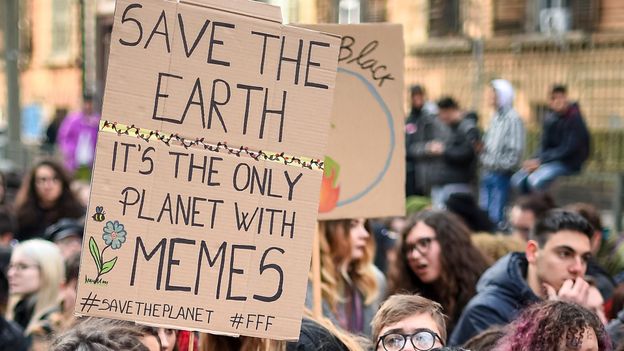
In an increasingly polarized world, humor serves as a powerful tool for social commentary and activism. Memes, in particular, provide a unique way to challenge authority and question societal norms. Satirical and parody-based humor has gained popularity, allowing individuals to express their opinions and frustrations creatively[3]. The internet has amplified the reach and impact of this humor, allowing it to resonate beyond its immediate audience.
For instance, memes that address political events or social issues can quickly gain traction, influencing public opinion and even driving social movements[1][3]. The ability of humor to address complex topics in a digestible format fosters community engagement and encourages dialogue around pressing issues. As such, humor is not merely entertainment—it's a means of forging connections and building relationships among individuals who share similar experiences or viewpoints.
Humor and Marketing
Recognizing the influence of humor on consumer behavior, brands have increasingly leveraged memes and humorous content in their marketing strategies. Advertisers have tapped into the viral nature of memes to create relatable content that resonates with younger audiences, facilitating brand awareness and engagement[6]. Memes can make brands appear more approachable and human, strengthening connections with consumers[2][6]. This approach has transformed modern marketing landscapes, showing that humor can be an effective tool for branding and reaching target demographics.
The Impact of Social Media on Humor

The interplay between social media and humor has developed a unique online culture. Memes and humorous content often reflect the collective mindset of a generation, capturing current trends, societal issues, and the general humor of the time. This phenomenon allows humor to transcend cultural barriers, making it a universal language that fosters connection[1][3][5]. Notably, memes have influenced segments of culture, from discussions about mental health to broader societal movements, demonstrating their significance beyond mere comedy[6].
The rapid evolution of platforms and formats means that humor is continuously changing, as creators adapt to new tools and styles that resonate with audiences. Platforms like TikTok encourage dynamic and innovative approaches to comedic expression, further enriching the digital humor landscape[2].
Conclusion
The evolution of humor in social media is a reflection of broader societal changes. Memes have transformed from simple internet jokes into powerful cultural phenomena that influence communication and foster connections across diverse groups. The democratization of comedy allows voices from various backgrounds to emerge, enhancing the richness of humor available online. Simultaneously, humor serves as an effective means for social commentary, enabling individuals to address complex issues with creativity and relatability.
As the digital landscape continues to evolve, so too will the expressions of humor. It remains an essential component of our lives, offering relief, connection, and commentary in a rapidly changing world. In this way, humor has not only adapted but thrived as a vital force in shaping social interactions and cultural narratives in the digital age.
Let's look at alternatives:
- Modify the query.
- Start a new thread.
- Remove sources (if manually added).
Transformation of Urban Transportation Through Ride-Sharing

Introduction to Ride-Sharing
Ride-sharing, particularly embodied by services like Uber and Lyft, has dramatically altered the landscape of urban transportation. Emerging around 2010, these platforms transformed traditional transportation models by leveraging mobile technology to connect riders with drivers. This innovation disrupted established taxi services, providing a more convenient and often cost-effective alternative for urban mobility. The convenience of ordering a ride via a smartphone app has caught on globally, reshaping commuter patterns and urban traffic dynamics.
Market Growth and Economic Impact
The ride-sharing market has seen tremendous growth since its inception. For instance, in 2019, consumers utilized ride-hailing services for more than 15 billion trips, generating revenues of approximately $130 billion, with projections suggesting this could escalate to between $450 billion and $860 billion by 2030[1]. Additionally, the rise of shared micromobility—such as electric scooters and bicycles—has complemented ride-sharing, leading to a compound annual growth rate (CAGR) exceeding 200% in the micromobility sector[1]. The shared-mobility market overall could expand rapidly, potentially reaching $1 trillion by 2030, shaped by varied factors like consumer adoption and technological advances[1][2].
Changes in Consumer Behavior
A significant aspect of ride-sharing's impact is the shift in consumer behavior towards shared mobility. More than 60% of individuals expressed willingness to utilize shared rides if it could save on costs, indicating an evolving mindset towards collective transportation options[6]. This shift reflects a growing demand for not just convenience but also affordability, specifically among younger generations who prioritize cost-effective travel solutions.
Urban Traffic Congestion and Mobility Patterns

Contrary to the expectation that ride-sharing would alleviate urban congestion, studies have shown mixed results. The introduction of Transportation Network Companies (TNCs) has been linked to increased road congestion and a decline in public transport ridership. Data indicates that TNCs have contributed to a 0.9% rise in congestion levels and an 8.9% decrease in public transport usage[5]. This trend highlights a complex interplay where ride-sharing services can entice users away from public transit while simultaneously raising traffic volumes.
In cities like New York, ride-sharing services have mirrored this trend, with increasing rates of ride-hailing correlating with decreased vehicle ownership. Statistically, the percentage of households without a car in Manhattan rose significantly, showcasing a diminished reliance on private vehicle ownership thanks to the availability of on-demand ride services[2][4].
Environmental Considerations

From an environmental perspective, ride-sharing holds potential for reducing carbon footprints, particularly with initiatives aimed at integrating electric vehicles into fleets. Uber's commitment to transitioning to an electric fleet by 2025 in London exemplifies the industry's shift towards more sustainable practices[2]. The considerable emissions reductions achievable through shared services stand in contrast to the increased traffic congestion attributed to TNCs, which raise critical questions for urban planners about the long-term sustainability of current models[5].
Policy and Regulatory Challenges
Ride-sharing's rapid expansion has brought about numerous regulatory challenges. Local authorities grapple with the classification and regulation of TNCs, particularly concerning issues such as driver safety, insurance requirements, and fare structures. This debate has significant implications for the potential integration of ride-sharing services into existing public transit systems, as policymakers must seek a balance between fostering innovation and ensuring public safety[7].
Future of Shared Mobility
As the future unfolds, the role of autonomous vehicles in the ride-sharing landscape could redefine urban mobility once again. Robo-taxis and autonomous shuttles are anticipated to offer competitive pricing against traditional ride-hailing services as they eliminate driver costs[1][6]. The integration of autonomous vehicles could enhance the convenience and efficiency of ride-sharing, potentially leading to higher levels of consumer adoption and significant shifts in urban transport infrastructure.
Moreover, advancements in air mobility, such as flying taxis, signal another frontier for shared transportation, with major investments indicating an increasing focus on this innovative avenue[1]. However, the realization of these technologies will depend heavily on advancements in regulation and public acceptance, as well as the readiness of urban infrastructures to accommodate these new forms of transport.
Conclusion

The ride-sharing phenomenon represents a significant evolution in urban transport, reshaping how cities manage mobility, congestion, and environmental sustainability. While the benefits of convenience and reduced reliance on private vehicle ownership are notable, challenges such as increased congestion and regulatory hurdles complicate the overall picture. As the sector continues to evolve, the integration of shared and autonomous vehicles could offer new solutions to longstanding urban transportation issues, highlighting the delicate balance cities must strike between innovation, sustainability, and accessibility.
Let's look at alternatives:
- Modify the query.
- Start a new thread.
- Remove sources (if manually added).
