What features made Nokia phones so durable?

Nokia phones are renowned for their durability due to several robust features. They are constructed from durable materials, including metals and strong plastics, which can withstand significant pressure and force[1]. Each model undergoes extensive testing, including drop tests, pressure tests, and temperature evaluations[1]. The interior support structures help keep components securely attached, reducing damage risks when dropped[1].
For instance, the Nokia XR20 can survive drops from heights up to 1.8 meters (5'11') and is waterproof, capable of being submerged at a depth of 1.5 meters for up to one hour[2][3]. It operates well in extreme temperatures, from -4°F (-20°C) to 131°F (55°C)[2]. The phone features an aluminum chassis and Gorilla Glass Victus for display protection, achieving an IP68 rating for dust and water resistance[3]. Additionally, a double-layer construction and design thickness provide extra grip and durability[1]. All these factors contribute to the reputation of Nokia phones as strong and reliable devices.
Let's look at alternatives:
- Modify the query.
- Start a new thread.
- Remove sources (if manually added).

What's the difference between AI chatbots and AI agents?
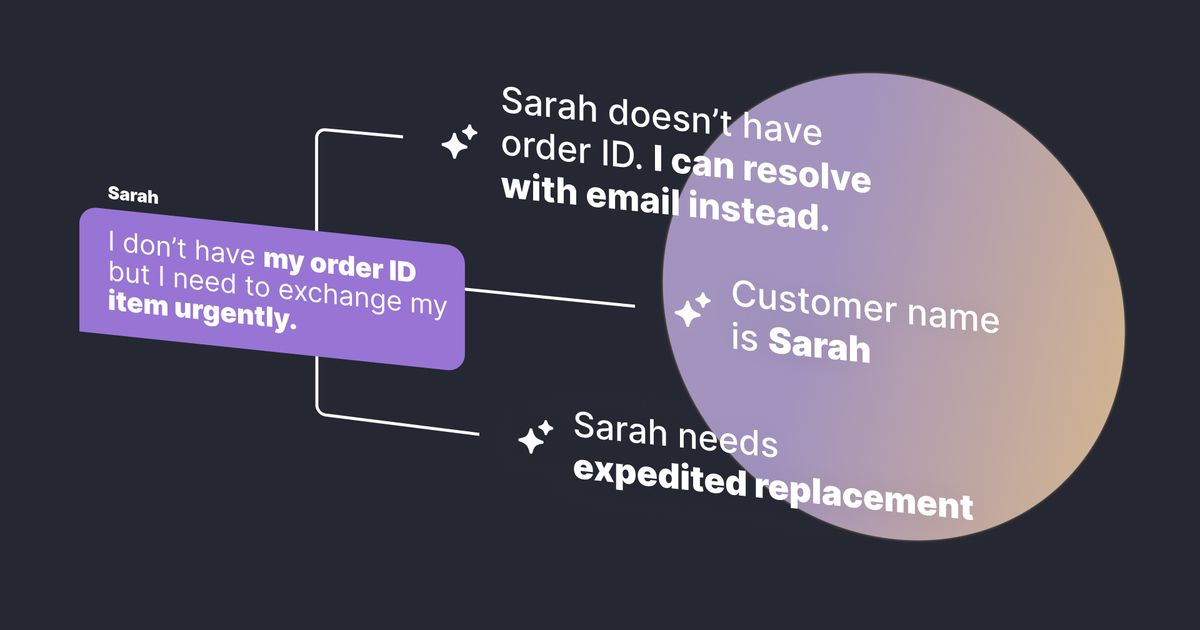
The difference between AI chatbots and AI agents primarily lies in their capabilities, functionality, and complexity. AI chatbots typically follow scripted workflows and use predefined rules to handle simple, repetitive interactions, making them suitable for basic information retrieval and customer support[2][4]. They can be rule-based or powered by machine learning, but their learning capabilities are limited[3][4][5].
In contrast, AI agents utilize generative AI, large language models (LLMs), and natural language processing (NLP) to understand and respond to user queries more naturally and contextually. AI agents can engage in more complex decision-making, learn from interactions, and provide personalized responses, resulting in a more human-like conversational experience[2][3][4][5][6].
Additionally, AI agents operate with a higher level of autonomy, often needing minimal human intervention, whereas chatbots usually require some level of human oversight[5][6]. Overall, while both technologies aim to enhance customer interactions, AI agents are significantly more advanced and adaptable than traditional AI chatbots[1][4].
Let's look at alternatives:
- Modify the query.
- Start a new thread.
- Remove sources (if manually added).
Create your account to shape this feed around what you search for and enjoy.
What is engagement farming?
Engagement farming is a strategy aimed at maximizing interactions on social media content through various manipulative tactics. This includes provoking responses with controversial posts, asking leading questions, and using clickbait headlines to create artificial engagement[1][3][4]. It operates on the principle that higher engagement boosts visibility on platforms like Twitter, Instagram, and Facebook, as algorithms prioritize such content[3][5]. Users often adopt inauthentic methods like follow-for-follow schemes and comment pods to inflate their metrics, while the true content remains lacking in genuine interest or connection[2][5]. As a result, while engagement farming can temporarily increase numbers like likes and shares, it may ultimately harm credibility and not yield a loyal following[2][3].
Let's look at alternatives:
- Modify the query.
- Start a new thread.
- Remove sources (if manually added).
what could be a nice side dish for a carrot soup?

A nice side dish for carrot soup could include crusty French bread, which is perfect for dipping due to its crunchy exterior and soft interior[2]. Garlic bread is also a great option, offering an aromatic and buttery flavor that complements the soup well[1]. Additionally, a Caesar salad provides a fresh and crisp contrast[1], while a mixed green salad adds vibrant elements[2]. Other excellent choices are mashed potatoes, which balance the sweetness of the soup, and cornbread, known for its subtly sweet and moist texture[3]. Grilled cheese sandwiches or baked cheese and veggie quesadillas provide a hearty contrast, making them satisfying pairings as well[3]. For a unique option, consider homemade flatbreads to mop up the soup[6], or even fried paneer cheese cubes for a crispy, vegetarian bite[4].
Let's look at alternatives:
- Modify the query.
- Start a new thread.
- Remove sources (if manually added).
What are the implications of Warren Buffet’s Berkshire Hathaway selling half its Apple stock?
Implications of Warren Buffett's Berkshire Hathaway Selling Half Its Apple Stock
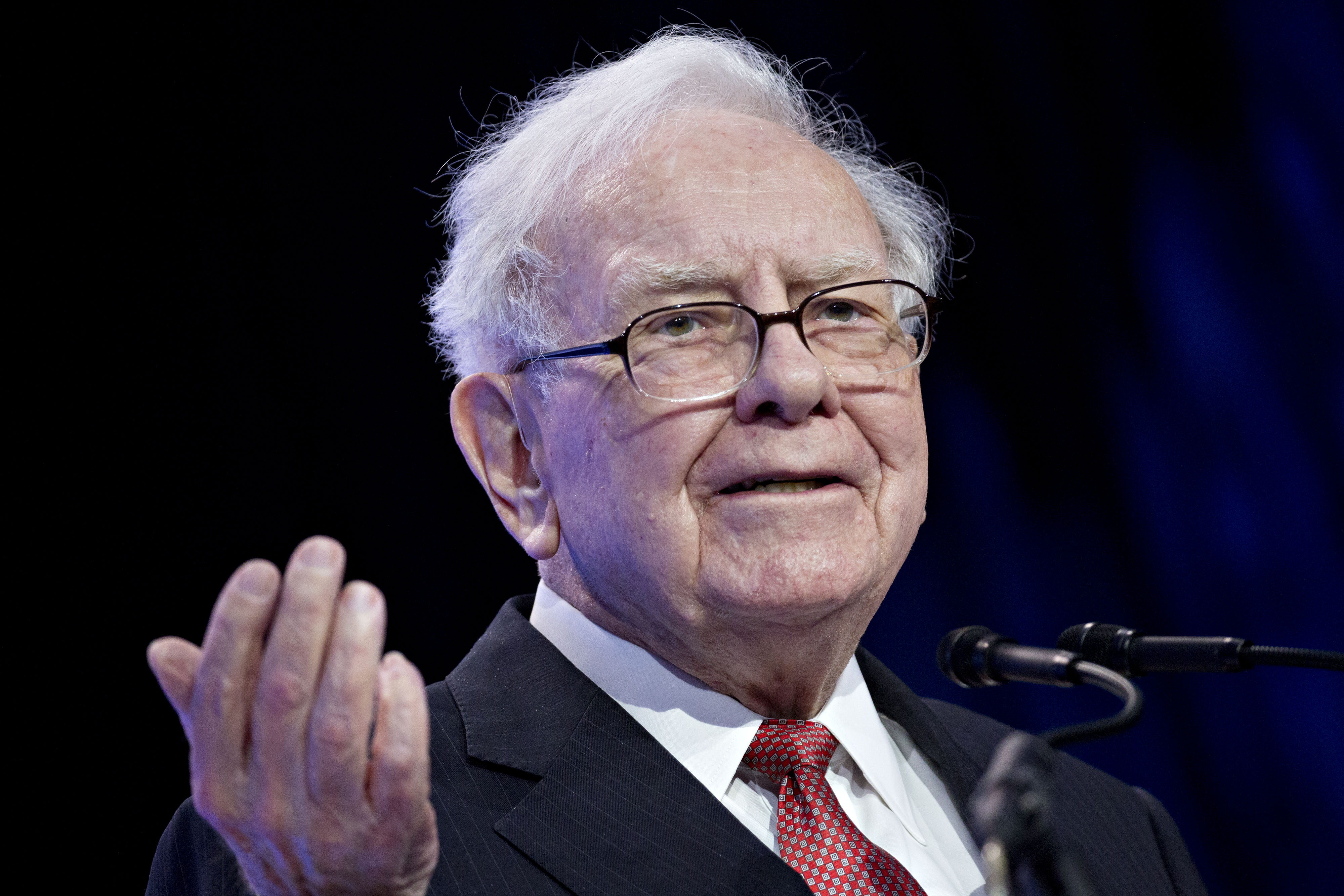
Warren Buffett’s decision for Berkshire Hathaway to sell nearly half of its stake in Apple Inc. has far-reaching implications, highlighting a shift in investment strategy and raising questions about the future of both companies. Here, we explore the various dimensions of this significant financial maneuver.
Shift in Investment Strategy
The sale of nearly 390 million shares resulted in a reduction of Berkshire's Apple holdings from $174 billion to approximately $84 billion, signifying a substantial shift in Buffett's typically long-term investment philosophy. This action represents the seventh consecutive quarter in which Berkshire sold more equities than it purchased, suggesting a perhaps cautious or strategic pivot in how Buffett approaches his investments, particularly in the tech sector[3][5].
Buffett has also previously indicated a pattern of trimming his Apple stake, having reduced it by 13% in the first quarter, which hints at a broader reevaluation of how Berkshire positions itself in the technology market and is potentially affected by concerns about Apple’s growth prospects[2][5].
Increased Liquidity and Cash Reserves
Following this substantial sale, Berkshire’s cash reserves rose dramatically to nearly $277 billion, up from $189 billion in the first quarter. This increase in liquidity may signal that Berkshire is preparing for future investment opportunities or acquisitions. Indeed, Buffett has mentioned he is on the lookout for significant acquisitions but is cautious and waiting for conditions that present low-risk, high-reward opportunities[4][8]. The surge in cash reserves serves as a buffer against market uncertainty while allowing for potential strategic moves in the future.
Market Perception and Stock Valuation Concerns
Berkshire's divestment from Apple could also impact broader market sentiments regarding the tech giant. Historically, Buffett’s investments have influenced other investors and market trends. His recent actions suggest a potential loss of confidence in Apple, which has seen declining growth rates and substantial challenges, particularly in markets like China[6]. As a major investor in Apple, Buffett's shift away from the company could lead other stakeholders to reevaluate their positions, potentially driving down the stock's valuation further.
Additionally, Apple's struggles to deliver compelling innovations, particularly in the face of increasing competition in artificial intelligence, raise concerns regarding its market position and growth trajectory. The implications of these challenges are amplified by Buffett's sell-off, as he is known for his conservative approach to high valuations and volatile market conditions[5][6].
Tax Strategy Considerations
Buffett’s sales appear to be aligned with considerations regarding potential increases in capital gains tax. His comments at the annual meeting suggested that he views selling part of his stake as a way to benefit Berkshire shareholders in the long run, should tax rates change in the future. This strategic move to liquidate 'a little Apple' amidst favorable market conditions may also reflect Buffett's philosophy of profit-taking while the market is strong[4][5].
Broader Market Context
This significant divestment coincides with a broader market correction, particularly impacting the tech-heavy Nasdaq Composite, which has recently experienced a downturn. Analysts suggest that the scale of Berkshire's sales could signal a broader sell-off trend among investors in tech stocks, which have been subject to increased volatility in light of global economic uncertainties, including rising unemployment rates and concerns regarding monetary policy decisions by the Federal Reserve. This environment adds layers of complexity to Buffett's decision-making and investment approach[7][8].
Future of Berkshire Hathaway's Portfolio

Despite the reduction in its Apple stake, the tech giant remains the largest investment within Berkshire's portfolio, underscoring the paradox in Buffett's strategy—while he has sold off a significant portion, he continues to maintain a substantial position. The recent moves within Berkshire’s portfolio, which has seen its allocation in publicly traded stocks decline from 63% to 53%, suggest a strategic pivot towards greater liquidity and caution amid perceived market volatility[6][8].
Conclusion
Warren Buffett’s significant reduction in Berkshire Hathaway's holdings in Apple reflects a complex interplay of market dynamics, liquidity management, and strategic foresight in uncertain economic conditions. While it raises eyebrows regarding Apple’s future growth potential, it also underscores Buffett's cautious yet adaptable investment philosophy. By prioritizing liquidity and maintaining important stakes in select companies, Berkshire Hathaway is positioning itself for possible future opportunities, even as it navigates the shifting landscape of technology investments.
Let's look at alternatives:
- Modify the query.
- Start a new thread.
- Remove sources (if manually added).
Summary of Elon Musk: Neuralink and the Future of Humanity | Lex Fridman Podcast 438

In the Lex Fridman podcast with Elon Musk, DJ Saw, Matthew McDougall, Bliss Chapman, and Nolan Arbaugh, they discuss Neuralink's achievements and future goals. Elon Musk talks about the historic milestone of implanting a Neuralink device in a human brain, acknowledging the significant advances in technology and what that means for the future of human-computer interfaces[1].
DJ Saw elaborates on the technical aspects of Neuralink, including the challenges and innovations involved in creating and optimizing the device, emphasizing its potential impact on people with disabilities[1]. Matthew McDougall, the head neurosurgeon, discusses the surgical process and the intricacies involved in safely implanting the device, highlighting its precision and low-risk nature[1].
Bliss Chapman, the brain interface software lead, delves into the software components and the continuous improvements being made, particularly focusing on user experience and decoding strategies to enhance performance and usability for users like Nolan[1].
Nolan Arbaugh, the first human with a Neuralink device, shares his journey from his accident to the present, his positive mindset, and the newfound independence the device has provided. He describes the transformative experience of controlling a cursor with his mind and the excitement of setting and breaking world records in tasks like the web grid game[1].
Let's look at alternatives:
- Modify the query.
- Start a new thread.
- Remove sources (if manually added).

Create your account to shape this feed around what you search for and enjoy.
Summary of Sam Altman at Lex Friedman Podcast #419

Sam Altman, CEO of OpenAI, discusses the future of AI and the challenges faced by his company. He believes that 'compute is gonna be the currency of the future' and expects that by the end of the decade, significant advancements in AI will be achieved, positing that 'we will have quite capable systems' that are remarkable[1]. Altman reflects on the intense professional and personal challenges during the OpenAI board saga in November 2023, describing it as the 'most painful professional experience' of his life but ultimately educational, helping to build resilience[1].
Addressing governance, Altman shares insights on the restructuring of OpenAI's board following the saga, ensuring more experienced members for better resilience under pressure[1]. He also emphasizes the importance of trust and acknowledges the difficulty of regaining it after such a tumultuous period[1].
Altman touches on the technical progress of GPT-4 and Sora, the latter displaying impressive capabilities in understanding visual data, though with notable limitations like 'cats sprouting extra limbs'[1]. He emphasizes the continuous improvement of AI and hints at future releases without specifying timelines[1].
When questioned about the existential risk of AGI and control, Altman asserts that no single person should have total control over AGI, emphasizing the need for robust governance and proportional power distribution[1]. He also candidly questions his comfort with such power, underscoring his belief in collective decision-making[1].
Altman concludes with thoughts on AI's future impact on scientific discovery and the need for AI to assist in and enhance various human tasks, reflecting his broader vision of AI as a tool for significant societal advancement[1].
Let's look at alternatives:
- Modify the query.
- Start a new thread.
- Remove sources (if manually added).
what is a rice mask?

A rice mask is a skincare treatment made from rice, known for its powerful exfoliating, hydrating, and skin-renewing properties. It can be made using various forms of rice, such as rice grains, rice water, or rice flour, and offers benefits like brightening the skin, improving texture, reducing dark spots, and minimizing pores[1][2][4]. Rice masks are suitable for all skin types, including sensitive skin, and can be customized to address specific concerns, making them a great addition to any skincare routine[2][5]. Common variations include a rice milk mask, fermented rice mask, and ingredients like honey or aloe vera to enhance their effects[4][6]. For best results, it's recommended to use rice masks 2-3 times a week, applying them for 15-20 minutes before rinsing off[2][5][6].
Let's look at alternatives:
- Modify the query.
- Start a new thread.
- Remove sources (if manually added).
Do whitening toothpastes cause tooth sensitivity?

Yes, whitening toothpastes can cause tooth sensitivity. The active ingredient, usually hydrogen peroxide, is linked to increased tooth sensitivity and mild gingival irritation, with the degree of sensitivity related to both the concentration of peroxide and the duration of use[1][3]. Additionally, whitening agents can create small defects and subsurface pores in the teeth, leading to discomfort, especially with hot or cold products[2][1]. While this sensitivity is typically short-term and not permanent, those experiencing continued discomfort should consult a dental professional[3].
Let's look at alternatives:
- Modify the query.
- Start a new thread.
- Remove sources (if manually added).
What are some fun facts about JavaScript?

Here are some fun facts about JavaScript:
JavaScript was created by Brendan Eich in 1995 during a brief 10-day development period and was initially named 'Mocha,' later becoming 'LiveScript,' and finally 'JavaScript' to capitalize on the popularity of Java[1][2][5]. Despite the name, JavaScript is not directly related to Java and is designed as a lightweight, prototype-based language for adding interactivity to web pages[2][5]. JavaScript treats functions as first-class citizens, allowing them to be assigned to variables, passed as arguments, and returned from other functions, enhancing modularity and code reusability[2].
JavaScript is primarily known for its role in client-side web development, executing in the browser to enable dynamic interactions. However, with Node.js, it has expanded to server-side development, enabling full-stack applications using a single language[5]. The language is dynamically typed, meaning variables can hold values of any type, and it supports both functional and object-oriented programming paradigms[5].
JavaScript uses asynchronous programming techniques, including callbacks, promises, and async/await, allowing it to handle time-consuming operations without blocking other code execution[2][5]. Additionally, an interesting quirk of JavaScript is that NaN (Not a Number) is considered a unique value that is not equal to itself[3]. The language has a rich ecosystem, consisting of numerous libraries and frameworks like React, Angular, and Vue.js, which enhance development productivity[5].
Overall, JavaScript is a foundational component of the web, with over 95% of websites utilizing it today[1].
Let's look at alternatives:
- Modify the query.
- Start a new thread.
- Remove sources (if manually added).