Discover Pandipedia
A growing directory of useful answers selected by the Pandi community. Search the collection or browse the latest discoveries.
3444 entries available
Fast facts: global screen time trends
Let's look at alternatives:
- Modify the query.
- Start a new thread.
- Remove sources (if manually added).

mindful breathing on the go

Vagus Nerve Stimulation Breathing Exercise - Pocket Breath Coach - Luke Horton

Deep Breathing Exercise for Panic Attacks #breathing #breathingtechnique #breathingexercise - Pocket Breath Coach - Luke Horton

Better Breathing in 1 Move! Dr. Mandell - motivationaldoc

Breathing Trick Takes Away Stress and Anxiety! Dr. Mandell - motivationaldoc

Get More Oxygen in Seconds! Dr. Mandell - motivationaldoc
Let's look at alternatives:
- Modify the query.
- Start a new thread.
- Remove sources (if manually added).
Create your account to shape this feed around what you search for and enjoy.
Comprehensive Overview of Ocean-Based Renewable Energy Technologies: Tidal, Wave, and OTEC
Introduction
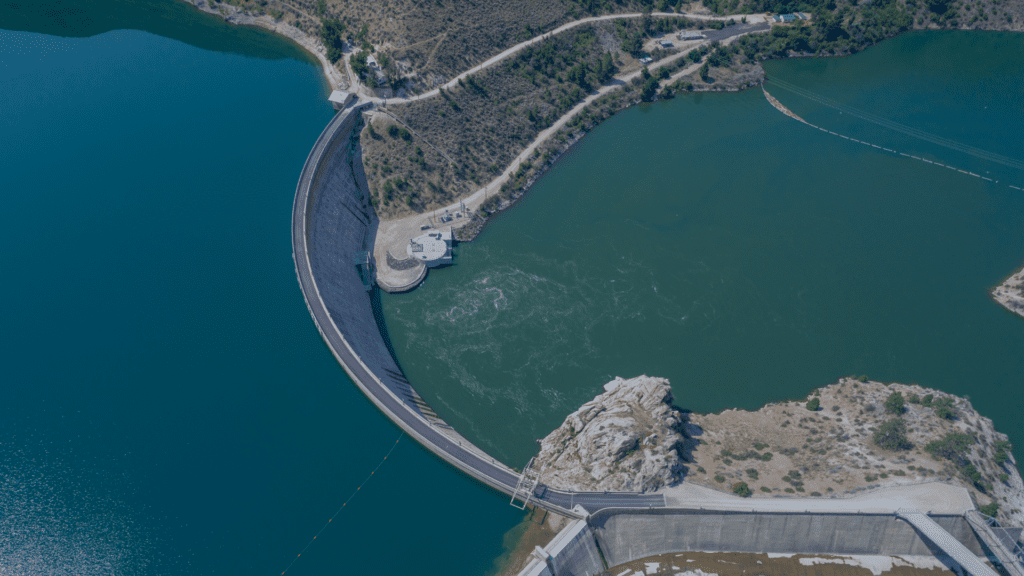
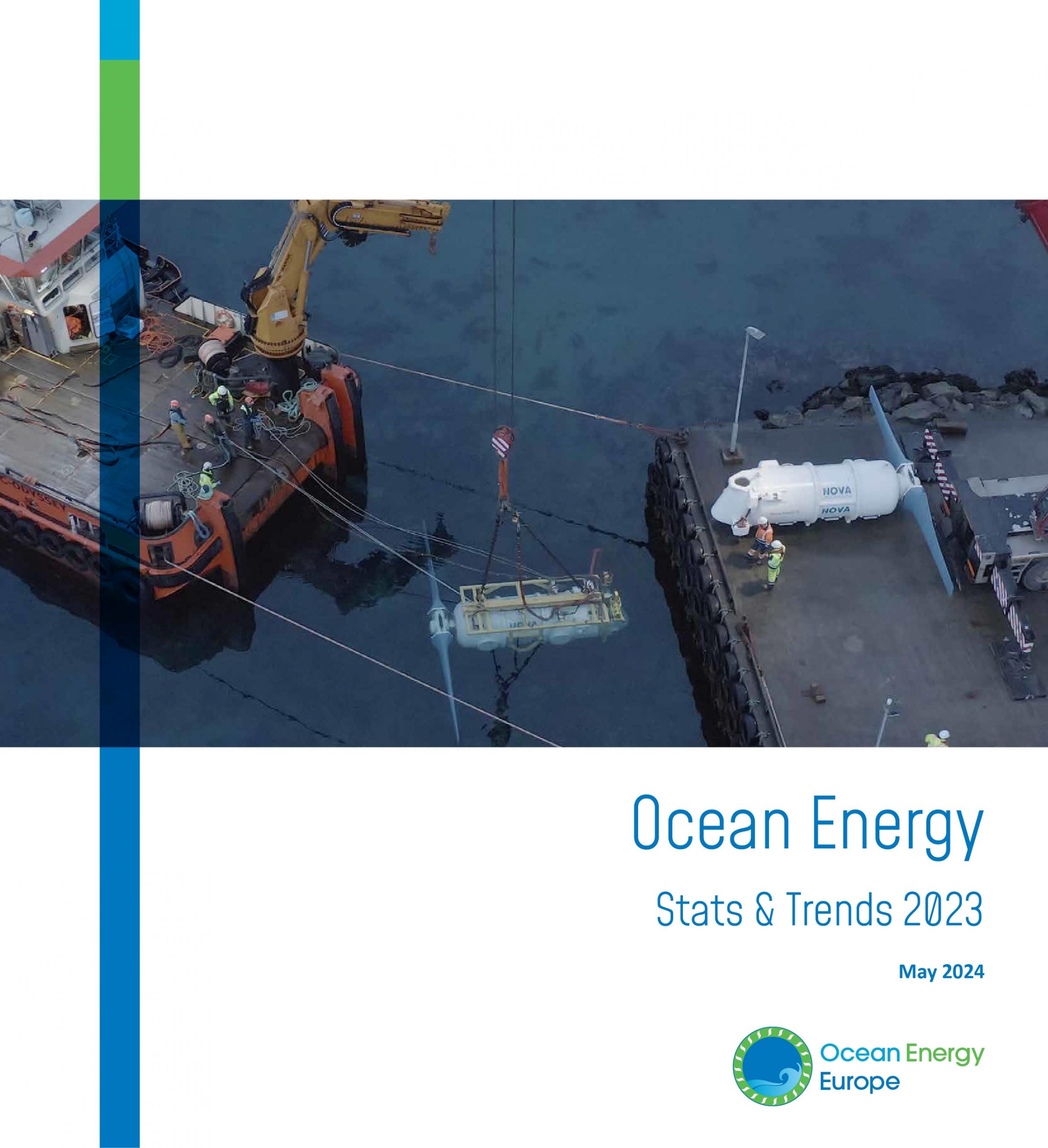
Ocean-based renewable energy technologies offer promising solutions to reduce carbon emissions and diversify the global energy mix. These technologies include tidal systems, wave energy converters, and ocean thermal energy conversion (OTEC), each with unique technical characteristics, environmental impacts, and commercialization paths. Recent initiatives and investments have accelerated work on these projects while targeting significant capacity increases by the mid-2030s[2].
Technological Overview

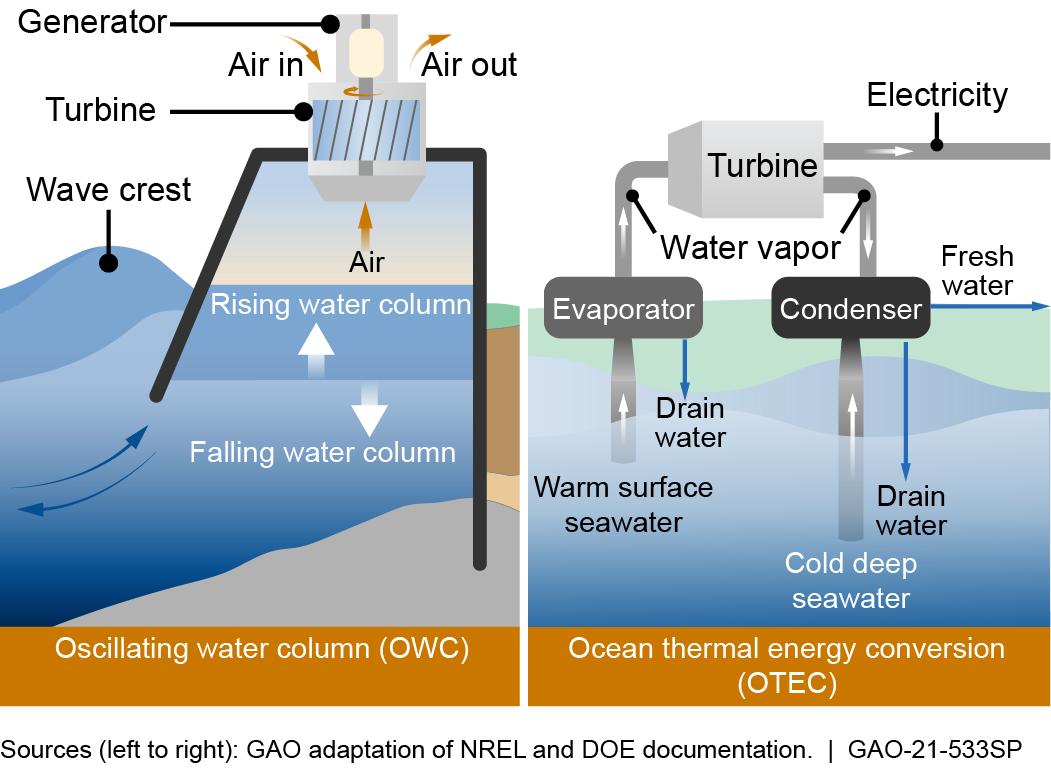
Tidal energy is primarily captured through two types of systems: tidal range and tidal stream devices. Tidal range technologies, such as barrages and lagoons, make use of the difference in water levels between high and low tides, while tidal stream devices capture kinetic energy from water currents using horizontal or vertical axis turbines. Hybrid systems like dynamic tidal power combine both approaches to improve efficiency in energy conversion[5]. In contrast, wave energy converters employ different technologies to transform the energy from ocean swells into electricity, as exemplified by systems proven in locations like northern Portugal. Meanwhile, OTEC systems use the temperature difference between surface and deep ocean water to generate power, although this technology remains at an earlier stage of commercial development compared to tidal and wave devices[10].
Efficiency and Environmental Impacts

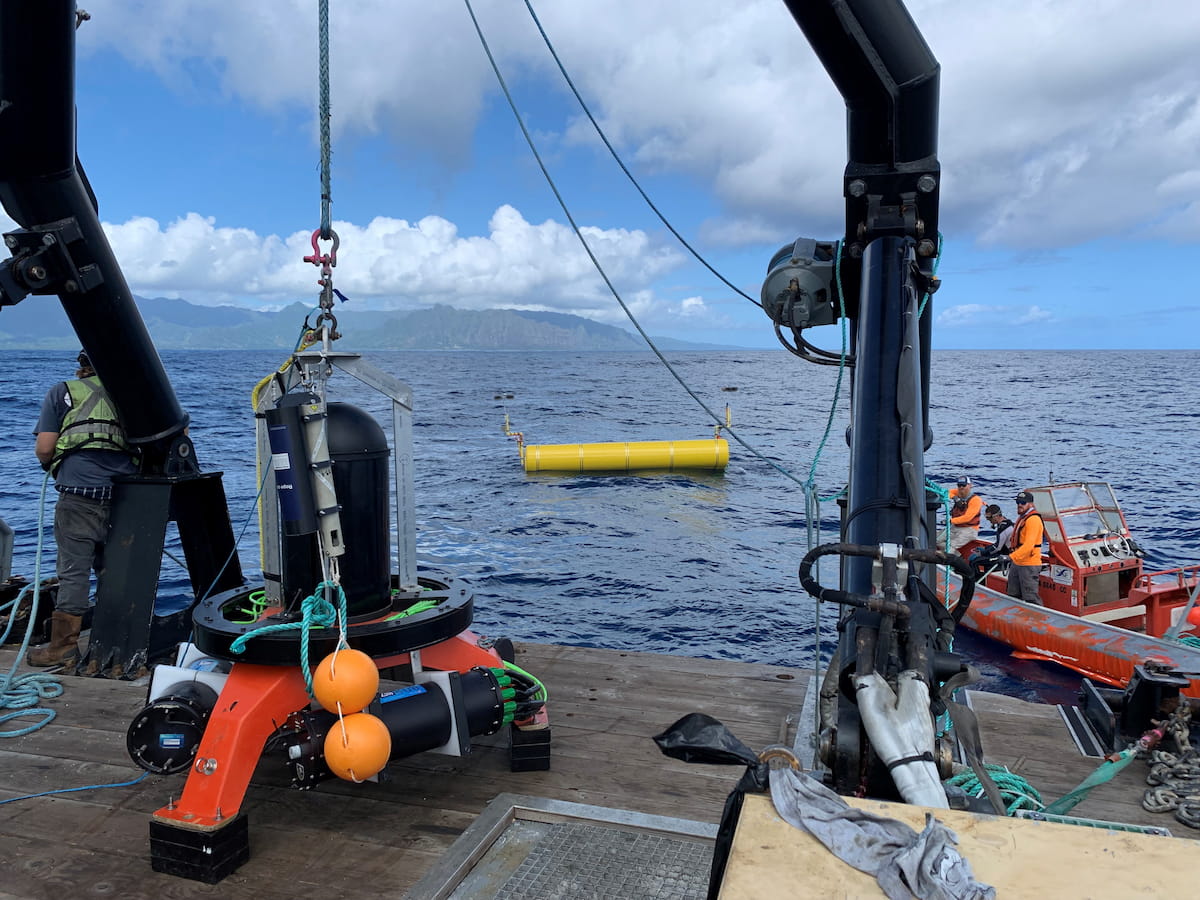
Tidal energy offers significant advantages in terms of predictability and reliability. Unlike wind and solar, the tidal cycle is highly predictable extending years into the future, which facilitates long-term planning and grid integration[5]. However, high initial capital costs and maintenance challenges, such as resisting the corrosive nature of seawater, contribute to a higher levelized cost of tidal energy compared to other renewables. For instance, studies have estimated tidal energy costs at around US$280 per megawatt hour, while wind energy costs are substantially lower, around US$20 per megawatt hour[5].
Environmental impacts are a key area of study. On the positive side, tidal and wave energy systems produce minimal greenhouse gas emissions and have a smaller spatial footprint compared to wind and solar installations. Nonetheless, underwater noise, electromagnetic fields from cables and turbines, and potential collision risks for marine wildlife are important concerns. Detailed monitoring at sites like Sihwa Lake and La Rance has shown both potential benefits, such as improved water quality due to increased circulation, and drawbacks, for example, disturbances in marine habitats that could affect aquatic life patterns[11].
Commercialization Timelines and Financial Support
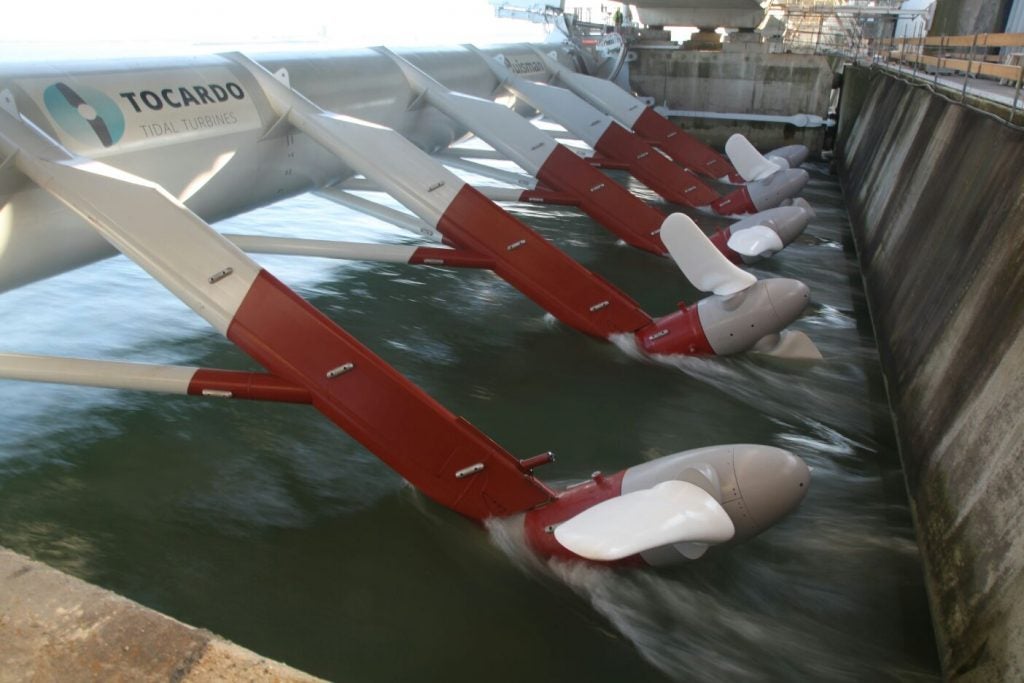
The pace of commercializing tidal and wave energy technologies has improved with increased governmental and private funding. In the United States, for example, new legislation such as that passed in New Jersey provides financial incentives and regulatory support to drive tidal power projects forward[4]. Concurrently, industry reports have set ambitious deployment targets; the marine energy sector has outlined goals of 50 MW by 2025, 500 MW by 2030, and 1 GW by 2035, urging further financial support to overcome market barriers[2].
European markets are also experiencing significant momentum in ocean energy development. According to recent statistics, EU funding combined with national revenue supports is enabling roughly 137 MW of tidal and wave energy projects to be deployed over the next five years, with private investments rising by 75% in 2023 alone[8].
Leading Projects Worldwide


A number of pioneering projects highlight the global momentum in ocean energy. In the United Kingdom, tidal power developments such as the Centre Port project in the Wash, with an estimated investment of $2.4 billion, aim to generate enough power for 600,000 homes. Additional tidal ventures in Scotland and Wales have secured significant funding and are progressing toward higher capacities[4].
In the wave energy sector, breakthroughs include commercially scaled devices operating off the coast of northern Portugal by companies such as CorPower Ocean. Research from institutions in Finland points toward a future scenario in which 27 GW of wave energy capacity could play a critical role in a cost-effective net zero system, emphasizing the importance of integrating multiple renewable resources to meet future energy demands[7].
Project portfolios also extend to OTEC initiatives, which, although at a nascent stage of commercial deployment, have demonstrated the potential to complement other ocean energy technologies. The overall outlook for ocean energy is one of growing industrialization and scaling, supported by both public policy and private investment initiatives worldwide[10].
Conclusion


Ocean-based renewable energy technologies, including tidal, wave, and OTEC, are advancing toward commercialization with significant progress in efficiency improvements and capacity expansion. Although challenges remain – particularly with respect to environmental impacts and high initial costs – the predictability and stable operation of tidal systems, the low greenhouse gas emissions of all these technologies, and steady government as well as private sector support provide robust promise for a cleaner energy future. With detailed research and proactive environmental safeguards being implemented alongside innovative projects globally, these technologies are positioned to contribute substantially to achieving net zero emissions in the coming decades[7].
Let's look at alternatives:
- Modify the query.
- Start a new thread.
- Remove sources (if manually added).
Integrating Wet Lab Automation with Cloud-Based Machine Learning: From Bench to Byte
Overview


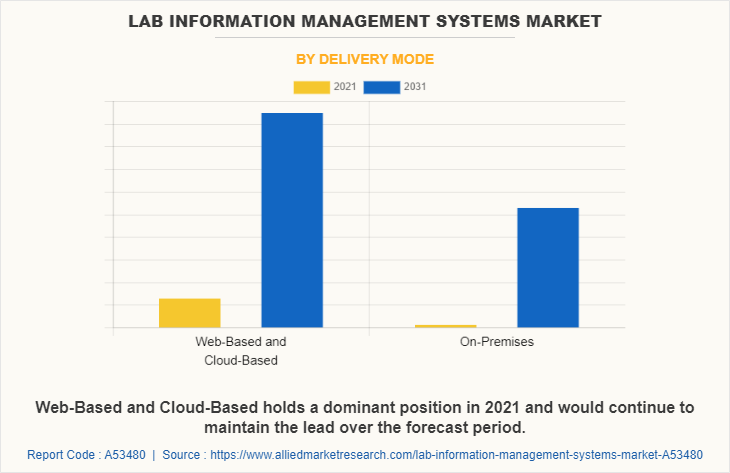
The integration of wet lab automation with cloud-based machine learning creates a seamless environment where physical experiments and computational feedback loops work together to accelerate drug discovery and scientific research[1][2]. This report outlines the hardware stack used for lab automation, the role of laboratory information management systems (LIMS) in data integration, and the orchestration tools that coordinate these complex workflows, all while providing a conceptual workflow diagram and cost analyses.
Hardware and Automation Platforms

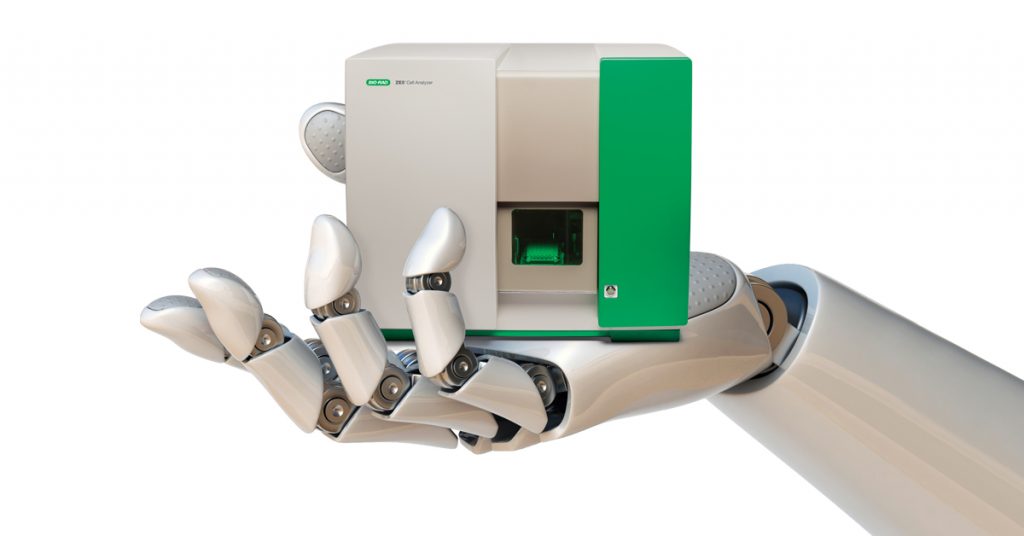
Modern wet labs incorporate advanced robotic systems and closed-loop automation platforms that execute experiments across various modalities such as biochemistry, biophysics, and cellular biology[1]. For instance, the integration of liquid handlers, robotic workcells, and custom assay cascades allows for ultra-rapid and precise data generation using hundreds of times more data points per assay compared to industry norms[1]. In addition, platforms like LINQ provide a node-based workflow canvas and Python SDK that permit the design, simulation, and live execution of experimental protocols, making it simple for scientists to customize and integrate their solutions without extensive programming knowledge[6].
Lab Information Management Systems (LIMS) and Data Integration
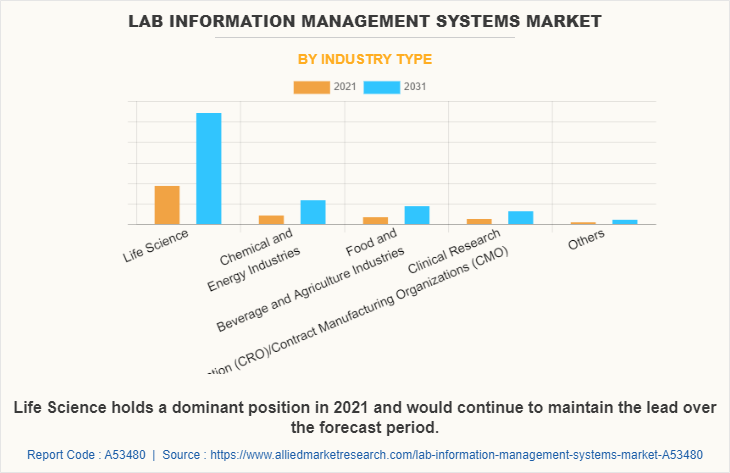
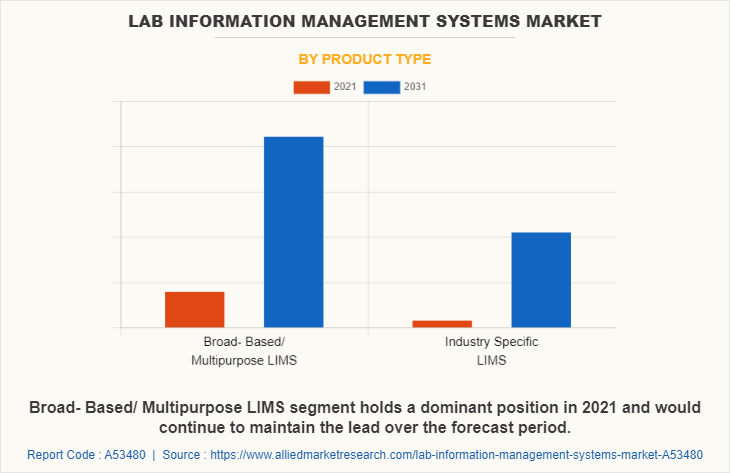
LIMS solutions are critical to managing laboratory data, instruments, and workflows. They create a centralized repository for experimental data and metadata, ensuring that information is accessible to every team member and that procedures are compliant and traceable[2]. Companies like Thermo Fisher provide LIMS platforms that are purpose-built to support various laboratory functions such as sample tracking, workflow automation, and real-time data management in environments ranging from research and development to manufacturing and bioanalysis[3]. This centralized approach ensures that the laboratory's experimental data is FAIR—findable, accessible, interoperable, and reusable—supporting further computational analysis in the cloud.
Pipeline Orchestration Tools


Pipeline orchestration tools are essential for automating, coordinating, and managing the multiple stages of machine learning projects, from preprocessing data and feature engineering to model training and deployment. These tools help establish efficient workflows that are reproducible, scalable, and robust by allowing parallel execution, resource management, and error handling[4]. Various platforms such as Apache Airflow, Prefect, Dagster, and Kubeflow have emerged as leaders in this space. They enable data scientists and ML engineers to design workflows as directed acyclic graphs (DAGs) and to integrate continuous integration/continuous deployment practices in ML pipelines[7]. These orchestration tools serve as the computational counterpart to physical experiment automation, ensuring that high-quality experimental data is seamlessly fed into machine learning models and that feedback loops are maintained for continuous improvement.
Workflow Diagrams and Cost Analyses

A typical integrated workflow starts with data capture at the bench using automated instruments, followed by execution of experiments controlled by robotic systems. The data is then annotated and stored within a system of record such as an ELN or LIMS. This annotated data is fed into design-of-experiment software to structure and standardize protocols and then passed onto orchestration tools that manage the machine learning pipeline on cloud infrastructure. Finally, the computational feedback, including predictive models and analysis, informs subsequent experimental design and adjustments in the physical workflow. This cycle is visualized in a workflow diagram where sensors, robotic systems, LIMS, orchestration engines, and cloud computing modules are interconnected in a continuous loop of data capture, analysis, and iterative experimentation[2].
Cost analyses conducted on laboratory information systems have shown that while the initial capital expenditure for setting up a full laboratory automation and communication system is high, the cost per test can be reduced dramatically. In one study, the cost per test for full-service capability ranged between 13 and 17 cents, and when viewed on a per patient day basis, expenses ranged between 59 and 85 cents[5]. These efficiencies help justify the initial investments by reducing recurring costs over time and improving throughput.
Conclusion
.jpg "Top 10 Lab Data Management Software Solutions in 2025")
Integrating wet lab automation with cloud-based machine learning is redefining the way scientific experiments are conducted and analyzed. By utilizing sophisticated hardware platforms, robust LIMS solutions, and advanced pipeline orchestration tools, laboratories can bridge the gap between physical experimentation and digital analysis. The resultant feedback loops foster an environment where rapid, data-driven decisions accelerate development cycles, improve success rates, and ultimately lead to significant cost savings. This unified approach not only streamlines the design-make-test-analyze cycle but also paves the way for more predictive and adaptive experimental strategies, ensuring that laboratories are well-equipped to meet the demands of modern research and therapeutic development.
Let's look at alternatives:
- Modify the query.
- Start a new thread.
- Remove sources (if manually added).
Did you know your watch can spot dehydration?
Transcript
Imagine your watch not only telling time but also keeping an eye on your hydration. Modern wearables use sensors that measure the electrical conductance of your skin, a method known as galvanic skin response. When you are well hydrated, your skin has more water and conducts electricity better. In contrast, when you are dehydrated, the skin becomes less conductive due to reduced water levels. These devices also monitor subtle changes in your body temperature, which can provide further clues about your hydration status. Together, these advanced measurements help predict when you might be becoming dehydrated, allowing you to take action before health issues arise.
Let's look at alternatives:
- Modify the query.
- Start a new thread.
- Remove sources (if manually added).

teachable AI moments

This Crazy Ai tool Will Debug and Fix Your Code - The Testing Academy

ChatGPT Said Owls Have Blue Blood… So I Turned It Into a Lesson! - Richard Campbell

Machine Learning Explained🔥in 30 Seconds. #shorts #machinelearning - Error Makes Clever

ChatGPT & Generative AI Explained: How Does It Work? #shorts #chatgpt #generativeai - Error Makes Clever
Let's look at alternatives:
- Modify the query.
- Start a new thread.
- Remove sources (if manually added).
Create your account to shape this feed around what you search for and enjoy.
motivational quotes on lifelong learning


Education is not the filling of a pail, but the lighting of a fire.W.B. Yeats[4]

The illiterate of the 21st century will not be those who cannot read and write, but those who cannot learn, unlearn, and relearn.Alvin Toffler[4]

Continuous learning is the minimum requirement for success in any field.Unknown[3]

A commitment to lifelong learning is a natural expression of the practice of living consciously.Nathaniel Branden[6]
Let's look at alternatives:
- Modify the query.
- Start a new thread.
- Remove sources (if manually added).
Cultural Diplomacy and Soft Power in International Esports Tournaments
Overview of Esports as a Global Cultural Platform

International esports tournaments have evolved into more than competitive events; they now serve as platforms for cultural diplomacy and soft power projection. As one analysis notes, esports is not merely about players battling in virtual arenas, but rather acts as a medium that brings people together by breaking down language and cultural barriers[1]. This transformation in the esports landscape underscores its role in building global connectivity and fostering mutual understanding among diverse communities[1].
Soft Power and Nation Branding in Esports


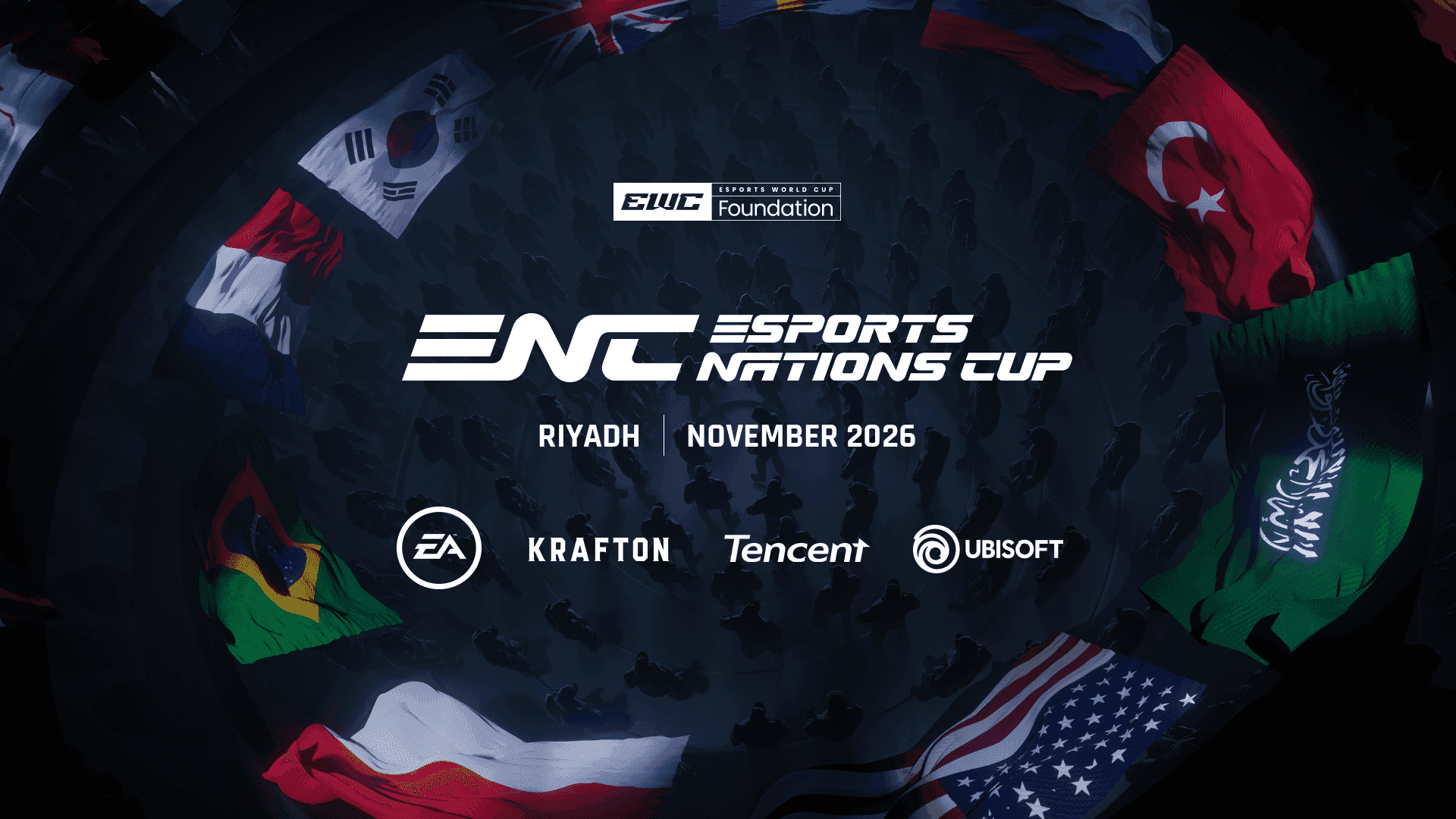
Soft power in esports is increasingly visible as nations integrate competitive gaming into their cultural and economic strategies. For instance, the introduction of nation-based tournaments, such as the Esports Nations Cup, redefines competitive gaming by shifting the focus from club rivalries to national pride and identity[2]. This event emphasizes the value of national organization by enabling players to represent their countries on a global stage, thereby enhancing the brand image of nations through sports and digital media[7].
Countries such as China are actively using esports as a tool for soft power. Chinese media highlights how the nation's leading esports teams and high-profile players help export a form of entertainment that competes with traditional Hollywood productions, reinforcing a national identity that appeals globally[10]. Similarly, Gulf countries are leveraging esports to reposition their international image and diversify their economies, employing tournaments as instruments of influence that align cultural promotion with economic objectives[5].
In addition, industry analyses underline that state-sponsored tournaments can also serve as vehicles for nation branding, as investments in giant esports events are designed not only to support the competitive ecosystem but also to create enduring symbols of national progress and cultural vitality[11].
Cross-Cultural Exchange and Global Connectivity
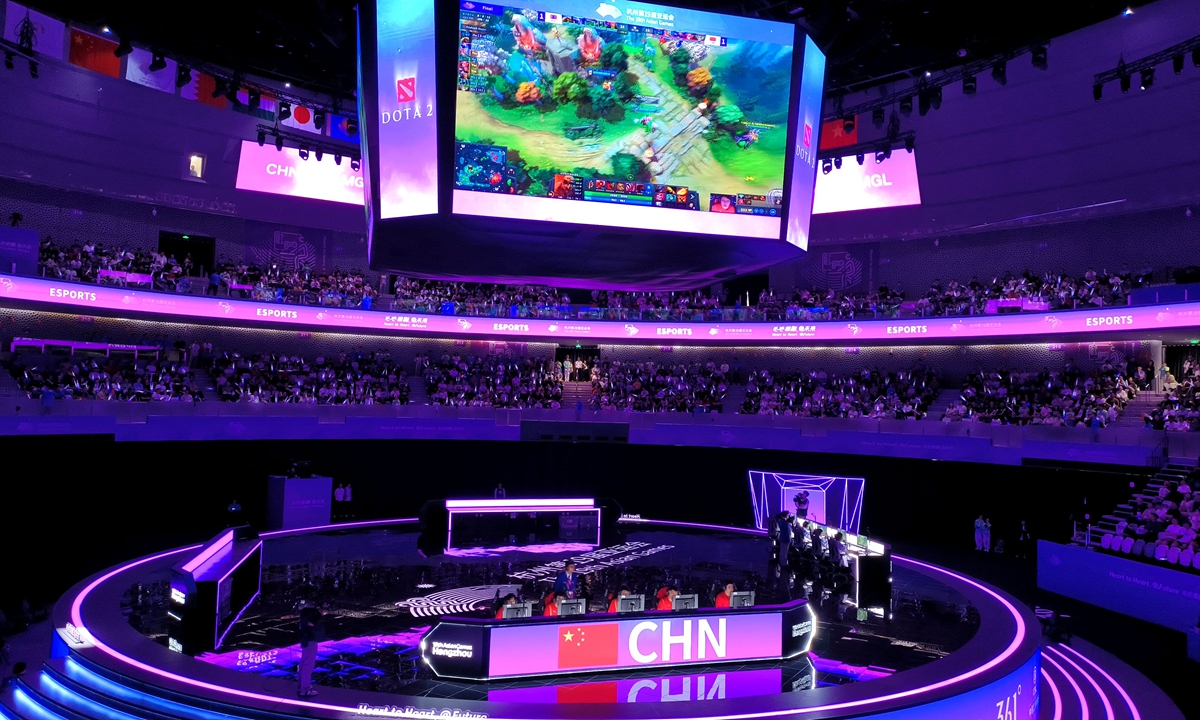
Esports events provide fertile ground for cross-cultural exchange by uniting participants and audiences from diverse backgrounds. As described, in-game communication and shared competitive experiences have a universal quality that transcends traditional language barriers, thereby facilitating a rich dialogue among fans and players worldwide[1]. Major international tournaments continually bring together teams and competitors from different continents, enabling direct cultural interactions and the exchange of ideas and traditions[3].
Moreover, popular titles that incorporate cultural narratives and historical elements, such as those developed by major firms embedded in national politics, serve as conduits for showcasing traditional values and national mythology. These games act as modern ambassadors, transmitting aspects of national culture to international audiences through their design and storytelling[4].
Diplomatic and Economic Implications


The integration of esports into national agendas presents significant diplomatic and economic benefits. Tournaments like the Esports Nations Cup offer a predictable structure that encourages long-term investment in regional esports infrastructure and talent development, thereby strengthening economic ties and enhancing regional cooperation[2]. These events, often supported by large-scale state funds, also serve to legitimize and bolster national identity in the international arena[7].
Furthermore, esports is increasingly recognized as a component of sports diplomacy with parallels to traditional sporting events such as the Olympic Games. As international organizations and governments acknowledge the strategic potential of esports in public diplomacy, these competitions are viewed as an opportunity to foster dialogue, mitigate geopolitical tensions, and enhance bilateral relations through shared cultural and sporting experiences[9].
Economic analyses also note that investments in esports tournaments can stimulate growth across multiple sectors including technology, broadcasting, and tourism. As national and international brands align themselves with these tournaments, the resulting sponsorship and media deals contribute to a burgeoning global industry, further intertwining cultural influence and economic opportunity[11].
Conclusion
In conclusion, international esports tournaments have emerged as significant instruments of cultural diplomacy that facilitate soft power projection, nation branding, and cross-cultural exchange. By uniting diverse players under the banner of national pride and shared cultural values, these events not only redefine competitive gaming but also serve broader diplomatic and economic objectives. As governments and private stakeholders continue to invest in esports, the confluence of digital entertainment and state-driven initiatives promises to reshape global perceptions and reinforce national identities in an increasingly interconnected world[10].
Let's look at alternatives:
- Modify the query.
- Start a new thread.
- Remove sources (if manually added).
What are micro-internships and how can they bridge the reskilling gap?

Micro-internships are short-term, paid professional assignments that are similar to traditional internships but typically involve project-based work. They usually last anywhere from a few hours to a few weeks, providing participants with practical, real-world experience in various fields, including IT, marketing, and research[5].
These micro-internships are particularly beneficial for college students and recent graduates, allowing them to explore different industries and job roles while fitting around their academic schedules. The nature of micro-internships enables transitions for workers by offering hands-on practice, thereby addressing skills gaps that may exist for those entering the job market or changing careers[3][1].
Two popular platforms for finding micro-internship opportunities are Parker Dewey and Forage. Parker Dewey specifically focuses on connecting students with short-term projects that enhance their professional skills while allowing companies to tap into diverse talent pools[1][3].
Let's look at alternatives:
- Modify the query.
- Start a new thread.
- Remove sources (if manually added).
reflections on time from philosophers
Time cannot transform itself into eternity.Karl Jaspers[2]
Eternity exists in time.Karl Jaspers[2]
Eternity is neither timelessness, nor is it lasting forever.Karl Jaspers[2]
It is not death that a man should fear, but rather he should fear never beginning to live.Marcus Aurelius[5]
Change is the only constant, and time is the objective ruler of the universe.Unknown[4]
Let's look at alternatives:
- Modify the query.
- Start a new thread.
- Remove sources (if manually added).