Achieving Waterproof: The Science Behind Boot Design
Transcript
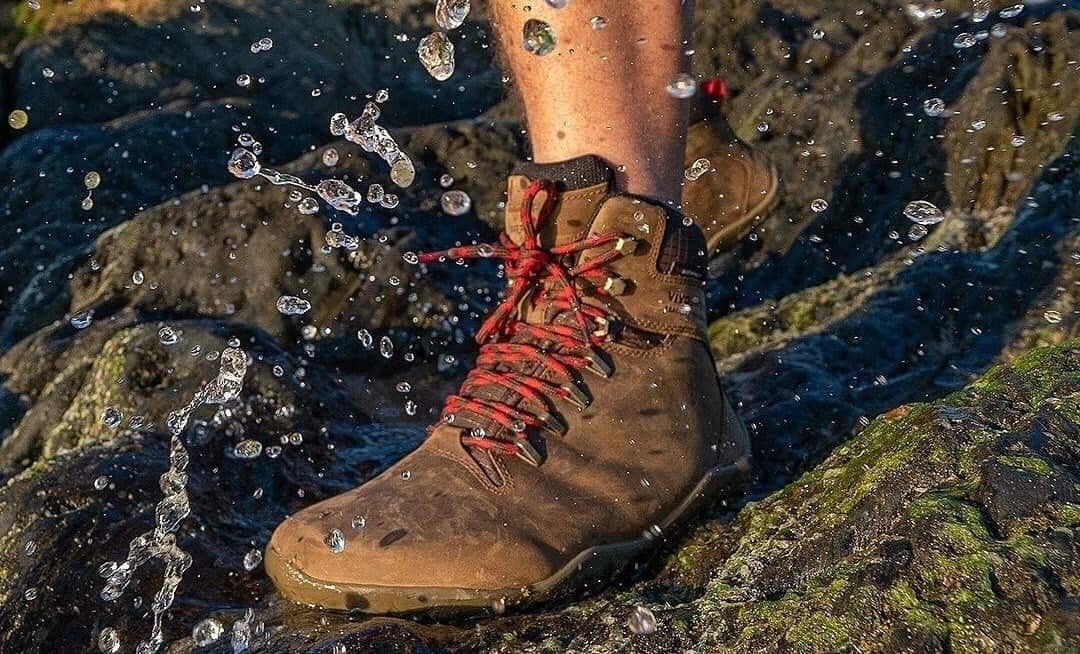
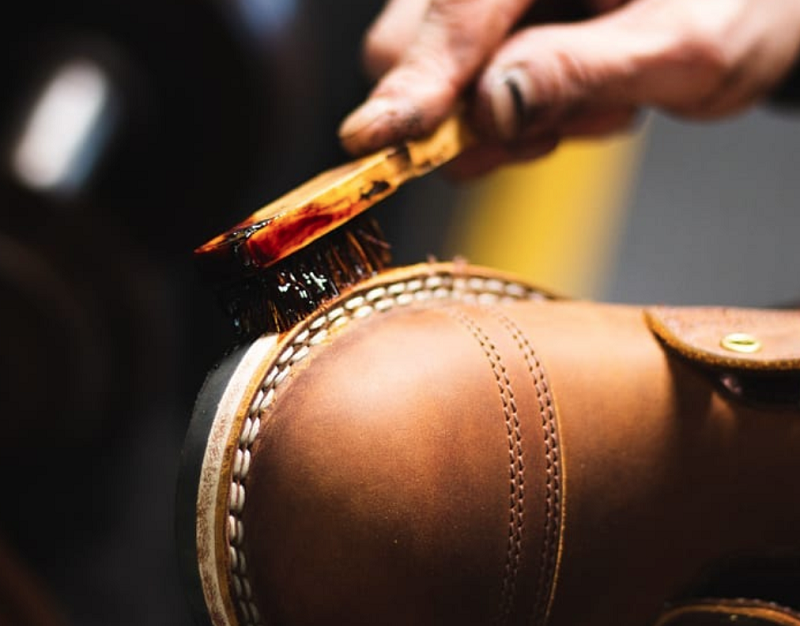
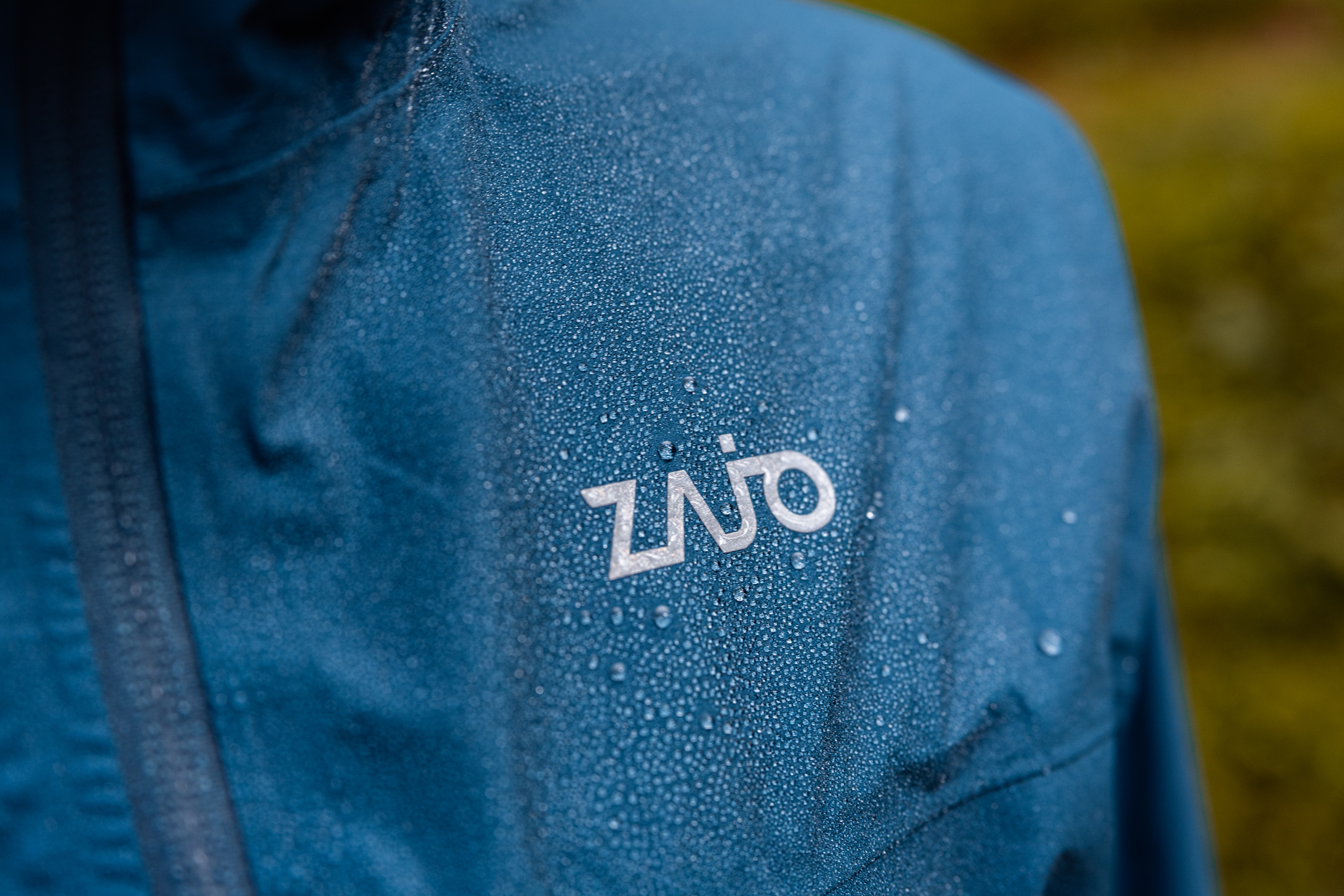
Achieving waterproof properties in boots involves advanced design and materials. Key technologies include waterproof membranes, like Gore-Tex, which feature microscopic pores allowing moisture vapor to escape while blocking liquid water. Additionally, boot construction techniques, such as seam sealing and the use of durable water-repellent (DWR) coatings, enhance overall waterproofing. The construction methods also impact how well boots can keep water out, with methods like stitchdown and Goodyear welt improving resistance. Together, these elements ensure boots remain dry and comfortable in wet conditions.



Get more accurate answers with Super Pandi, upload files, personalized discovery feed, save searches and contribute to the PandiPedia.
Let's look at alternatives:
- Modify the query.
- Start a new thread.
- Remove sources (if manually added).
 Curated by Joan