Découvrir Pandipedia
Un répertoire grandissant de réponses utiles sélectionnées par la communauté Pandi. Cherchez dans la collection ou parcourez les dernières découvertes.
2272 entrées disponibles

Ethical Governance for the Quantum Era: Anticipating Societal Impacts and Proposing Frameworks
Ethical Governance for the Quantum Era: Anticipating Societal Impacts and Proposing Frameworks
Introduction: The Dawn of the Quantum Age

Quantum computing represents a paradigm shift in computational power, leveraging principles like superposition and entanglement to solve complex problems exponentially faster than classical computers[10][17]. The achievement of "quantum supremacy," where a quantum system solves a problem beyond the practical reach of classical computers, signals the technology's immense potential to revolutionize fields from medicine to finance[13][5]. However, this transformative power introduces significant societal, ethical, and security risks[1][10]. As with artificial intelligence (AI), there is an urgent call to establish ethical guidelines and governance structures before the technology's widespread adoption creates irreversible consequences[3][6]. The most effective time to consider the ethical implications of a technology is during its design and development phase, as it allows for early intervention[1][3].
The Double-Edged Sword: Societal Risks of Quantum Advancement



The emergence of quantum computing brings a host of societal risks spanning economic, privacy, and geopolitical domains. One of the most profound concerns is the potential for economic disruption and increased inequality[17]. The technology could automate jobs currently performed by humans, leading to job displacement[2][8][14]. Furthermore, the high cost and resource-intensive nature of quantum computing could create a "quantum divide" between nations and corporations with access to the technology and those without, exacerbating global socio-economic gaps[5][8][15]. This could lead to "winner-takes-all" dynamics, where a few dominant players monopolize the benefits and concentrate power[2][3].
A primary threat lies in the erosion of privacy and security. A sufficiently powerful quantum computer could break many current encryption methods, such as RSA and elliptic curve cryptography, which safeguard everything from financial transactions to state secrets[9][10][13][17]. This vulnerability is made urgent by "Harvest Now, Decrypt Later" attacks, where adversaries steal encrypted data today with the intent of decrypting it once quantum computers are capable[5][10]. The technology could also enable unprecedented levels of mass surveillance, infringing on individual privacy and other fundamental rights like freedom of expression and assembly[2][15].
From a geopolitical perspective, nations are in a race for quantum dominance, with adversaries like China and Russia investing heavily in quantum research for military purposes[9]. This competition could spark a "quantum arms race" focused on developing quantum-enabled weapons, advanced surveillance, and cyber warfare tools, potentially disrupting global stability[5][15]. Finally, the complexity of quantum algorithms presents an accountability challenge. Quantum machine learning is considered the "ultimate black box problem," making it difficult to explain the decision-making process of quantum-enhanced AI[6][15].
Proactive Governance: Building an Ethical Framework for Quantum Technology

To mitigate the inherent risks, a proactive approach to governance is necessary, establishing ethical frameworks while the technology is still in its infancy[1][3]. Such frameworks can be built upon existing rules and requirements for AI and draw inspiration from ethical considerations associated with nanotechnology[3]. Existing initiatives like the EU's "Ethics Guidelines for Trustworthy AI" and the Asilomar AI Principles can be adapted for the quantum context[2][3][17].
Several organizations have begun constructing ethical frameworks for quantum computing, centered on a set of core guiding principles[3][14]. These principles include:
* Fairness and Equity: Ensuring that the benefits of quantum computing are distributed equitably to prevent a "quantum divide" and that quantum algorithms are free from discriminatory bias[6][8].
* Transparency and Accountability: Guaranteeing that quantum systems are understandable and that there are clear lines of responsibility for their outcomes, addressing the "black box" problem[8][14].
* Safety and Security: Actively working to prevent the misuse of quantum power, particularly in breaking encryption, and ensuring the technological robustness of quantum systems[3][6].
* Sustainability: Considering the environmental footprint of quantum computing, from the high energy consumption of cooling systems to the sourcing of rare materials for hardware[6][15].
* Human Rights and Dignity: Prohibiting the development of quantum applications that violate human rights, such as those enabling mass surveillance or autonomous weapons, and ensuring human oversight[3][15].
Charting a Responsible Path Forward: Policy and Oversight


Translating ethical principles into practice requires concrete policy actions and robust oversight structures involving collaboration between governments, industry, and academia[17]. A primary policy directive is to address the cryptographic threat by developing and deploying quantum-resistant or post-quantum cryptography (PQC)[17]. Governments are beginning to act; for example, a U.S. National Security Memorandum outlines a plan for federal agencies to transition critical infrastructure to quantum-resistant encryption standards by 2035[5][9].
Policymakers should develop adaptive, principles-based regulations that balance innovation with risk mitigation[17]. This includes investing in quantum literacy and workforce development to prepare for labor market shifts and address the significant talent gap[5][17]. Given the global nature of quantum technology, international cooperation is essential to create harmonized standards, prevent a quantum arms race, and promote equitable access[3][17].
For oversight, several models can be adopted. Organizations like the World Economic Forum are already bringing together global multistakeholder communities to formulate principles for responsible adoption[1]. The establishment of independent ethics committees can provide oversight for AI and quantum applications, ensuring compliance with guidelines[2][18]. Concrete tools such as a Quantum Technology Impact Assessment (QIA) can serve as a moral compass and risk-based guide for developers to assess the intended and unintended consequences of their products[3]. To address global inequality, the creation of a "World Quantum Organization" has been proposed to provide shared quantum resources and promote equitable benefits, similar to the role of the World Health Organization[8].
Examinons les alternatives :
- Modifier la requête.
- Démarrer une nouvelle conversation.
- Supprimer des sources (si elles ont été ajoutées manuellement).
5 record breaking biotech IPOs
Examinons les alternatives :
- Modifier la requête.
- Démarrer une nouvelle conversation.
- Supprimer des sources (si elles ont été ajoutées manuellement).
The Enigma of D.B. Cooper's Jump and Flight Path
Transcription
Behold the mystery of D.B. Cooper, the unidentified man who hijacked Northwest Orient Airlines Flight 305 on November 24, 1971<sup class='text_citation' source_id='2' start_phrase='Dan Cooper was' end_phrase='remains unknown'></sup>.
Clad in a dark suit and carrying a briefcase with a bomb, he demanded $200,000 and four parachutes before leaping into the night<sup class='text_citation' source_id='6' start_phrase='one day a' end_phrase='jump into the night'></sup>.
His flight path remains a puzzle, with official radar maps and alternative theories blurring his true route over western Washington<sup class='text_citation' source_id='4' start_phrase='I believe the FBI' end_phrase='wrong area'></sup>.
Some evidence points to a jump near the Columbia River and Tina Bar, as placard finds and chase plane data hint at his drop zone<sup class='text_citation' source_id='7' start_phrase='the placard location' end_phrase='in the flight path'></sup>.
Thus, this bold, unsolved act of airborne defiance continues to captivate imaginations and fuel legends across decades<sup class='text_citation' source_id='8' start_phrase='No one ever' end_phrase='not resolved'></sup>.
Examinons les alternatives :
- Modifier la requête.
- Démarrer une nouvelle conversation.
- Supprimer des sources (si elles ont été ajoutées manuellement).
healthy desk habits
Examinons les alternatives :
- Modifier la requête.
- Démarrer une nouvelle conversation.
- Supprimer des sources (si elles ont été ajoutées manuellement).
Myth bust: soy and male hormones in 90 seconds
Transcription
Hi everyone and welcome to our podcast. Today we bust a myth about soy and male hormones in just ninety seconds. Some say that soy, with its natural compounds called phytoestrogens, can lower testosterone and even feminize men. However, a large review of clinical studies found that neither soy protein nor isoflavones have any effect on total or free testosterone, or on estrogen levels. Research tells us that although phytoestrogens have a similar structure to estrogen, our bodies do not absorb them well. In fact, the amount of phytoestrogens in a normal diet is too low to cause any harm. Experts suggest that consuming moderate amounts, in line with traditional diets in Asia, is completely safe for men. So, enjoy your tofu, your soy milk, and your edamame without worry. Thanks for listening and stay tuned for more myth-busting episodes.
Examinons les alternatives :
- Modifier la requête.
- Démarrer une nouvelle conversation.
- Supprimer des sources (si elles ont été ajoutées manuellement).
AI-Driven Nutrigenomics: The Future of Personalized Diets from DNA
AI-Driven Nutrigenomics: The Future of Personalized Diets from DNA
The Dawn of Personalized Nutrition


Personalized nutrition, also known as nutrigenomics, is an approach that tailors dietary advice and interventions based on an individual's unique genetic profile, health status, lifestyle, and preferences[1][17]. This marks a significant shift from traditional, generalized dietary guidelines to a more individualized strategy[3][10]. The field studies the relationship between the human genome, nutrition, and health, with the goal of preventing chronic diseases and improving well-being and longevity[1][10][17]. As our understanding of genetics and metabolism advances, tailored nutrition is poised to significantly improve public health and usher in a new era of personalized medicine[1][17].
The Scientific Foundation: Linking Genes to Diet
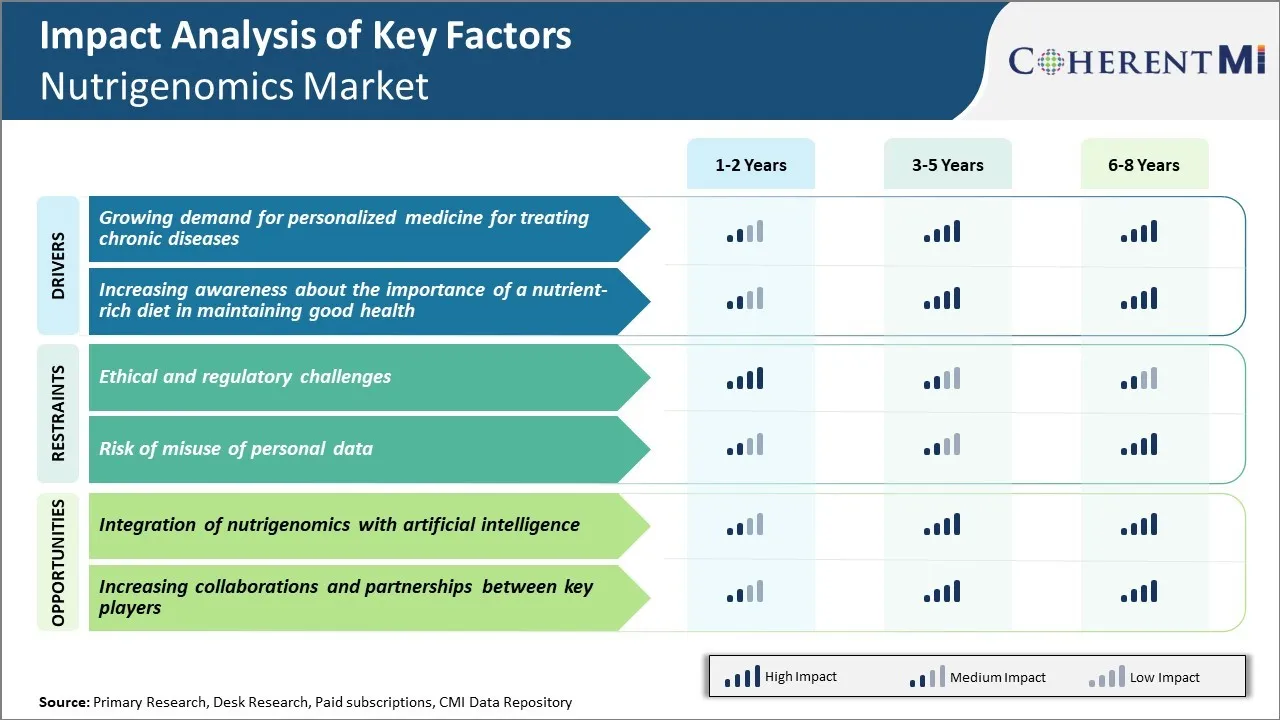
The scientific basis for personalized nutrition lies in nutrigenomics, which examines how genetic variations influence metabolism and nutrient absorption[3]. Individual genetic differences, such as single nucleotide polymorphisms (SNPs), can affect how the body processes nutrients and impact susceptibility to conditions like obesity, diabetes, and cardiovascular disease[3][5]. For example, polymorphisms in the MTHFR gene affect folate metabolism, variations in APOE modify lipid metabolism, and certain SNPs in the FTO gene are associated with obesity[3][5]. This gene-nutrient interaction is a two-way street; not only do genetic variants influence the body's response to nutrients (nutrigenetics), but nutrients themselves can also modulate gene expression (nutrigenomics)[5]. However, the science is complex. Most diet-related diseases are not caused by a single gene but result from a combination of multiple genetic and environmental factors[5]. For instance, while the FTO gene is strongly linked to obesity, its most studied variant explains less than 1% of the variance in BMI, highlighting the limited predictive power of single-gene analyses for complex traits[5].
The Role of AI and Machine Learning in Crafting Dietary Plans
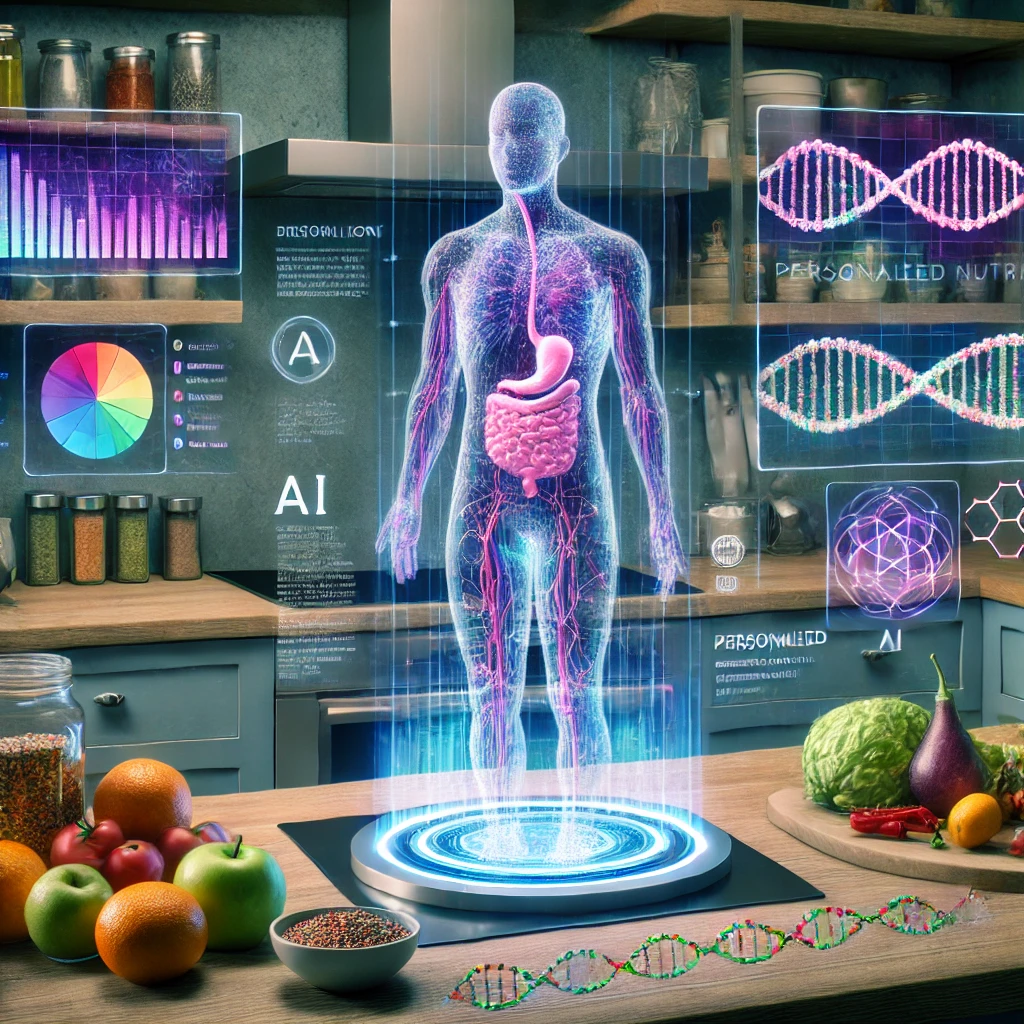

Artificial Intelligence (AI) and Machine Learning (ML) are revolutionizing nutrigenomics by enabling the analysis of vast and complex datasets[1][8][17]. AI-driven systems can integrate diverse data sources, including genomics, microbiome profiles, metabolic markers, medical history, and real-time data from wearable devices, to generate personalized dietary recommendations with unprecedented precision[3][8][12]. Supervised ML models like Support Vector Machines (SVM) and Random Forest (RF), along with unsupervised methods like Principal Component Analysis (PCA), are used to identify patterns, classify individuals, and predict responses to dietary interventions[6]. For example, ML was used to build a predictive model that identified two metabolites capable of predicting significant weight loss in subjects on a specific diet[1][17]. AI also powers applications that provide real-time feedback and dynamic adjustments to diet plans based on data from wearables like continuous glucose monitors, ensuring that recommendations evolve with an individual's changing health status[3][12].
Business Models: Direct-to-Consumer (DTC) Services

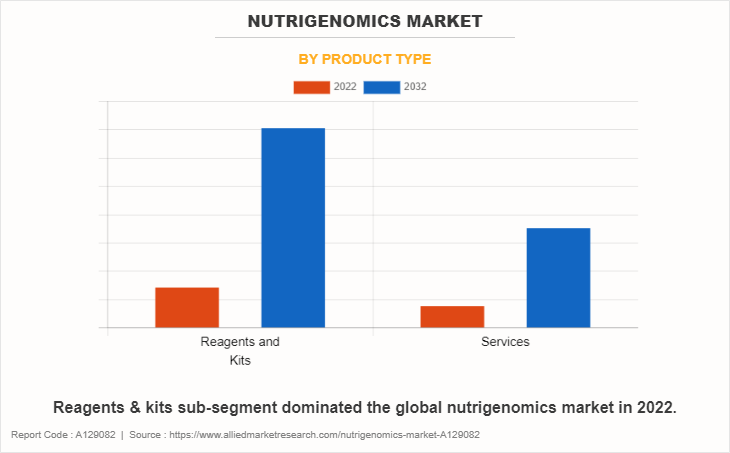
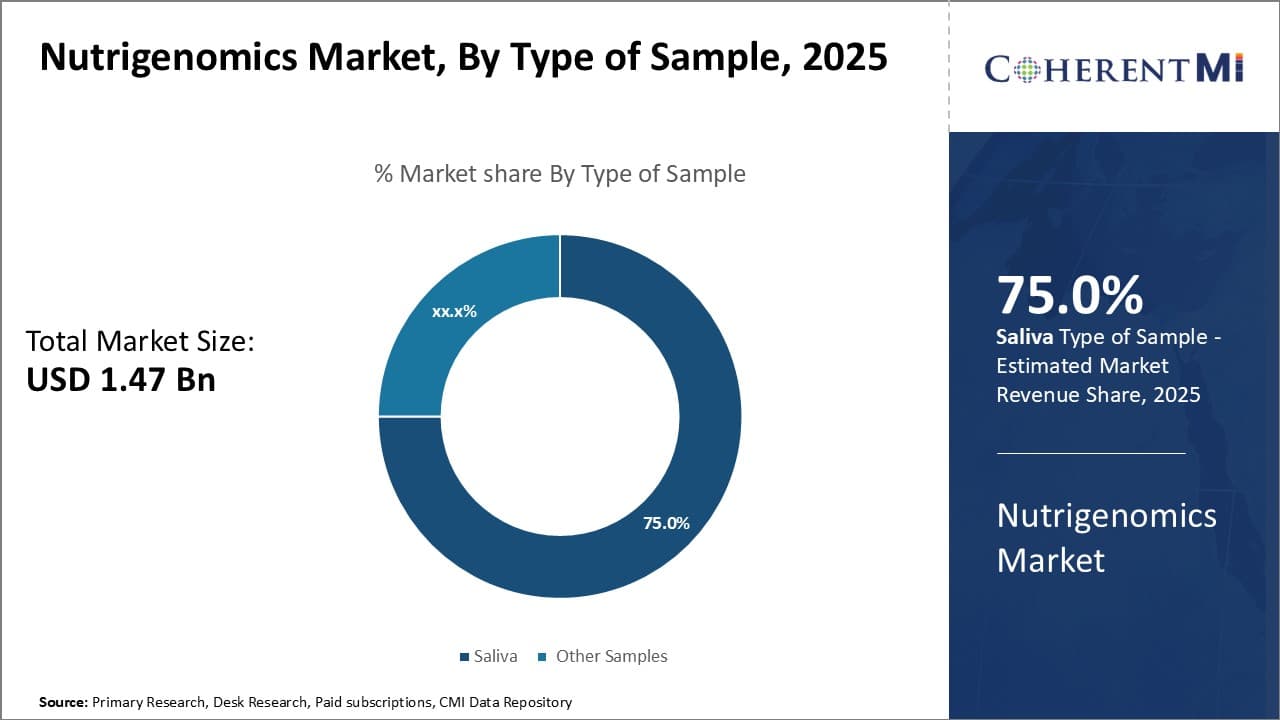
Driven by falling DNA sequencing costs, a growing number of companies offer nutrigenomics testing services directly to consumers (DTC)[5][11][18]. The typical DTC model involves a consumer ordering a kit online, providing a saliva sample at home, and receiving a report with genetic predispositions and dietary advice, all without the supervision of a clinician[5][10]. These services often focus on weight management, nutrient metabolism, food intolerances (like lactose and caffeine), and risk assessment for diet-related disorders[5][10]. Research has identified nine dominant business model
Evaluating Scientific Validity and Key Challenges

Despite the promise of personalized nutrition, the scientific validity of many commercial DTC tests is a significant concern[7][10]. One of the main challenges is the inadequate interpretation of complex genetic data, particularly when delivered without guidance from a qualified healthcare provider[10]. Studies have found conflicting findings and a lack of a consistent, sound evidence base for the gene-diet associations used in some commercial tests[7]. A 2020 analysis of 45 DTC companies revealed that 29 of them (about two-thirds) did not provide any information about the specific genes or genetic variants they analyzed, making it impossible to evaluate their scientific reliability[5]. Furthermore, many companies base predictions for highly complex traits on just a few genetic variants, which have very limited predictive ability[5]. The development of AI solutions also faces hurdles, including the
Navigating the Regulatory and Ethical Landscape
The personalized nutrition industry operates in a complex and evolving regulatory environment[4]. Regulations are often not written to cover personalized nutrition programs as a whole, but rather their individual components, such as devices, nutrition products, and health claims, which can be confusing[4]. The lack of comprehensive and harmonized global regulations poses a significant challenge for companies[14]. Key ethical concerns center on the collection and storage of sensitive genetic information, raising issues of data privacy, security, informed consent, and the potential for genetic discrimination[3][10][14]. To address these issues, experts have called for regulatory guidance focusing on the safety and accuracy of tests and responsible communication of benefits[4]. Suggestions include establishing a network of regulatory experts to support companies and creating a certification process to help consumers identify high-quality, trustworthy services[4]. Adherence to new frameworks like the EU's AI Act and the US's AI Bill of Rights will also be vital to ensure that AI systems are safe, transparent, and non-discriminatory[15].
Examinons les alternatives :
- Modifier la requête.
- Démarrer une nouvelle conversation.
- Supprimer des sources (si elles ont été ajoutées manuellement).
A pocket history of the digital detox movement
Transcription
Welcome to our pocket history of the digital detox movement. In the early days of the World Wide Web, experts began raising concerns about excessive screen time and the threat of internet dependency. People started to notice that spending too much time online could affect their well-being, and early unplug campaigns were born. Over time, enthusiasts began to consciously choose to step away from social media and digital devices, a practice sometimes called media refusal. As digital life became increasingly demanding, structured digital detox retreats emerged. Initially small in scale, these early retreats offered people a chance to unplug in a controlled environment, paving the way for today's global movement. Modern digital detox retreats now combine nature immersion, mindful activities, and even luxury escapes to help individuals find a better balance between technology and real life. The movement has evolved from spontaneous unplugging to organized, preventative strategies built on academic research and clinical insights. This brief journey shows us how digital detox has grown from early concerns about screen addiction to the sophisticated retreats that help people reclaim focus, creativity, and well-being.
Examinons les alternatives :
- Modifier la requête.
- Démarrer une nouvelle conversation.
- Supprimer des sources (si elles ont été ajoutées manuellement).
One minute primer on foundation models
Transcription
Curious about the AI revolution? In the next minute, we'll break down the technology powering it all: foundation models. The future of AI is models that are trained on a broad set of unlabeled data that can be used for different tasks with minimal fine-tuning. Think of it like this: you learn to drive one car, and with a little effort, you can drive most other cars. Foundation models work similarly, applying knowledge from one situation to another. You've likely heard of them, models like GPT-4, BERT, and DALL-E are all pioneering examples. They can handle jobs from translating text and analyzing medical images to generating entirely new content. But they have limitations. They can sometimes fabricate answers, a phenomenon known as hallucination. And since they are trained on vast datasets, they can learn and amplify harmful biases, which can disproportionately harm marginalized groups. Despite these challenges, foundation models are the cornerstone of the next generation of intelligent systems, offering scalable and adaptable frameworks for advanced AI applications.
Examinons les alternatives :
- Modifier la requête.
- Démarrer une nouvelle conversation.
- Supprimer des sources (si elles ont été ajoutées manuellement).
Choosing the Right Body Composition Tool for Aging Populations: A Comparative Analysis of DEXA and BIA
Choosing the Right Body Composition Tool for Aging Populations: A Comparative Analysis of DEXA and BIA
Introduction


Understanding body composition is essential for assessing health in aging populations, especially when evaluating changes in muscle mass, fat distribution, and bone density. In clinical and community settings, two primary tools are widely used: Dual-Energy X-ray Absorptiometry (DEXA) and Bioelectrical Impedance Analysis (BIA). DEXA is recognized as a gold standard for its precision and comprehensive analysis, while BIA offers a more accessible, cost-effective alternative despite its limitations. This report synthesizes key passages from various sources to compare accuracy, cost, radiation exposure, and accessibility for making informed decisions in clinical practice and for consumers[4][7].
Accuracy Comparison
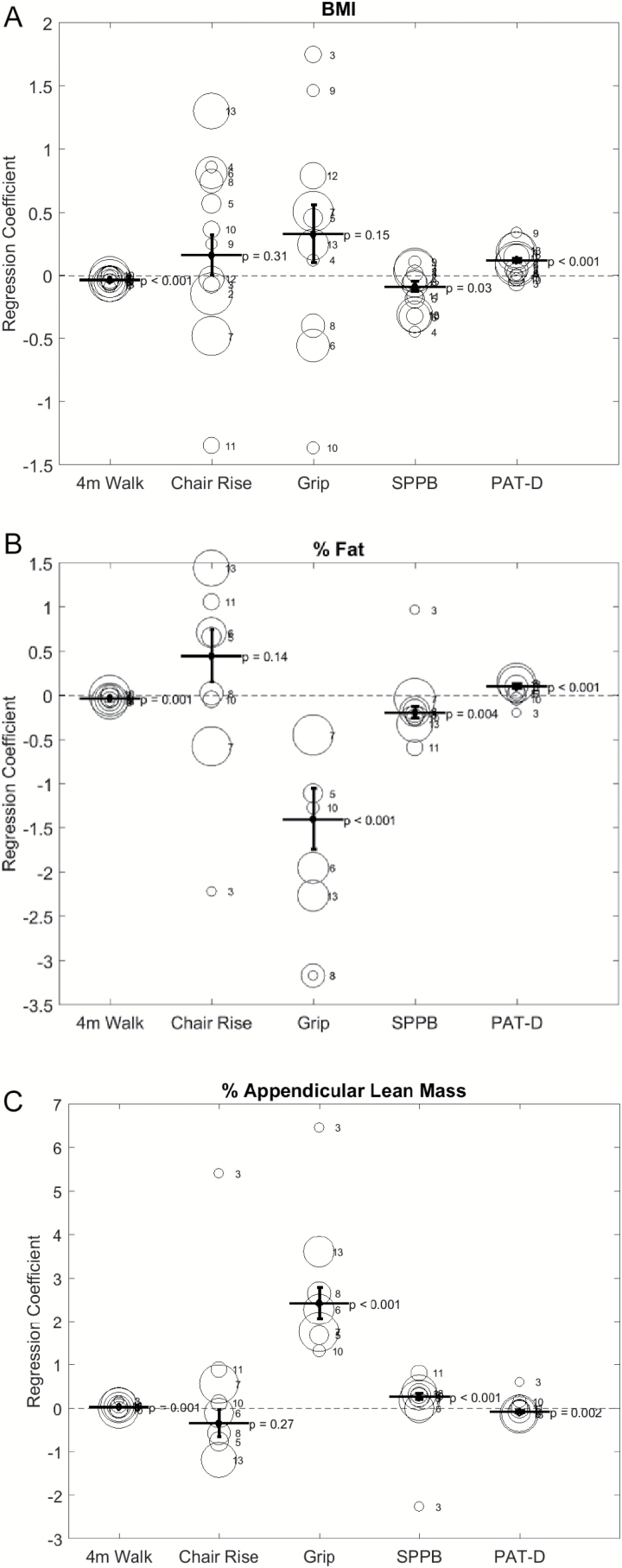

DEXA scans use two low-dose X-ray beams to directly measure bone mineral density, fat mass, and lean mass, offering highly accurate data that is largely unaffected by external factors such as hydration, recent food intake, or skin temperature[4]. In contrast, BIA devices estimate body composition by measuring the resistance to an electrical current, but their accuracy can vary significantly due to factors like hydration status, electrode placement, and population-specific variables[1]. Studies have shown that while certain advanced BIA devices can correlate well with DEXA for measures such as fat mass in specific populations, the overall concordance—especially for parameters like fat-free mass—remains moderate[2]. Additionally, some investigations in particular groups (e.g., Hispanic diabetics) reveal that BIA may overestimate or underestimate body composition measures when compared to DEXA, suggesting that DEXA remains the preferred method for precise body composition analysis in aging individuals[3].
Cost Considerations

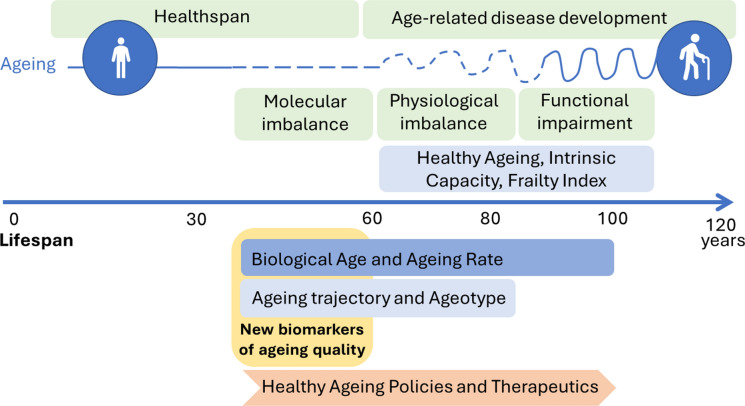
Cost is a prominent factor when choosing between DEXA and BIA. BIA devices are significantly less expensive, portable, and easier to operate, making them a popular choice in community health settings and for repeated monitoring over time[7]. On the other hand, DEXA requires specialized equipment that is usually located in hospital or specialized imaging centers, which results in higher costs for both the facility and the patient. However, despite the increased cost, DEXA provides a level of detail and accuracy that is critical for diagnosing conditions like osteoporosis and for tailoring individualized health interventions based on precise body composition data[4].
Radiation Exposure
Radiation exposure is a common concern, especially when monitoring disease progression or evaluating changes in body composition over time. DEXA scans involve low-dose ionizing radiation, typically less than 10 microSieverts, which falls within safe limits for diagnostic procedures and is justified by the clinical benefits provided by the detailed measurements[5]. In contrast, BIA methods do not involve any radiation risk, which is an advantage for repeated measurements; however, the trade-off remains the lower accuracy and sensitivity to internal and external variations in parameters such as hydration[1].
Accessibility and Practical Considerations

When considering accessibility and practical usage, BIA devices have the advantage of portability and ease of use. They can be easily employed in a range of settings—from clinics to gyms and community centers—making them a valuable tool for routine screening and monitoring in aging populations[1]. DEXA, while more accurate, is typically confined to specialized imaging centers due to the need for dedicated machinery and trained technicians. For clinicians who require in-depth analysis of body composition, including regional distribution of fat (such as visceral fat) and measurements for bone density, DEXA provides detailed insights that are critical for diagnosing conditions and planning personalized interventions[4]. Thus, while BIA is beneficial for its accessibility and lower cost, its results may be influenced by factors like hydration and electrode placement, making it less ideal for clinical decisions that require high precision[7].
Decision Flowchart for Clinicians and Consumers


To assist clinicians and consumers in choosing the appropriate method for body composition assessment in aging populations, the following decision flowchart is provided:
Define the clinical or personal objectives:
- If the purpose is to obtain detailed and precise measurements including bone density, visceral fat, and muscle mass distribution, proceed with DEXA.[4].
- If the goal is a quick screening or routine monitoring with limited resources, BIA is an acceptable alternative, keeping in mind its sensitivity to changes in hydration and environmental factors[7].Evaluate cost and resource availability:
- Consider DEXA when the budget allows for more expensive, specialized testing, especially when precise longitudinal data is needed.
- Opt for BIA in settings with lower financial constraints or where rapid, repeated measurements are required[1].Consider radiation exposure:
- DEXA uses low-dose radiation, which is generally safe and justified for the detailed assessment it offers; however, for patients requiring very frequent assessments or for vulnerable groups, this factor should be considered[5].
- BIA does not involve radiation and is therefore preferable when radiation avoidance is a priority.Assess accessibility and operational needs:
- If the patient or facility can access specialized imaging centers, DEXA is recommended.
- When portability and ease of use are paramount, such as in primary care or remote settings, BIA is more practical.
This flowchart guides decision-making by clearly balancing the trade-offs between accuracy, cost, radiation, and accessibility, ensuring that clinicians and consumers select the method best suited to their specific needs.
Conclusion
In summary, DEXA and BIA each have distinct advantages and limitations for assessing body composition in aging populations. DEXA offers unparalleled accuracy by directly measuring fat, muscle, and bone density through low-dose X-rays and is indispensable for detailed clinical assessments and for conditions such as osteoporosis. However, its higher cost and limited accessibility may restrict its widespread use in routine screening. Conversely, BIA provides an affordable, portable, and radiation-free alternative that is well-suited for community-based monitoring, although its accuracy can be affected by methodological variables such as hydration and electrode positioning. Ultimately, the choice between these tools should be guided by the specific clinical or consumer needs, resource availability, and the required precision of the measurements. This integrated analysis supports informed decision-making by balancing high-precision requirements with practical considerations tailored for aging populations[8].
Examinons les alternatives :
- Modifier la requête.
- Démarrer une nouvelle conversation.
- Supprimer des sources (si elles ont été ajoutées manuellement).
Month-Long Digital Declutter Challenge: A Four-Week Roadmap for Reducing Non-Essential Screen Use
Month-Long Digital Declutter Challenge: A Four-Week Roadmap for Reducing Non-Essential Screen Use
Introduction and Preparation
Begin your digital declutter challenge by assessing your current digital landscape and deciding which areas cause the most clutter. Make a list of your email accounts, device storage contents (files, downloads, apps), photo libraries, and social media feeds to identify where you need to start. Establish clear goals such as reducing screen time, organizing digital files, and removing non-essential notifications. As one guide explains, digital decluttering involves sorting through emails, photos, apps, and even social media content to remove what you no longer need[7].
Week 1: Declutter Your Inbox and Communication Channels
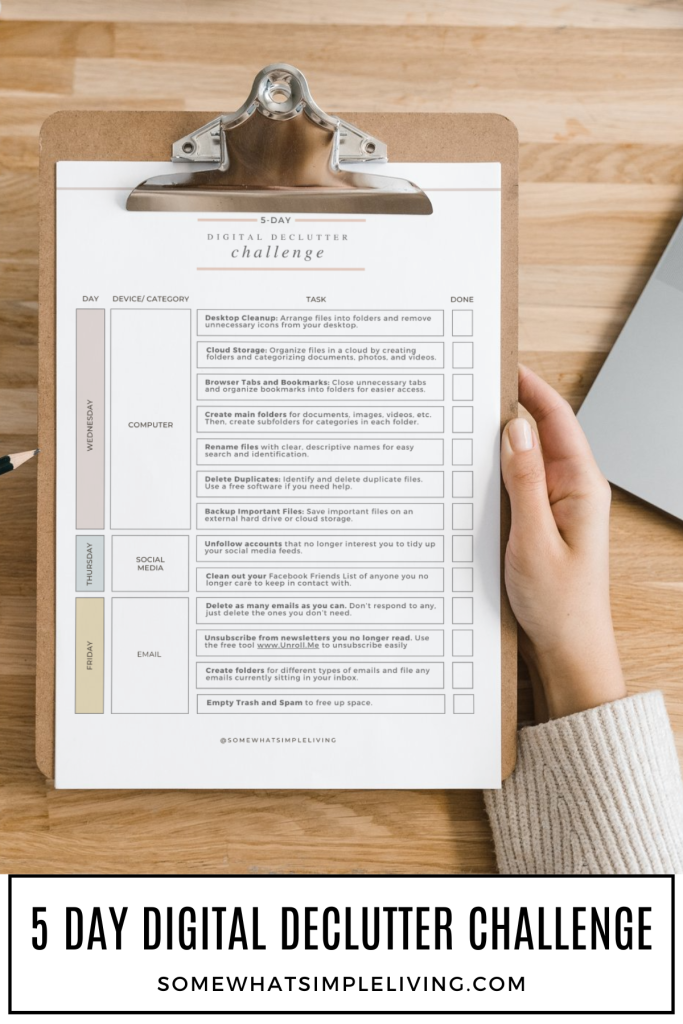
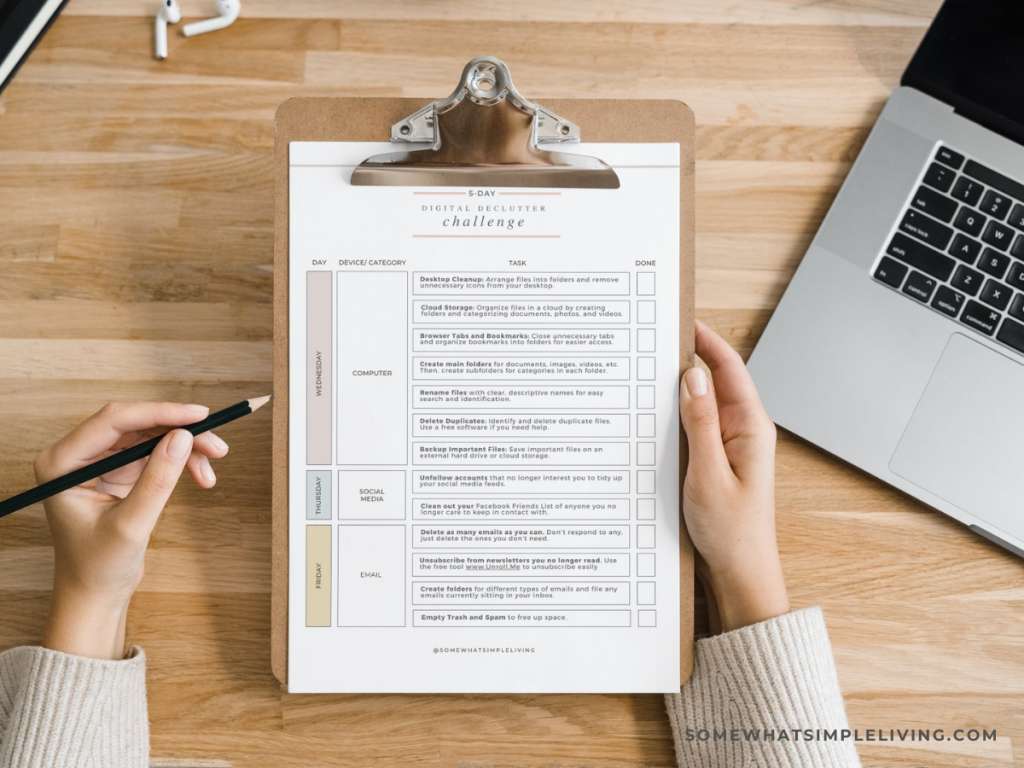
The first week focuses on your email and communication channels. Start by taking stock of your inbox: delete unnecessary emails, unsubscribe from newsletters that no longer add value, and create folders for important correspondence. For example, a four‐week challenge guide recommends beginning your decluttering by organizing your inbox and establishing clear folder systems[1]. In addition, review your contacts and remove outdated entries, and begin checking your notes application to delete redundant notes or merge similar entries. Integrating daily bite-sized tasks from a 30-day digital declutter plan can make this process less overwhelming and help you build habits that target communication clutter[2].
Week 2: Device Management and File Organization


During the second week, shift your focus to clearing clutter from your devices. Begin by cleaning up your digital workspace on computers and mobile devices. Remove unused apps, organize bookmarks into folders (for example, using workspace management tools), and delete excess downloads and unnecessary files. A detailed checklist suggests taking note of your frequently used bookmarks and deleting those that are no longer needed, as well as periodically wiping your desktop and digital downloads folder[1] Meanwhile, use the advice from a digital declutter checklist to review your browser extensions and calendar clutter, ensuring that only what is necessary remains active[6]. This step establishes a foundation for better performance, organization, and reduced non-essential screen use.
Week 3: Photo, Social Media, and App Declutter

Week three targets photos, social media, and the apps on your devices. Start by sorting through your photo libraries: delete duplicates, blurry images, and organize the rest into clearly labeled albums. As some guides recommend, creating albums by event or subject can help save storage space and reduce the time spent searching for images[1]. In parallel, re-examine your social media feeds and the accounts you follow. Remove those that no longer resonate with your current interests and use tools such as Instagram's reset features or the options to mark content as 'Not Interested'[5]. Finally, delete unused apps or reorganize them into specific folders on your mobile phone, which not only declutters your home screen but also helps reduce temptations to spend excessive time on some applications[7].
Week 4: Desktop Optimization and Establishing Maintenance Habits
The final week of the challenge is about perfecting your desktop and creating lasting habits. Begin by cleaning up your computer's desktop—delete unneeded files, organize remaining ones into categorized folders, and update your background for a fresh visual appeal. This step also involves systematically clearing out caches and cookies from your browsers to enhance performance[1]. In addition, set up scheduled reminders (for instance, every three months) to revisit and clean your digital spaces gradually, thus maintaining your newfound organization. As part of establishing long-term habits, consider planning for digital detox periods, using strategies such as setting internet downtimes or designating screen-free zones in your home to encourage breaks from devices[4].
Troubleshooting and Post-Challenge Maintenance

During and after the challenge, expect some hurdles like feeling overwhelmed when facing large amounts of clutter or accidental deletions. When such issues arise, break the tasks into even smaller, daily sessions and use checklists to track your progress. Many guides suggest that if you have thousands of items (like hundreds or thousands of emails or photos), work in batches and assign specific days to different tasks to avoid burnout[2]. After completing the month-long challenge, integrate routine maintenance measures such as monthly decluttering sessions and quarterly system checks to ensure your digital environment remains organized. Also, consider using tool apps to track screen time and set digital boundaries, as these can help reinforce the habits you've built during the challenge[4].
Examinons les alternatives :
- Modifier la requête.
- Démarrer une nouvelle conversation.
- Supprimer des sources (si elles ont été ajoutées manuellement).