Descubre Pandipedia
Un directorio creciente de respuestas útiles seleccionadas por la comunidad de Pandi. Busca en la colección o explora los últimos descubrimientos.
2619 entradas disponibles

comprehensive list of the world's most popular unresolved mysteries with sources
The world's most popular unresolved mysteries: a sourced, structured overview
Unresolved mysteries capture enduring public attention when credible questions remain after extensive inquiry and when the stories recur across reputable lists, documentaries, museum exhibitions, and news coverage.[1][4][5][6] This report synthesizes high-visibility mysteries that consistently appear in major roundups and institutional narrations, organizes them by type, and points to authoritative or representative sources for each.[1][6]
Selection emphasizes cross-referenced popularity indicators such as inclusion in respected compilations, active or long-running investigations, museum and scholarly engagement, and widespread media coverage, spanning historical enigmas, cryptographic puzzles, cold cases, disappearances, and cultural phenomena.[1][4][5][6]
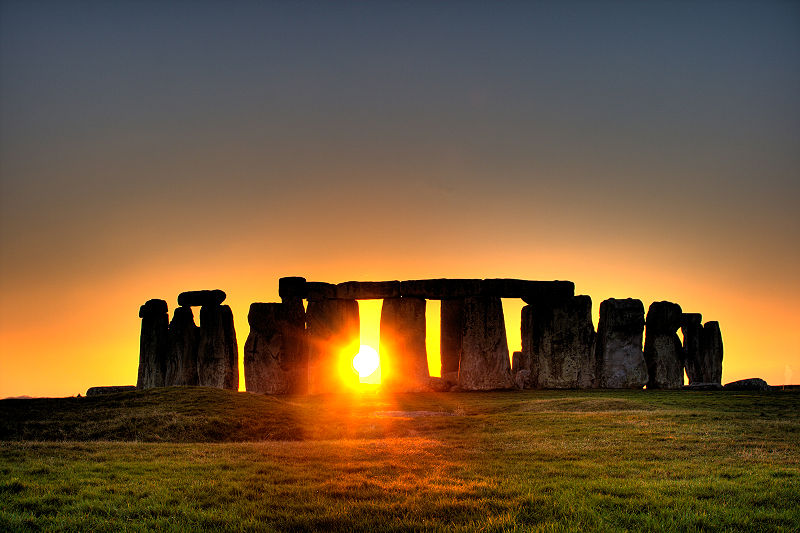
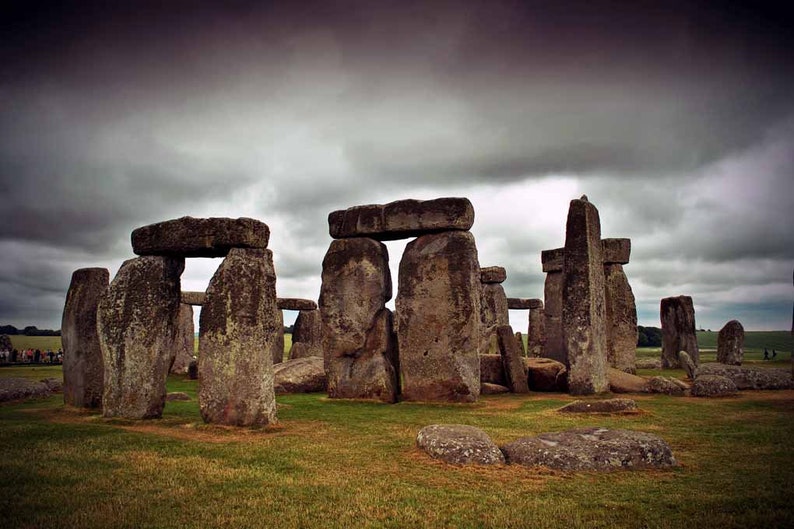
Stonehenge at dawn
A photo of Stonehenge, part of a UNESCO World Heritage landscape, illustrating its iconic stone circle and solstice alignments.

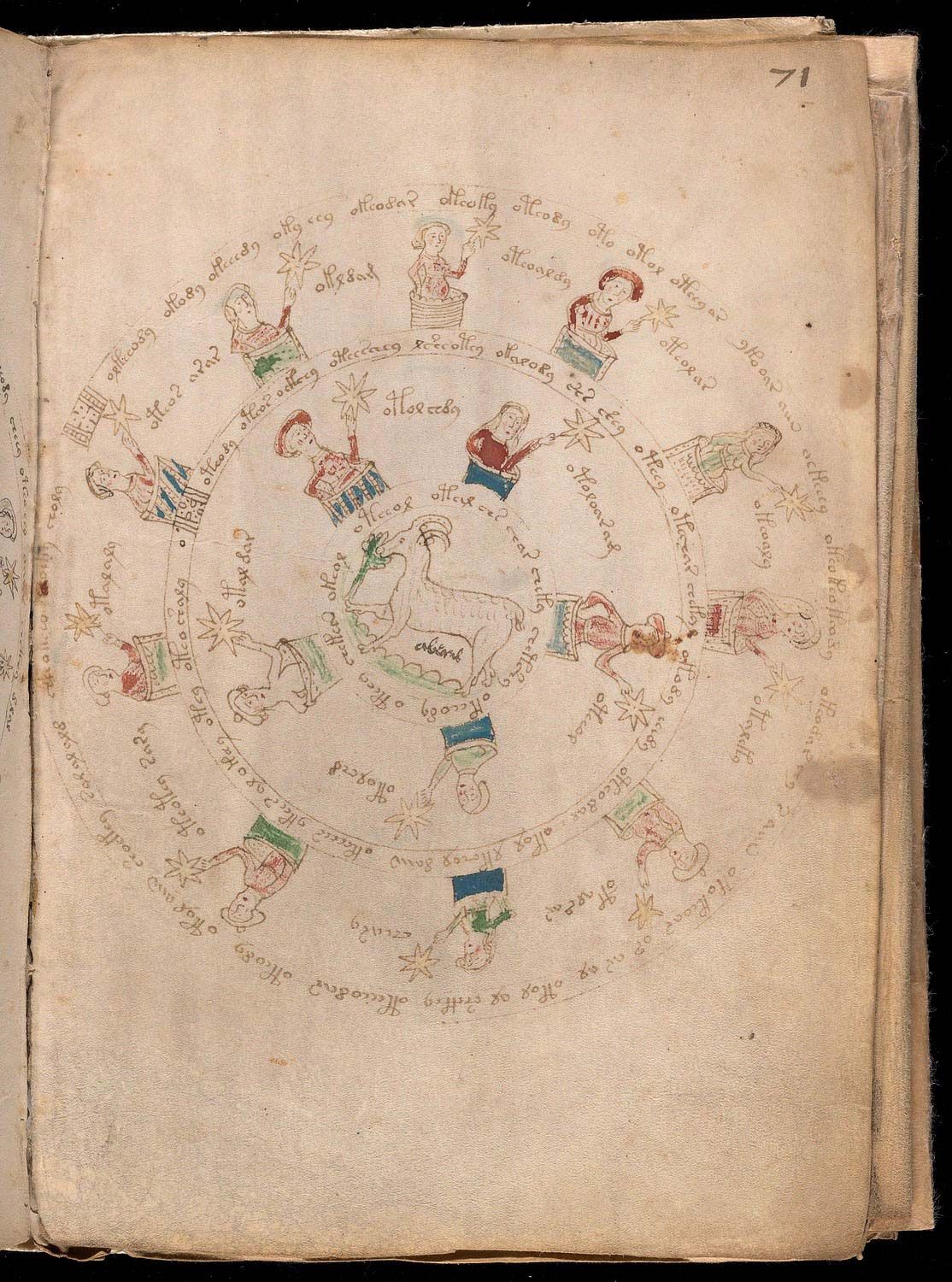
A folio of the Voynich Manuscript
A photographed page from the 15th-century carbon-dated Voynich Manuscript showing undeciphered script and botanical drawings.


Amelia Earhart's Lockheed Electra
Archival image of Amelia Earhart's Lockheed Electra related to her 1937 round-the-world attempt and subsequent disappearance.



Global disappearances and cold cases
- Amelia Earhart (1937): Earhart and navigator Fred Noonan disappeared en route to Howland Island during a round-the-world flight, and debate continues over possible wreck sightings and sonar anomalies that have not been conclusively linked to her Lockheed Electra.[11][14][15]
- Amelia Earhart's legacy: Smithsonian programming and exhibits highlight her cultural impact as an aviation pioneer while acknowledging the enduring mystery of her disappearance.[12][13]
- Malaysia Airlines Flight MH370 (2014): With 239 people aboard, MH370's disappearance remains one of aviation's most baffling cases, with Malaysia now green-lighting renewed searches in the southern Indian Ocean under 'no find, no fee' terms and sustained coverage from the BBC and CNBC.[27][28][30][34]
- MH370 research and families: Investigations and documentaries examine satellite and radio data and other analytical methods, while families continue to seek answers a decade on.[31][32][33]
- The Somerton Man (Tamam Shud) (1948): DNA analysis has linked the unidentified Australian decedent to Carl Webb, although significant aspects of his death remain unresolved.[16]
- Zodiac Killer (late 1960s–1970s): The FBI-positioned investigation remains open and unsolved, despite periodic claims by independent groups that a specific suspect has been identified using partial DNA and other evidence disputed by authorities.[24][25][26]
- Jack the Ripper (1888): Modern BBC productions have reexamined suspects and evidence, but the unknown identity behind the canonical Whitechapel murders persists as a defining unsolved true crime case.[17][22][23]
These cases dominate global attention because they pair high stakes with gaps in evidence that persist even after new technologies and renewed searches, keeping them at the forefront of documentaries and investigative coverage.[14][31][32]
Cryptic texts and unsolved codes
The Voynich Manuscript is an illustrated codex carbon-dated to the early 15th century with sections on plants, astronomy, bathing, cosmology, pharmaceuticals, and recipes, written in an undeciphered script that continues to resist consensus solutions.[7]
Scholars and technologists have probed its pages with multispectral imaging to reveal otherwise hidden marks and marginalia, while popular summaries highlight its enigmatic sectioning and unknown language.[10][8]
Other recurring entries in popular lists include the Kryptos sculpture at CIA headquarters, a still-partially unsolved public cipher work that appears alongside the Voynich Manuscript in broad surveys of modern mysteries and puzzles.[1][3]
Lost colonies, ancient sites, and maritime enigmas
Roanoke's Lost Colony remains a foundational American mystery: when Governor John White returned in 1590, the settlement was deserted and the word 'CROATOAN' was found carved, spurring theories of relocation and assimilation with Indigenous groups and continuing archaeological work at Fort Raleigh.[35][36][39]
The National Park Service documents the site and outlines major theories, while recent mapping and digs by researchers and partner organizations report new artifacts that may refine hypotheses without yet providing definitive proof.[36][38][40]
Stonehenge is part of a UNESCO World Heritage property with more than 700 archaeological features and 160 scheduled monuments, and it is widely recognized as the best-known ancient stone circle, famous for its solstice alignments and long-term ceremonial landscape.[41][42][43]
Recent debate has focused on whether proposed infrastructure projects, including a new road tunnel, could compromise the site's integrity, a question covered by BBC Travel in the context of UNESCO status concerns.[44]
Maritime puzzles also feature prominently in reputable roundups, including the story of the Mary Celeste's abandonment and other centuries-spanning riddles that continue to attract scholarly and popular attention.[4][5]
Geographic and cultural phenomena
Survey lists consistently include the Bermuda Triangle, the Taos Hum, and the Shroud of Turin as emblematic mysteries that blend folklore, investigation, and ongoing debate about natural, technological, or theological explanations.[1]
These items remain highly visible in popular culture and media programming that revisit unresolved cases and unexplained phenomena for new audiences.[6]
At-a-glance index of major mysteries highlighted here
| Mystery | Type | Representative source(s) |
|---|---|---|
| Amelia Earhart | Disappearance | People[11], BBC Future[14], NASM[15] |
| MH370 | Disappearance | BBC News[27], BBC[28], CNBC[34] |
| Somerton Man | Cold case identity | Mental Floss[16] |
| Zodiac Killer | Serial crime | Wikipedia[24], Case Breakers[25], Fox News[26] |
| Jack the Ripper | Serial crime | BBC One[17], BBC History[23] |
| Voynich Manuscript | Cryptic text | Wikipedia[7], Manuscript Road Trip[10] |
| Roanoke Lost Colony | Colonial disappearance | NPS[35], NPS theories[36] |
| Stonehenge | Ancient monument | Wikipedia[41], English Heritage[42] |
| Mary Celeste | Maritime mystery | Mental Floss[4], Live Science[5] |
| Bermuda Triangle; Taos Hum; Shroud of Turin | Phenomena and relics | List25 overview[1] |
Documentaries and expert explainers
To explore these mysteries further, look for authoritative documentaries and expert panels that revisit evidence, showcase new methods, and summarize competing theories, including BBC strands on MH370 and Jack the Ripper, as well as lectures and museum talks.
Conclusion
The mysteries above remain popular because credible questions persist despite decades of research, renewed searches, technological advances, and repeated media re-examinations.[14][31][32] Lists from reputable outlets and continued institutional engagement help explain why the same cases reappear across generations, from ancient sites like Stonehenge and the Roanoke colony to modern disappearances such as Earhart and MH370.[1][4][41][35][11][27]
As new techniques and archives become available, some puzzles may narrow, yet the allure of the unknown ensures that unresolved mysteries will continue to inspire investigation and public fascination worldwide.[10][31]
Veamos alternativas:
- Modifica la consulta.
- Inicia un nuevo hilo.
- Eliminar fuentes (si se han agregado manualmente).
Quotes about wonder and discovery in space exploration from 'A Honeymoon in Space'

The very soul of his intellect was in the dream of this ship, and now that it's a reality he must he here still.Zaidie[1]



Veamos alternativas:
- Modifica la consulta.
- Inicia un nuevo hilo.
- Eliminar fuentes (si se han agregado manualmente).
Haptic glove close ups




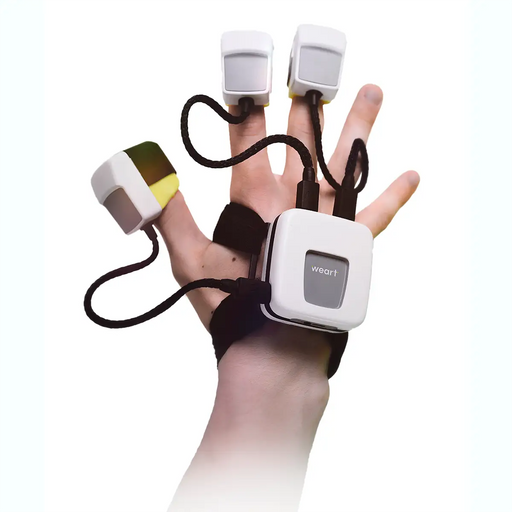
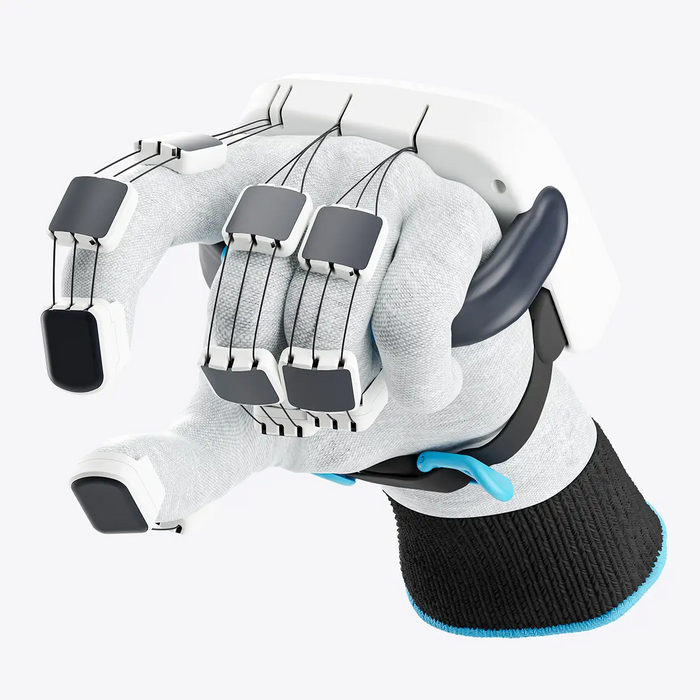
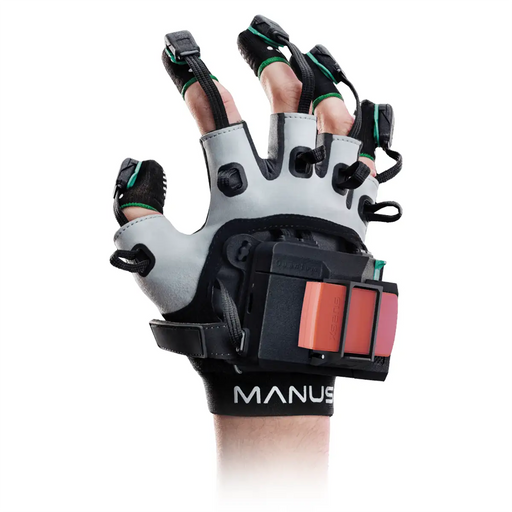

Veamos alternativas:
- Modifica la consulta.
- Inicia un nuevo hilo.
- Eliminar fuentes (si se han agregado manualmente).
How is humor created in film?
Transcripción
Humor in film is created through various techniques, including timing, surprise, and relatable situations. Effective comedic timing enhances punchlines and builds anticipation for jokes, while unexpected developments can catch audiences off guard, resulting in laughter[6]. Additionally, physical humor, especially seen in early slapstick, relies on exaggerated actions and visual gags, which are integral to delivering comedic effects[3][4]. Modern comedy often explores relatable themes, connecting with audiences by reflecting shared human experiences[2].
Fuentes
Veamos alternativas:
- Modifica la consulta.
- Inicia un nuevo hilo.
- Eliminar fuentes (si se han agregado manualmente).
Benefits and drawbacks of using cursor Vs Claude code
Cursor vs. Claude Code: Benefits and Drawbacks for Modern Software Development
Cursor and Claude Code are two prominent agentic coding tools, but they start from different design philosophies: Cursor is an AI-first editor built atop the Visual Studio Code experience, while Claude Code is a terminal-first agent that also integrates with popular IDEs and a browser-based interface[2][8][14][15].
This report compares benefits and drawbacks across capability, performance, pricing, security and privacy, offline modes, and developer experience, with practical guidance on when teams might favor one tool over the other.
Cursor editor with AI features
A screenshot of the Cursor editor interface showing inline AI suggestions and multi-file change previews.


Claude Code terminal workflow
A terminal session using Claude Code to plan and execute multi-file refactors, alongside a VS Code integration panel.
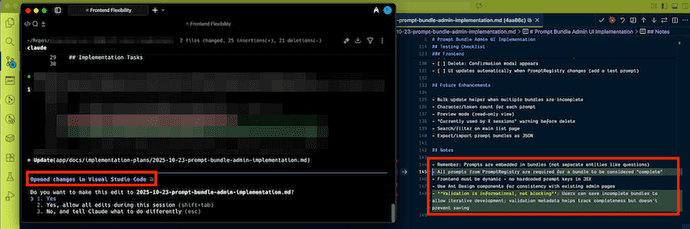

What They Are and How They Work
Cursor layers an agentic AI system inside a VS Code-like editor and ships an AI engine called Composer that emphasizes low latency, with reporting that it runs substantially faster than comparable models while enabling multi-file, parallel agents and team workflows[1][2].
Its AI indexes your codebase for context-aware refactors and explanations, and it provides multiple interaction modes: Agent for autonomous multi-file changes, Manual for targeted edits, and Ask for learning about your code without applying changes[2][3].
Additional capabilities include @-tagging to pull relevant files or docs into context, image uploads for richer prompts, configurable task-specific modes, a visual web designer with live hot reload, and various workflow enhancements like commit message generation and multi-agent judging, though reviewers also note UI churn and a learning curve[3][6][7].
Claude Code is an agentic coding tool that lives in your terminal but works across IDEs and the web, translating natural-language tasks into concrete code changes while orchestrating debugging, linting, tests, and Git operations including commits[8][10][14][15][16].
It supports a plan-first workflow to review and refine strategies before execution, can delegate to specialized subagents and run tasks in parallel, and includes checkpointing with rollback plus user permission prompts for edits, aiming for safe, auditable automation at scale[9][13][17].
Capabilities and Strengths
Cursor strengths
- Deep codebase indexing for context-aware suggestions, refactors, and explanations in natural language[2].
- Multiple modes to match intent: Agent for autonomous changes, Manual for precise edits, and Ask to inspect without modifying[3].
- Parallel agents and team features such as shared custom rules and commands for consistent workflows[1].
- Inline previews and checkpoints in a familiar editor flow, making it easy to review changes before merging[34].
- Visual web designer for UI adjustments with hot reload, supporting fast iteration on front-end work[6].
Claude Code strengths
- Natural-language to real file changes, with automation of debugging, linting, tests, and Git workflows[10].
- Plan mode to iteratively refine strategy before executing edits, improving reliability on complex tasks[9].
- Delegation to subagents and parallel execution for larger projects and multi-step refactors[13][17].
- Checkpointing and rollback to safely revert if outcomes are not as expected[13].
- Works from terminal, IDEs, and web, enabling flexible usage patterns including mobile and Slack access[14][15].
Limitations and Drawbacks
Cursor drawbacks
- Can struggle with complex defects in large codebases, sometimes missing concurrency or dependency issues and requiring manual review[23].
- Occasional misplacement of generated code within files or projects leading to runtime errors[23].
- Performance degradation or instability in long sessions or large files, including freezes or crashes reported by users[26][24].
- Context maintenance issues across multi-file edits may cause incomplete or inconsistent changes[25].
- Tendency in some cases to overcomplicate simple tasks, increasing review effort, and occasional context loss across sessions[23][28][29].
- Some reports of unpredictable billing experiences and instability affecting productivity[27][28].
Claude Code drawbacks
- Performance can decline near the end of the context window, which complicates long or memory-intensive tasks[30].
- Strict usage limits with rolling five-hour windows and weekly compute caps can block new prompts until reset, interrupting sessions[31].
- High-context prompts may consume tens of thousands of tokens, requiring careful prompt and context management[31].
- Operational friction from environment or configuration issues can require troubleshooting IDE versions, extensions, and API keys[32].
Pricing and Cost Predictability
Cursor's Pro plan is about 20 USD per month, with a newer model that includes a fixed amount of API credits and bills overages by usage, which can lead to higher than expected costs for heavy users[19][18].
Claude Code is offered in several tiers: Claude Pro is roughly 17 USD per month when billed annually or about 20 USD monthly, and Claude Max is around 200 USD per month, with allowances geared to high token consumption for complex multi-file work[18][20][21].
Analyses suggest that Claude's subscription structure can be more cost efficient for sustained heavy use due to subsidized or generous usage within tiers, whereas Cursor's per-usage overage can make costs scale with intensity of work[18][20][22].
| Dimension | Cursor | Claude Code |
|---|---|---|
| Entry pricing | ~$20/mo Pro with included API credits, overages billed by usage[19][18]. | Pro ~$17/mo annually or ~$20/mo; Max ~$200/mo for heavy workloads[18][20][21]. |
| Cost predictability under heavy use | Costs can spike with heavy API usage beyond credits[18]. | Subscriptions designed to cover sustained usage without unexpected interruptions[20][21]. |
Security, Privacy, and Offline Considerations
Cursor offers a Privacy Mode that on Business plans can enforce zero data retention, while Free and Pro may collect inputs for evaluation unless you configure otherwise[39].
For indexing, Cursor chunks code and uploads it encrypted to compute embeddings, discards plaintext after processing, and retains vectors plus metadata to enable semantic search, though community posts discuss the practical implications of indexing under privacy settings[38][37].
Cursor's advanced features typically require cloud connectivity, although users have demonstrated local LLM setups via custom endpoints and proxies; community requests seek native local integration with tools like Ollama, and several guides outline configurations for local models[44][40][41][42][43].
Even with local models, some advanced features may be limited compared to cloud mode; options like Ghost mode aim to restrict data from leaving the device, though fully offline use in air-gapped environments remains challenging according to user reports[45][46][47].
Claude Code employs a permission model that defaults to read-only and prompts for consent before edits or command execution, supports hierarchical and file-level rules, and provides allowlists, asklists, and deny rules to enforce a zero-trust stance; the Agent SDK further allows custom approval policies and interactive tool controls[48][49][50].
Developer Experience and Performance Notes
Cursor emphasizes an AI-first IDE experience with inline completions, visual diff previews, and automatic checkpoints that give developers fine-grained control over changes within a familiar editor flow[34].
Claude Code emphasizes terminal-centric, agentic workflows optimized for natural language interactions and cross-file reasoning, which many teams prefer for large-scale automation and refactoring tasks[33].
Some developers have reported that recent updates led to slower responses from Claude Code on complex multi-turn tasks, while praising Cursor's newer CLI for fast startup and responsiveness that smooths transitions between drafting, debugging, and refactoring[35].
Cursor's Composer has been reported as notably low-latency compared to similar models, which can improve iteration speed during agentic edits[1].
Which Tool When: Practical Recommendations
- Prefer Cursor if you want an AI-native editor with inline review, visual diffs, and rich IDE ergonomics for frequent micro-iterations and code reviews[34].
- Prefer Claude Code if you want terminal-first, plan-and-execute workflows that automate multi-step tasks, including debugging, testing, and Git operations, with permissioned, auditable changes[10][9][48].
- For cost-sensitive heavy users, Claude's Pro and Max tiers often provide more predictable throughput for complex, long-running work, whereas Cursor's usage-based overage model may escalate costs under high load[18][20][21].
- For strict data control or offline needs, carefully evaluate Cursor's privacy modes and local model workarounds; plan for limits in offline features and test Ghost or similar configurations in your environment[39][40][45][46].
Conclusion
Cursor excels as an AI-native editor with fast agentic operations, deep codebase context, visual review controls, and web design tooling, making it compelling for developers who want AI embedded directly into daily editing and review loops[1][2][6][34].
Claude Code shines for terminal-oriented teams that value plan-first automation, parallel subagents, permissioned changes, and broad integration surfaces across IDE and web, though users must plan around context-window behavior and usage caps[9][13][14][30][31].
Pricing and governance considerations can be decisive: Cursor's usage-based overages reward light-to-moderate use, while Claude's Pro and Max tiers tend to favor sustained, heavy workloads with predictable allowances, and Claude's default read-only plus explicit permission model offers a strong safety baseline for enterprise workflows[18][20][21][48].
Veamos alternativas:
- Modifica la consulta.
- Inicia un nuevo hilo.
- Eliminar fuentes (si se han agregado manualmente).
5 powerhouse micronutrients for joint cartilage health
Veamos alternativas:
- Modifica la consulta.
- Inicia un nuevo hilo.
- Eliminar fuentes (si se han agregado manualmente).
Tips and tricks for building AI agents with LLM
Building Effective LLM-Powered Search Agents: Practical Tips and Tricks
Search agents are one of the most impactful agentic applications because they combine large language models (LLMs) with web search, retrieval, tools, and iterative reasoning to answer complex, time-sensitive queries reliably. This report synthesizes current best practices across architecture, retrieval-augmented generation (RAG), tool use, evaluation, and safety to guide advanced practitioners building production-grade search agents[1][2].
You will find actionable guidance on agent architecture and control flow, RAG data and retrieval optimization, rigorous evaluation strategies, and risk and oversight patterns that together raise the reliability and transparency of search agents in real-world deployments[1][9][12][13].
Agent Architecture: Keep It Simple, Structured, and Observable
Start simple and expand gradually as confidence grows; overengineering early prototypes often hides failure modes and slows iteration[1]. Robust search agents rely on clean tool interfaces to web search, browsers, APIs, and data stores; explicit planning; persistent memory; and a controller that manages action selection and error handling[1][4].
Instrument for observability from day one: capture the full execution trace including prompts, tool calls and results, intermediate thoughts or plans, and decision rationales to enable debugging, evaluation, and safe operations, especially in multi-step or multi-agent workflows[2][13]. Track not just final task success but intermediate progress, such as whether the agent chose the right tool and formed well-structured API calls, so you can pinpoint breakdowns efficiently[5].
Conceptual Architecture of an LLM Search Agent
A block diagram showing user query intake, planner, hybrid retriever (BM25 + vector), re-ranker, grounding/context builder, LLM reasoning, tool calling (web search, browser, APIs), memory store, logger/observability, evaluator, safety filter, and human-in-the-loop approval.
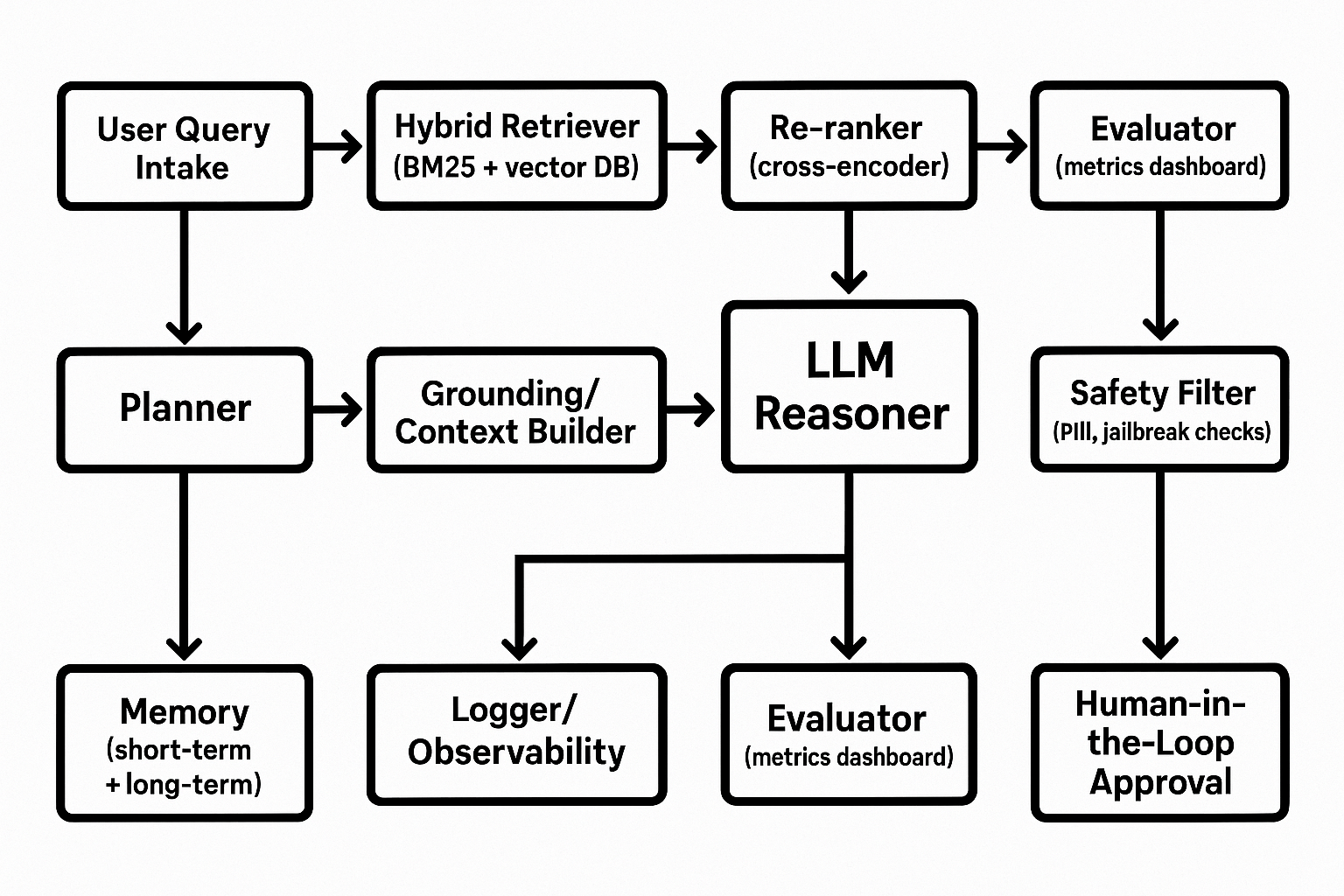
- Planning and control: Explicitly decompose tasks, plan steps, and implement robust error handling and retries to reduce unpredictable or hallucinatory behavior
- Memory: Persist key facts and decisions across steps and sessions to avoid repeated work and maintain context
- Tools: Define tight schemas and least-privilege access for search, browsing, and API calls, with clear input/output contracts
- Observability: Log prompts, tool traces, and decisions for offline analysis, evaluation, and incident response
These measures reduce the chances of cascading errors in long interactions and improve the predictability of agent behavior in open-ended environments[4].
RAG as the Backbone of Search Agents
A high-performing search agent typically centers on a RAG pipeline tuned end to end: clear goals, pilot-based rollout, careful component selection, and continuous monitoring to balance performance, cost, and accuracy[7][8].
Data quality dominates outcomes: curate authoritative, current sources; clean and structure content; and attach rich metadata to improve grounding and answer quality[6][7][10].
- Chunking: Prioritize experimentation with chunk boundaries and overlap; chunking often yields larger gains than embedding tweaks
- Chunk size: Larger chunks can help but risk noise; tune to your corpus and tasks
- An example study found a 1024-token window with 128-token overlap to be optimal for its dataset
- Overlap: Include overlap between adjacent chunks to preserve context for downstream ranking and generation
These practices can significantly enhance retrieval quality and overall RAG performance when tuned against a representative benchmark for your domain[6][8].
- Hybrid retrieval: Combine keyword search (e.g., BM25) with vector similarity to maximize recall on varied user phrasing
- Re-ranking: Use a cross-encoder re-ranker to refine the top-k results at higher computational cost
- Vector store choice: Expect a speed-quality trade-off; reported comparisons show latency and retrieval quality differences across systems
In practice, hybrid queries mitigate vocabulary mismatch, while cross-encoder re-ranking improves context precision and recall at the expense of runtime; evaluations also show vector stores can differ on latency versus retrieval effectiveness, so benchmark with your data and requirements[11][6][8].
Tool Use Patterns for Search Agents
Augment LLMs with tools for web search, browsing, API calls, database queries, and code execution, and feed results back into the model's context for grounded reasoning and reduced hallucinations[12]. LLMs serve as natural-language interfaces between users and tools and can translate between structured tool schemas and human queries[12].
RAG adds an independent knowledge substrate such as vector databases, relational stores, or knowledge graphs to cross-verify and cite information for transparency and trust[12][15].
# Pseudocode: controlled search-agent loop with planning and verification
while not done:
    plan = LLM.plan(goal, history)
    action = controller.select_next_action(plan)
    if action.type == 'search':
        results = web_search(action.query)
    elif action.type == 'browse':
        results = browser.fetch(action.url)
    elif action.type == 'retrieve':
        ctx = hybrid_retriever(query, k=20)
        reranked = cross_encoder_rerank(ctx, k=6)
        results = build_context(reranked)
    else:
        results = tool_call(action)

    history.append({"action": action, "observation": results})
    logger.trace(plan, action, results)

    # verify step: check for sufficiency, citation coverage, and contradictions
    if verifier.sufficient(history):
        answer = LLM.answer(history)
        if safety.ok(answer) and human_gate.approve_if_needed(answer):
            done = True

return answer
Document the full agent architecture and provide traceability of the agent's internal steps, tool calls, and interactions; publish complete execution traces in research and system reports to support reproducibility and audits[13].
Evaluation, Optimization, and Monitoring
Evaluate both the final outcome and intermediate decisions to identify where the agent succeeds or fails, and use rigorous benchmarks for planning, tool use, reflection, and memory in settings that approximate real applications[2][5].
For RAG-heavy search agents, adopt a multi-faceted evaluation: measure retrieval quality (e.g., precision@k, recall@k), generation quality (faithfulness/factuality, answer correctness and relevancy), and context precision; create a reference dataset with representative questions, ground-truth documents, and human-scored responses to anchor these metrics[8][9][6][7].
In production, continuously monitor interactions and logs to detect regressions, drift, and new failure modes, and couple online monitoring with periodic offline evaluations to maintain alignment with objectives[7].
Iterative optimization techniques like AgentOptimizer can improve agent skills by reviewing historical trajectories and applying strategies such as rollback and early-stop without changing base model weights, enabling safer and cheaper skill refinement over time[3].
When assessing agentic applications, simulate interactive conversations and carefully check each intermediate decision; for RAG, measure retrieval and generation steps separately to localize issues and accelerate fixes[16].
Safety, Security, and Oversight
Establish guardrails that limit excessive agency and scope of actions, with human-in-the-loop controls for high-risk operations; sandbox code execution, restrict credentials and permissions, and perform regular security reviews of plugins and external integrations[12][14].
Use local tools and data processing where feasible so sensitive data is never exposed to the LLM, which also reduces token usage; make user-facing transparency disclosures that the system is AI-driven and can produce errors[12][15].
For agent-based systems, clearly delineate internal LLM operations, external tool calls, and user/system interactions, and report complete execution traces to achieve behavior traceability and support responsible deployment[13].
Quick-Start Checklist for Advanced Search Agents
- Scoping: Define target tasks, success metrics, and acceptable latency/cost envelopes
- Architecture: Start simple with a planner-controller, tightly scoped tools, and full tracing
- RAG data: Curate high-quality, fresh sources with rich metadata; schedule updates
- Chunking: Experiment with size and overlap; validate on real queries
- Retrieval: Use hybrid BM25+vector; add cross-encoder re-ranking for precision-sensitive tasks
- Evaluation: Track retrieval and generation metrics plus intermediate action quality; build a reference set
- Optimization: Iterate with trace reviews and agent-level optimizers; monitor online and offline
- Safety: Enforce least privilege, sandboxing, and human approval for risky actions; ensure transparency
Each item reflects practices shown to improve reliability and maintainability of agentic systems and RAG pipelines in realistic settings[1][6][7][8][9][12][13].
Recommended Videos for Further Study
Deep Dives on Search Agents, RAG Optimization, and Agent Evaluation
Explore tutorials and conference talks that demonstrate end-to-end search agent architectures, hybrid retrieval and re-ranking, and rigorous evaluation of agentic systems with real-world datasets. Look for sessions that include execution traces, dataset construction, and metric dashboards.
Conclusion
High-quality search agents come from disciplined engineering: iterate from simple to sophisticated, build a transparent and controlled tool-using architecture, power it with a tuned RAG pipeline, and evaluate both intermediate actions and final answers. Pair hybrid retrieval with careful chunking and re-ranking, and enforce safety with least privilege, sandboxing, and human oversight. With strong observability, a robust reference dataset, and continuous optimization, you can sustain accuracy, trust, and agility as domains and user needs evolve[1][6][8][9][12][13].
Veamos alternativas:
- Modifica la consulta.
- Inicia un nuevo hilo.
- Eliminar fuentes (si se han agregado manualmente).
Exploration of Sweden's Mythological Beings in Folklore
Sweden's Most Famous Mythological Tales: A Research Overview
Swedish folklore is renowned for vivid tales of nature spirits, water beings, household guardians, and hidden folk whose stories have been told and sung for centuries across forests, farms, and waterways[1].
This report synthesizes well-attested legends that are widely cited as among Sweden's most famous, including the Skogsrå or Huldra of the forest, the water spirit Näcken, trolls of mountain and wood, the farm guardian Tomte, the hidden Vittra and their invisible paths, the tragic ballad of Sir Olof and the elves, and the haunting revenant known as the myling[1][8][15].
Night of Swedish Folklore
Concept illustration: Näcken plays a violin beside a moonlit stream, the Skogsrå emerges from a pine forest, a Tomte stands by a barn with a bowl of porridge, and trolls loom among rocky outcrops.

Forest Beings and Hidden Nature Spirits
The Skogsrå, also called the Huldra, is among Sweden's most famous forest spirits, often appearing as a striking woman who conceals a cow's tail and is sometimes said to become fully human after a church wedding[1].
Trolls occupy a central place in Swedish legend as powerful, nature-bound beings of forest and mountain, a presence made widely recognizable through beloved folk-tale art and retellings[1][2].
Later Scandinavian folklore commonly adds that trolls risk turning to stone in sunlight, a motif that underscores their affinity for nighttime and wild places beyond human settlements[6].
Elves in Swedish tradition are alluring yet perilous, often depicted as beautiful beings encountered in mists and edges of the human world, inspiring both fascination and caution in classic tales and songs[1].
- Skogsrå/Huldra: beautiful forest guardian who may reward respect yet imperil the unwary
- Trolls: wild, powerful beings of mountains and woods, often dangerous to travelers
- Elves: captivating and otherworldly, associated with liminal places and cautionary encounters
Water Spirits and Luring Legends
Näcken is the iconic Swedish water spirit, typically portrayed as a naked man playing a fiddle in streams or rivers, whose enchanting music lures listeners toward the water with deadly consequence in many tales[1][28].
Closely related within water lore is the bäckahäst, a large and beautiful supernatural horse that tempts children to climb on its back before stretching in length and drawing them into the water, a danger that can be averted in some traditions by throwing a piece of steel to break its power[25].
The Tomte and the Christmas Porridge Custom
The Tomte is a small household and farm guardian who helps with chores and watches over people and animals, yet he is easily offended if not properly respected or fed[29][31].
A well-known custom is to offer the Tomte a bowl of porridge, often associated with Christmas but historically also given at other times, sometimes with a pat of butter on top to show appreciation for his work[29][30][33].
If offended by poor offerings or neglect, the Tomte might retaliate with mischief or worse on the farm, a theme echoed in both scholarly summaries and popular retellings of Swedish folk belief[34][13].
One classic tale recounts a prank in which butter was hidden under the porridge rather than placed on top, enraging the Tomte who killed the family's best cow before later replacing it to atone for the overreaction, a narrative that illustrates his strict sense of respect and reciprocity[12][14].
Hidden Folk and the Rules of the Land: The Vittra
The Vittra are hidden folk associated with nature and herding who live in parallel to human communities, sometimes beneath the ground, and who demand that their ways and spaces be respected[18].
Many stories warn against building across vittrerstigar, the invisible routes the Vittra use between their dwellings, since blocking these paths is said to bring misfortune such as sick animals, broken tools, insomnia, or uncanny encounters until the obstruction is removed[21].
Accounts further emphasize that construction too close to Vittra homes or disturbances that block their roads may provoke deliberate accidents that endanger human life, underscoring the broader Scandinavian ethic of respecting unseen neighbors and their domains[24].
Ballads and Revenants: Sir Olof and the Myling
The medieval ballad 'Herr Olof och älvorna' (Sir Olof and the Elves) tells of a bridegroom who refuses to dance with elves on the eve of his wedding, is cursed with a deadly illness, and dies before the ceremony, a cautionary tale that appears in multiple Scandinavian variants and warns of the peril of otherworldly encounters[8][9][10][11].
Equally haunting is the myling, the restless spirit of an unbaptized or murdered newborn that seeks burial in consecrated ground and grows unbearably heavy on the back of anyone who carries it toward a graveyard, a motif that emphasizes communal obligations to the dead and the consequences of hidden crimes[15][16][17].
Transmission, Collections, and Modern Summaries
Classic tales of trolls and other beings became widely known through illustrated collections such as John Bauer's Swedish folk tales, which helped fix the visual imagination of Swedish folklore for later generations[2].
Modern compilations and websites continue to circulate these legends, from curated volumes of Swedish folktales to popular summaries that list iconic creatures found in Swedish storytelling traditions[4][3].
Conclusion
Sweden's most famous mythic tales orbit a core set of beings and narrative patterns that teach respect for nature, caution at liminal boundaries, and reciprocity in daily life[1][29][21].
From the Skogsrå's double-edged beauty and the lures of Näcken, to the Tomte's porridge rite, the Vittra's invisible roads, the tragic elfin ballads, and the burdensome appeal of the myling, these narratives remain central to how Swedish folklore frames the relationship between humans and the more-than-human world[1][25][12][21][8][15].
Veamos alternativas:
- Modifica la consulta.
- Inicia un nuevo hilo.
- Eliminar fuentes (si se han agregado manualmente).
Alien-Looking Geological Formations Worldwide
Transcripción
{"entities": [{"name": "Salar de Uyuni", "brand": null, "url": null, "description": "World's largest salt flat with mirror effect after rain.", "image_search_query": "Salar de Uyuni Bolivia satellite view", "images": [{"carousel_h5": "u5144542445 surreal landscape salar de uyuni salt fl 046b3be9 e9c5 4ab0 a6cd 28444872d5dc 1024x683", "url": "https://thevoyaging.com/wp-content/uploads/2025/02/u5144542445_A_surreal_landscape_of_the_Salar_de_Uyuni_salt_fl_046b3be9-e9c5-4ab0-a6cd-28444872d5dc_3-1024x683.png", "source_url": "https://thevoyaging.com/surreal-locations-on-earth-that-look-like-alien-worlds/", "title": "Salar de Uyuni", "alt": "Salar de Uyuni", "base64": null, "width": 1024, "height": 683}], "actions": [{"name": "Search ", "favicon": "https://www.google.com/images/branding/product/ico/maps15_bnuw3a_32dp.ico", "query": "Salar de Uyuni", "source_name": "Maps", "type": "LOCATION", "url": "https://google.com/maps/search/Salar de Uyuni", "action_has_all_parameters": false}, {"name": "search_tripadvisor ", "favicon": "https://www.tripadvisor.com/favicon.ico", "query": "Salar de Uyuni", "source_name": "tripadvisor", "type": "LOCATION", "url": "https://www.tripadvisor.com/Search?q=Salar de Uyuni", "action_has_all_parameters": false}], "price": null, "currency": null, "product_id": null, "timestamp": 5.944}, {"name": "The Wave", "brand": null, "url": null, "description": "Sandstone formation with swirling red and orange layers in the US.", "image_search_query": "The Wave Arizona surreal sandstone rock formation", "images": [{"carousel_h5": "wave", "url": "https://www.esquireme.com/cloud/2021/09/22/shutterstock_1570532824-2-1.jpg", "source_url": "https://www.esquireme.com/sports/55229-what-it-feels-like-to-ride-a-giant-wave", "title": "The Wave", "alt": "wave", "base64": null, "width": 830, "height": 554}], "actions": [{"name": "Search ", "favicon": "https://www.google.com/images/branding/product/ico/maps15_bnuw3a_32dp.ico", "query": "The Wave", "source_name": "Maps", "type": "LOCATION", "url": "https://google.com/maps/search/The Wave", "action_has_all_parameters": false}, {"name": "search_tripadvisor ", "favicon": "https://www.tripadvisor.com/favicon.ico", "query": "The Wave", "source_name": "tripadvisor", "type": "LOCATION", "url": "https://www.tripadvisor.com/Search?q=The Wave", "action_has_all_parameters": false}], "price": null, "currency": null, "product_id": null, "timestamp": 12.086}, {"name": "Pamukkale", "brand": null, "url": null, "description": "Terraced travertine pools with ancient ruins in Turkey.", "image_search_query": "Pamukkale cotton castle Turkey terraces", "images": [{"carousel_h5": "u5144542445 breathtaking aerial view pamukkales terraced 18fbd3b0 9ac1 406b 857c b2ace803c4dd 1024x683", "url": "https://thevoyaging.com/wp-content/uploads/2025/02/u5144542445_A_breathtaking_aerial_view_of_Pamukkales_terraced_18fbd3b0-9ac1-406b-857c-b2ace803c4dd_1-1024x683.png", "source_url": "https://thevoyaging.com/surreal-locations-on-earth-that-look-like-alien-worlds/", "title": "Pamukkale", "alt": "Pamukkale", "base64": null, "width": 1024, "height": 683}], "actions": [{"name": "Search ", "favicon": "https://www.google.com/images/branding/product/ico/maps15_bnuw3a_32dp.ico", "query": "Pamukkale", "source_name": "Maps", "type": "LOCATION", "url": "https://google.com/maps/search/Pamukkale", "action_has_all_parameters": false}, {"name": "search_tripadvisor ", "favicon": "https://www.tripadvisor.com/favicon.ico", "query": "Pamukkale", "source_name": "tripadvisor", "type": "LOCATION", "url": "https://www.tripadvisor.com/Search?q=Pamukkale", "action_has_all_parameters": false}], "price": null, "currency": null, "product_id": null, "timestamp": 19.04}, {"name": "Danakil Depression", "brand": null, "url": null, "description": "Extreme volcanic region with acid pools and sulfur deposits in Ethiopia.", "image_search_query": "Danakil Depression Ethiopia alien landscape", "images": [{"carousel_h5": "u5144542445 nightmarish landscape danakil depression f0c032b5 42d6 43a4 9bf7 039dadd136e9 1024x683", "url": "https://thevoyaging.com/wp-content/uploads/2025/02/u5144542445_A_nightmarish_landscape_of_the_Danakil_Depression_f0c032b5-42d6-43a4-9bf7-039dadd136e9_3-1024x683.png", "source_url": "https://thevoyaging.com/surreal-locations-on-earth-that-look-like-alien-worlds/", "title": "Danakil Depression", "alt": "Danakil Depression", "base64": null, "width": 1024, "height": 683}], "actions": [{"name": "Search ", "favicon": "https://www.google.com/images/branding/product/ico/maps15_bnuw3a_32dp.ico", "query": "Danakil Depression", "source_name": "Maps", "type": "LOCATION", "url": "https://google.com/maps/search/Danakil Depression", "action_has_all_parameters": false}, {"name": "search_tripadvisor ", "favicon": "https://www.tripadvisor.com/favicon.ico", "query": "Danakil Depression", "source_name": "tripadvisor", "type": "LOCATION", "url": "https://www.tripadvisor.com/Search?q=Danakil Depression", "action_has_all_parameters": false}], "price": null, "currency": null, "product_id": null, "timestamp": 24.067}, {"name": "Mono Lake", "brand": null, "url": null, "description": "Ancient lake with surreal tufa towers in California.", "image_search_query": "Mono Lake California tufa towers", "images": [{"carousel_h5": "Mono Lake", "url": "https://images.rove.me/w_1920,q_85/a5tdmerzo5z5og6iizle/california-mono-lake-tufa-towers.jpg", "source_url": "https://rove.me/to/california/mono-lake-tufa-towers", "title": "Mono Lake", "alt": "Mono Lake", "base64": null, "width": 1920, "height": 1277}, {"carousel_h5": "Mono Lake", "url": "https://www.mammothres.com/sites/default/files/uploads/mono-lake3.jpg", "source_url": "https://www.mammothres.com/mammoth-things-to-do/outdoor-activities/mono-lake-tufa-state-natural-reserve", "title": "Mono Lake", "alt": "Mono Lake", "base64": null, "width": 1800, "height": 1200}, {"carousel_h5": "Mono Lake", "url": "https://images.rove.me/w_1920,q_85/tz2k99nviux0hgf8ckpe/california-mono-lake-tufa-towers.jpg", "source_url": "https://rove.me/to/california/mono-lake-tufa-towers", "title": "Mono Lake", "alt": "Mono Lake", "base64": null, "width": 1920, "height": 1044}, {"carousel_h5": "Mono Lake", "url": "https://geologypics.com/wp-content/uploads/2017/04/111119-35hdrf.jpg", "source_url": "https://geologypics.com/tufa-pinnacles-at-mono-lake-california/", "title": "Mono Lake", "alt": "Mono Lake", "base64": null, "width": 1200, "height": 800}, {"carousel_h5": "Mono Lake", "url": "http://www.theworldisabook.com/wp-content/uploads/2011/11/tufa-1024x681.jpg", "source_url": "https://www.theworldisabook.com/4889/tufa-towers-at-mono-lake/", "title": "Mono Lake", "alt": "Mono Lake", "base64": null, "width": 1024, "height": 681}], "actions": [{"name": "Search ", "favicon": "https://www.google.com/images/branding/product/ico/maps15_bnuw3a_32dp.ico", "query": "Mono Lake", "source_name": "Maps", "type": "LOCATION", "url": "https://google.com/maps/search/Mono Lake", "action_has_all_parameters": false}, {"name": "search_tripadvisor ", "favicon": "https://www.tripadvisor.com/favicon.ico", "query": "Mono Lake", "source_name": "tripadvisor", "type": "LOCATION", "url": "https://www.tripadvisor.com/Search?q=Mono Lake", "action_has_all_parameters": false}], "price": null, "currency": null, "product_id": null, "timestamp": 31.66}, {"name": "Vatnaj\u00f6kull Glacier", "brand": null, "url": null, "description": "Europe's vast Iceland glacier featuring ice caves and volcanoes.", "image_search_query": "Vatnaj\u00f6kull Glacier Iceland ice caves", "images": [{"carousel_h5": "Vatnaj\u00f6kull Glacier", "url": "https://guidetoiceland.is/image/191249/x/0/ice-cave-tour-by-vatnajokull-glacier-1.jpg", "source_url": "https://guidetoiceland.is/book-holiday-trips/glacier-caving-in-vatnajokull", "title": "Vatnaj\u00f6kull Glacier", "alt": "Vatnaj\u00f6kull Glacier", "base64": null, "width": 1423, "height": 950}, {"carousel_h5": "Vatnaj\u00f6kull Glacier", "url": "https://guidetoiceland.is/image/191248/x/0/iceland-ice-cave-tour-by-vatnajokull-glacier-0.jpg", "source_url": "https://guidetoiceland.is/book-holiday-trips/glacier-caving-in-vatnajokull", "title": "Vatnaj\u00f6kull Glacier", "alt": "Vatnaj\u00f6kull Glacier", "base64": null, "width": 1423, "height": 950}, {"carousel_h5": "Vatnaj\u00f6kull Glacier", "url": "https://guidetoiceland.is/image/346956/x/0/glacier-ice-caves-in-iceland-13.jpg", "source_url": "https://guidetoiceland.is/nature-info/ice-caves-in-iceland", "title": "Vatnaj\u00f6kull Glacier", "alt": "Vatnaj\u00f6kull Glacier", "base64": null, "width": 1080, "height": 720}, {"carousel_h5": "Vatnaj\u00f6kull Glacier", "url": "https://guidetoiceland.is/image/191251/x/0/iceland-ice-cave-tour-by-vatnajokull-glacier-8.jpg", "source_url": "https://guidetoiceland.is/book-holiday-trips/glacier-caving-in-vatnajokull", "title": "Vatnaj\u00f6kull Glacier", "alt": "Vatnaj\u00f6kull Glacier", "base64": null, "width": 1024, "height": 683}, {"carousel_h5": "Vatnaj\u00f6kull Glacier", "url": "https://guidetoiceland.is/image/191254/x/0/iceland-ice-cave-tour-by-vatnajokull-glacier-4.jpg", "source_url": "https://guidetoiceland.is/book-holiday-trips/glacier-caving-in-vatnajokull", "title": "Vatnaj\u00f6kull Glacier", "alt": "Vatnaj\u00f6kull Glacier", "base64": null, "width": 1024, "height": 683}], "actions": [{"name": "Search ", "favicon": "https://www.google.com/images/branding/product/ico/maps15_bnuw3a_32dp.ico", "query": "Vatnaj\u00f6kull Glacier", "source_name": "Maps", "type": "LOCATION", "url": "https://google.com/maps/search/Vatnaj\u00f6kull Glacier", "action_has_all_parameters": false}, {"name": "search_tripadvisor ", "favicon": "https://www.tripadvisor.com/favicon.ico", "query": "Vatnaj\u00f6kull Glacier", "source_name": "tripadvisor", "type": "LOCATION", "url": "https://www.tripadvisor.com/Search?q=Vatnaj\u00f6kull Glacier", "action_has_all_parameters": false}], "price": null, "currency": null, "product_id": null, "timestamp": 36.885}, {"name": "Wadi Rum", "brand": null, "url": null, "description": "Red desert with towering sandstone formations in Jordan.", "image_search_query": "Wadi Rum desert Jordan landscape", "images": [{"carousel_h5": "Wadi Rum", "url": "https://c8.alamy.com/comp/2EAGT36/landscape-of-wadi-rum-desert-in-jordan-2EAGT36.jpg", "source_url": "https://www.alamy.com/landscape-of-wadi-rum-desert-in-jordan-image402355162.html", "title": "Wadi Rum", "alt": "Wadi Rum", "base64": null, "width": 1300, "height": 956}, {"carousel_h5": "Wadi Rum", "url": "https://c8.alamy.com/comp/2EAGWGG/landscape-of-wadi-rum-desert-in-jordan-2EAGWGG.jpg", "source_url": "https://www.alamy.com/landscape-of-wadi-rum-desert-in-jordan-image402356320.html", "title": "Wadi Rum", "alt": "Wadi Rum", "base64": null, "width": 1300, "height": 955}, {"carousel_h5": "Wadi Rum", "url": "https://cdn.kimkim.com/files/a/content_articles/featured_photos/2887f35aa2f7cacc7772a5e433bf34f4638e90e2/big-ccf03cc343ababea46f4c4e94d23fdd6.jpg", "source_url": "https://www.kimkim.com/c/the-ultimate-guide-to-wadi-rum", "title": "Wadi Rum", "alt": "Wadi Rum", "base64": null, "width": 928, "height": 683}], "actions": [{"name": "Search ", "favicon": "https://www.google.com/images/branding/product/ico/maps15_bnuw3a_32dp.ico", "query": "Wadi Rum", "source_name": "Maps", "type": "LOCATION", "url": "https://google.com/maps/search/Wadi Rum", "action_has_all_parameters": false}, {"name": "search_tripadvisor ", "favicon": "https://www.tripadvisor.com/favicon.ico", "query": "Wadi Rum", "source_name": "tripadvisor", "type": "LOCATION", "url": "https://www.tripadvisor.com/Search?q=Wadi Rum", "action_has_all_parameters": false}], "price": null, "currency": null, "product_id": null, "timestamp": 44.141}, {"name": "Sossusvlei", "brand": null, "url": null, "description": "Immense red dunes set against stark salt pans in Namibia.", "image_search_query": "Sossusvlei Namibia red sand dunes", "images": [{"carousel_h5": "Sossusvlei", "url": "https://i.redd.it/7h72a20n3w351.jpg", "source_url": "https://hdwallpaperslive.wordpress.com/2020/06/09/sand-dune-at-sossusvlei-namibia-photo-credit-to-dimitri-simon-3710-x-2459/", "title": "Sossusvlei", "alt": "Sossusvlei", "base64": null, "width": 3710, "height": 2459}, {"carousel_h5": "Sossusvlei", "url": "http://theincidentaltourist.com/wp-content/uploads/2020/04/namibia-4902690_1920.jpg", "source_url": "http://theincidentaltourist.com/sossusvleis-rusty-red-sand-dunes-namibia/", "title": "Sossusvlei", "alt": "Sossusvlei", "base64": null, "width": 1920, "height": 1280}, {"carousel_h5": "Sossusvlei", "url": "https://thumbs.dreamstime.com/z/red-sand-dune-sossusvlei-namibia-27706631.jpg", "source_url": "https://www.dreamstime.com/stock-image-red-sand-dune-sossusvlei-namibia-image27706631", "title": "Sossusvlei", "alt": "Sossusvlei", "base64": null, "width": 1600, "height": 1157}, {"carousel_h5": "Sossusvlei", "url": "https://c8.alamy.com/comp/2CT4DX4/red-sand-dunes-under-the-morning-light-in-sossusvlei-namibia-2CT4DX4.jpg", "source_url": "https://www.alamy.com/red-sand-dunes-under-the-morning-light-in-sossusvlei-namibia-image376268204.html", "title": "Sossusvlei", "alt": "Sossusvlei", "base64": null, "width": 1300, "height": 956}, {"carousel_h5": "Sossusvlei", "url": "https://artofsafari.travel/wp-content/uploads/2017/02/iStock_Namibia_NaukluftNationalPark_LandscapeSossusvleiDune.jpg", "source_url": "https://artofsafari.travel/what-to-do/luxury-safaris-sossusvlei/exploring-the-ochre-dunes-of-sossusvlei/", "title": "Sossusvlei", "alt": "Sossusvlei", "base64": null, "width": 1203, "height": 800}], "actions": [{"name": "Search ", "favicon": "https://www.google.com/images/branding/product/ico/maps15_bnuw3a_32dp.ico", "query": "Sossusvlei", "source_name": "Maps", "type": "LOCATION", "url": "https://google.com/maps/search/Sossusvlei", "action_has_all_parameters": false}, {"name": "search_tripadvisor ", "favicon": "https://www.tripadvisor.com/favicon.ico", "query": "Sossusvlei", "source_name": "tripadvisor", "type": "LOCATION", "url": "https://www.tripadvisor.com/Search?q=Sossusvlei", "action_has_all_parameters": false}], "price": null, "currency": null, "product_id": null, "timestamp": 50.433}, {"name": "Grand Prismatic Spring", "brand": null, "url": null, "description": "Vibrantly colored thermal spring in Yellowstone National Park, USA.", "image_search_query": "Grand Prismatic Spring Yellowstone color", "images": [{"carousel_h5": "Grand Prismatic Spring", "url": "https://artwolfe.com/wp-content/uploads/2014/11/LWYOYE1_00811.jpg", "source_url": "https://artwolfe.com/showcase/grand-prismatic-spring-yellowstone-national-park-wyoming-usa-2/", "title": "Grand Prismatic Spring", "alt": "Grand Prismatic Spring", "base64": null, "width": 2400, "height": 1594}, {"carousel_h5": "Grand Prismatic Spring", "url": "https://www.yellowstonenationalparklodges.com/content/uploads/2017/04/iStock_000016578606Medium2.jpg", "source_url": "https://www.yellowstonenationalparklodges.com/connect/yellowstone-hot-spot/why-legendary-explorers-loved-yellowstone/grand-prismatic-spring-color/", "title": "Grand Prismatic Spring", "alt": "Grand Prismatic Spring", "base64": null, "width": 1698, "height": 1131}, {"carousel_h5": "Grand Prismatic Spring", "url": "https://www.aceadventurer.com/wp-content/uploads/2019/11/Grand-Prismatic-Spring-Yellowstone-National-Park-Wyoming-United-States.jpg", "source_url": "https://www.pinterest.jp/pin/370280400615375510/", "title": "Grand Prismatic Spring", "alt": "Grand Prismatic Spring", "base64": null, "width": 1500, "height": 1000}, {"carousel_h5": "Grand Prismatic Spring", "url": "http://www.oceanlight.com/stock-photo/grand-prismatic-spring-yellowstone-photograph-13571-291852.jpg", "source_url": "http://www.oceanlight.com/log/grand-prismatic-spring-yellowstone-national-park.html", "title": "Grand Prismatic Spring", "alt": "Grand Prismatic Spring", "base64": null, "width": 1050, "height": 698}, {"carousel_h5": "Grand Prismatic Spring", "url": "https://img.freepik.com/premium-photo/majestic-grand-prismatic-spring-yellowstone-national-park-usa-vibrant-colors-stunning_327903-2322253.jpg", "source_url": "https://www.freepik.com/premium-ai-image/majestic-grand-prismatic-spring-yellowstone-national-park-usa-vibrant-colors-stunning_353891863.htm", "title": "Grand Prismatic Spring", "alt": "Grand Prismatic Spring", "base64": null, "width": 447, "height": 626}], "actions": [{"name": "Search ", "favicon": "https://www.google.com/images/branding/product/ico/maps15_bnuw3a_32dp.ico", "query": "Grand Prismatic Spring", "source_name": "Maps", "type": "LOCATION", "url": "https://google.com/maps/search/Grand Prismatic Spring", "action_has_all_parameters": false}, {"name": "search_tripadvisor ", "favicon": "https://www.tripadvisor.com/favicon.ico", "query": "Grand Prismatic Spring", "source_name": "tripadvisor", "type": "LOCATION", "url": "https://www.tripadvisor.com/Search?q=Grand Prismatic Spring", "action_has_all_parameters": false}], "price": null, "currency": null, "product_id": null}, {"name": "Giant's Causeway", "brand": null, "url": null, "description": "Hexagonal basalt columns along Northern Ireland's rugged coast.", "image_search_query": "Giant's Causeway Northern Ireland basalt columns", "images": [{"carousel_h5": "Giant\u2019s Causeway", "url": "https://c8.alamy.com/comp/G0T2HG/basalt-columns-at-the-giants-causeway-northern-ireland-G0T2HG.jpg", "source_url": "https://www.alamy.com/stock-photo-basalt-columns-at-the-giants-causeway-northern-ireland-103791116.html", "title": "Giant\u2019s Causeway", "alt": "Giant\u2019s Causeway", "base64": null}, {"carousel_h5": "Giant\u2019s Causeway", "url": "https://mybestplace.com/uploads/2022/03/Giants-Causeway-Irlanda-2.jpg", "source_url": "https://mybestplace.com/en/article/giants-causeway-the-majestic-basalt-columns-of-northern-ireland", "title": "Giant\u2019s Causeway", "alt": "Giant\u2019s Causeway", "base64": null}, {"carousel_h5": "Giant\u2019s Causeway", "url": "https://c8.alamy.com/comp/D9KKD7/the-hexagonal-basalt-columns-of-giants-causewaynorthern-ireland-D9KKD7.jpg", "source_url": "https://www.alamy.com/stock-photo-the-hexagonal-basalt-columns-of-giants-causewaynorthern-ireland-57595363.html", "title": "Giant\u2019s Causeway", "alt": "Giant\u2019s Causeway", "base64": null}, {"carousel_h5": "Giant\u2019s Causeway", "url": "https://external-preview.redd.it/BSFgXp7fbagf6lGHe0IOsQi353XLNZffvfXHF_dbOgo.jpg?auto=webp&s=04067185a8711d3d04523544fe34bd71db5ab081", "source_url": "https://www.reddit.com/r/EarthPorn/comments/7f0x91/basalt_columns_at_giants_causeway_county_antrim/", "title": "Giant\u2019s Causeway", "alt": "Giant\u2019s Causeway", "base64": null}, {"carousel_h5": "Giant\u2019s Causeway", "url": "https://c8.alamy.com/comp/TR6662/basalt-columns-giants-causeway-ireland-antrim-northern-ireland-bushmills-TR6662.jpg", "source_url": "https://www.alamy.com/basalt-columns-giants-causeway-ireland-antrim-northern-ireland-bushmills-image255218826.html", "title": "Giant\u2019s Causeway", "alt": "Giant\u2019s Causeway", "base64": null}], "actions": [{"name": "Search ", "favicon": "https://www.google.com/images/branding/product/ico/maps15_bnuw3a_32dp.ico", "query": "Giant\u2019s Causeway", "source_name": "Maps", "type": "LOCATION", "url": "https://google.com/maps/search/Giant\u2019s Causeway", "action_has_all_parameters": false}, {"name": "search_tripadvisor ", "favicon": "https://www.tripadvisor.com/favicon.ico", "query": "Giant\u2019s Causeway", "source_name": "tripadvisor", "type": "LOCATION", "url": "https://www.tripadvisor.com/Search?q=Giant\u2019s Causeway", "action_has_all_parameters": false}], "price": null, "currency": null, "product_id": null}, {"name": "Lake Hillier", "brand": null, "url": null, "description": "Bubblegum-pink lake contrasting with deep blue ocean in Australia.", "image_search_query": "Lake Hillier Australia pink lake aerial", "images": [{"carousel_h5": "Lake Hillier", "url": "https://c8.alamy.com/comp/2SK80KW/aerial-view-of-the-pink-lake-lake-hillier-in-western-australia-2SK80KW.jpg", "source_url": "https://www.alamy.com/aerial-view-of-the-pink-lake-lake-hillier-in-western-australia-image648638253.html", "title": "Lake Hillier", "alt": "Lake Hillier", "base64": null}, {"carousel_h5": "Lake Hillier", "url": "https://thumbs.dreamstime.com/z/beautiful-view-pink-lake-lake-hillier-western-australia-beautiful-view-pink-lake-lake-hillier-western-australia-264838641.jpg", "source_url": "https://www.dreamstime.com/beautiful-view-pink-lake-lake-hillier-western-australia-beautiful-view-pink-lake-lake-hillier-western-australia-image264838641", "title": "Lake Hillier", "alt": "Lake Hillier", "base64": null}, {"carousel_h5": "Lake Hillier", "url": "https://media.gettyimages.com/id/1299198611/photo/pink-lake-aerial-view-on-middle-island-surrounded-blue-ocean-stark-contrasting-natural.jpg?s=612x612&w=gi&k=20&c=snMKmfazW5Fb07g0FGPo2NPqmRjt3Xmd40Ttau0Kv3I=", "source_url": "https://www.gettyimages.ae/photos/lake-hillier-australia", "title": "Lake Hillier", "alt": "Lake Hillier", "base64": null}, {"carousel_h5": "Lake Hillier", "url": "https://media.livewallpapers.com/images/high/lake-hillier-pink-lake-view.webp", "source_url": "https://www.livewallpapers.com/lake-hillier-pink-lake-view", "title": "Lake Hillier", "alt": "Lake Hillier", "base64": null}, {"carousel_h5": "Lake Hillier", "url": "https://i.pinimg.com/originals/f3/eb/f6/f3ebf67ba344e1c0e67e0127a38edc85.jpg", "source_url": "https://www.pinterest.com/pin/pink-lake-hillier-scenic-flight--858850591429340542/", "title": "Lake Hillier", "alt": "Lake Hillier", "base64": null}], "actions": [{"name": "Search ", "favicon": "https://www.google.com/images/branding/product/ico/maps15_bnuw3a_32dp.ico", "query": "Lake Hillier", "source_name": "Maps", "type": "LOCATION", "url": "https://google.com/maps/search/Lake Hillier", "action_has_all_parameters": false}, {"name": "search_tripadvisor ", "favicon": "https://www.tripadvisor.com/favicon.ico", "query": "Lake Hillier", "source_name": "tripadvisor", "type": "LOCATION", "url": "https://www.tripadvisor.com/Search?q=Lake Hillier", "action_has_all_parameters": false}], "price": null, "currency": null, "product_id": null}, {"name": "Rainbow Mountain", "brand": null, "url": null, "description": "Mountain with vivid, rainbow mineral stripes in the Peruvian Andes.", "image_search_query": "Rainbow Mountain Peru seven colors", "images": [{"carousel_h5": "Rainbow Mountain", "url": "https://theplanetd.com/images/rainbow-mountain-peru-2.jpg", "source_url": "https://theplanetd.com/rainbow-mountain-peru/", "title": "Rainbow Mountain", "alt": "Rainbow Mountain", "base64": null}, {"carousel_h5": "Rainbow Mountain", "url": "https://www.donperutours.com/wp-content/uploads/2017/09/monta%C3%B1ade7colores-1140x530.jpg", "source_url": "https://www.donperutours.com/aboutperu/mountain-7-colors-or-mountain-rainbow-in-cusco/", "title": "Rainbow Mountain", "alt": "Rainbow Mountain", "base64": null}, {"carousel_h5": "Rainbow Mountain", "url": "https://www.alamy.com/aggregator-api/download?url=https://c8.alamy.com/comp/2BT0J5H/vinicunca-mountain-also-known-as-the-mountain-of-seven-colors-or-rainbow-mountain-in-the-peruvian-andes-2BT0J5H.jpg", "source_url": "https://www.alamy.com/vinicunca-mountain-also-known-as-the-mountain-of-seven-colors-or-rainbow-mountain-in-the-peruvian-andes-image358973373.html", "title": "Rainbow Mountain", "alt": "Rainbow Mountain", "base64": null}, {"carousel_h5": "Rainbow Mountain", "url": "https://i.pinimg.com/736x/d0/23/5d/d0235d854fecae07bbe53e5c9e546769.jpg", "source_url": "https://www.pinterest.com/pin/the-mountain-of-seven-colors-is-located-in-the-andes-mountain-range-in-the-cusco-region-of-peru-9gag--74168725098083660/", "title": "Rainbow Mountain", "alt": "Rainbow Mountain", "base64": null}, {"carousel_h5": "Rainbow Mountain", "url": "https://c8.alamy.com/comp/2T3AM05/seven-colors-mountain-cusco-peru-2T3AM05.jpg", "source_url": "https://www.alamy.com/stock-photo/rainbow-mountain-peru-aerial-view.html", "title": "Rainbow Mountain", "alt": "Rainbow Mountain", "base64": null}], "actions": [{"name": "Search ", "favicon": "https://www.google.com/images/branding/product/ico/maps15_bnuw3a_32dp.ico", "query": "Rainbow Mountain", "source_name": "Maps", "type": "LOCATION", "url": "https://google.com/maps/search/Rainbow Mountain", "action_has_all_parameters": false}, {"name": "search_tripadvisor ", "favicon": "https://www.tripadvisor.com/favicon.ico", "query": "Rainbow Mountain", "source_name": "tripadvisor", "type": "LOCATION", "url": "https://www.tripadvisor.com/Search?q=Rainbow Mountain", "action_has_all_parameters": false}], "price": null, "currency": null, "product_id": null}, {"name": "Zhangjiajie National Forest Park", "brand": null, "url": null, "description": "Misty landscape of towering sandstone pillars in China.", "image_search_query": "Zhangjiajie forest park China pillars", "images": [{"carousel_h5": "Zhangjiajie National Forest Park", "url": "https://img.freepik.com/premium-photo/mesmerizing-beauty-china-s-zhangjiajie-national-forest-park-with-towering-sandstone-pillars-shrouded-mist_344451-5348.jpg?w=2000", "source_url": "https://www.freepik.com/premium-ai-image/mesmerizing-beauty-china-s-zhangjiajie-national-forest-park-with-towering-sandstone-pillars-shrouded-mist_159604314.htm", "title": "Zhangjiajie National Forest Park", "alt": "Zhangjiajie National Forest Park", "base64": null}, {"carousel_h5": "Zhangjiajie National Forest Park", "url": "https://c8.alamy.com/comp/2TAK2JP/the-amazing-sandstone-pillars-of-zhangjiajie-national-forest-park-hunan-china-2TAK2JP.jpg", "source_url": "https://www.alamy.com/the-amazing-sandstone-pillars-of-zhangjiajie-national-forest-park-hunan-china-image574507886.html", "title": "Zhangjiajie National Forest Park", "alt": "Zhangjiajie National Forest Park", "base64": null}, {"carousel_h5": "Zhangjiajie National Forest Park", "url": "https://c8.alamy.com/comp/2X057KH/sandstone-pillars-rise-above-the-lush-forest-of-zhangjiajie-national-forest-park-in-wulingyuan-scenic-area-china-2X057KH.jpg", "source_url": "https://www.alamy.com/sandstone-pillars-rise-above-the-lush-forest-of-zhangjiajie-national-forest-park-in-wulingyuan-scenic-area-china-image602478677.html", "title": "Zhangjiajie National Forest Park", "alt": "Zhangjiajie National Forest Park", "base64": null}, {"carousel_h5": "Zhangjiajie National Forest Park", "url": "https://c8.alamy.com/comp/2X057KF/sandstone-pillars-rise-above-the-lush-forest-of-zhangjiajie-national-forest-park-in-wulingyuan-scenic-area-china-2X057KF.jpg", "source_url": "https://www.alamy.com/sandstone-pillars-rise-above-the-lush-forest-of-zhangjiajie-national-forest-park-in-wulingyuan-scenic-area-china-image602478675.html", "title": "Zhangjiajie National Forest Park", "alt": "Zhangjiajie National Forest Park", "base64": null}, {"carousel_h5": "Zhangjiajie National Forest Park", "url": "https://c8.alamy.com/comp/2X057R0/sandstone-pillars-rise-above-the-lush-forest-of-zhangjiajie-national-forest-park-in-wulingyuan-scenic-area-china-2X057R0.jpg", "source_url": "https://www.alamy.com/sandstone-pillars-rise-above-the-lush-forest-of-zhangjiajie-national-forest-park-in-wulingyuan-scenic-area-china-image602478772.html", "title": "Zhangjiajie National Forest Park", "alt": "Zhangjiajie National Forest Park", "base64": null}], "actions": [{"name": "Search ", "favicon": "https://www.google.com/images/branding/product/ico/maps15_bnuw3a_32dp.ico", "query": "Zhangjiajie National Forest Park", "source_name": "Maps", "type": "LOCATION", "url": "https://google.com/maps/search/Zhangjiajie National Forest Park", "action_has_all_parameters": false}, {"name": "search_tripadvisor ", "favicon": "https://www.tripadvisor.com/favicon.ico", "query": "Zhangjiajie National Forest Park", "source_name": "tripadvisor", "type": "LOCATION", "url": "https://www.tripadvisor.com/Search?q=Zhangjiajie National Forest Park", "action_has_all_parameters": false}], "price": null, "currency": null, "product_id": null}, {"name": "Waitomo Glowworm Caves", "brand": null, "url": null, "description": "Caves illuminated by thousands of glowworms in New Zealand.", "image_search_query": "Waitomo Glowworm Caves New Zealand", "images": [{"carousel_h5": "Waitomo Glowworm Caves", "url": "https://1.bp.blogspot.com/-MguTu-mjMYg/WmWoPfufoyI/AAAAAAADLBg/rGEur1C-YzoZpEydb3tFIoAn3nHges3ZACLcBGAs/s1600/0.jpg", "source_url": "https://5-five-5.blogspot.com/2018/01/waitomo-glowworm-caves-new-zealand.html", "title": "Waitomo Glowworm Caves", "alt": "Waitomo Glowworm Caves", "base64": null}, {"carousel_h5": "Waitomo Glowworm Caves", "url": "https://w.wallhaven.cc/full/xl/wallhaven-xl3ok3.jpg", "source_url": "https://wallhaven.cc/w/xl3ok3", "title": "Waitomo Glowworm Caves", "alt": "Waitomo Glowworm Caves", "base64": null}, {"carousel_h5": "Waitomo Glowworm Caves", "url": "http://2.bp.blogspot.com/-bkB8jQMjWg8/U1uWsK8yaEI/AAAAAAAABHQ/8za7peg2Gac/s1600/Biolum_waitomo-glowworm-caves-1.jpg", "source_url": "http://picturegalleryme.blogspot.com/2014/04/waitomo-glowworm-caves-new-zealand.html", "title": "Waitomo Glowworm Caves", "alt": "Waitomo Glowworm Caves", "base64": null}, {"carousel_h5": "Waitomo Glowworm Caves", "url": "https://i.redd.it/mk30wak52yb71.jpg", "source_url": "https://www.reddit.com/r/interestingasfuck/comments/omnob0/waitomo_glowworm_caves_in_new_zealand/", "title": "Waitomo Glowworm Caves", "alt": "Waitomo Glowworm Caves", "base64": null}, {"carousel_h5": "Waitomo Glowworm Caves", "url": "https://www.planetjanettravels.com/wp-content/uploads/2018/08/0_New-Zealand-waitomo-glowworm-caves-black-water-rafting.jpg", "source_url": "https://www.planetjanettravels.com/black-water-rafting-waitomo-caves-glowworms/", "title": "Waitomo Glowworm Caves", "alt": "Waitomo Glowworm Caves", "base64": null}], "actions": [{"name": "Search ", "favicon": "https://www.google.com/images/branding/product/ico/maps15_bnuw3a_32dp.ico", "query": "Waitomo Glowworm Caves", "source_name": "Maps", "type": "LOCATION", "url": "https://google.com/maps/search/Waitomo Glowworm Caves", "action_has_all_parameters": false}, {"name": "search_tripadvisor ", "favicon": "https://www.tripadvisor.com/favicon.ico", "query": "Waitomo Glowworm Caves", "source_name": "tripadvisor", "type": "LOCATION", "url": "https://www.tripadvisor.com/Search?q=Waitomo Glowworm Caves", "action_has_all_parameters": false}], "price": null, "currency": null, "product_id": null}, {"name": "Antelope Canyon", "brand": null, "url": null, "description": "Narrow slot canyon with light beams carved by flash floods in Arizona.", "image_search_query": "Antelope Canyon Arizona slot canyon", "images": [{"carousel_h5": "file lower antelope canyon", "url": "https://commons.wikimedia.org/wiki/File:Lower_Antelope_Canyon_478.jpg", "source_url": "https://rarest.org/places/most-unusual-geological-formations-across-the-globe", "title": "Antelope Canyon", "alt": "Antelope Canyon", "base64": null}], "actions": [{"name": "Search ", "favicon": "https://www.google.com/images/branding/product/ico/maps15_bnuw3a_32dp.ico", "query": "Antelope Canyon", "source_name": "Maps", "type": "LOCATION", "url": "https://google.com/maps/search/Antelope Canyon", "action_has_all_parameters": false}, {"name": "search_tripadvisor ", "favicon": "https://www.tripadvisor.com/favicon.ico", "query": "Antelope Canyon", "source_name": "tripadvisor", "type": "LOCATION", "url": "https://www.tripadvisor.com/Search?q=Antelope Canyon", "action_has_all_parameters": false}], "price": null, "currency": null, "product_id": null}, {"name": "Devils Tower", "brand": null, "url": null, "description": "Striking monolithic formation with vertical cracks in Wyoming.", "image_search_query": "Devils Tower Wyoming rock formation", "images": [{"carousel_h5": "Devils Tower", "url": "https://cdn.mos.cms.futurecdn.net/7DibMAW4bE8ocwM26rHgrB-970-80.jpg", "source_url": "https://www.livescience.com/52770-devils-tower-rock-formation-photos.html", "title": "Devils Tower", "alt": "Devils Tower", "base64": null}, {"carousel_h5": "Devils Tower", "url": "https://c8.alamy.com/comp/TW6645/the-impressive-geologic-rock-formation-of-devils-tower-national-monument-near-buffalo-in-wyoming-state-united-states-of-america-usa-TW6645.jpg", "source_url": "https://www.alamy.com/the-impressive-geologic-rock-formation-of-devils-tower-national-monument-near-buffalo-in-wyoming-state-united-states-of-america-usa-image256448085.html", "title": "Devils Tower", "alt": "Devils Tower", "base64": null}, {"carousel_h5": "Devils Tower", "url": "https://c8.alamy.com/comp/M4Y6R3/devils-tower-wy-usa-devils-tower-national-monument-preserves-a-sacred-M4Y6R3.jpg", "source_url": "https://www.alamy.com/stock-photo-devils-tower-wy-usa-devils-tower-national-monument-preserves-a-sacred-175160359.html", "title": "Devils Tower", "alt": "Devils Tower", "base64": null}, {"carousel_h5": "Devils Tower", "url": "https://wallup.net/wp-content/uploads/2017/03/15/124432-Devils_Tower-rock_formation-monuments-forest-Wyoming.jpg", "source_url": "https://wallup.net/devils-tower-rock-formation-monuments-forest-wyoming/", "title": "Devils Tower", "alt": "Devils Tower", "base64": null}, {"carousel_h5": "Devils Tower", "url": "https://preview.redd.it/devils-tower-is-a-geological-wonder-located-in-the-black-v0-5u95ow71v6xa1.png?auto=webp&s=63828e2ec85d4735268953c62384dea0664f1dc8", "source_url": "https://www.reddit.com/r/Weird/comments/134hmhi/devils_tower_is_a_geological_wonder_located_in/", "title": "Devils Tower", "alt": "Devils Tower", "base64": null}], "actions": [{"name": "Search ", "favicon": "https://www.google.com/images/branding/product/ico/maps15_bnuw3a_32dp.ico", "query": "Devils Tower", "source_name": "Maps", "type": "LOCATION", "url": "https://google.com/maps/search/Devils Tower", "action_has_all_parameters": false}, {"name": "search_tripadvisor ", "favicon": "https://www.tripadvisor.com/favicon.ico", "query": "Devils Tower", "source_name": "tripadvisor", "type": "LOCATION", "url": "https://www.tripadvisor.com/Search?q=Devils Tower", "action_has_all_parameters": false}], "price": null, "currency": null, "product_id": null}, {"name": "Chocolate Hills", "brand": null, "url": null, "description": "Conical, uniformly shaped hills resembling giant chocolate mounds in the Philippines.", "image_search_query": "Chocolate Hills Philippines aerial view", "images": [{"carousel_h5": "Chocolate Hills", "url": "https://thumbs.dreamstime.com/z/aerial-view-famous-chocolate-hills-complex-carmen-bohol-philippines-298265054.jpg", "source_url": "https://www.dreamstime.com/aerial-view-famous-chocolate-hills-complex-carmen-bohol-philippines-image298265054", "title": "Chocolate Hills", "alt": "Chocolate Hills", "base64": null}, {"carousel_h5": "Chocolate Hills", "url": "https://media.sciencephoto.com/image/f0411051/800wm/F0411051-Aerial_view_of_Chocolate_Hills_in_Carmen,_Bohol,_Philippines.jpg", "source_url": "https://www.sciencephoto.com/media/1346731/view/aerial-view-of-chocolate-hills-in-carmen-bohol-philippines", "title": "Chocolate Hills", "alt": "Chocolate Hills", "base64": null}, {"carousel_h5": "Chocolate Hills", "url": "https://www.westend61.de/images/0001232424pw/aerial-view-of-chocolate-hills-complex-batuan-philippines-AAEF02390.jpg", "source_url": "https://www.westend61.de/en/imageView/AAEF02390/aerial-view-of-chocolate-hills-complex-batuan-philippines", "title": "Chocolate Hills", "alt": "Chocolate Hills", "base64": null}, {"carousel_h5": "Chocolate Hills", "url": "https://img.freepik.com/premium-photo/famous-chocolate-hills-aerial-drone-view-bohol-island-philippines_983761-362.jpg", "source_url": "https://www.freepik.com/premium-photo/famous-chocolate-hills-aerial-drone-view-bohol-island-philippines_71202645.htm", "title": "Chocolate Hills", "alt": "Chocolate Hills", "base64": null}, {"carousel_h5": "Chocolate Hills", "url": "https://img.freepik.com/premium-photo/aerial-view-chocolate-hills-philippines_14117-1010852.jpg", "source_url": "https://www.freepik.com/premium-ai-image/aerial-view-chocolate-hills-philippines_269419171.htm", "title": "Chocolate Hills", "alt": "Chocolate Hills", "base64": null}], "actions": [{"name": "Search ", "favicon": "https://www.google.com/images/branding/product/ico/maps15_bnuw3a_32dp.ico", "query": "Chocolate Hills", "source_name": "Maps", "type": "LOCATION", "url": "https://google.com/maps/search/Chocolate Hills", "action_has_all_parameters": false}, {"name": "search_tripadvisor ", "favicon": "https://www.tripadvisor.com/favicon.ico", "query": "Chocolate Hills", "source_name": "tripadvisor", "type": "LOCATION", "url": "https://www.tripadvisor.com/Search?q=Chocolate Hills", "action_has_all_parameters": false}], "price": null, "currency": null, "product_id": null}, {"name": "The Pinnacles", "brand": null, "url": null, "description": "Isolated limestone pillars rising from desert sands in Western Australia.", "image_search_query": "The Pinnacles Australia desert rock formations", "images": [{"carousel_h5": "The Pinnacles", "url": "https://c8.alamy.com/comp/C50F8A/rock-formations-in-the-pinnacles-desert-western-australia-C50F8A.jpg", "source_url": "https://www.alamy.com/stock-photo-rock-formations-in-the-pinnacles-desert-western-australia-37506010.html", "title": "The Pinnacles", "alt": "The Pinnacles", "base64": null}, {"carousel_h5": "The Pinnacles", "url": "https://c8.alamy.com/comp/B59D5E/rock-formations-known-as-the-pinnacles-in-desert-of-the-nambung-national-B59D5E.jpg", "source_url": "https://www.alamy.com/stock-photo-rock-formations-known-as-the-pinnacles-in-desert-of-the-nambung-national-20491562.html", "title": "The Pinnacles", "alt": "The Pinnacles", "base64": null}, {"carousel_h5": "The Pinnacles", "url": "https://c8.alamy.com/comp/C62N3J/rock-formations-in-the-pinnacles-desert-national-park-in-western-australia-C62N3J.jpg", "source_url": "https://www.alamy.com/stock-photo-rock-formations-in-the-pinnacles-desert-national-park-in-western-australia-38169142.html", "title": "The Pinnacles", "alt": "The Pinnacles", "base64": null}, {"carousel_h5": "The Pinnacles", "url": "https://c8.alamy.com/comp/2C3THDX/the-pinnacles-desert-in-western-australia-2C3THDX.jpg", "source_url": "https://www.alamy.com/stock-photo/pinnacles-desert-rock-formation.html", "title": "The Pinnacles", "alt": "The Pinnacles", "base64": null}, {"carousel_h5": "The Pinnacles", "url": "https://c8.alamy.com/comp/C50F9D/rock-formations-in-the-pinnacles-desert-western-australia-C50F9D.jpg", "source_url": "https://www.alamy.com/stock-photo-rock-formations-in-the-pinnacles-desert-western-australia-37506041.html", "title": "The Pinnacles", "alt": "The Pinnacles", "base64": null}], "actions": [{"name": "Search ", "favicon": "https://www.google.com/images/branding/product/ico/maps15_bnuw3a_32dp.ico", "query": "The Pinnacles", "source_name": "Maps", "type": "LOCATION", "url": "https://google.com/maps/search/The Pinnacles", "action_has_all_parameters": false}, {"name": "search_tripadvisor ", "favicon": "https://www.tripadvisor.com/favicon.ico", "query": "The Pinnacles", "source_name": "tripadvisor", "type": "LOCATION", "url": "https://www.tripadvisor.com/Search?q=The Pinnacles", "action_has_all_parameters": false}], "price": null, "currency": null, "product_id": null}, {"name": "Richat Structure", "brand": null, "url": null, "description": "Concentric circular rock formation, the 'Eye of the Sahara', in Mauritania.", "image_search_query": "Richat Structure Eye of Sahara Mauritania", "images": [{"carousel_h5": "Richat Structure", "url": "http://geologyscience.com/wp-content/uploads/2019/05/RICHAT-STRUCTURE.jpg", "source_url": "http://geologyscience.com/gallery/eye-of-the-sahara-or-richat-structure/", "title": "Richat Structure", "alt": "Richat Structure", "base64": null}, {"carousel_h5": "Richat Structure", "url": "https://1.bp.blogspot.com/-Y97yCWBgoFQ/WM_-7x7v4OI/AAAAAAAACSg/Cer0Kt2Q8UcuOrbILFjmFNJJnkJ2gMMZACLcB/s1600/Richat_structure_Mauritania.jpg", "source_url": "https://amazingsearth.blogspot.com/2017/03/the-richat-structure-eye-of-sahara.html", "title": "Richat Structure", "alt": "Richat Structure", "base64": null}, {"carousel_h5": "Richat Structure", "url": "https://blogger.googleusercontent.com/img/b/R29vZ2xl/AVvXsEhHhIJpFb02tnUsDnTkHl0Ju_v1G78sbPjbm20oOdpgVLrHc84ymWzQQFXVljq5eeOtq9l--tIAP1LNRh2X8xiqN9dBsF-he-5p2d1SdyaZLb1Jer3Ce5qy-7QEr1CoR1WBJY_-Bo2RR46rwNWRqx6f5n1PiQ3P_HXLXulr_6hH_oBU29BZc3pHf2Lp/s1247/Richat%20Structure.jpeg", "source_url": "https://www.geologyin.com/2022/11/richat-structure-geological-wonder-in.html", "title": "Richat Structure", "alt": "Richat Structure", "base64": null}, {"carousel_h5": "Richat Structure", "url": "https://afjrd.org/wp-content/uploads/2024/06/Why-is-the-Richat-Structure-also-known-as-the-Eye-of-the-Sahara-the-story-behind.jpg", "source_url": "https://afjrd.org/eye-of-the-sahara-richat-structure/", "title": "Richat Structure", "alt": "Richat Structure", "base64": null}, {"carousel_h5": "Richat Structure", "url": "https://southafrica-info.com/wp-content/uploads/2018/03/Eye_of_the_Sahara_Mauritania_2000.jpg", "source_url": "https://southafrica-info.com/africa/gallery-africa-from-space/attachment/richat-structure-mauritania-eye-of-the-sahara-2/", "title": "Richat Structure", "alt": "Richat Structure", "base64": null}], "actions": [{"name": "Search ", "favicon": "https://www.google.com/images/branding/product/ico/maps15_bnuw3a_32dp.ico", "query": "Richat Structure", "source_name": "Maps", "type": "LOCATION", "url": "https://google.com/maps/search/Richat Structure", "action_has_all_parameters": false}, {"name": "search_tripadvisor ", "favicon": "https://www.tripadvisor.com/favicon.ico", "query": "Richat Structure", "source_name": "tripadvisor", "type": "LOCATION", "url": "https://www.tripadvisor.com/Search?q=Richat Structure", "action_has_all_parameters": false}], "price": null, "currency": null, "product_id": null}, {"name": "Mount Roraima", "brand": null, "url": null, "description": "Tabletop mountain with sheer cliffs at the borders of Venezuela, Brazil, and Guyana.", "image_search_query": "Mount Roraima tabletop mountain South America", "images": [{"carousel_h5": "file mount roraima venezuela", "url": "https://commons.wikimedia.org/wiki/File:Mount_Roraima,_Venezuela_%2812372404495%29.jpg", "source_url": "https://rarest.org/places/most-unusual-geological-formations-across-the-globe", "title": "Mount Roraima", "alt": "Mount Roraima", "base64": null}], "actions": [{"name": "Search ", "favicon": "https://www.google.com/images/branding/product/ico/maps15_bnuw3a_32dp.ico", "query": "Mount Roraima", "source_name": "Maps", "type": "LOCATION", "url": "https://google.com/maps/search/Mount Roraima", "action_has_all_parameters": false}, {"name": "search_tripadvisor ", "favicon": "https://www.tripadvisor.com/favicon.ico", "query": "Mount Roraima", "source_name": "tripadvisor", "type": "LOCATION", "url": "https://www.tripadvisor.com/Search?q=Mount Roraima", "action_has_all_parameters": false}], "price": null, "currency": null, "product_id": null}, {"name": "Dallol Volcano", "brand": null, "url": null, "description": "Vivid volcanic area with neon mineral deposits in Ethiopia's Danakil region.", "image_search_query": "Dallol Volcano Ethiopia vivid colors", "images": [{"carousel_h5": "Dallol Volcano", "url": "https://thumbs.dreamstime.com/z/dallol-active-volcano-danakil-basin-northeastern-ethiopia-near-border-eritrea-volcano-known-208835776.jpg", "source_url": "https://www.dreamstime.com/dallol-active-volcano-danakil-basin-northeastern-ethiopia-near-border-eritrea-volcano-known-image208835776", "title": "Dallol Volcano", "alt": "Dallol Volcano", "base64": null}, {"carousel_h5": "Dallol Volcano", "url": "https://thumbs.dreamstime.com/z/dallol-volcano-beautiful-color-landscape-ethiopia-africa-dallol-active-volcano-danakil-basin-northeastern-ethiopia-208835509.jpg", "source_url": "https://www.dreamstime.com/dallol-volcano-beautiful-color-landscape-ethiopia-africa-dallol-active-volcano-danakil-basin-northeastern-ethiopia-image208835509", "title": "Dallol Volcano", "alt": "Dallol Volcano", "base64": null}, {"carousel_h5": "Dallol Volcano", "url": "https://c8.alamy.com/comp/C43NJB/dallol-africa-ethiopia-afar-region-afgar-danakil-desert-volcano-lake-C43NJB.jpg", "source_url": "https://www.alamy.com/stock-photo-dallol-africa-ethiopia-afar-region-afgar-danakil-desert-volcano-lake-36962195.html", "title": "Dallol Volcano", "alt": "Dallol Volcano", "base64": null}, {"carousel_h5": "Dallol Volcano", "url": "https://c8.alamy.com/comp/C43NH3/dallol-africa-ethiopia-afar-region-afgar-danakil-desert-volcano-lake-C43NH3.jpg", "source_url": "https://www.alamy.com/stock-photo-dallol-africa-ethiopia-afar-region-afgar-danakil-desert-volcano-lake-36962159.html", "title": "Dallol Volcano", "alt": "Dallol Volcano", "base64": null}, {"carousel_h5": "Dallol Volcano", "url": "https://thumbs.dreamstime.com/b/dallol-volcano-beautiful-color-landscape-ethiopia-africa-dallol-active-volcano-danakil-basin-northeastern-ethiopia-208835538.jpg", "source_url": "https://www.dreamstime.com/dallol-volcano-beautiful-color-landscape-ethiopia-africa-dallol-active-volcano-danakil-basin-northeastern-ethiopia-image208835538", "title": "Dallol Volcano", "alt": "Dallol Volcano", "base64": null}], "actions": [{"name": "Search ", "favicon": "https://www.google.com/images/branding/product/ico/maps15_bnuw3a_32dp.ico", "query": "Dallol Volcano", "source_name": "Maps", "type": "LOCATION", "url": "https://google.com/maps/search/Dallol Volcano", "action_has_all_parameters": false}, {"name": "search_tripadvisor ", "favicon": "https://www.tripadvisor.com/favicon.ico", "query": "Dallol Volcano", "source_name": "tripadvisor", "type": "LOCATION", "url": "https://www.tripadvisor.com/Search?q=Dallol Volcano", "action_has_all_parameters": false}], "price": null, "currency": null, "product_id": null}, {"name": "Cappadocia", "brand": null, "url": null, "description": "Region of fairy chimneys and cave dwellings shaped by erosion in Turkey.", "image_search_query": "Cappadocia Turkey fairy chimneys", "images": [{"carousel_h5": "Cappadocia", "url": "https://c8.alamy.com/comp/TAXKFB/fairy-chimneys-rock-formation-in-love-valley-cappadocia-turkey-TAXKFB.jpg", "source_url": "https://www.alamy.com/fairy-chimneys-rock-formation-in-love-valley-cappadocia-turkey-image247677791.html", "title": "Cappadocia", "alt": "Cappadocia", "base64": null}, {"carousel_h5": "Cappadocia", "url": "https://images.adsttc.com/media/images/583f/8b9f/e58e/ce8f/db00/00d7/large_jpg/Uchisar_-_Pigeon_-_20Jan_-_0126.jpg?1480559513", "source_url": "http://www.archdaily.com/800510/cappadocias-fairy-chimneys-a-collaboration-between-humans-and-rocks", "title": "Cappadocia", "alt": "Cappadocia", "base64": null}, {"carousel_h5": "Cappadocia", "url": "http://cdn.theculturetrip.com/wp-content/uploads/2016/08/8082256000_669e1c4436_k1.jpg", "source_url": "http://theculturetrip.com/europe/turkey/articles/the-story-behind-cappadocias-famous-fairy-chimneys/", "title": "Cappadocia", "alt": "Cappadocia", "base64": null}, {"carousel_h5": "Cappadocia", "url": "https://charismaticplanet.com/wp-content/uploads/2016/04/1.jpg", "source_url": "https://charismaticplanet.com/fairy-chimneys-cappadocia/", "title": "Cappadocia", "alt": "Cappadocia", "base64": null}, {"carousel_h5": "Cappadocia", "url": "https://idsb.tmgrup.com.tr/ly/uploads/images/2021/11/10/158408.jpg", "source_url": "https://www.dailysabah.com/life/travel/cappadocias-wonderlands-discover-magical-realm-of-fairy-chimneys", "title": "Cappadocia", "alt": "Cappadocia", "base64": null}], "actions": [{"name": "Search ", "favicon": "https://www.google.com/images/branding/product/ico/maps15_bnuw3a_32dp.ico", "query": "Cappadocia", "source_name": "Maps", "type": "LOCATION", "url": "https://google.com/maps/search/Cappadocia", "action_has_all_parameters": false}, {"name": "search_tripadvisor ", "favicon": "https://www.tripadvisor.com/favicon.ico", "query": "Cappadocia", "source_name": "tripadvisor", "type": "LOCATION", "url": "https://www.tripadvisor.com/Search?q=Cappadocia", "action_has_all_parameters": false}], "price": null, "currency": null, "product_id": null}, {"name": "White Sands National Park", "brand": null, "url": null, "description": "Expansive gypsum sand dunes creating a surreal white landscape in New Mexico, USA.", "image_search_query": "White Sands National Park New Mexico", "images": [{"carousel_h5": "White Sands National Park", "url": "https://www.travelandleisure.com/thmb/_w6PH8RNB2GQFfUOw4s3jLpOh8s=/1800x1200/filters:fill(auto,1)/white-sands-national-park-new-mexico-01-WHITESANDS0322-dfd47748a17f46d382986fb4bcc30664.jpg", "source_url": "https://www.travelandleisure.com/trip-ideas/national-parks/white-sands-national-park-new-mexico", "title": "White Sands National Park", "alt": "White Sands National Park", "base64": null}, {"carousel_h5": "White Sands National Park", "url": "https://static.seeker.io/media/img/1/de7a80b8-4355-4ae1-95d7-e0b1b35415fe-1400.jpg?placeid=2272&name=White%20Sands%20National%20Park,%20⪫=32.787239&lng=-106.325684", "source_url": "https://seeker.io/white-sands-national-park/", "title": "White Sands National Park", "alt": "White Sands National Park", "base64": null}, {"carousel_h5": "White Sands National Park", "url": "https://wallpapercave.com/wp/wp5736708.jpg", "source_url": "https://wallpapercave.com/white-sands-new-mexico-wallpapers", "title": "White Sands National Park", "alt": "White Sands National Park", "base64": null}, {"carousel_h5": "White Sands National Park", "url": "https://www.josephfiler.com/images/xl/New-Mexico-White-Sands-1383-86.jpg", "source_url": "https://www.josephfiler.com/photo/new-mexico-white-sands-sunrise/", "title": "White Sands National Park", "alt": "White Sands National Park", "base64": null}, {"carousel_h5": "White Sands National Park", "url": "https://i1.wp.com/unusualplaces.org/wp-content/uploads/2020/09/wp6929382.jpg?fit=1600%2C1200&ssl=1", "source_url": "https://unusualplaces.org/white-sands-new-mexico/", "title": "White Sands National Park", "alt": "White Sands National Park", "base64": null}], "actions": [{"name": "Search ", "favicon": "https://www.google.com/images/branding/product/ico/maps15_bnuw3a_32dp.ico", "query": "White Sands National Park", "source_name": "Maps", "type": "LOCATION", "url": "https://google.com/maps/search/White Sands National Park", "action_has_all_parameters": false}, {"name": "search_tripadvisor ", "favicon": "https://www.tripadvisor.com/favicon.ico", "query": "White Sands National Park", "source_name": "tripadvisor", "type": "LOCATION", "url": "https://www.tripadvisor.com/Search?q=White Sands National Park", "action_has_all_parameters": false}], "price": null, "currency": null, "product_id": null}, {"name": "Bryce Canyon National Park", "brand": null, "url": null, "description": "Utah park with red hoodoos and striking, surreal rock formations.", "image_search_query": "Bryce Canyon Utah hoodoos landscape", "images": [{"carousel_h5": "Bryce Canyon National Park", "url": "https://c8.alamy.com/comp/DP8F30/rocky-landscape-with-hoodoosbryce-canyonutahusa-DP8F30.jpg", "source_url": "https://www.alamy.com/rocky-landscape-with-hoodoosbryce-canyonutahusa-image65340996.html", "title": "Bryce Canyon National Park", "alt": "Bryce Canyon National Park", "base64": null}, {"carousel_h5": "Bryce Canyon National Park", "url": "https://c8.alamy.com/comp/2R13KKP/bryce-canyon-rock-hoodoo-landscape-bryce-canyon-national-park-utah-usa-2R13KKP.jpg", "source_url": "https://www.alamy.com/bryce-canyon-rock-hoodoo-landscape-bryce-canyon-national-park-utah-usa-image551427738.html", "title": "Bryce Canyon National Park", "alt": "Bryce Canyon National Park", "base64": null}, {"carousel_h5": "Bryce Canyon National Park", "url": "https://c8.alamy.com/comp/JFJD7G/hoodoos-landscape-from-inspiration-point-bryce-canyon-national-park-JFJD7G.jpg", "source_url": "https://www.alamy.com/stock-photo-hoodoos-landscape-from-inspiration-point-bryce-canyon-national-park-147308324.html", "title": "Bryce Canyon National Park", "alt": "Bryce Canyon National Park", "base64": null}, {"carousel_h5": "Bryce Canyon National Park", "url": "https://images.fineartamerica.com/images-medium-large-5/bryce-canyon-hoodoo-landscape-utah-gregory-ballos.jpg", "source_url": "https://pixels.com/featured/bryce-canyon-hoodoo-landscape-utah-gregory-ballos.html", "title": "Bryce Canyon National Park", "alt": "Bryce Canyon National Park", "base64": null}, {"carousel_h5": "Bryce Canyon National Park", "url": "https://c8.alamy.com/comp/2F3CWN4/bryce-canyon-utah-desert-landscape-usa-geology-rock-formations-hoodoo-spires-formed-by-erosion-2F3CWN4.jpg", "source_url": "https://www.alamy.com/bryce-canyon-utah-desert-landscape-usa-geology-rock-formations-hoodoo-spires-formed-by-erosion-image415176416.html", "title": "Bryce Canyon National Park", "alt": "Bryce Canyon National Park", "base64": null}], "actions": [{"name": "Search ", "favicon": "https://www.google.com/images/branding/product/ico/maps15_bnuw3a_32dp.ico", "query": "Bryce Canyon National Park", "source_name": "Maps", "type": "LOCATION", "url": "https://google.com/maps/search/Bryce Canyon National Park", "action_has_all_parameters": false}, {"name": "search_tripadvisor ", "favicon": "https://www.tripadvisor.com/favicon.ico", "query": "Bryce Canyon National Park", "source_name": "tripadvisor", "type": "LOCATION", "url": "https://www.tripadvisor.com/Search?q=Bryce Canyon National Park", "action_has_all_parameters": false}], "price": null, "currency": null, "product_id": null}, {"name": "Fairy Pools", "brand": null, "url": null, "description": "Crystal-clear blue pools and waterfalls set in the Isle of Skye, Scotland.", "image_search_query": "Fairy Pools Isle of Skye Scotland", "images": [{"carousel_h5": "Fairy Pools", "url": "https://www.tripsavvy.com/thmb/ApT2_9tzR8NVlg4wMU-WiHBmIvc=/2080x0/filters:no_upscale():max_bytes(150000):strip_icc()/fairy-pools-548967875-57756a535f9b5858759efcd6.jpg", "source_url": "https://www.tripsavvy.com/fairy-pools-in-scotland-4846691", "title": "Fairy Pools", "alt": "Fairy Pools", "base64": null}, {"carousel_h5": "Fairy Pools", "url": "https://i.imgur.com/2fBjLEU.jpg", "source_url": "https://www.reddit.com/r/EarthPorn/comments/39xpum/fairy_pools_isle_of_skye_scotland_oc_5813x3875/", "title": "Fairy Pools", "alt": "Fairy Pools", "base64": null}, {"carousel_h5": "Fairy Pools", "url": "https://i.pinimg.com/originals/b2/7b/92/b27b92e2c7d54481e337372fbc9a23b3.jpg", "source_url": "https://www.pinterest.com.mx/pin/735071970401671529/", "title": "Fairy Pools", "alt": "Fairy Pools", "base64": null}, {"carousel_h5": "Fairy Pools", "url": "http://4.bp.blogspot.com/-KJLKQ_Mb5X0/UhHJAco2iMI/AAAAAAAAisw/TjMhpJCETzs/s1600/Fairy+Pools,+Isle+of+Skye,+Scotland+03.jpg", "source_url": "http://traveltripjourney.blogspot.com/2013/08/the-fairy-pools-on-isle-of-skye-scotland.html", "title": "Fairy Pools", "alt": "Fairy Pools", "base64": null}, {"carousel_h5": "Fairy Pools", "url": "https://www.wtjournal.com/wp-content/uploads/2018/01/20160503_C20_WS_Avenue_UK_0490-HDR.jpg", "source_url": "http://www.wtjournal.com/the-fairy-pools-walk-on-the-isle-of-skye-scotland/", "title": "Fairy Pools", "alt": "Fairy Pools", "base64": null}], "actions": [{"name": "Search ", "favicon": "https://www.google.com/images/branding/product/ico/maps15_bnuw3a_32dp.ico", "query": "Fairy Pools", "source_name": "Maps", "type": "LOCATION", "url": "https://google.com/maps/search/Fairy Pools", "action_has_all_parameters": false}, {"name": "search_tripadvisor ", "favicon": "https://www.tripadvisor.com/favicon.ico", "query": "Fairy Pools", "source_name": "tripadvisor", "type": "LOCATION", "url": "https://www.tripadvisor.com/Search?q=Fairy Pools", "action_has_all_parameters": false}], "price": null, "currency": null, "product_id": null}, {"name": "Atacama Desert", "brand": null, "url": null, "description": "Hyper-arid desert with barren, Martian-like terrain in Chile.", "image_search_query": "Atacama Desert Chile barren landscape", "images": [{"carousel_h5": "The Atacama Desert", "url": "https://geographical.co.uk/wp-content/uploads/shutterstock_358784012-1.jpg", "source_url": "https://geographical.co.uk/science-environment/geo-explainer-how-are-deserts-formed-2", "title": "Atacama Desert", "alt": "The Atacama Desert", "base64": null}], "actions": [{"name": "Search ", "favicon": "https://www.google.com/images/branding/product/ico/maps15_bnuw3a_32dp.ico", "query": "Atacama Desert", "source_name": "Maps", "type": "LOCATION", "url": "https://google.com/maps/search/Atacama Desert", "action_has_all_parameters": false}, {"name": "search_tripadvisor ", "favicon": "https://www.tripadvisor.com/favicon.ico", "query": "Atacama Desert", "source_name": "tripadvisor", "type": "LOCATION", "url": "https://www.tripadvisor.com/Search?q=Atacama Desert", "action_has_all_parameters": false}], "price": null, "currency": null, "product_id": null}, {"name": "Moeraki Boulders", "brand": null, "url": null, "description": "Perfectly spherical boulders scattered along the New Zealand coastline.", "image_search_query": "Moeraki Boulders New Zealand coastal rocks", "images": [{"carousel_h5": "Moeraki Boulders", "url": "https://c8.alamy.com/comp/HCP8HX/big-rock-at-moeraki-boulders-beach-new-zealand-HCP8HX.jpg", "source_url": "https://www.alamy.com/stock-photo-big-rock-at-moeraki-boulders-beach-new-zealand-128338166.html", "title": "Moeraki Boulders", "alt": "Moeraki Boulders", "base64": null}, {"carousel_h5": "Moeraki Boulders", "url": "https://images.squarespace-cdn.com/content/v1/5a87961cbe42d637c54cab93/1603363562592-F19TV5A8KDLQA0D59F9N/moeraki-boulders-new-zealand.jpg", "source_url": "https://www.laidbacktrip.com/posts/moeraki-boulders-travel-guide", "title": "Moeraki Boulders", "alt": "Moeraki Boulders", "base64": null}, {"carousel_h5": "Moeraki Boulders", "url": "https://www.pandotrip.com/wp-content/uploads/2013/10/Aaron-Pryor-980x647.jpg", "source_url": "https://www.pandotrip.com/moeraki-boulders-the-round-spheres-on-the-beach-in-new-zealand-4678/", "title": "Moeraki Boulders", "alt": "Moeraki Boulders", "base64": null}, {"carousel_h5": "Moeraki Boulders", "url": "https://c8.alamy.com/comp/DGJW1A/rocks-on-a-sandy-beach-moeraki-boulders-a-geological-rock-formation-DGJW1A.jpg", "source_url": "https://www.alamy.com/rocks-on-a-sandy-beach-moeraki-boulders-a-geological-rock-formation-image61880374.html", "title": "Moeraki Boulders", "alt": "Moeraki Boulders", "base64": null}, {"carousel_h5": "Moeraki Boulders", "url": "https://c8.alamy.com/comp/J2HM99/moeraki-boulders-round-rocks-on-the-beach-coast-moeraki-otago-region-J2HM99.jpg", "source_url": "https://www.alamy.com/stock-photo-moeraki-boulders-round-rocks-on-the-beach-coast-moeraki-otago-region-139301381.html", "title": "Moeraki Boulders", "alt": "Moeraki Boulders", "base64": null}], "actions": [{"name": "Search ", "favicon": "https://www.google.com/images/branding/product/ico/maps15_bnuw3a_32dp.ico", "query": "Moeraki Boulders", "source_name": "Maps", "type": "LOCATION", "url": "https://google.com/maps/search/Moeraki Boulders", "action_has_all_parameters": false}, {"name": "search_tripadvisor ", "favicon": "https://www.tripadvisor.com/favicon.ico", "query": "Moeraki Boulders", "source_name": "tripadvisor", "type": "LOCATION", "url": "https://www.tripadvisor.com/Search?q=Moeraki Boulders", "action_has_all_parameters": false}], "price": null, "currency": null, "product_id": null}, {"name": "Son Doong Cave", "brand": null, "url": null, "description": "World's largest cave with massive chambers and unique ecosystems in Vietnam.", "image_search_query": "Son Doong Cave Vietnam largest cave", "images": [{"carousel_h5": "Son Doong Cave", "url": "https://media.cntraveler.com/photos/55410a14b2aeb5960c868a4d/master/pass/son-doong-cave-vietnam-maphead.jpg", "source_url": "https://www.tpsearchtool.com/images/hang-son-doong-cave-worlds-largest-cave-in-vietnam-beautiful-places", "title": "Son Doong Cave", "alt": "Son Doong Cave", "base64": null}, {"carousel_h5": "Son Doong Cave", "url": "https://discoveryindochina.com/wp-content/uploads/2016/09/son-doong-cave-quang-binh-vietnam.png", "source_url": "https://discoveryindochina.com/blog/son-doong-worlds-largest-caves-vietnam/", "title": "Son Doong Cave", "alt": "Son Doong Cave", "base64": null}, {"carousel_h5": "Son Doong Cave", "url": "http://www.sondoongcave.org/images/hang-son-doong-cave-vietnam2.jpg", "source_url": "http://www.sondoongcave.org/", "title": "Son Doong Cave", "alt": "Son Doong Cave", "base64": null}, {"carousel_h5": "Son Doong Cave", "url": "https://i.redd.it/sydxezknadg81.png", "source_url": "https://www.reddit.com/r/BeAmazed/comments/smu9d4/son_doong_cave_in_vietnam_the_worlds_largest_cave/", "title": "Son Doong Cave", "alt": "Son Doong Cave", "base64": null}, {"carousel_h5": "Son Doong Cave", "url": "https://4.bp.blogspot.com/-aybxg6y-paY/VQu7Qxvg6SI/AAAAAAAAD48/RoMA3uygtUQ/s1600/hang-son-doong-cave%2B(1).jpg", "source_url": "https://mathiassauer.blogspot.com/2015/03/son-doong-cave-vietnam-largest-cave-in.html", "title": "Son Doong Cave", "alt": "Son Doong Cave", "base64": null}], "actions": [{"name": "Search ", "favicon": "https://www.google.com/images/branding/product/ico/maps15_bnuw3a_32dp.ico", "query": "Son Doong Cave", "source_name": "Maps", "type": "LOCATION", "url": "https://google.com/maps/search/Son Doong Cave", "action_has_all_parameters": false}, {"name": "search_tripadvisor ", "favicon": "https://www.tripadvisor.com/favicon.ico", "query": "Son Doong Cave", "source_name": "tripadvisor", "type": "LOCATION", "url": "https://www.tripadvisor.com/Search?q=Son Doong Cave", "action_has_all_parameters": false}], "price": null, "currency": null, "product_id": null}, {"name": "Kawah Ijen", "brand": null, "url": null, "description": "Volcanic crater in Indonesia known for its neon blue sulfur flames.", "image_search_query": "Kawah Ijen Indonesia blue flames crater", "images": [{"carousel_h5": "Kawah Ijen", "url": "https://www.tripsavvy.com/thmb/DWdB4kellOkrF7F51gCDAaxrr_c=/1500x1000/filters:no_upscale():max_bytes(150000):strip_icc()/ijen_07-57a970763df78cf459c2cb32.jpg", "source_url": "https://www.tripsavvy.com/by-day-this-is-an-ordinary-indonesian-volcano-3499017", "title": "Kawah Ijen", "alt": "Kawah Ijen", "base64": null}, {"carousel_h5": "Kawah Ijen", "url": "https://assets.iflscience.com/assets/articleNo/68091/aImg/66618/kawah-ijen-volcano-m.jpg", "source_url": "https://www.iflscience.com/bright-blue-lava-spews-from-indonesias-kawah-ijen-volcano-68091", "title": "Kawah Ijen", "alt": "Kawah Ijen", "base64": null}, {"carousel_h5": "Kawah Ijen", "url": "https://theworldtravelguy.com/wp-content/uploads/2021/07/DJI_0126_1200.jpg", "source_url": "https://theworldtravelguy.com/kawah-ijen-volcano-blue-fire-banyuwangi/", "title": "Kawah Ijen", "alt": "Kawah Ijen", "base64": null}, {"carousel_h5": "Kawah Ijen", "url": "https://www.fodors.com/wp-content/uploads/2019/04/MtIjen101__HERO_shutterstock_1009776763.jpg", "source_url": "https://ar.inspiredpencil.com/pictures-2023/blue-fire-kawah-ijen-eruption", "title": "Kawah Ijen", "alt": "Kawah Ijen", "base64": null}, {"carousel_h5": "Kawah Ijen", "url": "https://bluefireijentour.com/wp-content/uploads/2019/02/Ijen-Bluefire-tour.jpg", "source_url": "https://bluefireijentour.com/blue-fire-in-ijen-crater-indonesia/", "title": "Kawah Ijen", "alt": "Kawah Ijen", "base64": null}], "actions": [{"name": "Search ", "favicon": "https://www.google.com/images/branding/product/ico/maps15_bnuw3a_32dp.ico", "query": "Kawah Ijen", "source_name": "Maps", "type": "LOCATION", "url": "https://google.com/maps/search/Kawah Ijen", "action_has_all_parameters": false}, {"name": "search_tripadvisor ", "favicon": "https://www.tripadvisor.com/favicon.ico", "query": "Kawah Ijen", "source_name": "tripadvisor", "type": "LOCATION", "url": "https://www.tripadvisor.com/Search?q=Kawah Ijen", "action_has_all_parameters": false}], "price": null, "currency": null, "product_id": null}, {"name": "Fly Geyser", "brand": null, "url": null, "description": "Accidentally formed, multi-colored geothermal geyser in Nevada, USA.", "image_search_query": "Fly Geyser Nevada colorful geothermal", "images": [{"carousel_h5": "Fly Geyser", "url": "https://i.pinimg.com/originals/a2/83/0c/a2830cf556c7b91a82167ebddb1bc645.png", "source_url": "https://www.pinterest.com/pin/365354588496295970/", "title": "Fly Geyser", "alt": "Fly Geyser", "base64": null}, {"carousel_h5": "Fly Geyser", "url": "https://i.pinimg.com/originals/d7/d6/a6/d7d6a69b6ceeda9aac0cfcf2ccb16d2c.jpg", "source_url": "https://www.pinterest.com.mx/pin/308637380699932055/", "title": "Fly Geyser", "alt": "Fly Geyser", "base64": null}, {"carousel_h5": "Fly Geyser", "url": "https://c8.alamy.com/comp/BT36M7/the-continuous-fly-geyser-in-the-black-rock-desert-in-nevada-BT36M7.jpg", "source_url": "https://www.alamy.com/stock-photo-the-continuous-fly-geyser-in-the-black-rock-desert-in-nevada-32033239.html", "title": "Fly Geyser", "alt": "Fly Geyser", "base64": null}, {"carousel_h5": "Fly Geyser", "url": "https://thumbs.dreamstime.com/b/fly-geyser-nevada-colorful-natural-wonder-stunning-view-geothermal-formations-steam-rising-water-340774775.jpg", "source_url": "https://www.dreamstime.com/fly-geyser-nevada-colorful-natural-wonder-stunning-view-geothermal-formations-steam-rising-water-image340774775", "title": "Fly Geyser", "alt": "Fly Geyser", "base64": null}, {"carousel_h5": "Fly Geyser", "url": "http://static.horizontimes.com/wp-content/uploads/2017/01/31150039/Fly-Geyser-Nevada.jpg", "source_url": "http://www.horizontimes.com/facts/places-usa-exist/4", "title": "Fly Geyser", "alt": "Fly Geyser", "base64": null}], "actions": [{"name": "Search ", "favicon": "https://www.google.com/images/branding/product/ico/maps15_bnuw3a_32dp.ico", "query": "Fly Geyser", "source_name": "Maps", "type": "LOCATION", "url": "https://google.com/maps/search/Fly Geyser", "action_has_all_parameters": false}, {"name": "search_tripadvisor ", "favicon": "https://www.tripadvisor.com/favicon.ico", "query": "Fly Geyser", "source_name": "tripadvisor", "type": "LOCATION", "url": "https://www.tripadvisor.com/Search?q=Fly Geyser", "action_has_all_parameters": false}], "price": null, "currency": null, "product_id": null}], "title": "Alien-Looking Geological Formations Worldwide", "list_description": "A curated list of unique, otherworldly geological sites from around the globe, featuring surreal landscapes and bizarre rock formations as described in various sources."}
Fuentes
- 20 jaw-dropping places on Earth that look like an alien planet
- 14 Alien-Looking Rock Formations Found in the Most Isolated Places
- 10 Places on Earth That Look Like an Alien Planet
- 15 Most Unusual Geological Formations Across the Globe
- 15 places on Earth that look like alien planets
- 13 Surreal Locations on Earth That Look Like Alien Worlds
- 15 Bizarre Geological Features Found in Remote Regions
- Alien Earth Wonders: 20 Spots That Defy Reality
- 23 Alien-Looking Landscapes You Can Actually Visit on Earth
- 11 Places That Look Like Other Planets
Veamos alternativas:
- Modifica la consulta.
- Inicia un nuevo hilo.
- Eliminar fuentes (si se han agregado manualmente).
Why the Trafalgar Square lions have no whiskers
The bronze lions beneath Nelson’s Column have no projecting whiskers. How do you cast a hair in solid metal?
Writing in 1867, Frank Buckland defended that omission. A lion’s fine, flexible whiskers would be difficult to represent in bronze; wire substitutes, he thought, would look absurd.
The heavy-looking paws raised the same problem. Fur gives a living limb a soft edge. Cast that outline in a solid material, and it can look clumsy. Buckland had seen the effect in his own plaster cast of a hare.
This is Buckland’s explanation, rather than Landseer’s recorded reasoning: the material helps explain what the sculpture leaves out.
Veamos alternativas:
- Modifica la consulta.
- Inicia un nuevo hilo.
- Eliminar fuentes (si se han agregado manualmente).