Why were coffeehouses called penny universities in 17th-century England?
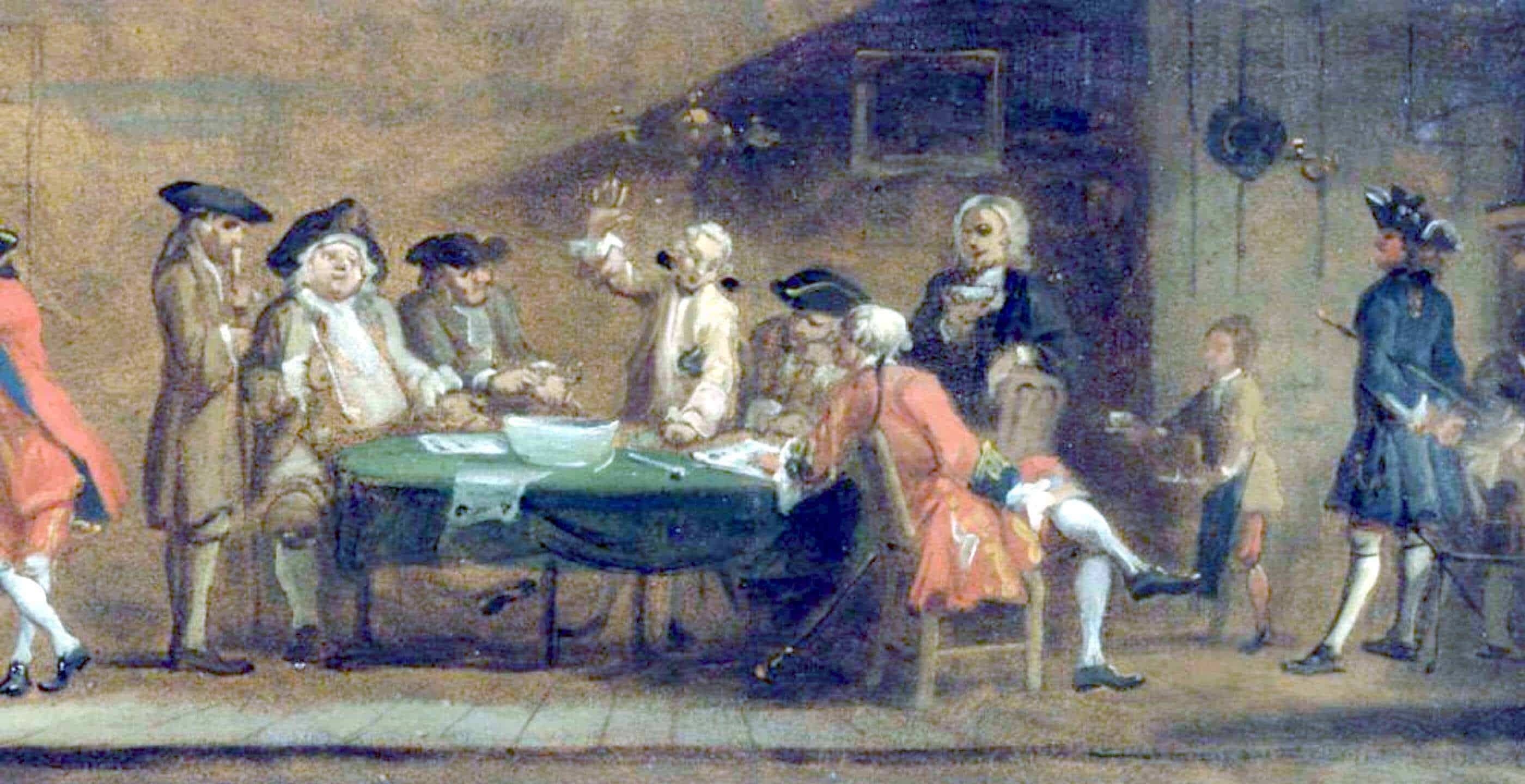
In 17th-century England, coffeehouses were dubbed 'penny universities' because for just the price of a cup of coffee—penny—anyone could engage in lively discussions and access newspapers and pamphlets[2]. This low entry fee democratized knowledge and conversation, allowing people of varied backgrounds to connect over ideas, from politics to literature, fostering an environment rich in intellectual exchange[4].
Today’s coffeehouse culture reflects similar dynamics, providing communal spaces that encourage dialogue and exchange. However, just like in the past where women and some social classes were often excluded, modern coffeehouses can sometimes unintentionally perpetuate exclusivity through trends that cater to specific demographics[3][2].
Get more accurate answers with Super Pandi, upload files, personalized discovery feed, save searches and contribute to the PandiPedia.
Let's look at alternatives:
- Modify the query.
- Start a new thread.
- Remove sources (if manually added).