Why do abandoned places feel creepy even in daylight?
The Psychology of Abandoned Places: Why They Feel Creepy in Daylight
Walking through an abandoned hospital, factory, or school can send shivers down your spine, even when the sun is shining brightly. Daylight is typically associated with safety, clarity, and warmth, which makes the eerie sensation of a sunlit ruin feel entirely paradoxical. This phenomenon occurs because abandoned places fundamentally disrupt our normal expectations of what a lived-in environment should be. When we encounter a building that is crumbling or worn while the surroundings are otherwise bathed in light, our brains try to construct an internal map of the space using familiar cues, but instead, they find decay and emptiness.

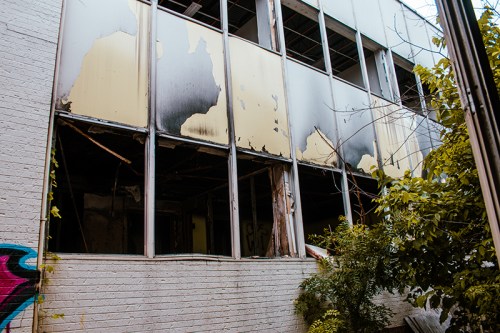
The creepiness we feel is not a supernatural occurrence, but rather a complex psychological response. It is driven by cognitive dissonance, evolutionary survival instincts, the unsettling nature of liminal spaces, and architectural theories that explain how our minds process spatial safety. By examining these psychological frameworks, we can understand why a harmless, empty room can trigger a profound sense of dread.
Disrupted Expectations and Cognitive Dissonance
Our cognitive processes are highly accustomed to well-organized, socially anchored spaces. We expect buildings to be functional, populated, and maintained. When these expectations are broken, it creates uncertainty about what might be hidden, triggering a subconscious warning system that is tuned to detect potential threats, even when nothing overtly dangerous is present. The stark contrast between an abandoned, decaying structure and our mental model of a building leaves us uneasy and hyper-aware, as our brain searches for explanations for what it cannot readily interpret.
Environmental psychology research demonstrates that spaces which deviate markedly from what we consider ideal or familiar can activate negative emotional responses[5]. Even when bathed in daylight, the stark evidence of neglect produces an emotional response similar to that elicited by situations with unclear or diminished controllability, reinforcing the eerie mood we experience.
- Interrupted Activity: Objects left behind abruptly, such as half-finished meals or scattered paperwork, evoke memories of life now faded or disrupted.
- Unusual Textures: Peeling paint, rusted metal, and shattered glass replace the smooth, clean surfaces our brains associate with safety.
- Lighting Discrepancies: Even in daylight, shadows fall in unnatural ways due to broken architecture, creating visual ambiguity.
Evolutionary Roots of the "Creepiness Detector"
Evolutionary psychology explains our fear of abandoned or decaying environments as an adaptive response meant to help us detect and avoid potential threats. In our ancestral past, places that appeared derelict or neglected likely signaled that the environment was unstable or unsafe. These areas might have featured structurally unsound shelters, hidden predators, or locations harboring disease. Our brains evolved to rapidly form internal maps of our surroundings, and any deviation from the expected order creates mismatches in our prediction system, which in turn triggers a subtle but persistent fear response.
The Brain's Threat Detection System
An abstract, conceptual illustration of a human brain glowing with alert signals while processing a fragmented, decaying architectural space.
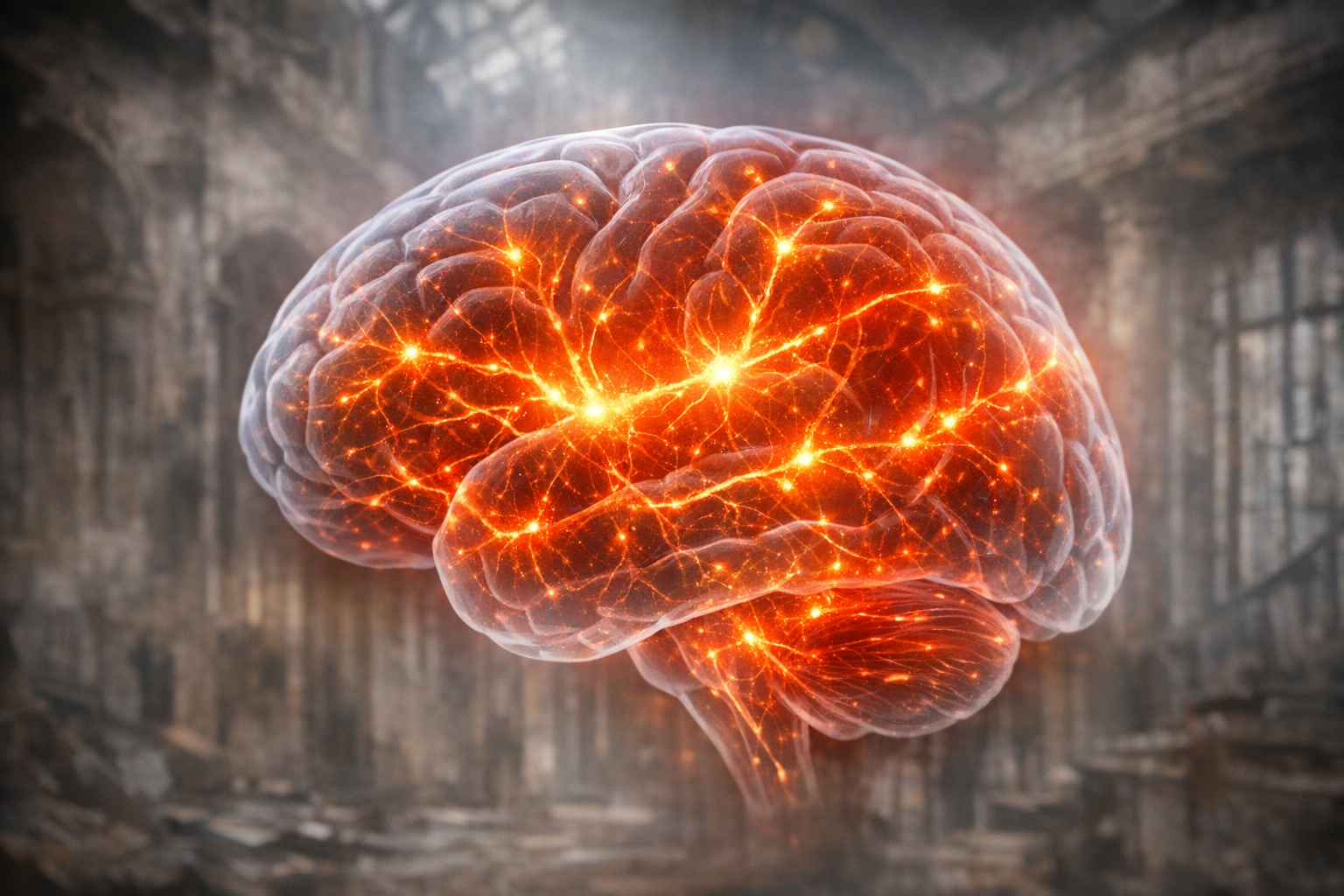
This response is not solely about immediate danger, but rather about the uncertainty that abandoned spaces evoke. When a building is left to decay, the normal cues that inform us about safety and direction are missing or distorted. This ambiguity leaves our brain in a state of unrest, often described as a cognitive prediction error where things seem almost familiar yet unsettling. Our "creepiness detector" evolved specifically to deal with these ambiguous threats, maintaining a state of heightened vigilance when clear danger is not present[4].
| Threat Type | Psychological Trigger | Human Response |
|---|---|---|
| Clear Danger | Visible predator, collapsing roof, fire | Immediate fight-or-flight response, panic, quick action[10]. |
| Ambiguous Threat (Creepiness) | Unexplained noises, empty spaces, decay | Heightened vigilance, mild anxiety, hyper-awareness, unease. |
Interestingly, these environments often evoke a dual emotional experience. On one hand, they trigger fear and caution; on the other, the sense of mystery and the collision between memories of the past and present can lead to a compelling fascination. This mixed response is rooted in our evolutionary need to monitor environments for both danger and opportunity[11].
The Unsettling Nature of Liminal Spaces
Abandoned buildings feel eerie in part because they act as liminal spaces. These are areas originally meant for transition and human activity that, when emptied, break our usual expectations of how a place should feel. In a normally active environment such as a hallway, lobby, or corridor, the sudden disappearance of people creates a disruption in the familiar spatial narrative, triggering cognitive dissonance and an uncanny sense of being in an in-between state[6].
Understanding Liminal Spaces
These videos explore the psychology behind liminal spaces and why empty, transitional areas evoke a sense of dread.
Without the human presence that grounds these spaces, the building’s features take on a ghostly, almost otherworldly quality. Our brains struggle to reconcile the architectural familiarity of a hallway with its present, unnatural emptiness. This ambiguity, where a once-active space lingers in a state of abandonment, mirrors our own sensations during periods of transition and loss, intensifying the overall feeling of isolation and unsettlement[8].
Architectural Uncanny Valley and Prospect-Refuge Theory
Two prominent theories further explain the creepiness of abandoned buildings: the Uncanny Valley effect and Prospect-Refuge Theory. The Uncanny Valley effect, typically applied to robotics and animation, tells us that when something appears almost familiar yet slightly off, it can trigger deep feelings of discomfort and revulsion[12]. In abandoned buildings, the once-normal architectural elements are now decayed or altered. They resemble their original design only partially, provoking a similar sense of disquiet as experienced when seeing a robot that is almost human but not quite perfect[15].
At the same time, Prospect-Refuge Theory explains that humans naturally seek out environments offering both unobstructed views (prospect) and safe hiding places (refuge) because, evolutionarily, these balanced conditions signaled security[16]. Abandoned buildings lack the active presence of human life and often show an unbalanced mix of open, uncontrolled spaces and neglected, insecure recesses. This imbalance of visual cues activates an ancient survival instinct that alerts us to potential threats, even when no immediate danger is apparent. Together, the near-human yet decayed features of abandoned structures and their failure to provide the balanced prospect and refuge our minds crave combine to create a setting that feels both unfamiliar and unsafe[14].
Conclusion
The fact that abandoned places feel creepy in broad daylight is a testament to the complexity of the human mind. It is not the darkness that scares us, but the profound disruption of our expectations. Through the lens of cognitive dissonance, we see how missing social cues confuse our internal mapping. Evolutionary psychology reveals that our unease is a highly adapted survival mechanism, keeping us vigilant in the face of ambiguous threats. Furthermore, the concepts of liminality, the Uncanny Valley, and Prospect-Refuge Theory illustrate how architecture itself can manipulate our sense of safety. Ultimately, an abandoned building is a physical manifestation of loss and uncertainty, triggering a primal warning system that no amount of daylight can completely silence.
References
Get more accurate answers with Super Pandi, upload files, personalized discovery feed, save searches and contribute to the PandiPedia.
Let's look at alternatives:
- Modify the query.
- Start a new thread.
- Remove sources (if manually added).
 Curated by Joan