A credible transition plan is more than disclosure
What separates a real climate transition plan from a glossy disclosure? CDP says it is a time-bound action plan that shows how the business will shift assets, operations, and strategy toward a 1.5°C path, not just describe intent.[1]
🧵 1/5
Credibility also needs targets and proof: near-term science-based targets, long-term targets to net zero by 2050 at the latest, and verifiable, quantifiable KPIs that are tracked regularly.[2]
🧵 2/5
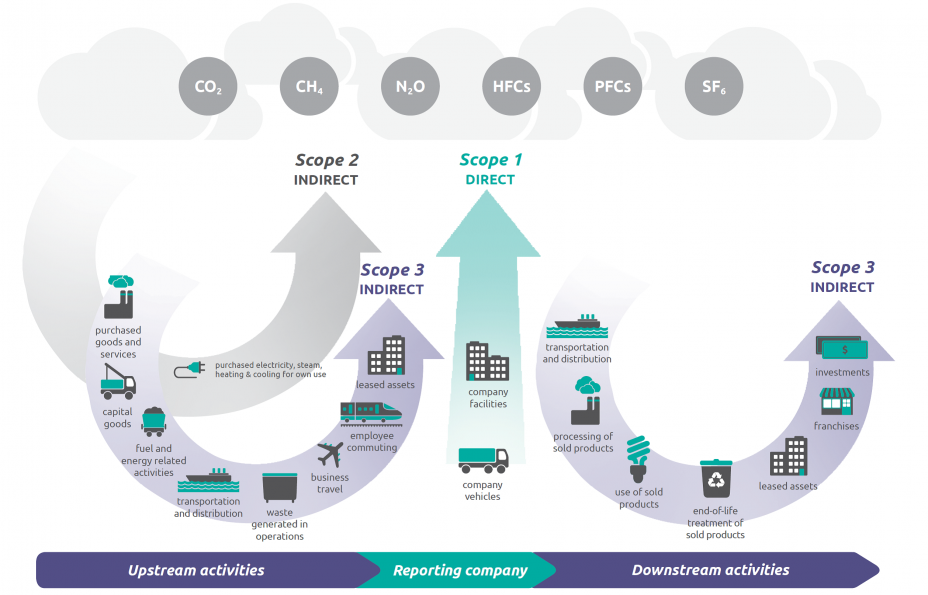
A plan is weak if Scope 3 is vague. CDP wants all material Scope 3 categories calculated and disclosed, while the GHG Protocol says methods should reflect data availability, quality, cost, and effort.[3][4][5]
🧵 3/5
Better data raises credibility, but perfection is not required on day one. The GHG Protocol supports supplier-specific, hybrid, average-data, and spend-based methods, and says proxy data or sampling can be used when higher-quality data are not yet available.[6][7][8][9]
🧵 4/5
Bottom line: a credible transition plan is governed, integrated, and trackable. CDP wants board and C-suite accountability, mainstream filing and financial planning integration, regular review, and a complete annual Scope 1, 2, and 3 inventory to show progress.[10][11][12][13]
🧵 5/5
Sign Up To Try Advanced Features
Get more accurate answers with Super Pandi, upload files, personalized discovery feed, save searches and contribute to the PandiPedia.