What are the easiest signs that a piece is 1980s Art Deco revival rather than
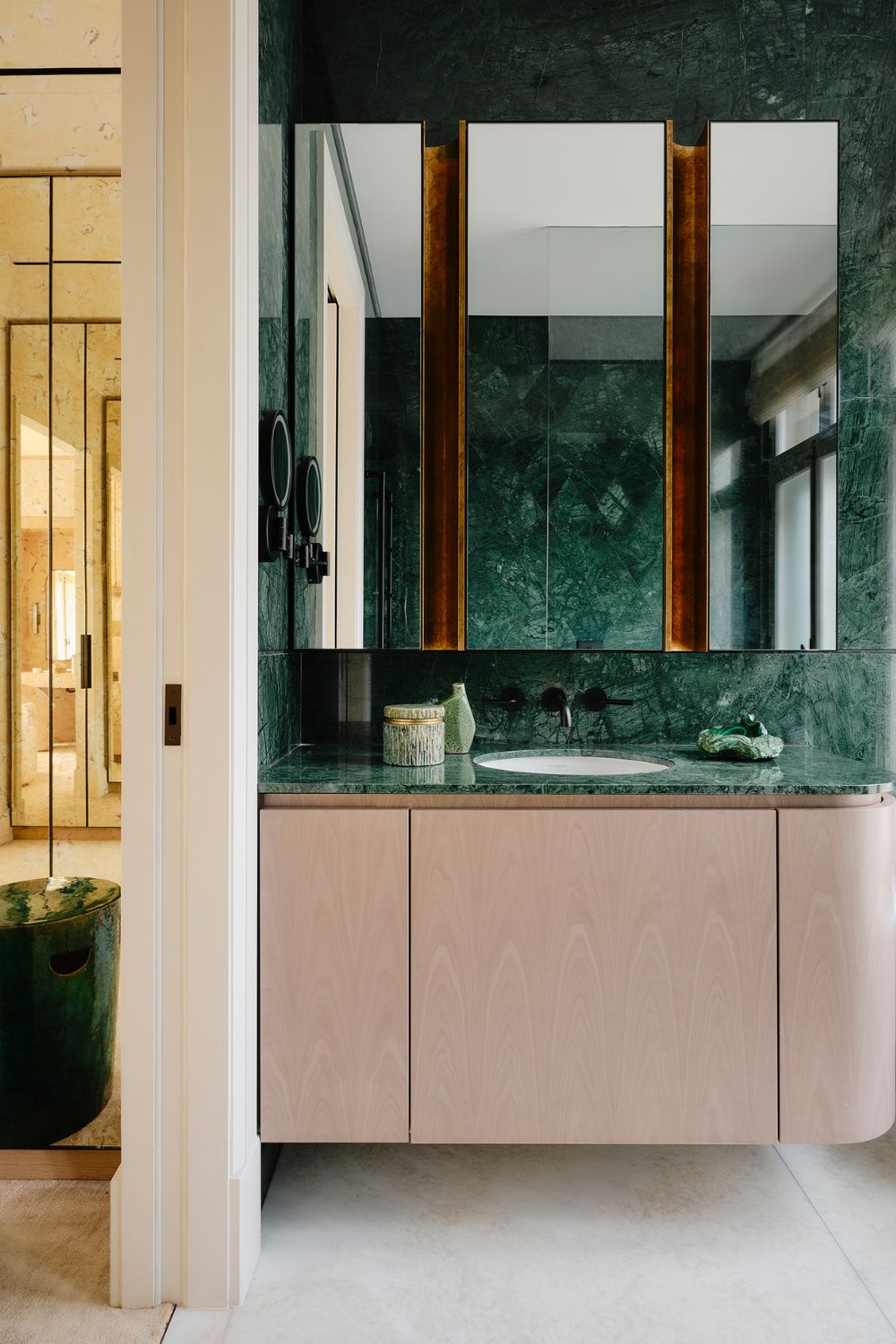
Distinguishing 1980s Art Deco revival pieces from the 1920s original is all about identifying materials and intent. While the 1920s focused on luxury, craftsmanship, and rare woods like ebony, the 1980s revival favored mass production, colored plastics, laminates, and mirrored surfaces[2]. Look for exaggerated, flashy curves and playful, kitschy silhouettes rather than the meticulous, symmetrical geometry of the inter-war years[2]. If a piece features neon accents, soft pastels, or a focus on pure spectacle over function, it is likely a product of the 1980s consumer age[2].
You can confidently incorporate revival pieces by treating them as intentional statement items rather than trying to pass them off as antiques[2]. Focus on their bold, theatrical energy to anchor a room, pairing them with modern elements to highlight their playful, remix-style nature[2].
Get more accurate answers with Super Pandi, upload files, personalized discovery feed, save searches and contribute to the PandiPedia.
Let's look at alternatives:
- Modify the query.
- Start a new thread.
- Remove sources (if manually added).