100
Art Deco vs Bauhaus: spot the difference fast


🧵 1/6
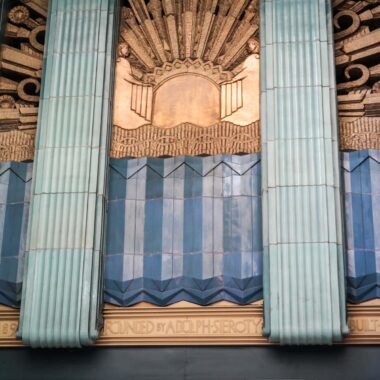
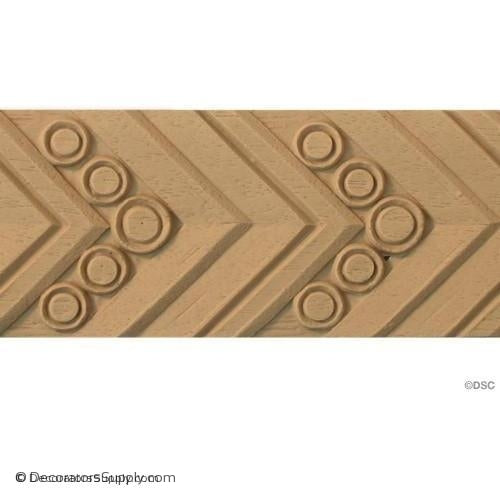
🧵 2/6


🧵 3/6


🧵 4/6


🧵 5/6

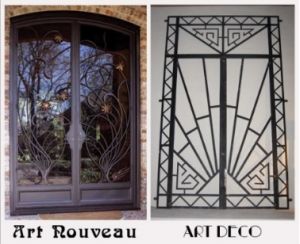
🧵 6/6
Sign Up To Try Advanced Features
Get more accurate answers with Super Pandi, upload files, personalized discovery feed, save searches and contribute to the PandiPedia.
Sorry, Pandi could not find an answer.
Let's look at alternatives:
- Modify the query.
- Start a new thread.
- Remove sources (if manually added).
Related Content From The Pandipedia
What is Streamline Moderne, and how is it different from Art Deco?A thread on how Art Deco shaped the modern hotel lobbyHow to read Art Deco building letteringWhat's the story behind Vicks Vapour Rub?A thread on the secret Art Deco materials you should know (and how to spot them)Why does reeded and fluted glass feel so Art Deco, and where can you use it in a12 overlooked Art Deco details to spot on a city walk. Write it as a practical checklist thread that trains the eye beyond the obvious, with one detail per post. Include quick cues for where to look and why each detail mattered to the era.What lighting choices make an Art Deco room feel expensive instead of theme-party?How does humor impact psychological wellbeing?How do you mix Art Deco with mid-century modern without making the room feelHow can you make flat pack or budget furniture look subtly Art Deco withoutFrom preservation to Deco-Tech: Art Deco’s comebackHow can you add Art Deco vibes to a small apartment without making it feel cluttered?Why do people in Sardinia live up to 100 years old?How do you choose the right mirror shape for an Art Deco interior?