Step-by-Step Methods for DIY Landscaping
Creating a DIY landscape can be a fulfilling yet daunting task, especially for those starting from scratch. Below is a cohesive guide that outlines essential steps to help you design, plan, and implement your landscaping project.
Initial Planning and Assessment
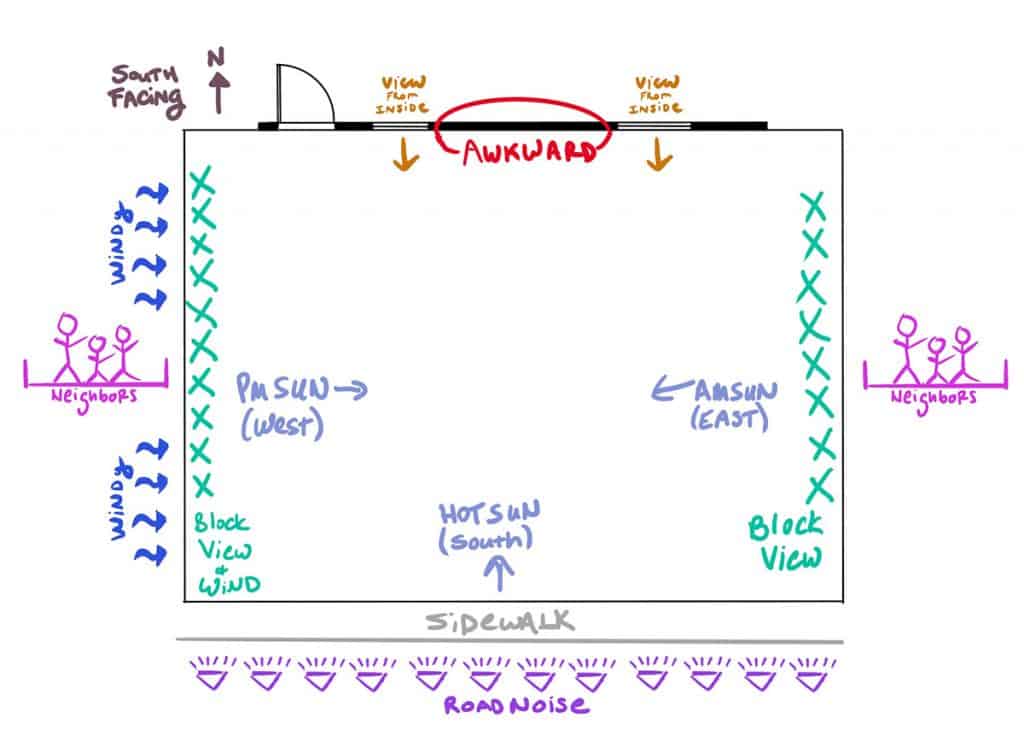
The first phase of your landscaping project involves careful planning and assessment of your site. It is crucial to clarify your landscaping goals, considering the overall design, desired aesthetic, and functionality. Here’s how to begin:
Clarify Your Goals: Determine what you want to achieve with your landscaping, whether it's enhancing beauty, creating functional spaces, or increasing property value[3].
Conduct Site Assessment: Assess your site’s characteristics, including soil quality, drainage, sunlight exposure, and existing features like trees or structures. This step ensures you understand the conditions you are working with[3].
Once you've gathered this information, create a rough sketch to visualize the area's layout and identify potential improvement zones.
Develop a Detailed Landscape Plan
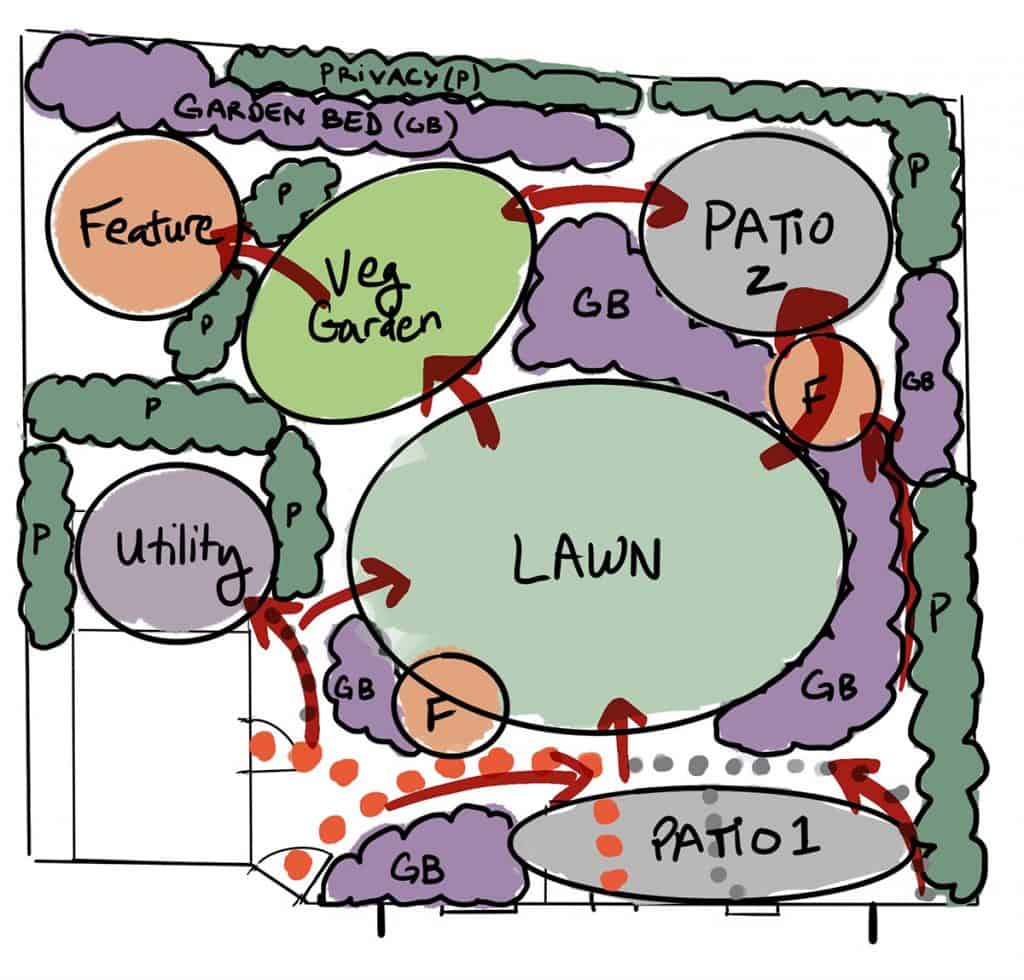
With your goals clear and your site assessed, the next step is to develop a comprehensive landscape plan:
Create a Base Plan: Trace over your initial sketch to create a base plan. Ensure to include existing elements like doors, windows, and trees[2].
Site Analysis: Note key factors such as sun and shade patterns, water flow, and any noise disturbances that may affect your landscaping[2].
Skeleton Plan: Draw a 'skeleton' plan highlighting opportunities and problems identified in your site analysis. Use colored notations to differentiate between issues and potential spaces for enhancement[2].
Design Execution
Once your planning is comprehensive, you can start putting your ideas into actionable designs:
Inspiration Gathering: Explore examples that take advantage of conditions similar to yours or address similar problems. Use platforms like Pinterest and Houzz to find designs that resonate with your vision[1].
Draft Initial Designs: Create a first draft by drawing over your skeleton plan, adding opportunities and solutions based on your research[2].
Refine Designs: Continue refining your design by exploring different configurations and making adjustments as needed until you reach a satisfying model[2].
Choosing Plants and Features
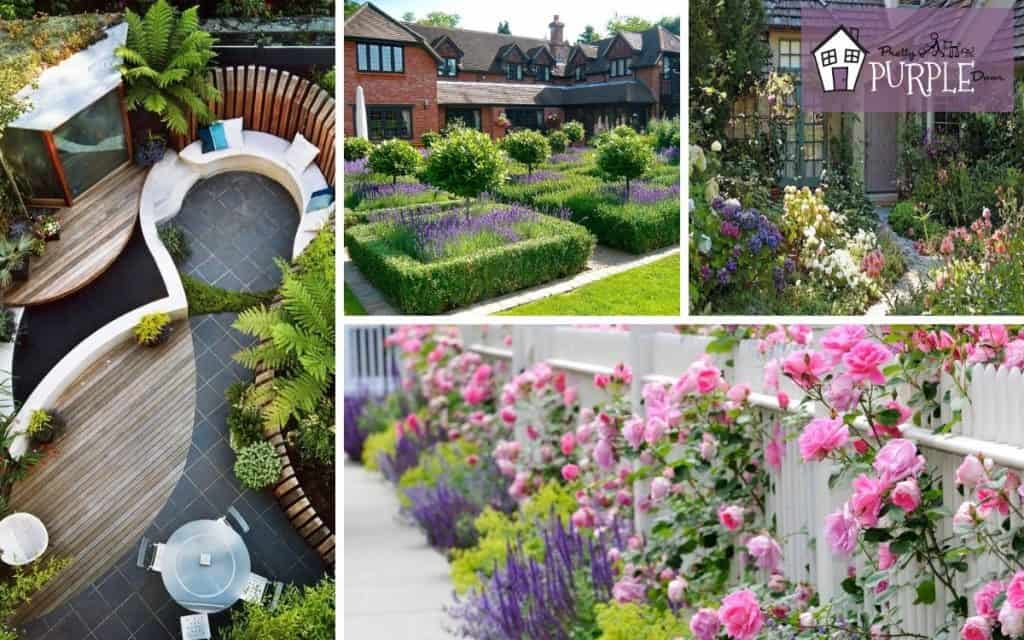
Selecting the right plants and hardscape materials is fundamental to achieving a successful landscape design:
Research Plant Options: Choose plants that are suitable for your climate and consider factors like sunlight and water needs. Aim for a diverse selection that encourages visual interest throughout the seasons[3][4].
Select Hardscape Elements: Include pathways, patios, retaining walls, and other hardscape features in your design. These components add functionality and enhance the overall aesthetic of your landscape[4].
Installation and Maintenance
Finally, it is time to implement your designs and ensure their longevity through proper maintenance:
Prepare the Site for Installation: Before planting, prepare the soil by testing its composition and making necessary amendments. This step can significantly impact plant health and growth[3].
Install Hardscapes: Begin with the installation of hardscape elements such as patios and pathways. Follow appropriate techniques for durability and safety[3].
Plant Installation: Follow your design plan to plant your chosen flora, adhering to recommended spacing and planting practices. Mulching around plants helps suppress weeds and retain moisture[3].
Establish Maintenance Routines: Regular maintenance is key to keeping your landscape thriving. This includes watering, fertilization, pruning, and pest control[3].
Final Thoughts
Designing and implementing a DIY landscape is an ongoing journey rather than a one-time event. As your landscape evolves, remain open to adjustments and enhancements that reflect your changing tastes and needs. Start with step one and enjoy the process of creating a space that is uniquely yours!
Get more accurate answers with Super Pandi, upload files, personalized discovery feed, save searches and contribute to the PandiPedia.
Let's look at alternatives:
- Modify the query.
- Start a new thread.
- Remove sources (if manually added).
 Curated by Joan