Pandipedia entry
Behind market intelligence is a normalization engine
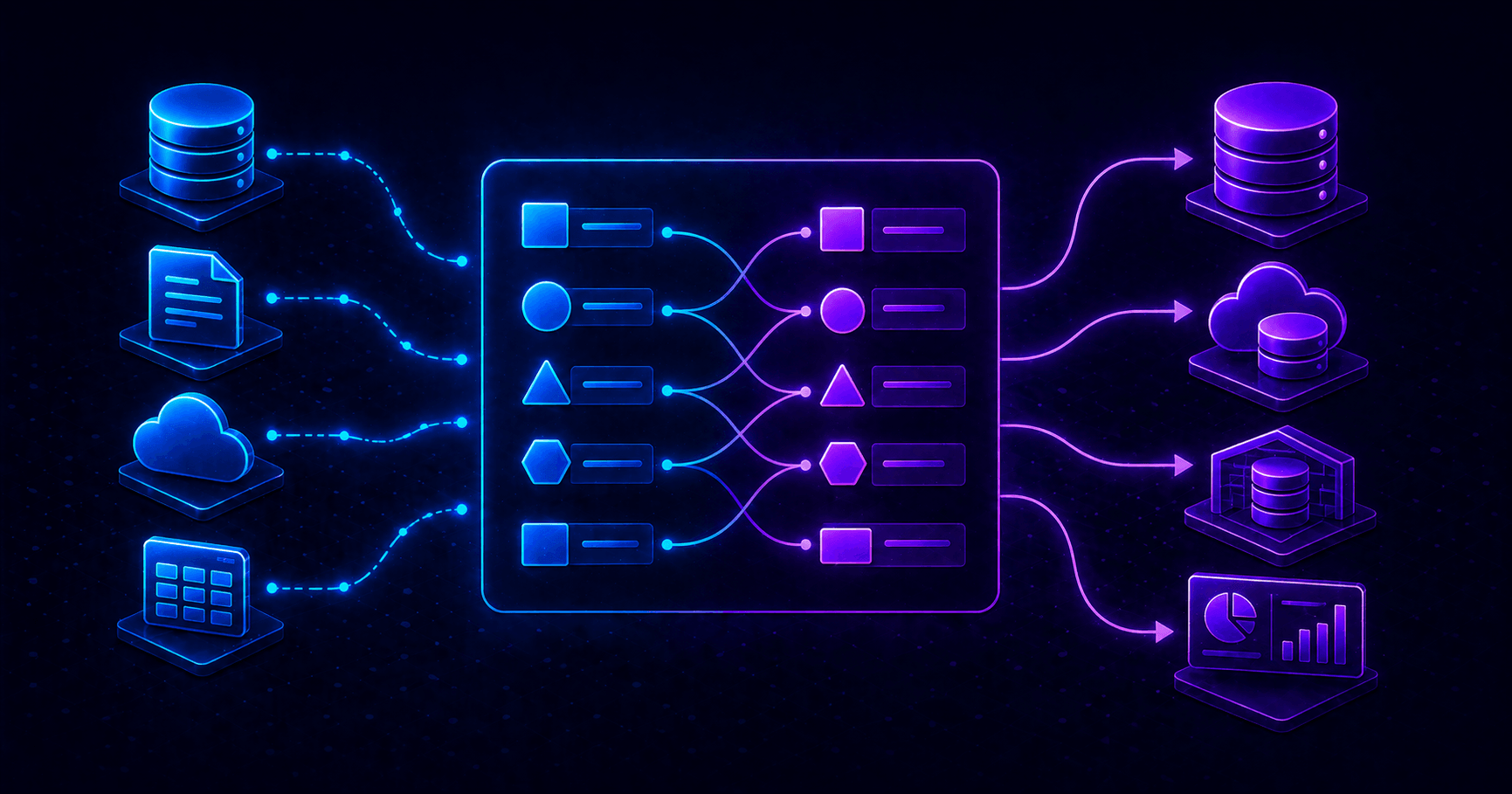
WO2015183098A1 describes a market-intelligence pipeline that gathers information from business sources, extracts entities and maps them to standardized IDs, placing data from different sources into a common structure. That normalization lets users compare and summarize information across sources, and analyze differences, statistics and trends. In the patent, NLP and machine learning support extraction and mapping; they are not described as the end product.
1/2
Sorry, Pandi could not find an answer.
Let's look at alternatives:
- Modify the query.
- Start a new thread.
- Remove sources (if manually added).