100

The Boomerang Nebula is colder than space itself

Space is cold, but one nebula beats even the Big Bang’s afterglow: the Boomerang Nebula. It’s the coldest known place in the universe, at about 1 Kelvin, or about -272°C. How does a cloud of gas get that frigid?[1][3]

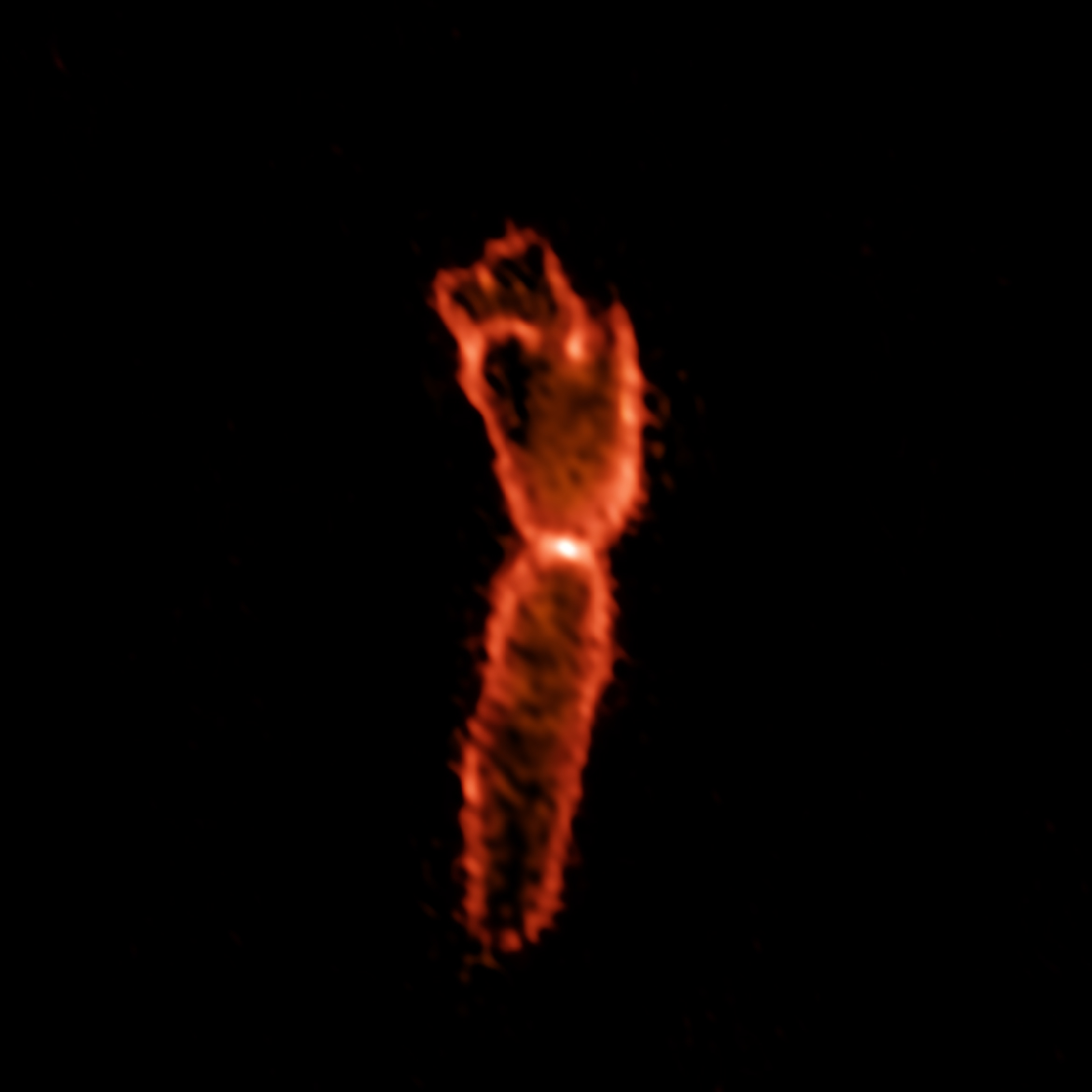
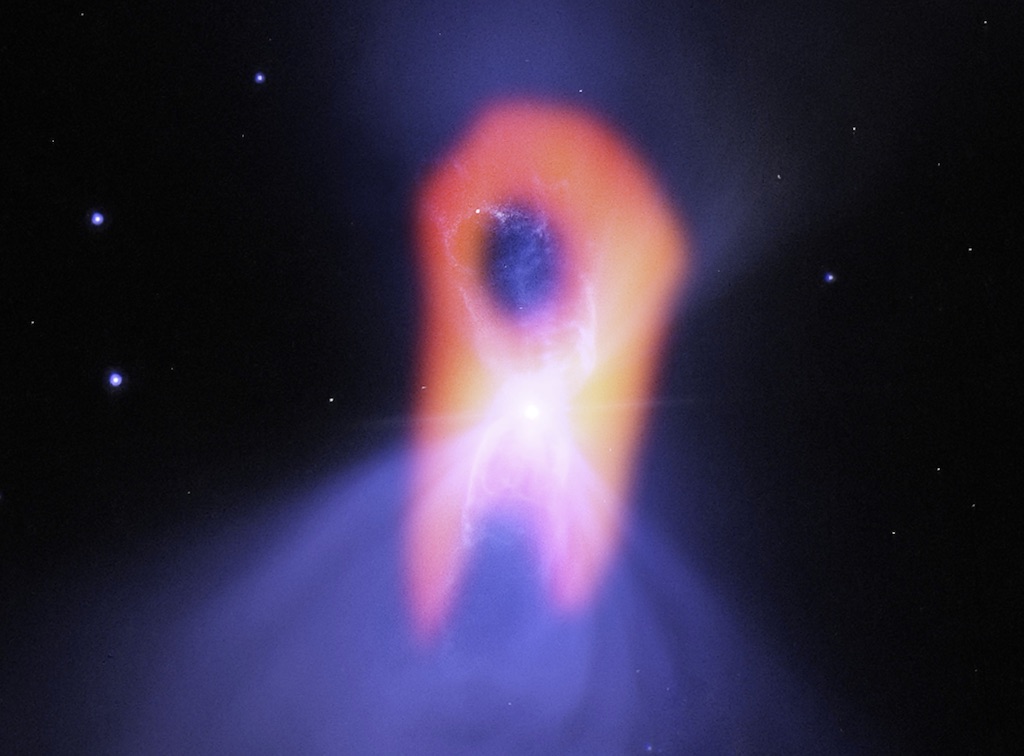
  • Boomerang Nebula as imaged by ALMA
  • The Boomerang nebula is the coldest natural place in the universe we know, and the first we found to be cooler than the cosmic background
🧵 1/5

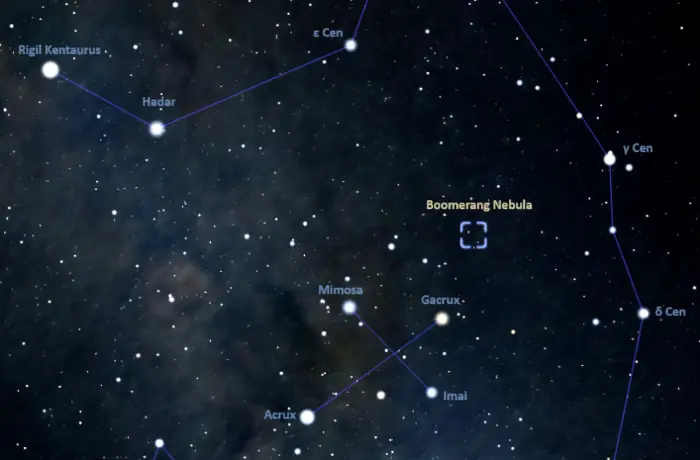
Location check: it sits about 5,000 light-years away in Centaurus, and it is colder than the cosmic microwave background, the faint glow left from the Big Bang. That means it is literally colder than the background temperature of space.[3][2]

  • 2023 map of the CMB.
  • how to find the boomerang nebula,where is the boomerang nebula in the sky
🧵 2/5

Why so cold? The star at its center is blasting gas outward at extreme speed, and that rapid expansion cools the nebula, much like gas cooling in a refrigerator. NASA says the outflow is what makes the region so chilly.[2][7][20]

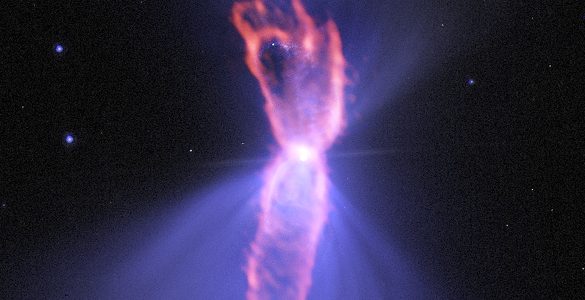
  • The Boomerang Nebula
  • Composite image of the Boomerang Nebula
🧵 3/5

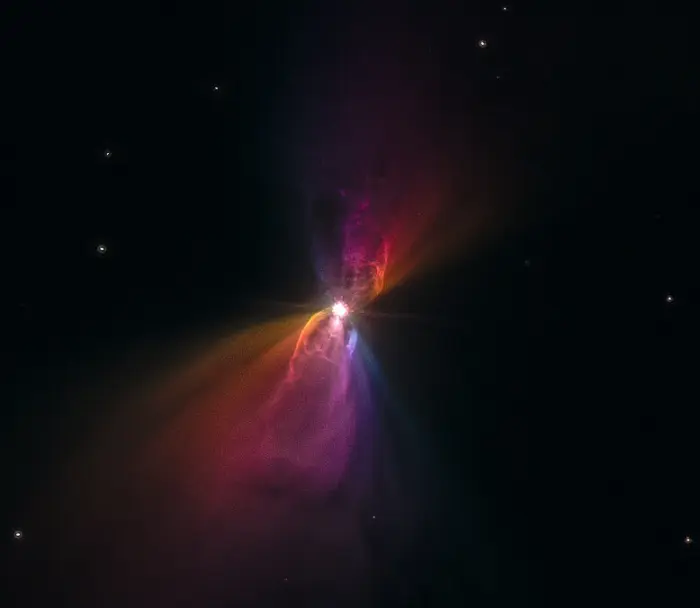
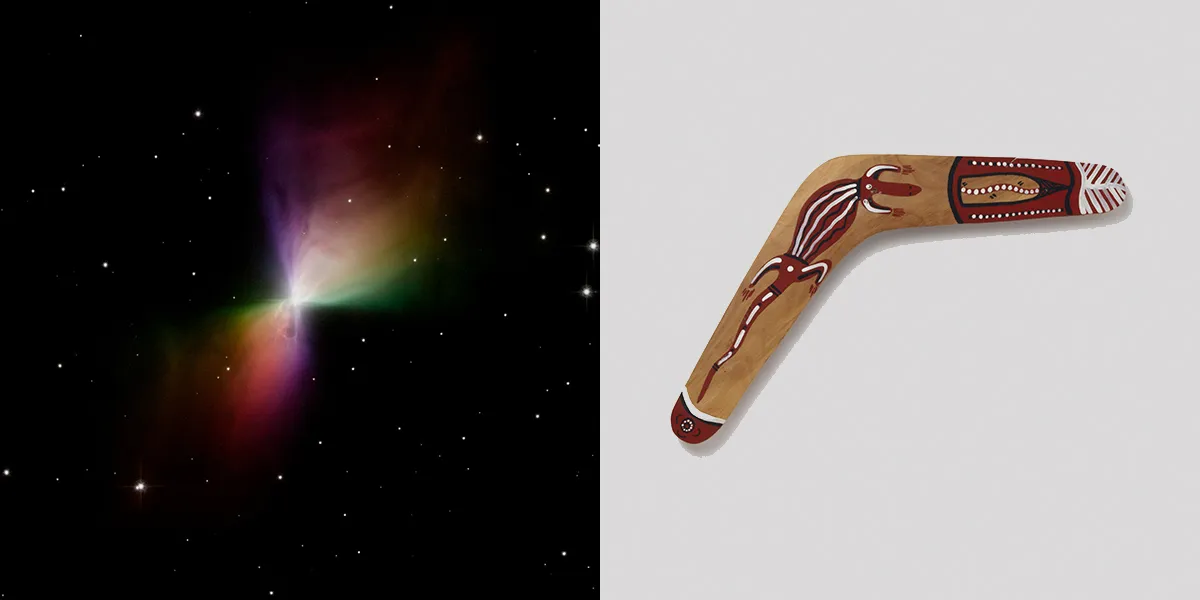
The shape is tricky, too. Early telescopes made it look boomerang-shaped, but Hubble and ALMA showed a broader hourglass or bipolar structure, with dust and cold gas shaping the light we see.[1][11][5]

  • boomerang nebula hubble
  • The coldest place in the Universe is the Boomerang Nebula, but does it really look like a boomerang? More recent observations of the nebula reveal it doesn’t bear much resemblance to a boomerang after all. Credit: NASA, ESA and The Hubble Heritage Team STScI/AURA; Michael Reusse / Getty Images
🧵 4/5

Why astronomers care: this nebula is a snapshot of a dying Sun-like star shedding its outer layers before becoming a white dwarf. It is a rare chance to study how stars die, cool, and reshape their surroundings.[5][11][6] Which fact surprised you most?[1]
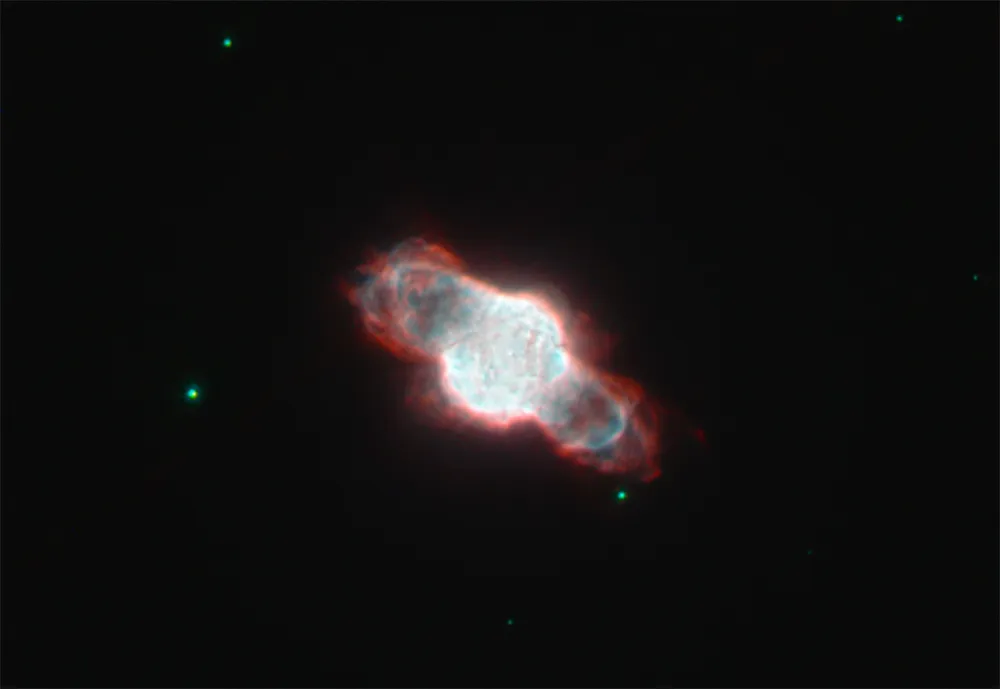
  • Planetary nebula NGC 6886, as seen by the Hubble Space Telescope. Credit: NASA/ESA Hubble
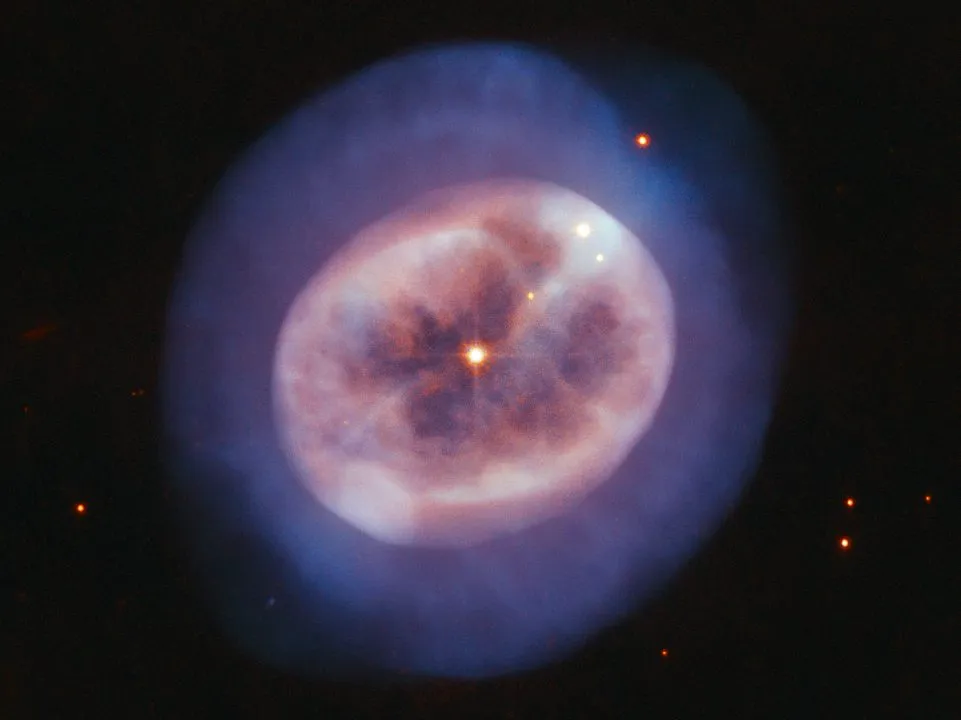
  • Many planetary nebulae are round, puffed-out objects like NGC 2022. Credit: ESA/Hubble & NASA, R. Wade
🧵 5/5
Follow Up Recommendations