100
How the Venus's Fly-trap Catches and Digests Its Prey

How does a plant catch its prey? 🌿 The Venus's Fly-trap has three delicate, hair-like organs on each lobe. An insect can hardly traverse it without interfering with one of them.
Snap! 💥 The two sides of the leaf suddenly collapse, enclosing the prey with a force surpassing an insect's efforts to escape. The fringe of hairs interlaces like the fingers of two hands clasped together.
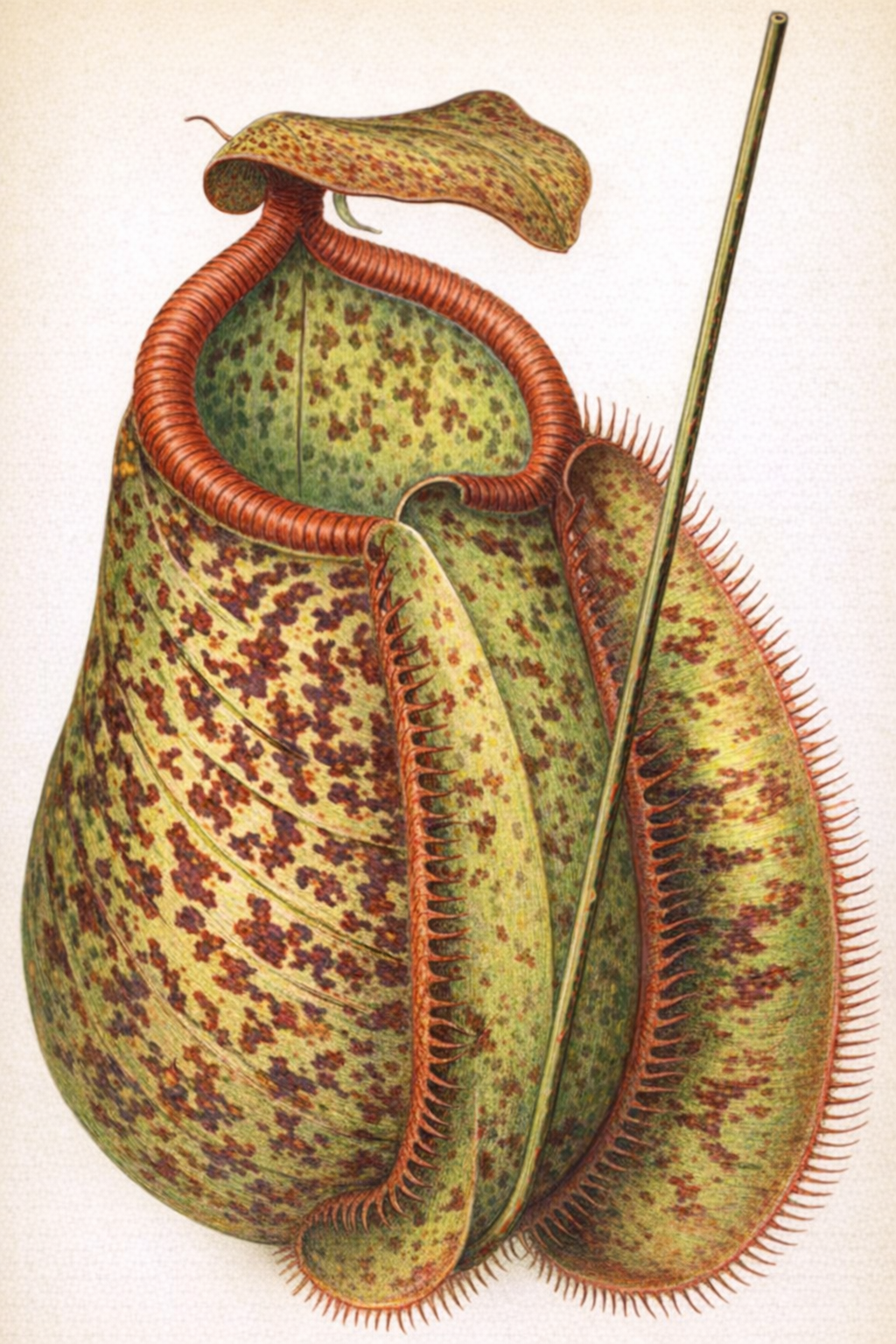
The trap becomes a stomach! 🍽️ The leaf's glands pour out a fluid of mucilaginous consistence, which seems to act as a solvent, consuming the insect. This fluid is analogous to the gastric juice of animals.
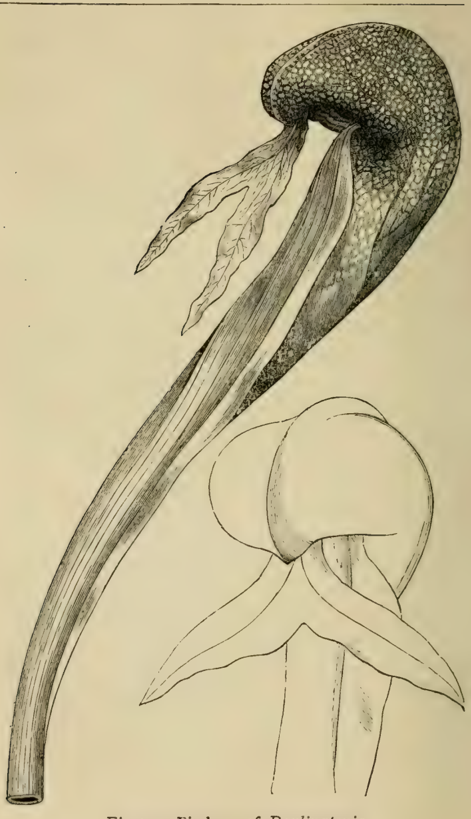
A nourishing meal! 🌿 The dissolved prey is absorbed, and the leaf eventually opens again with a dry surface, ready for another meal, though with an appetite somewhat jaded. Save this post! 🔖
Save this answer
Create your account to keep this answer and continue from it later.
Sorry, Pandi could not find an answer.
Let's look at alternatives:
- Modify the query.
- Start a new thread.
- Remove sources (if manually added).
Related Content From The Pandipedia
Rafflesia: a botanical cabinet of wondersPrime-Number Swarms: The Cicada SpectacleHow did the Aye-Aye use its strange middle finger?. Explain the Aye-Aye as a nocturnal Madagascar animal whose ears, teeth, hands, and hind feet work together to find and extract wood-boring grubs. Emphasize the probe-like middle finger as the final instrument in a coordinated natural machine.AI Energy: Tiny Queries, Huge ScaleWhy shrikes impale preyThis Shrimp Makes a Fake GunshotHow did tiny coral polyps build entire islands?. Describe how each polyp secreted calcareous matter and occupied a small compartment within a connected colony. Then show how generations of polyps formed reef rings that trapped sediment, supported plants, and gradually helped turn lagoons into islands.What are different types of biomes?Why your compost pile stinks (and how to fix it)What was the peculiar lawsuit brought against caterpillars in 16th-century Savoy?. This question explores a bizarre historical legal case where caterpillars were put on trial for damaging vineyards. The outline will detail the proceedings, including the lawyers for the caterpillars and the eventual outcome.What was the true cause of the "Rain-tree" phenomenon in the Peruvian Andes?. This question seeks the scientific explanation for the observed "rain" from the Pithecolobium saman tree. The answer reveals it was due to cicadas sucking plant juices and squirting fluid.These sea creatures have more self-control than youTop Books on Popular Science in 2024The Polecat's Living Larder