How does NASA current Moon to Mars architecture relate to the historical Design Reference Missions from the 1990s?
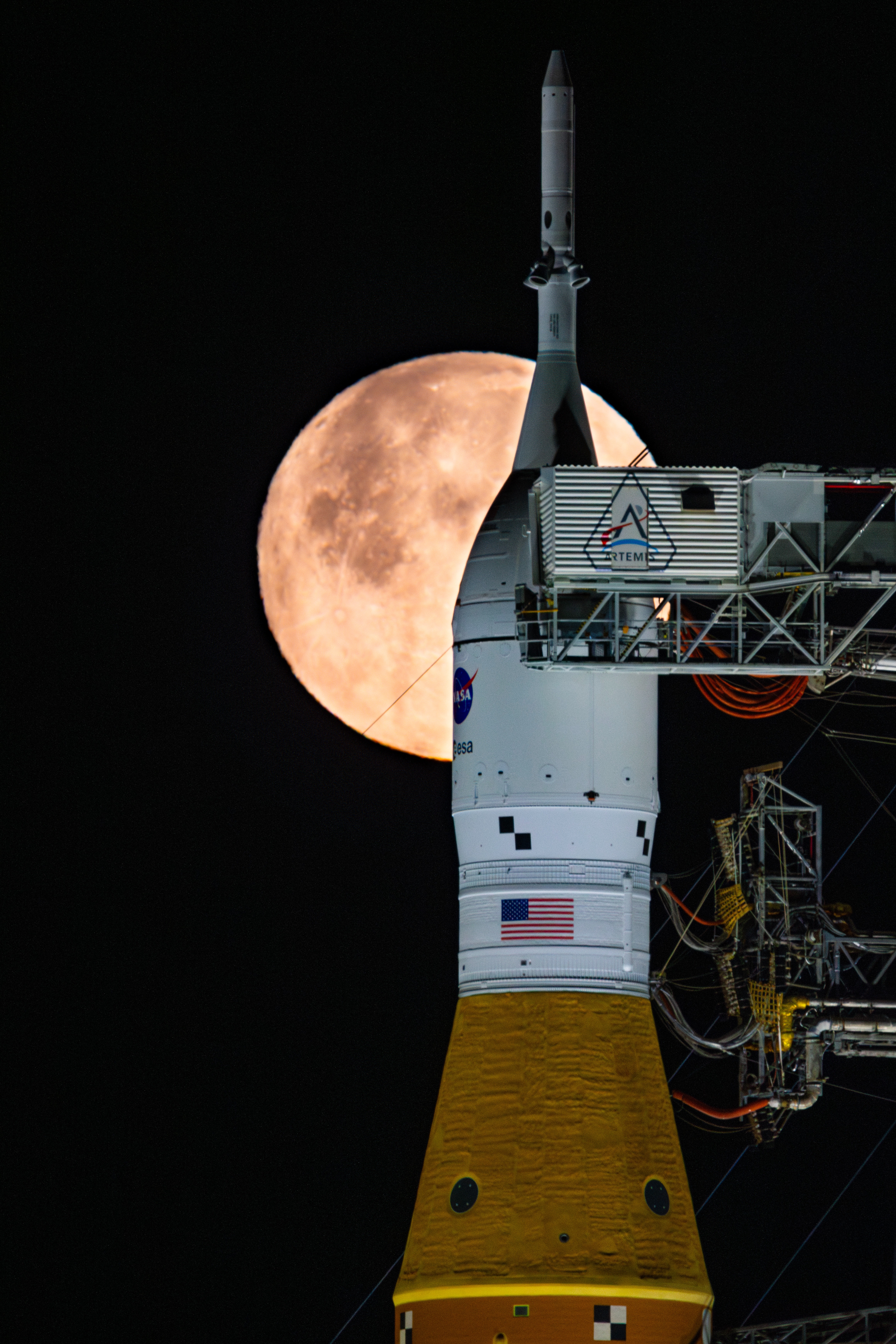
In 2024-2025, the biggest recurring topics around NASA’s Mars planning were the Moon-to-Mars strategy, in-situ resource utilization, radiation risk, and whether Artemis hardware and operations are building the right experience for Mars[1][8][18]. NASA describes Artemis as a step toward “the first crewed missions to Mars,” while its ISRU program is explicitly framed as a way to reduce risk for future Mars missions by learning to produce water, oxygen, fuel, and construction feedstock from local resources[1][2][8].
A major audience question is whether NASA is really preparing for Mars or mostly building a lunar architecture first. The sources show NASA’s answer is “both, but in sequence”: Artemis is the proving ground, Gateway was described as a testbed for future Mars journeys, and ISRU demonstrations on the Moon are meant to inform Mars systems and operations[1][14][8]. Another frequent question is what technologies matter most, and the sources point to excavation, regolith processing, cryogenic storage and transfer, surface power, and autonomous long-duration operations as the key gaps[2][9][10].
For SpaceX Starship, the headline topic in 2024-2025 was its role as NASA’s Human Landing System, not a Mars mission yet. NASA says SpaceX’s Starship HLS is intended to land Artemis astronauts on the Moon, with an uncrewed demo before crewed use, and NASA also says this lunar work supports future Mars missions[12][1]. A closely watched audience question is how Starship’s refueling and mission architecture work, because the lunar lander concept depends on multiple supporting launches and propellant logistics rather than a single-launch landing[12][14].
Radiation protection is another major 2024-2025 topic. NASA and other medical sources emphasize that deep-space missions face galactic cosmic rays and solar particle events, that the risk is not fully solved, and that shielding, storm shelters, operational protocols, and biomedical countermeasures are all part of the planning conversation[18][17][19]. This leads to one of the most common questions from audiences: can humans safely spend months or years traveling to Mars? The sources do not give a yes-or-no answer, but they make clear that radiation remains one of the biggest open risks in mission design[17][19][20].
Another trend is debate over mission architecture and redundancy. NASA’s HLS page says the agency is pursuing multiple lander providers to increase competition, lower cost, and support recurring lunar landings, while the Artemis materials also frame those landers and surface systems as preparation for Mars[12][14]. In practice, the audience keeps asking whether the Moon-first approach is the fastest route to Mars, or whether it adds complexity; the sources show that NASA’s current logic is to use the Moon to mature technologies, especially ISRU, surface mobility, power, and long-duration operations[1][2][8].
If you want, I can turn this into a compact list of “top questions people are asking” versus “NASA’s current answers” for 2024-2025.
Get more accurate answers with Super Pandi, upload files, personalized discovery feed, save searches and contribute to the PandiPedia.
Let's look at alternatives:
- Modify the query.
- Start a new thread.
- Remove sources (if manually added).