How did the 1918 flu pandemic change public health and city life long after it
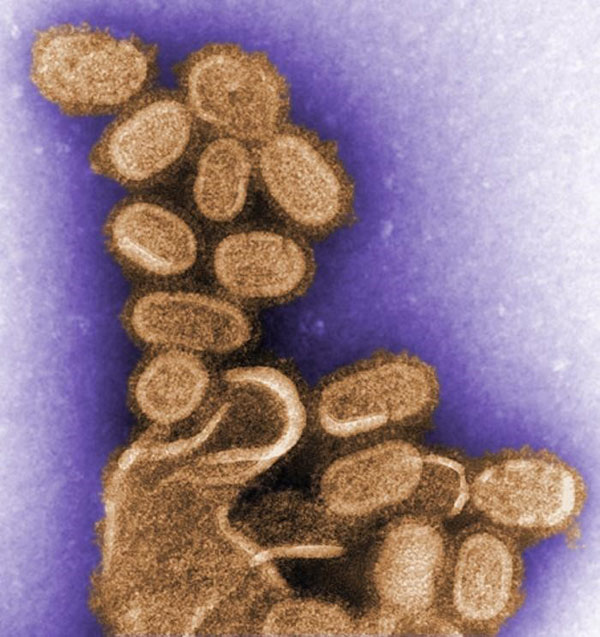
The 1918 pandemic fundamentally shifted public health by exposing the lack of coordinated response systems, as no centralized federal plans or diagnostic tools existed at the time[1]. In response, authorities eventually developed global surveillance networks, standardized pandemic frameworks, and improved laboratory capacity to track novel viruses[1].
These events forced a reevaluation of urban infrastructure and medical readiness, highlighting how overcrowding and limited healthcare services can overwhelm society[1]. Modern outbreak responses still echo these lessons, as current strategies rely on the same foundational goals of rapid surveillance and improved medical countermeasures established in the wake of that crisis[1].
Get more accurate answers with Super Pandi, upload files, personalized discovery feed, save searches and contribute to the PandiPedia.
Let's look at alternatives:
- Modify the query.
- Start a new thread.
- Remove sources (if manually added).