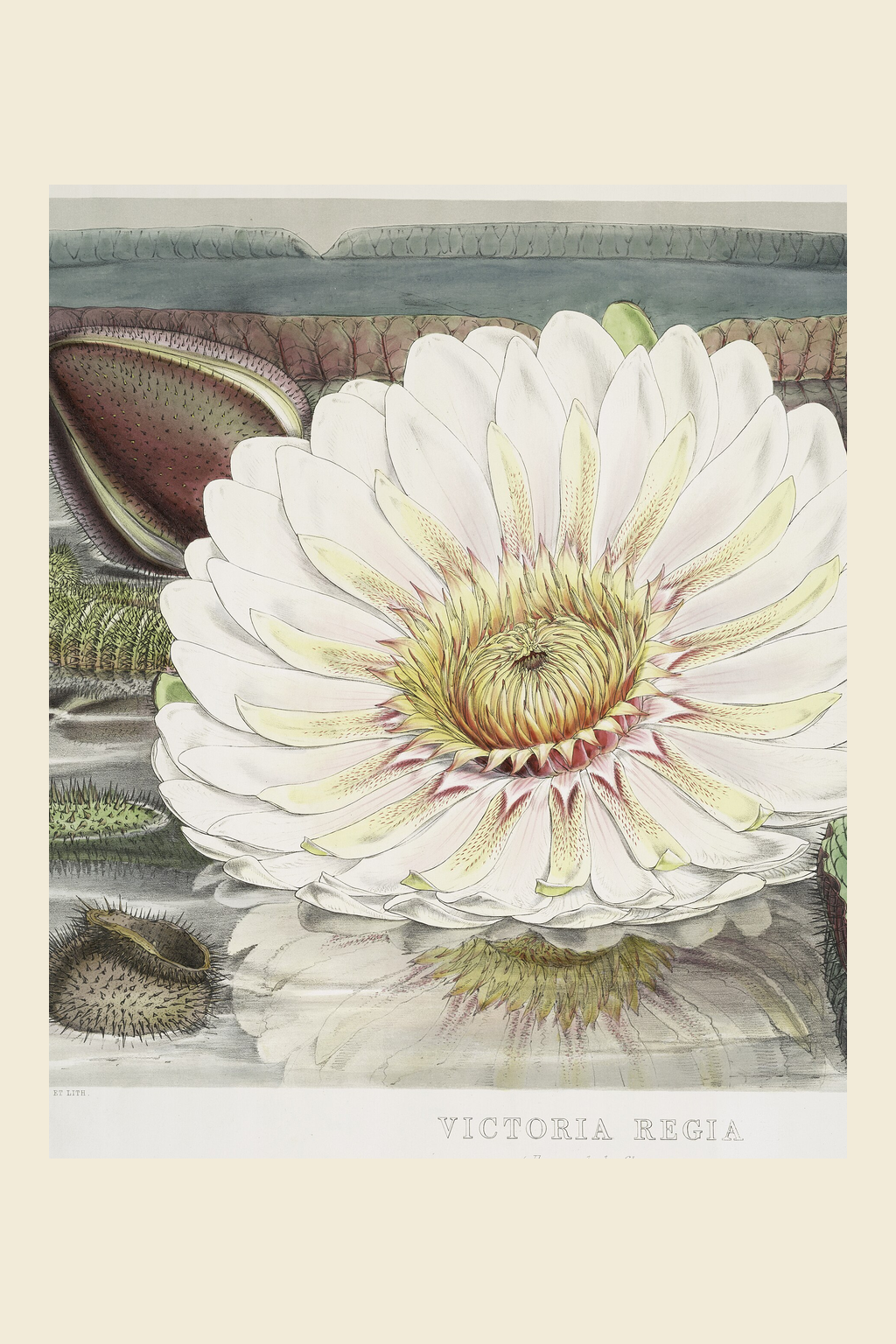
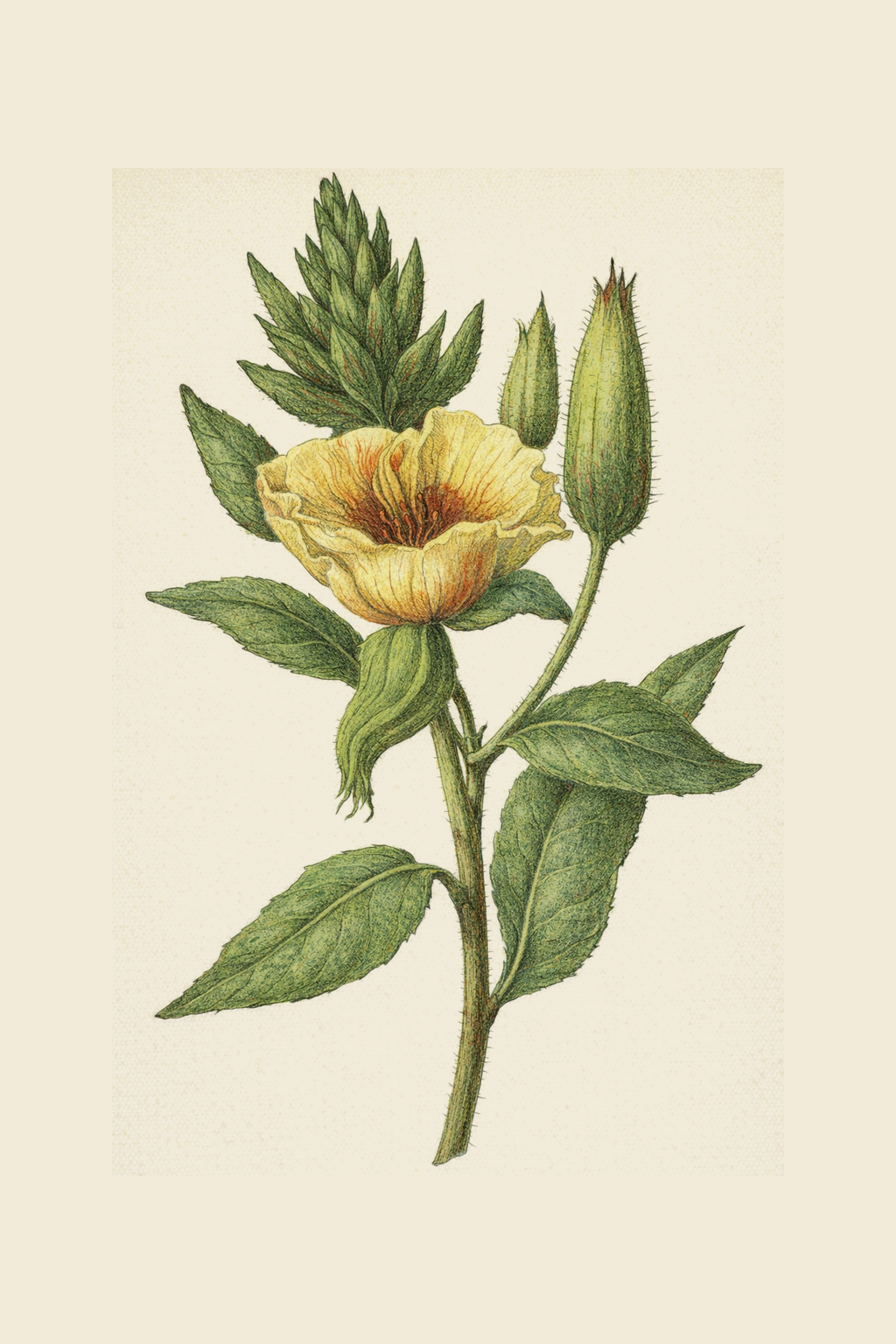
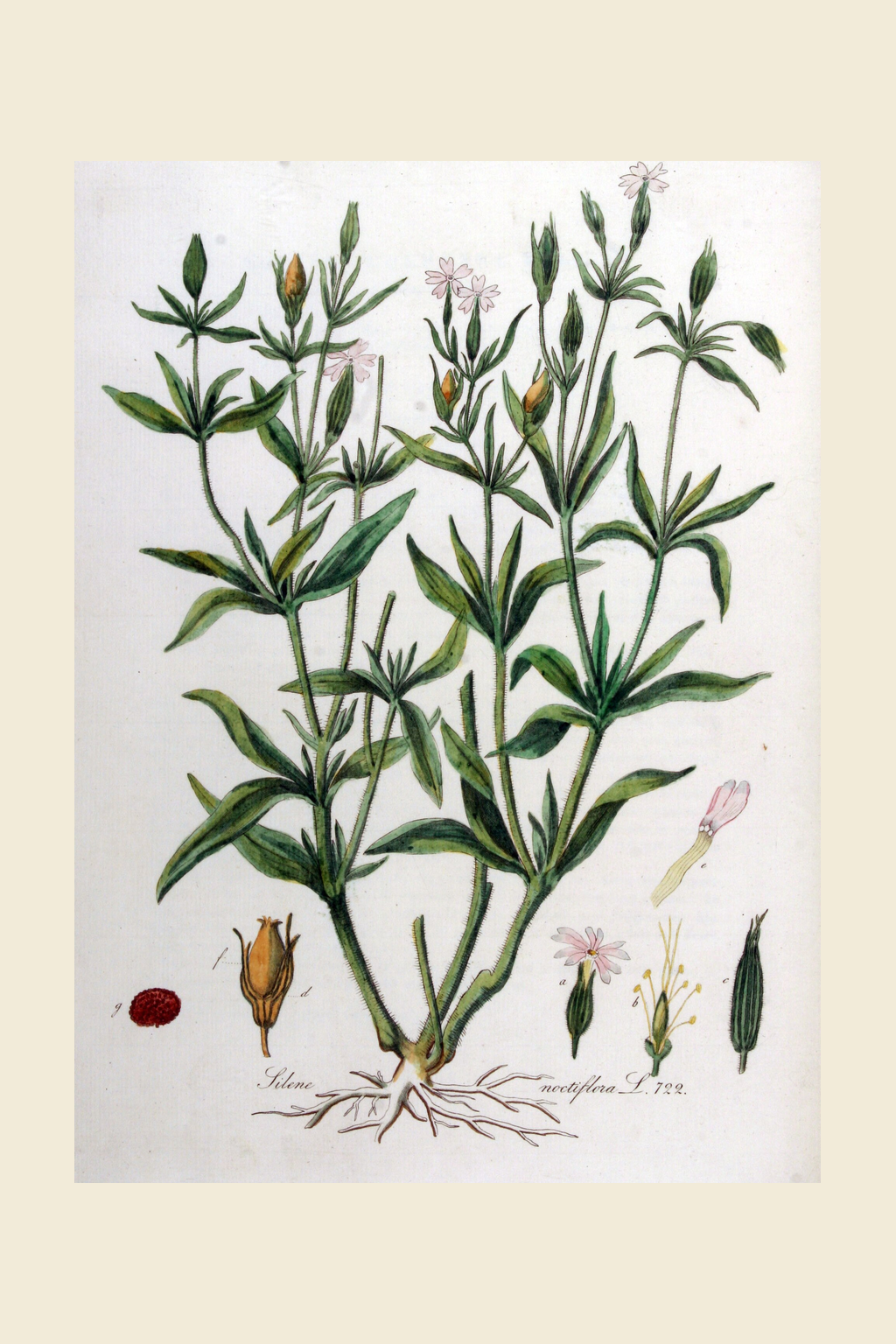
FLFreaks and Marvels of Plant Lifeby Pandi1mo1 source Bookmark Share Talk about this Copy Copy for Socials See In PandiPedia Manage Sources Download slidesFlowers that work the night shiftNight-blooming flowersThe great water-lily, Victoria regia, is “really nocturnal,” Cooke writes, and it is not alone. Some flowers save their show for the dark. 🌙Night-blooming flowersThe night-blooming cereus: to Cooke, “one of the finest, as well as one of the most fragrant of flowers.” 🌵Night-blooming flowersEvening primrose keeps most flowers shut by day. They open at six or seven in the evening, and then they are slightly fragrant. 🌼Night-blooming flowersThe catchfly appears at seven. Cooke's suggestion: in darkness beauty is “futile to attract,” so night bloomers compensate with delicious scent. ✨1 / 4Go to slide 1 of 4Go to slide 2 of 4Go to slide 3 of 4Go to slide 4 of 4Four flowers Cooke says open after dark, and his explanation: when beauty cannot be seen, scent does the work. A Victorian idea, told in his words. 🌙moreSorry, Pandi could not find an answer.Let's look at alternatives:Try Super Pandi (Recommended)Modify the query.Start a new thread.Remove sources (if manually added).✦Your algorithm
Night-blooming flowersThe great water-lily, Victoria regia, is “really nocturnal,” Cooke writes, and it is not alone. Some flowers save their show for the dark. 🌙
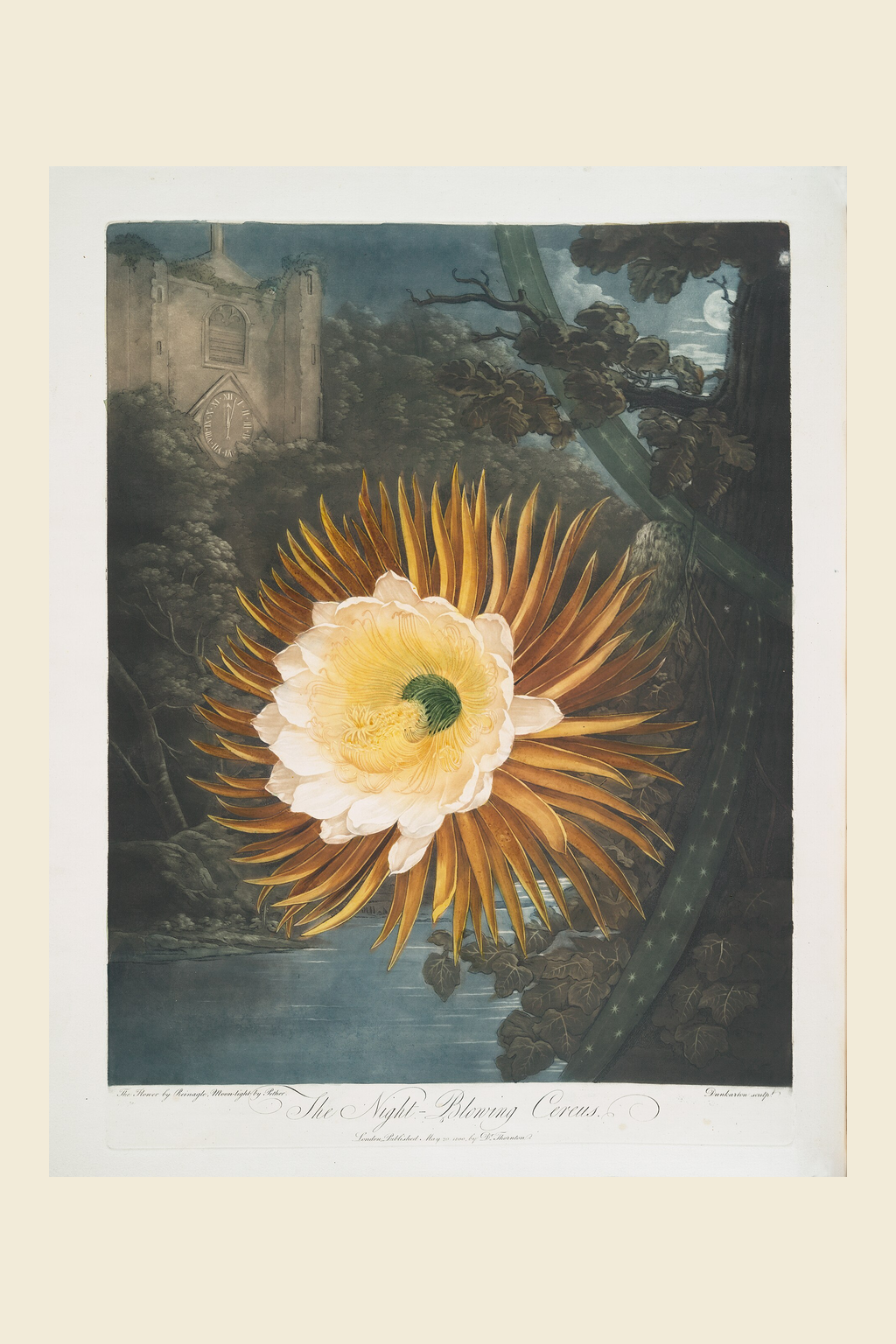
Night-blooming flowersThe night-blooming cereus: to Cooke, “one of the finest, as well as one of the most fragrant of flowers.” 🌵
Night-blooming flowersEvening primrose keeps most flowers shut by day. They open at six or seven in the evening, and then they are slightly fragrant. 🌼
Night-blooming flowersThe catchfly appears at seven. Cooke's suggestion: in darkness beauty is “futile to attract,” so night bloomers compensate with delicious scent. ✨