Discover Pandipedia
A growing directory of useful answers selected by the Pandi community. Search the collection or browse the latest discoveries.
2286 entries available

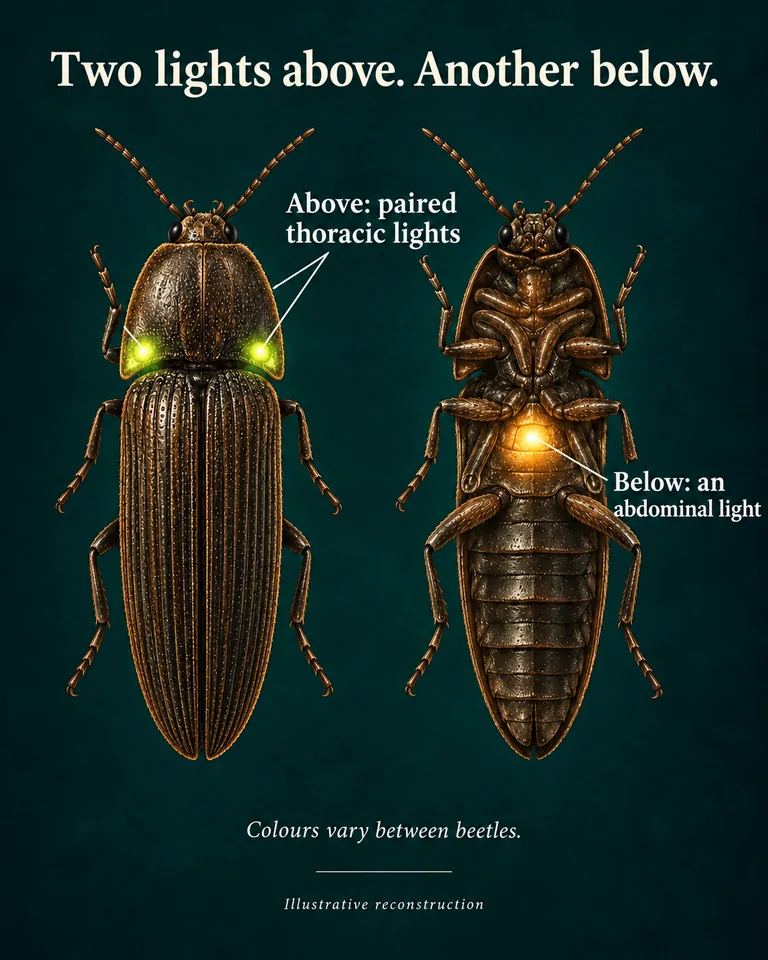
Two lights above. Another below.
Let's look at alternatives:
- Modify the query.
- Start a new thread.
- Remove sources (if manually added).
An aphid can carry two generations inside her
A colony of aphids can grow without a mating event for every new generation. During their asexual phase, female pea aphids give birth to live daughters from unfertilised eggs—a process called parthenogenesis.[1]
The surprise is inside the mother. Her developing daughter embryos can already contain embryos of their own. That puts a mother, developing daughters and the beginnings of granddaughters together in one body: telescoping generations.[2]
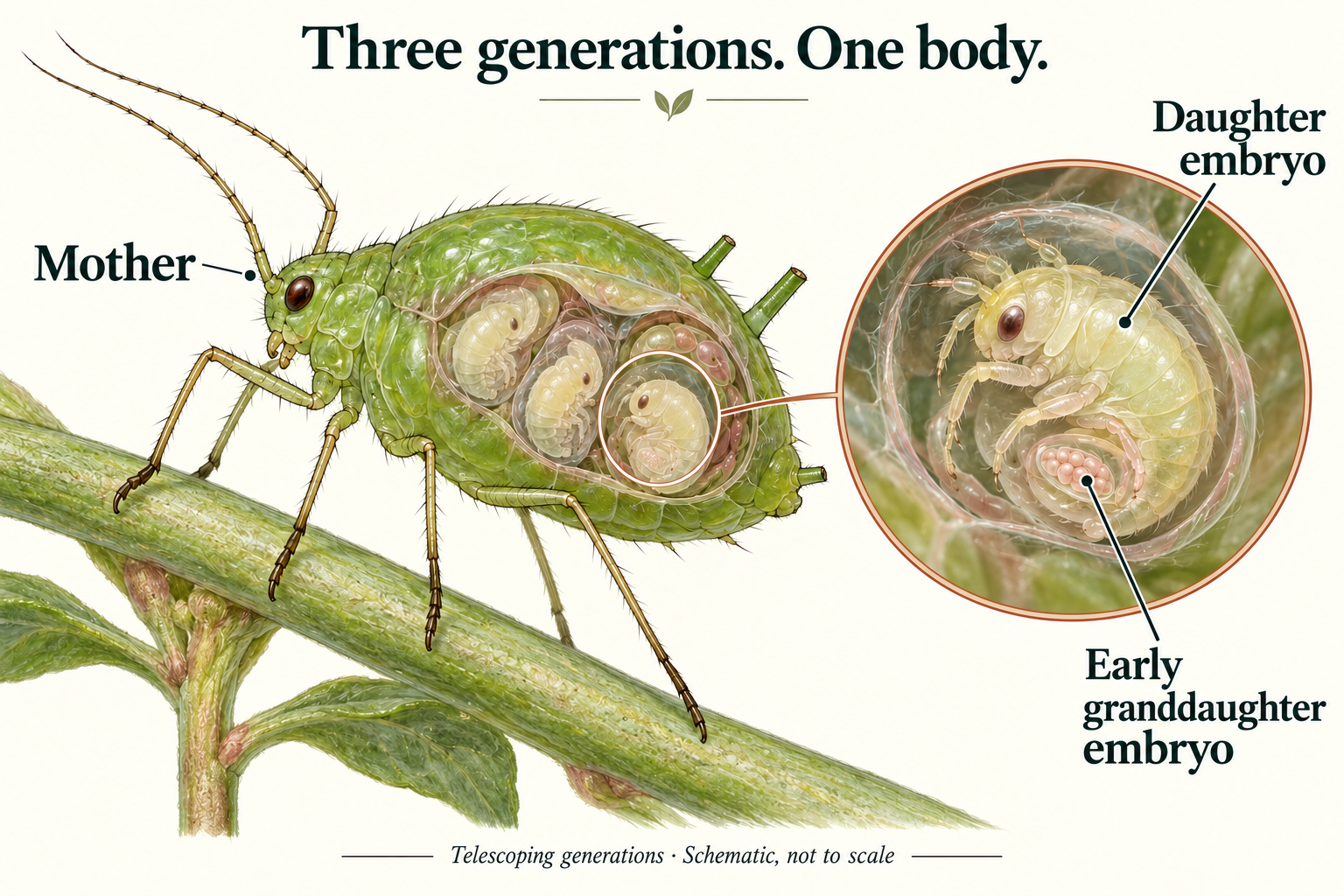
AI-generated explanatory illustration, not a photograph. Schematic details are not to scale. · Source
Overlapping development helps colonies grow quickly when a suitable plant becomes available. The next generation may already be developing before its mother has even been born.[3]
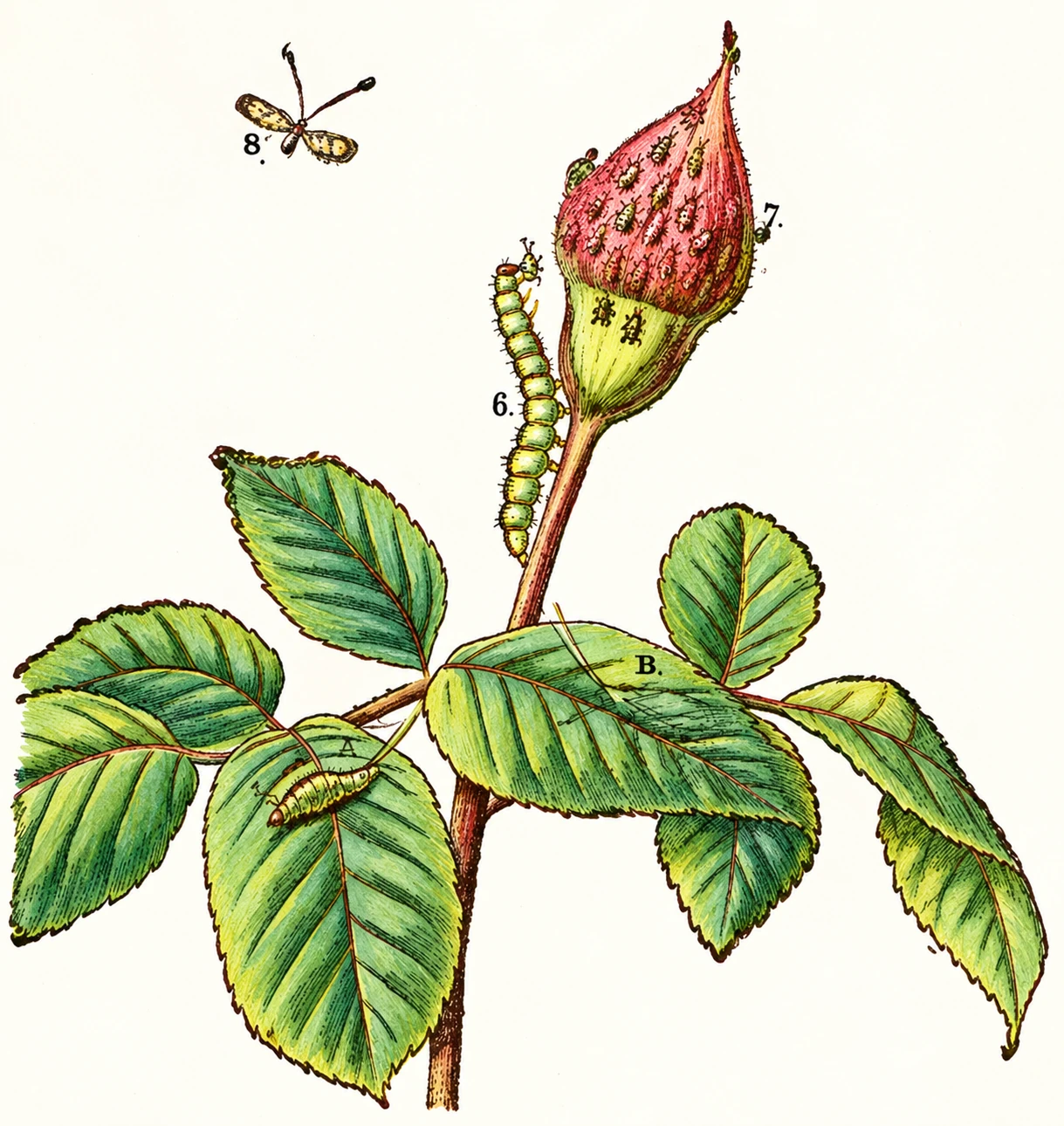
Historical book illustration, AI-assisted colour remaster. Colours are interpretive. · Source
The pattern depends on species and conditions. In many temperate aphids, autumn brings a sexual generation and eggs that survive winter; some populations continue asexual reproduction instead.[4][5]
Buckley noticed the rapid appearance of live young in Life and Her Children. Her comparison with budding is historical language; today we describe the process as live-bearing parthenogenesis.[6][7]
Let's look at alternatives:
- Modify the query.
- Start a new thread.
- Remove sources (if manually added).
Three places frogs carry their eggs
 1/5
1/5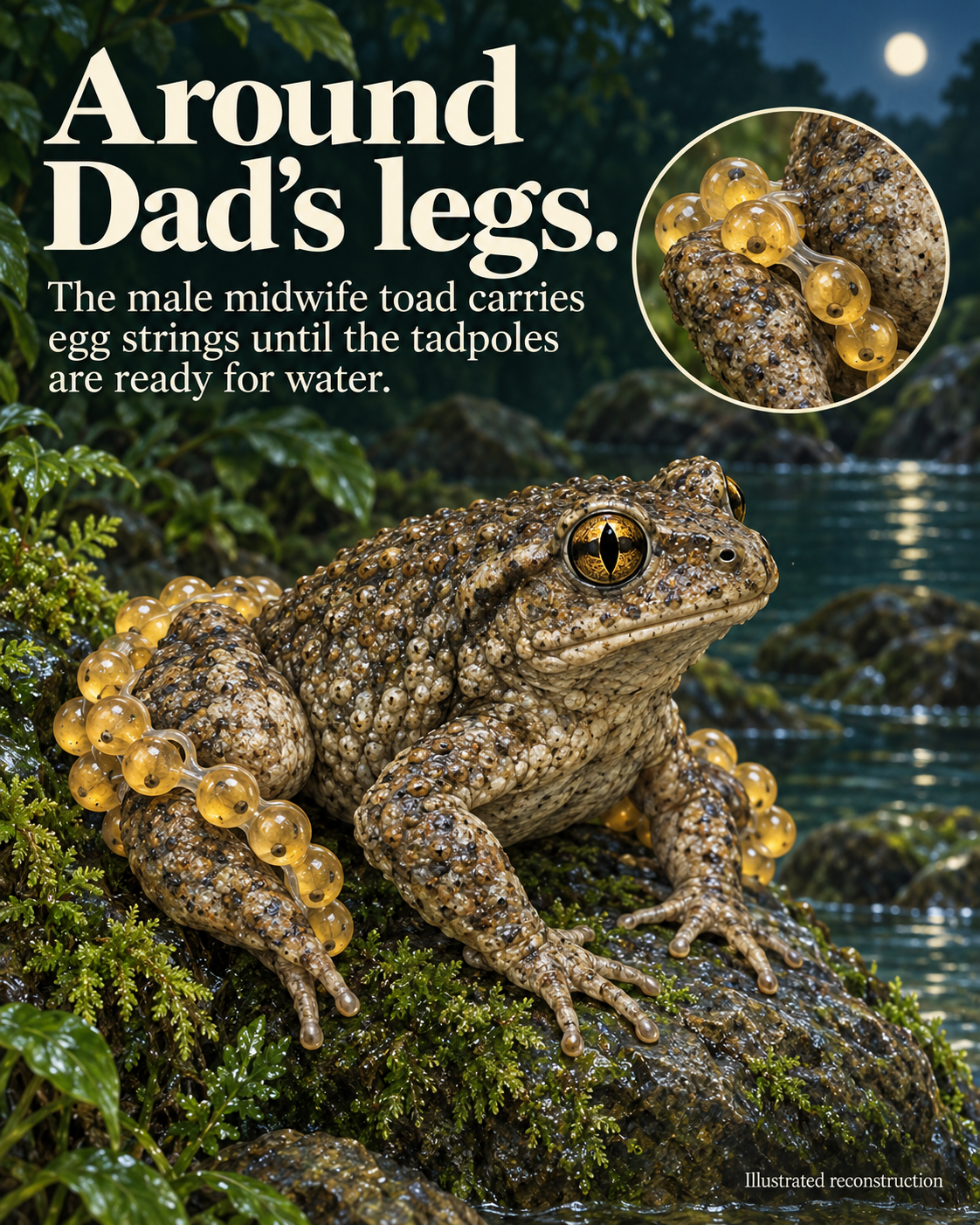
Read slide text
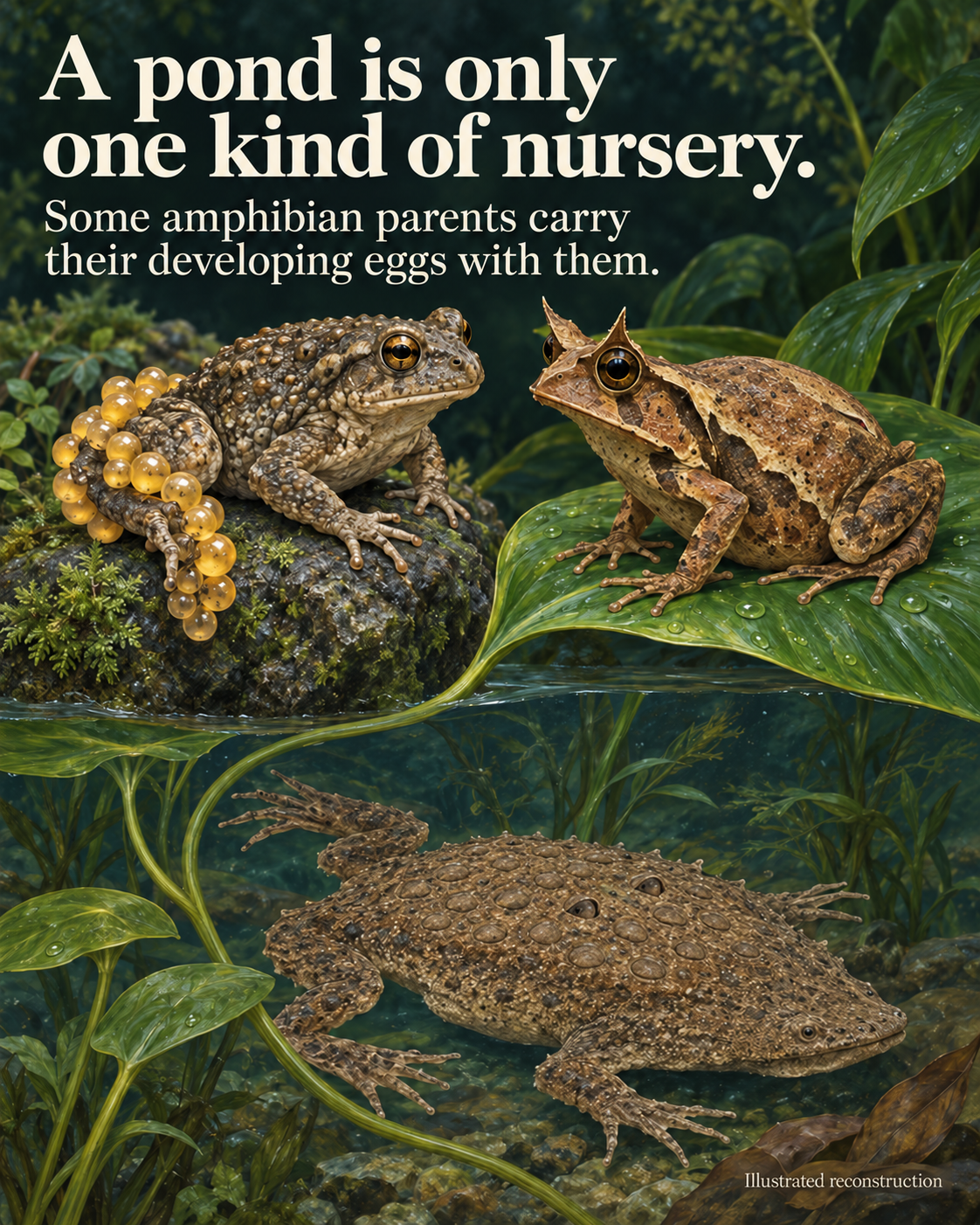
- A pond is only one kind of nursery.
Some amphibian parents carry their developing eggs with them.
- Around Dad’s legs.
The male midwife toad carries egg strings until the tadpoles are ready for water.
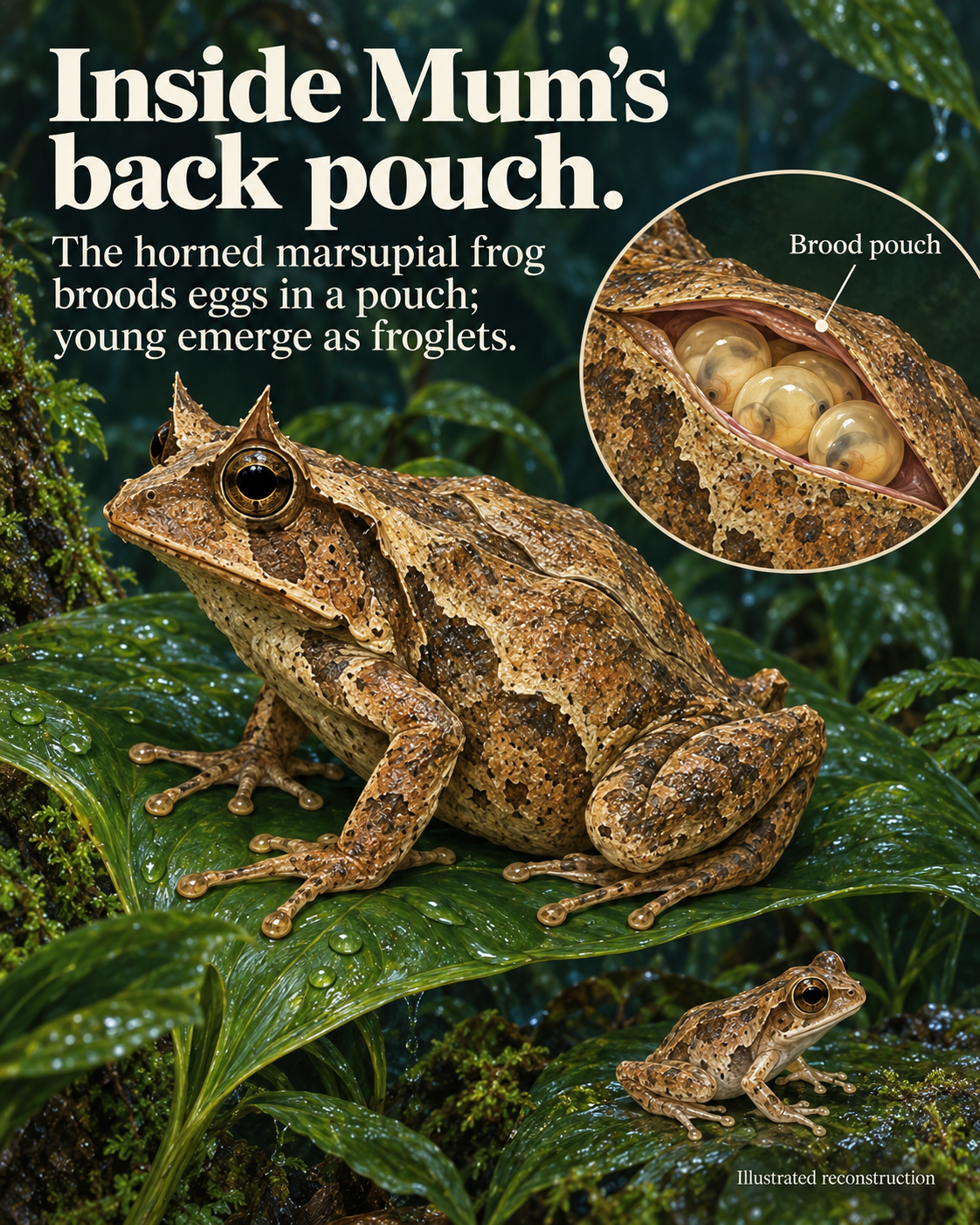
- Inside Mum’s back pouch.
The horned marsupial frog broods eggs in a pouch; young emerge as froglets.
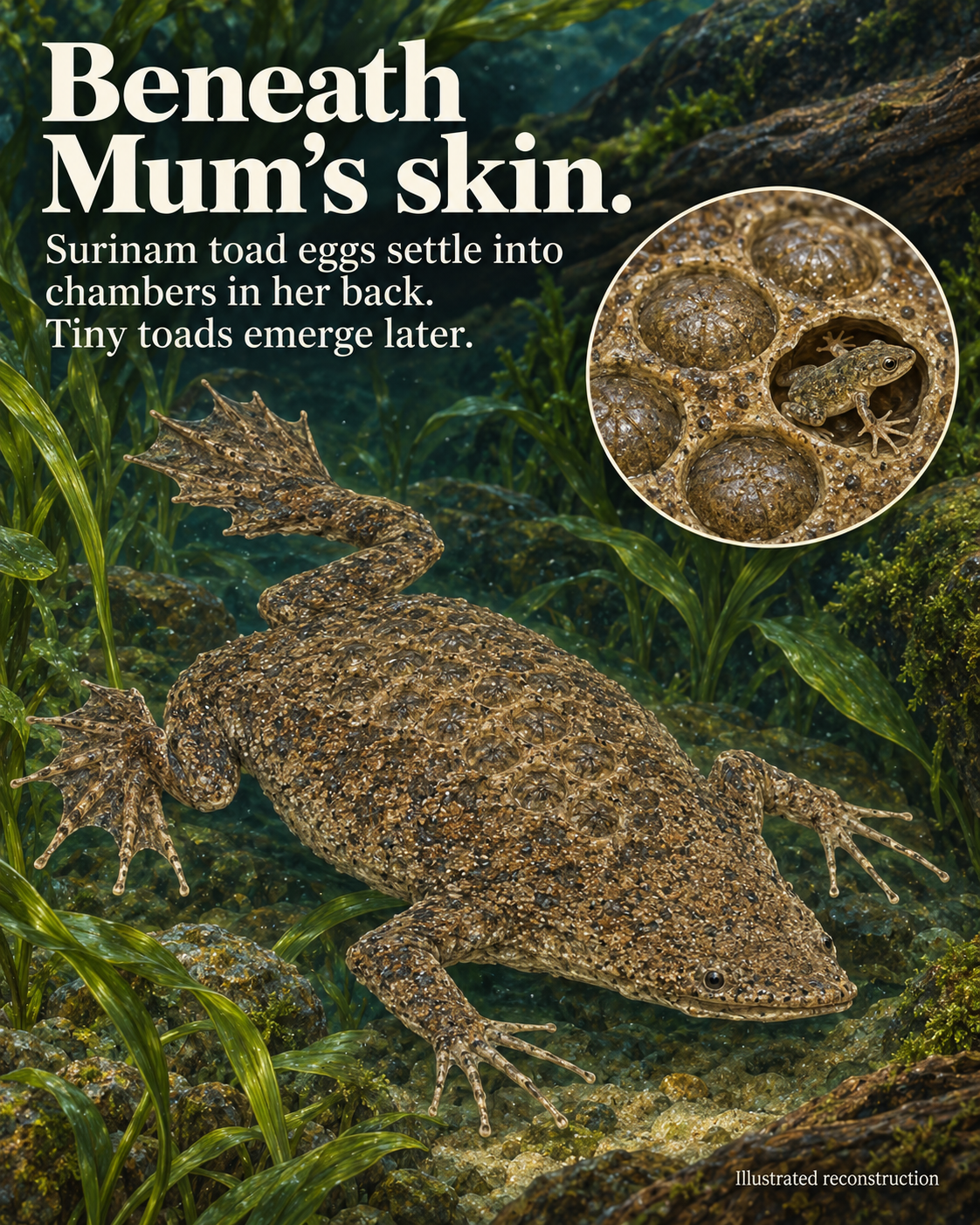
- Beneath Mum’s skin.
Surinam toad eggs settle into chambers in her back. Tiny toads emerge later.
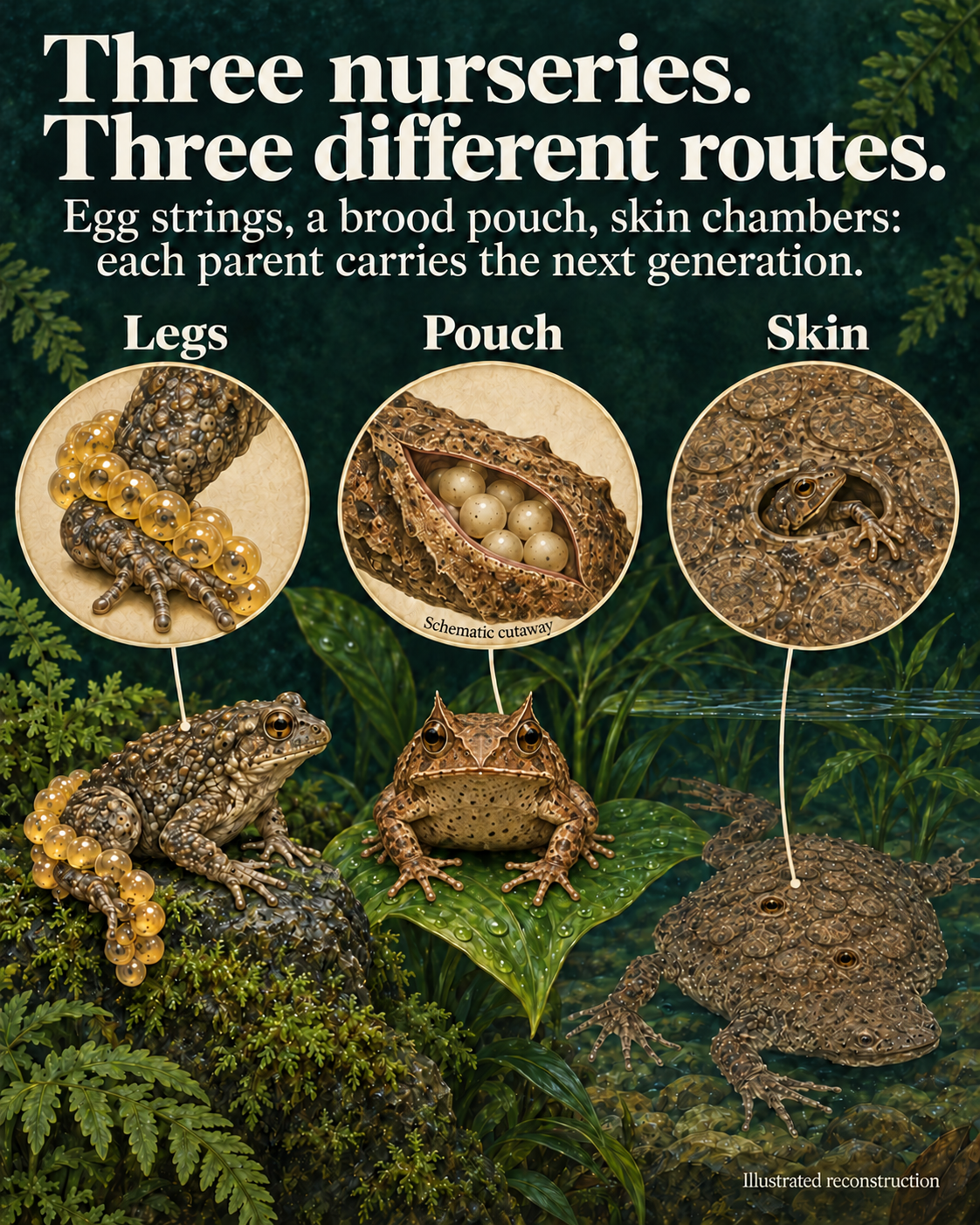
- Three nurseries. Three different routes.
Egg strings, a brood pouch, skin chambers: each parent carries the next generation.
Let's look at alternatives:
- Modify the query.
- Start a new thread.
- Remove sources (if manually added).
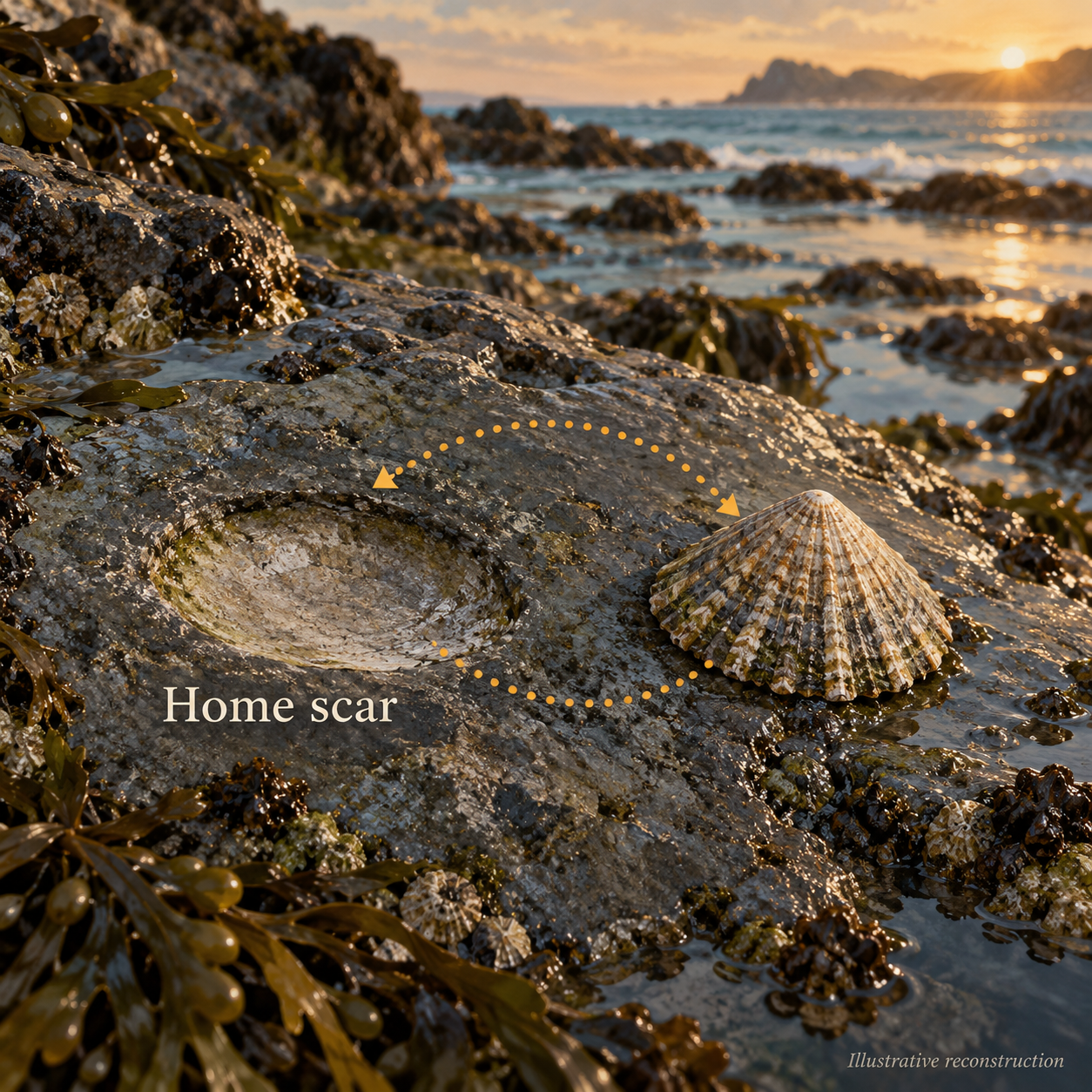
This limpet has a home address
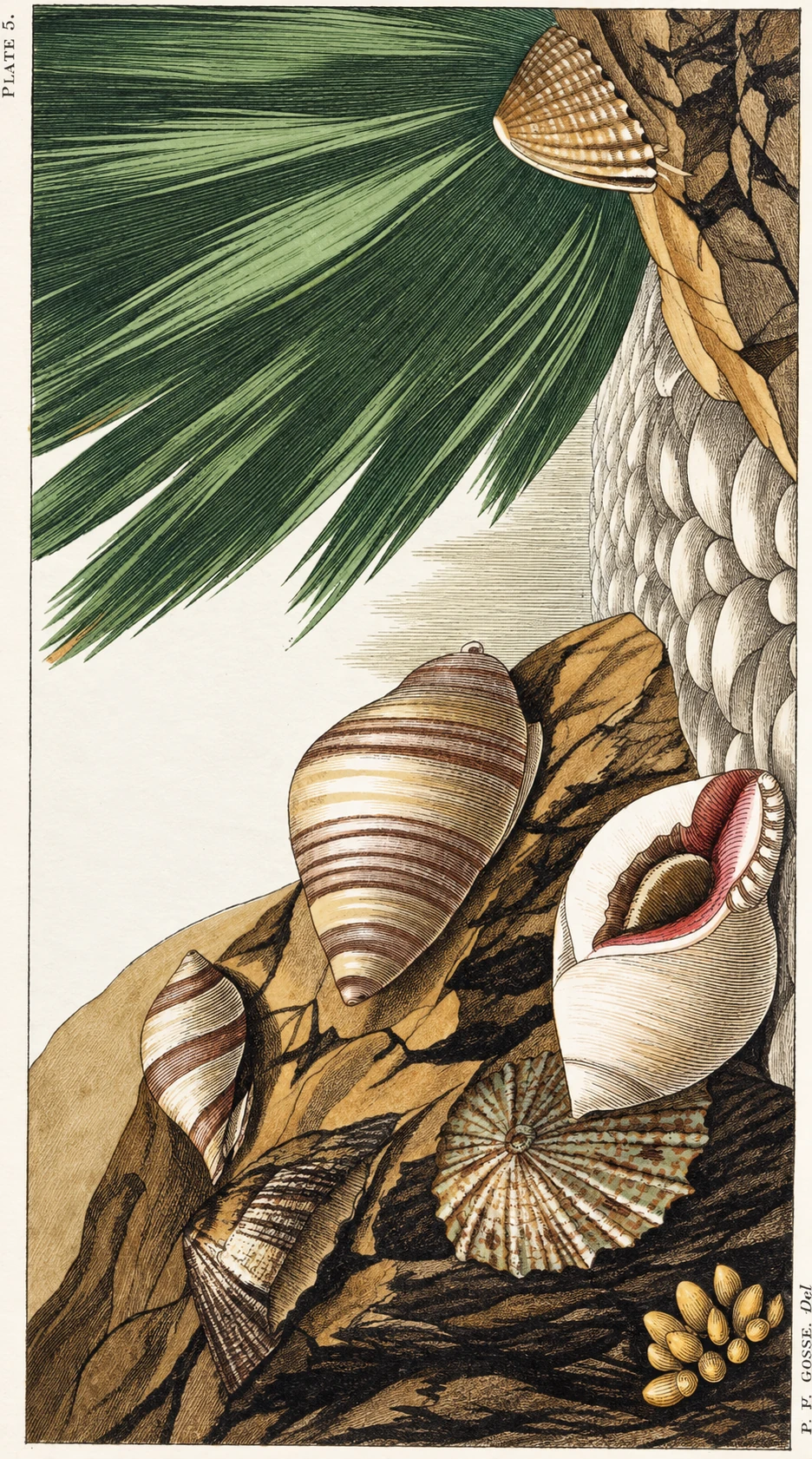
This limpet has a home address. A common limpet can leave its resting spot to graze, then return to the same shell-shaped patch of rock: its “home scar.” That little cap on the shore may have a familiar place to come back to.
Let's look at alternatives:
- Modify the query.
- Start a new thread.
- Remove sources (if manually added).
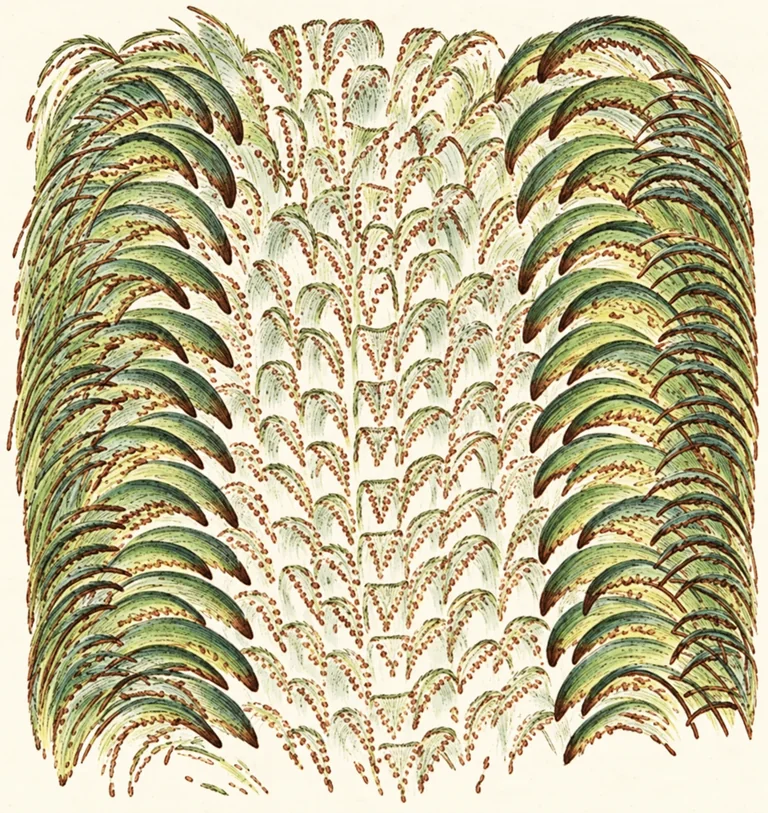
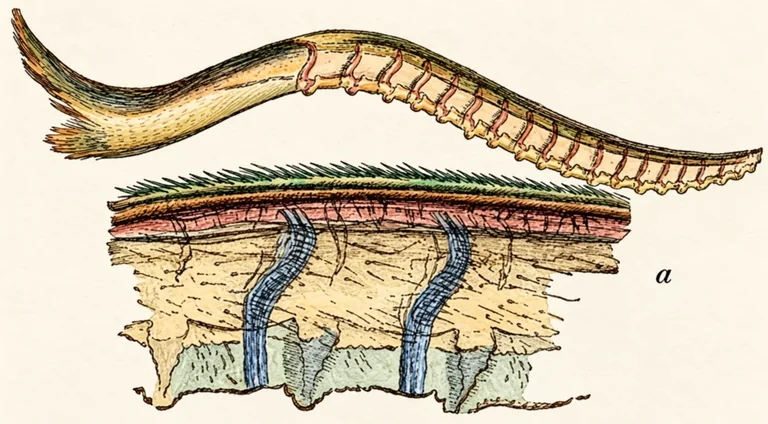
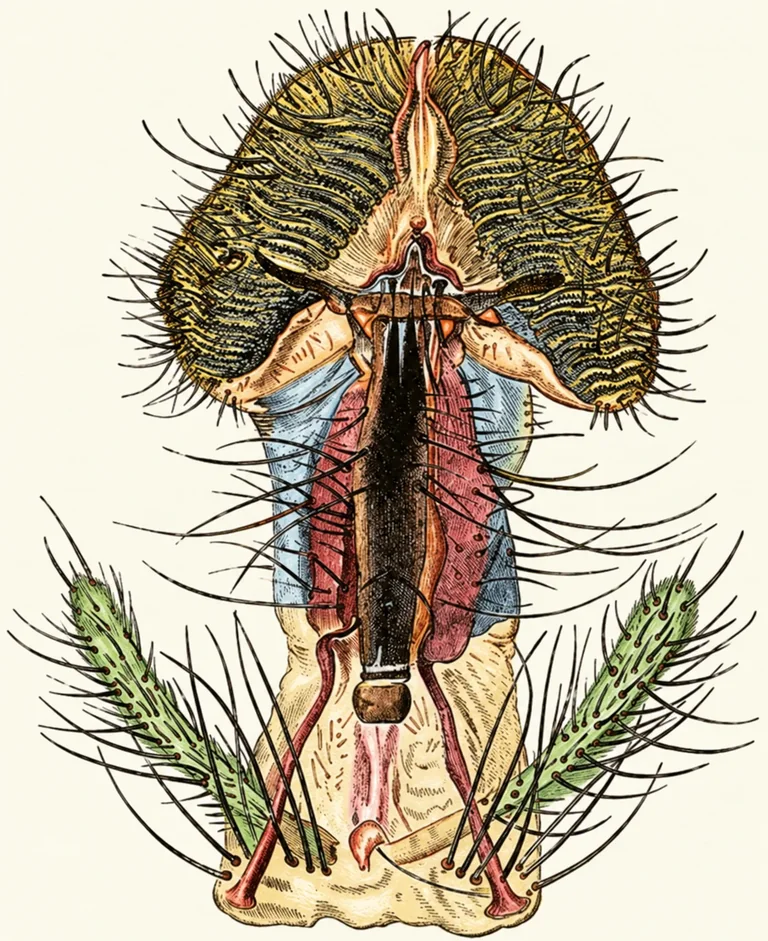
A rasp, a saw, a sponge—all built into animals
Let's look at alternatives:
- Modify the query.
- Start a new thread.
- Remove sources (if manually added).
This fire began in a forest
 1/5
1/5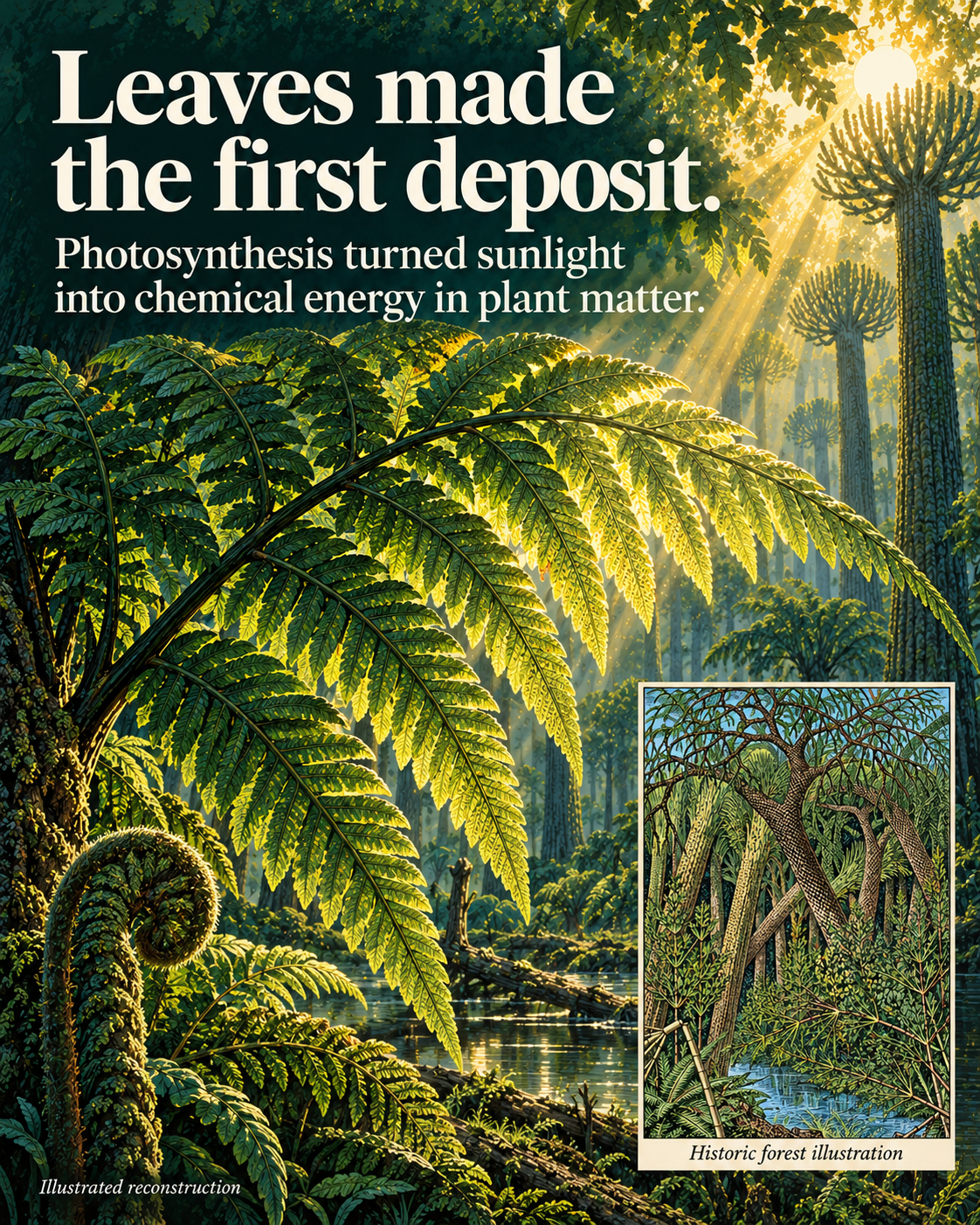
Read slide text
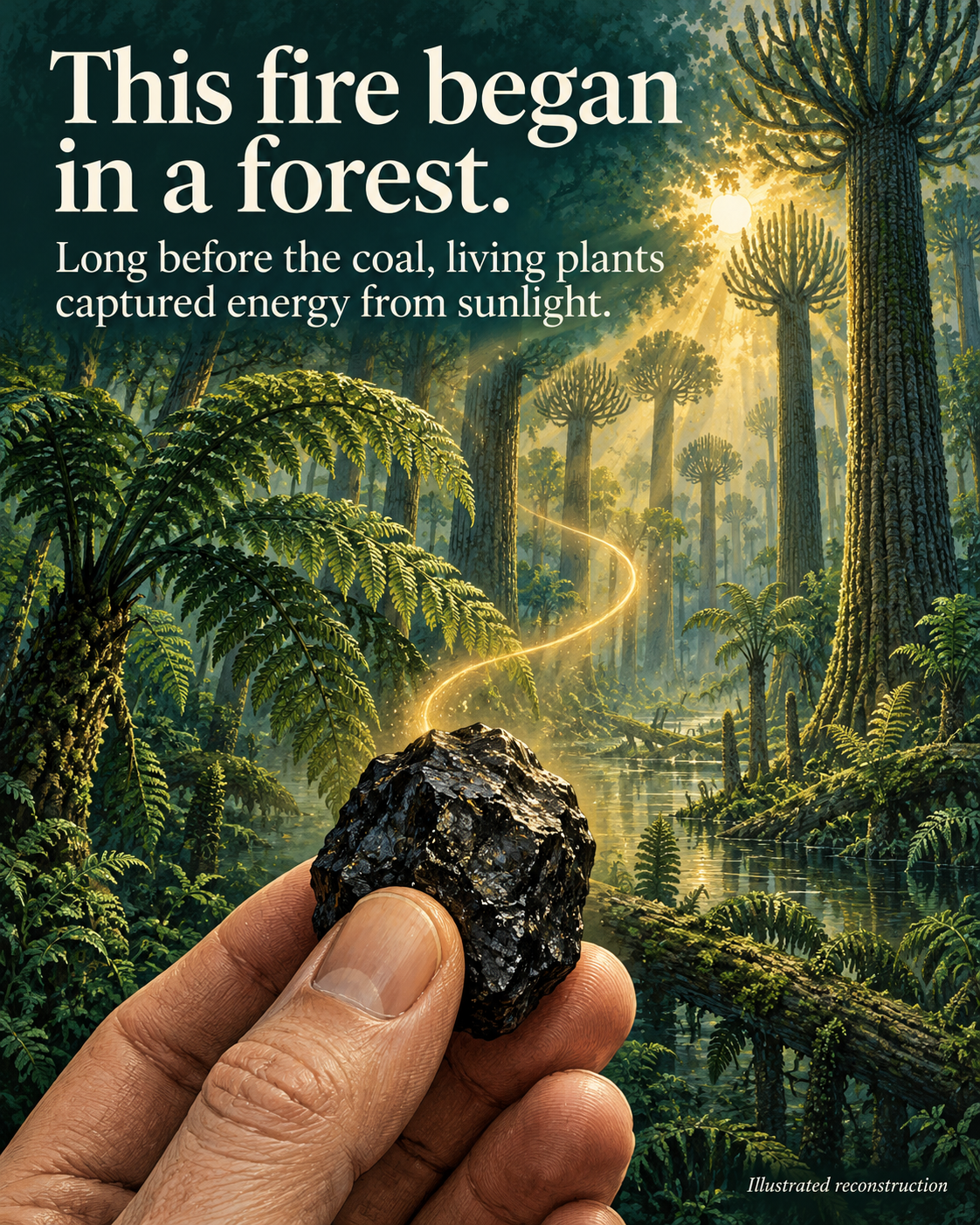
- This fire began in a forest.
Long before the coal, living plants captured energy from sunlight.
- Leaves made the first deposit.
Photosynthesis turned sunlight into chemical energy in plant matter.
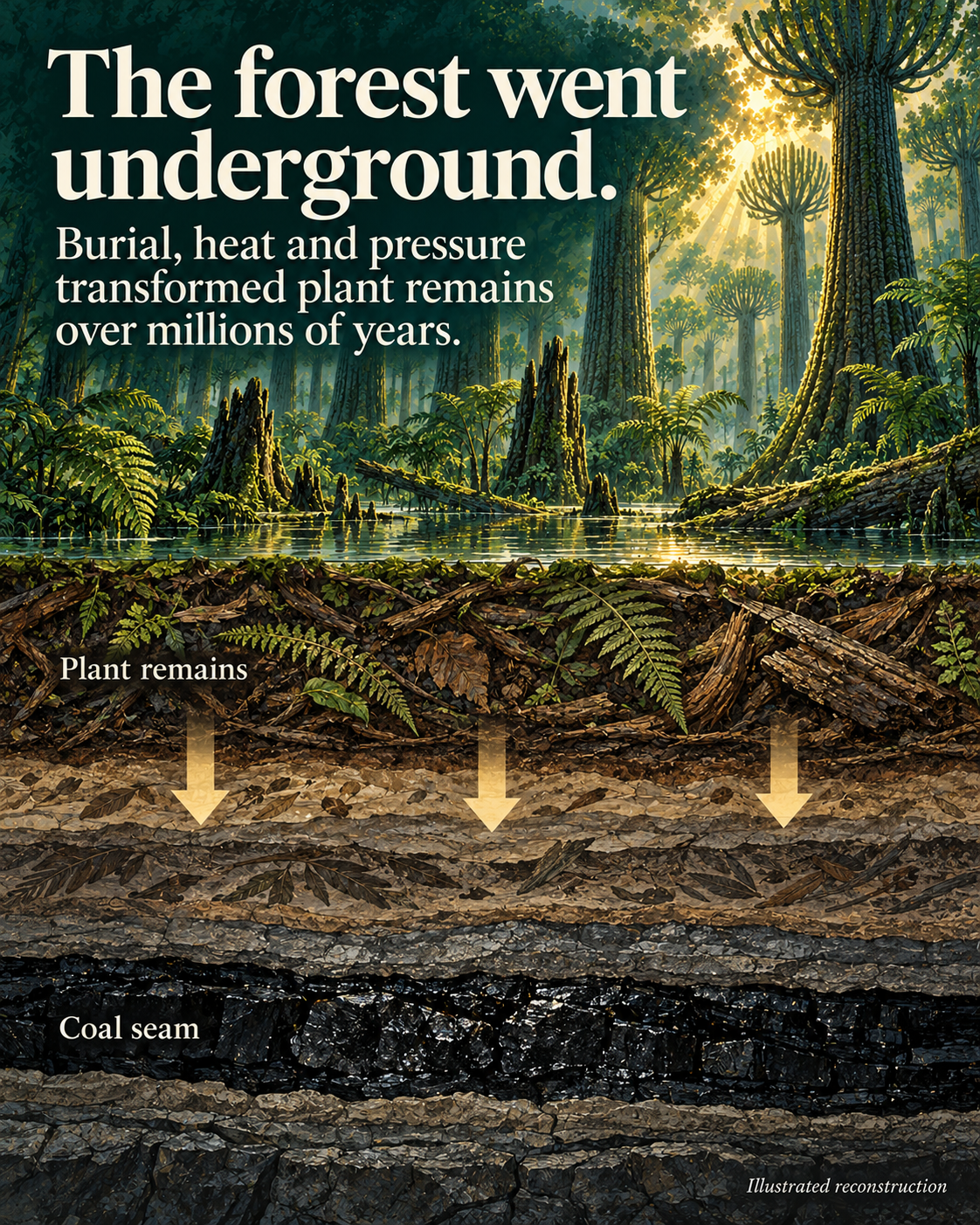
- The forest went underground.
Burial, heat and pressure transformed plant remains over millions of years.
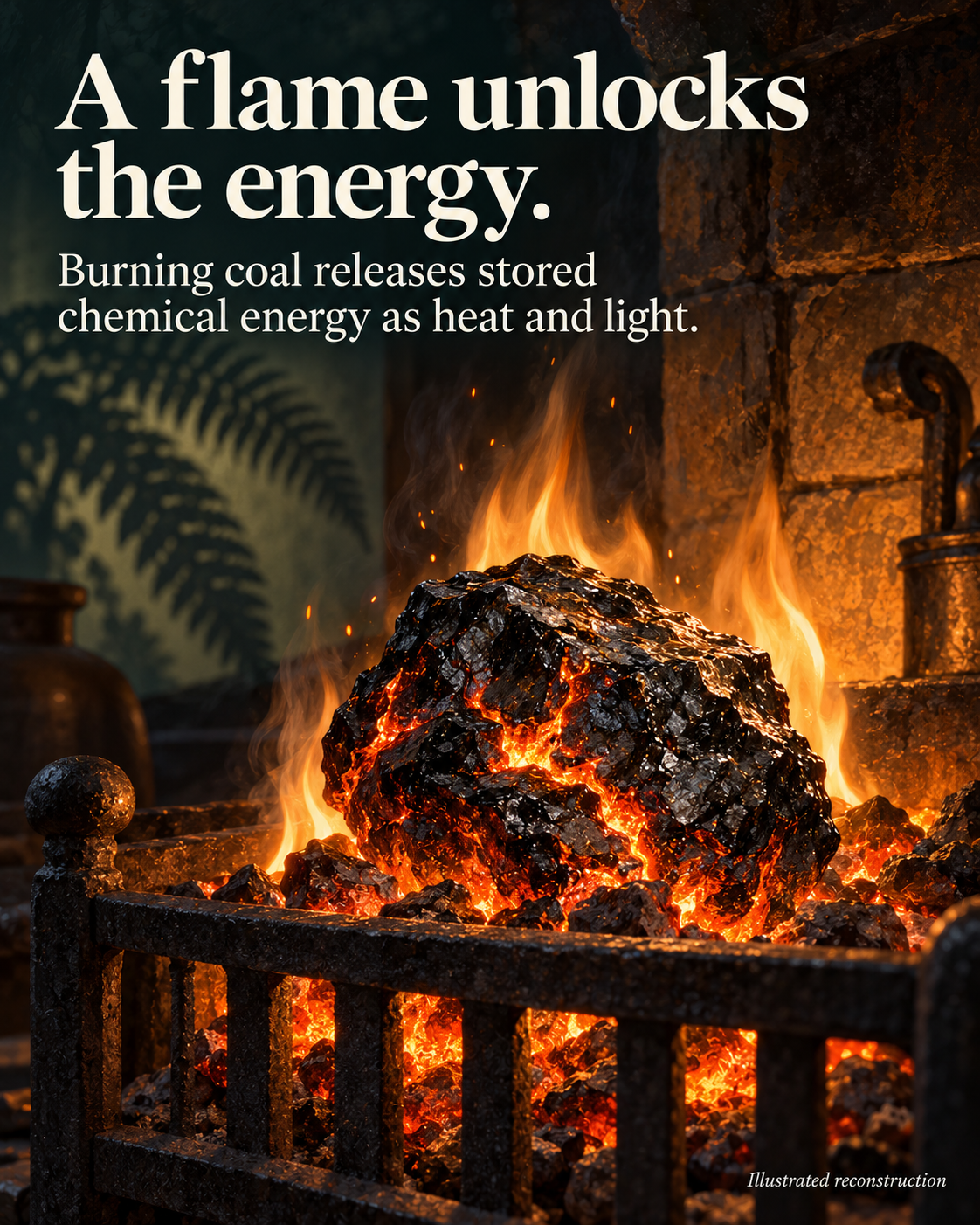
- A flame unlocks the energy.
Burning coal releases stored chemical energy as heat and light.
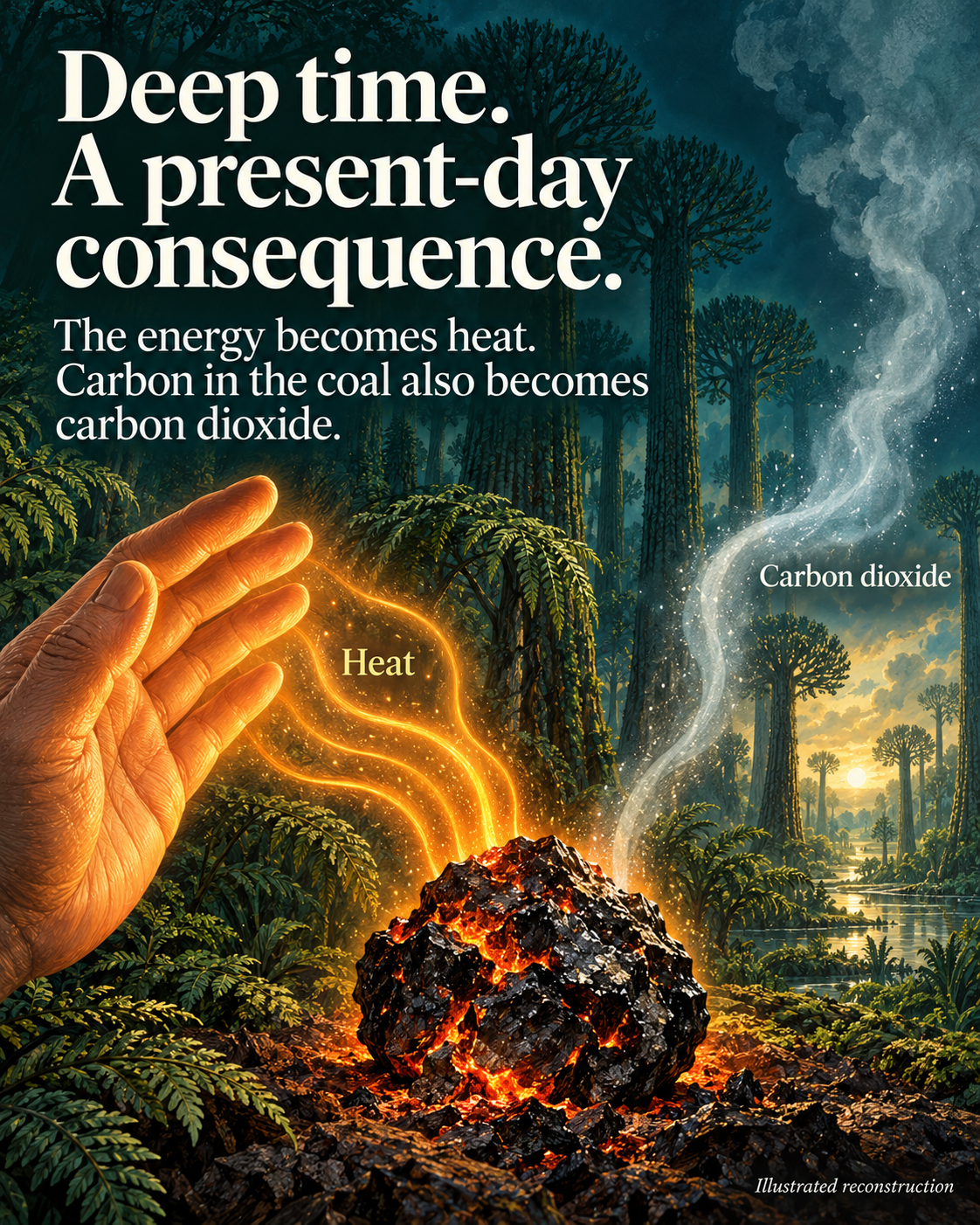
- Deep time. A present-day consequence.
The energy becomes heat. Carbon in the coal also becomes carbon dioxide.
Let's look at alternatives:
- Modify the query.
- Start a new thread.
- Remove sources (if manually added).
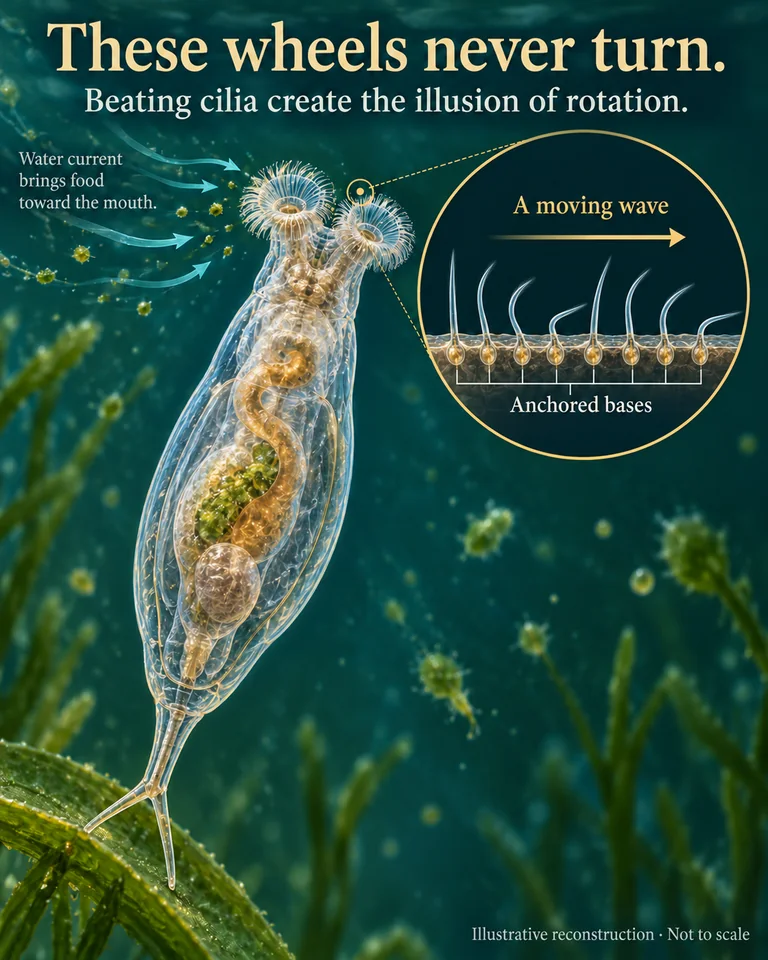
These wheels never turn
Let's look at alternatives:
- Modify the query.
- Start a new thread.
- Remove sources (if manually added).
This animal can lose its gut—and grow another
A sea cucumber can do something startling under stress: some species eject internal organs, including the intestine, and later rebuild them. The process is called evisceration. It can follow a predator encounter, low oxygen or other stressful conditions.[1]
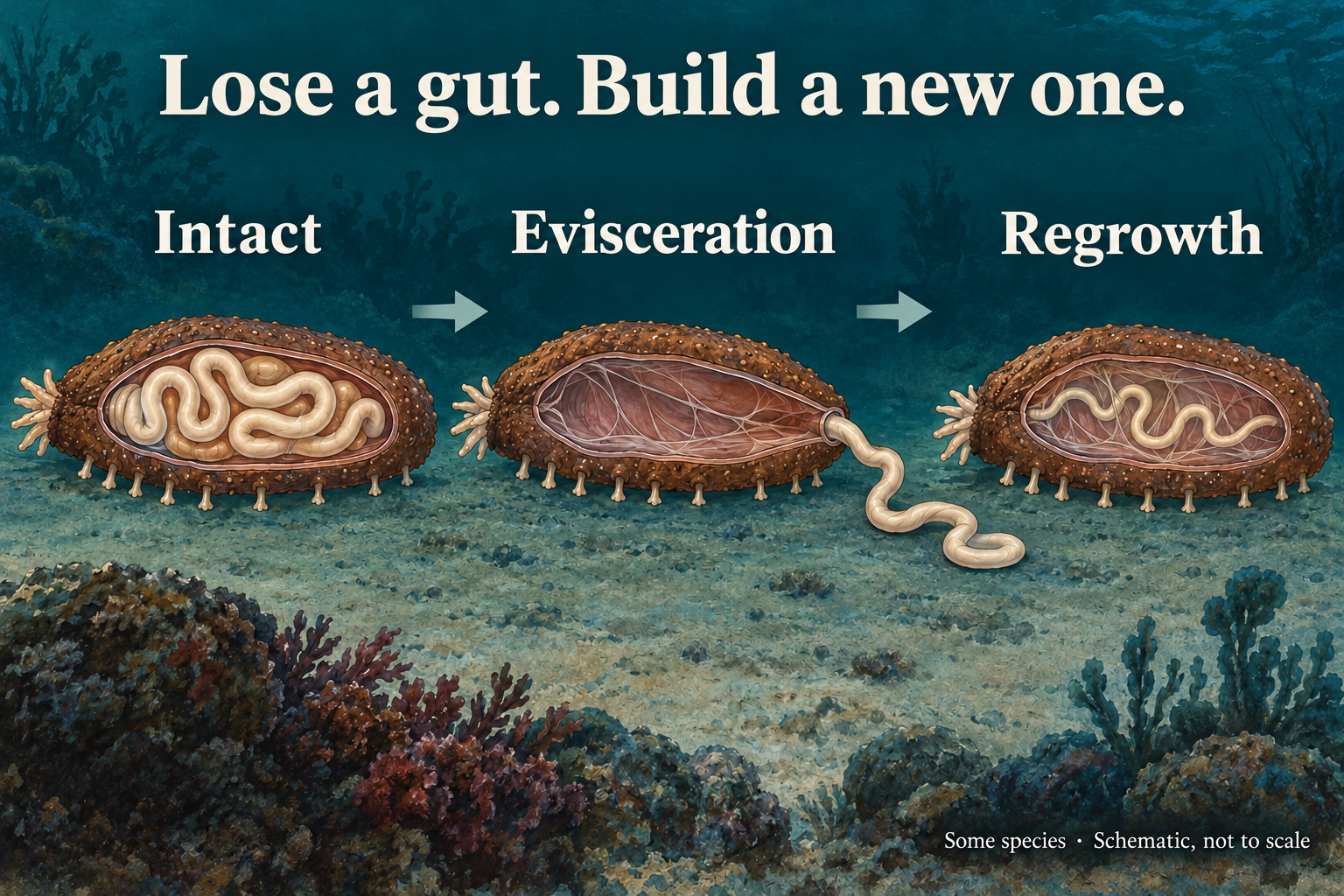
AI-generated explanatory illustration, not a photograph. Schematic details are not to scale. · Source
The rebuilt gut is new tissue. In the well-studied sea cucumber Holothuria glaberrima, a replacement intestine develops from the remaining mesentery—the tissue that supported the old gut. Cells change their state, multiply and reorganise as the tube is reconstructed.[2]
There is no single recovery clock. The route of organ loss, the tissues affected and the time needed to regenerate differ among species. This is a real injury and repair process, rather than an animal becoming instantly empty and instantly whole again.[3]
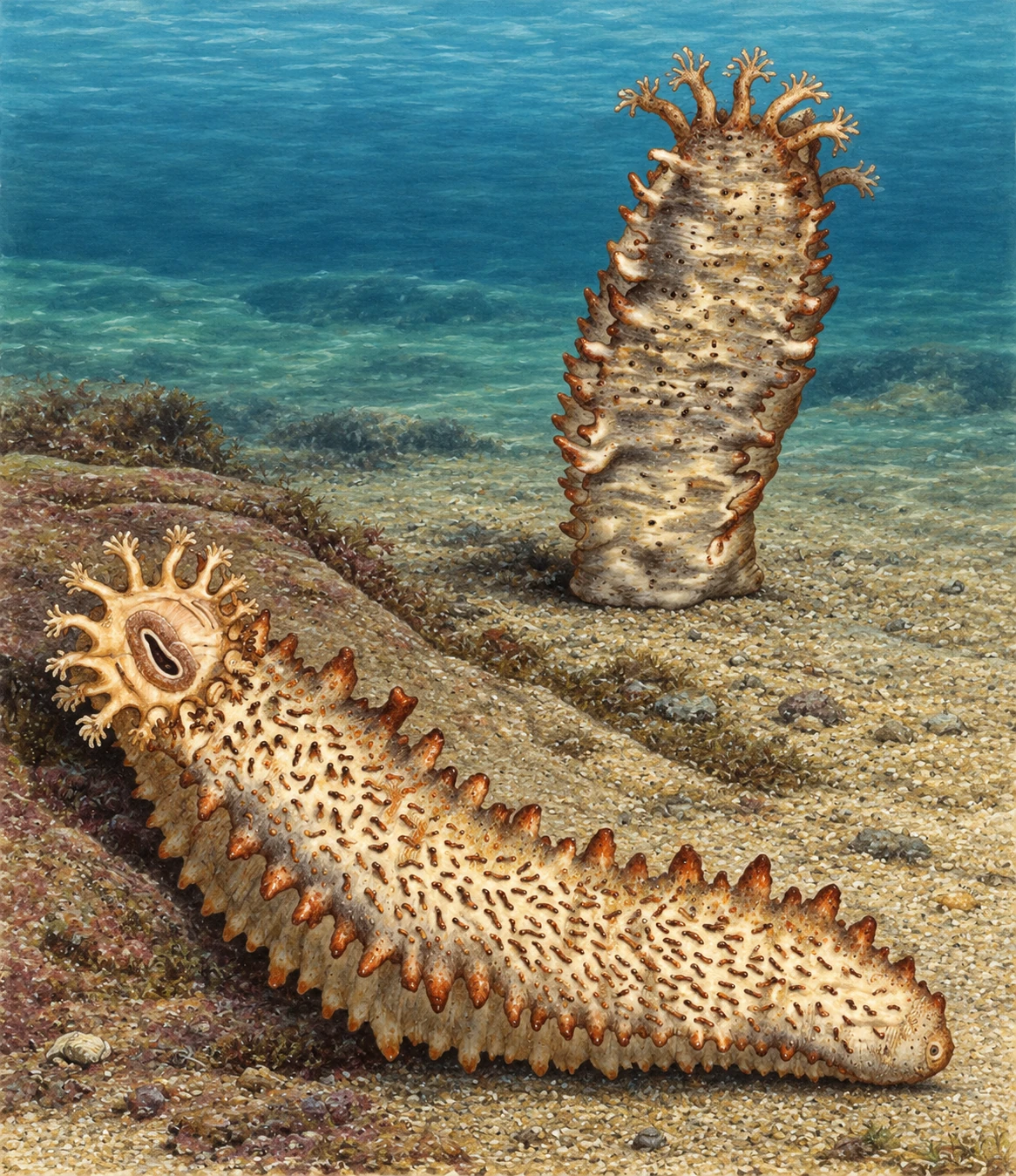
Historical book illustration, AI-assisted colour remaster. Colours are interpretive. · Source
The Ocean World recorded both organ loss and recovery, but wrapped the account in imagined grief and intention. The biology is extraordinary enough on its own: an adult animal can rebuild a major part of its digestive system.[4][5]
Let's look at alternatives:
- Modify the query.
- Start a new thread.
- Remove sources (if manually added).
This bird builds a stage for a date
 1/5
1/5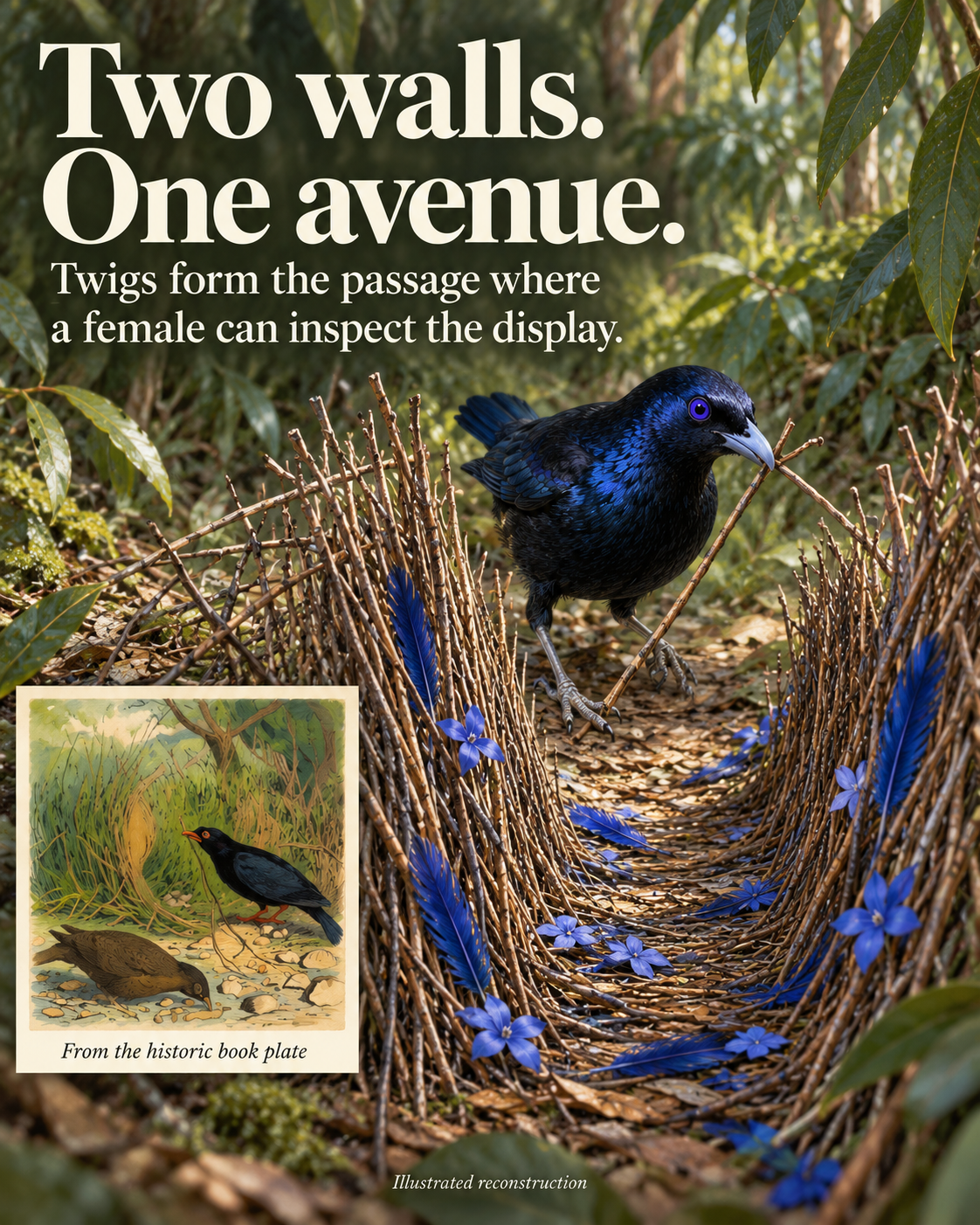
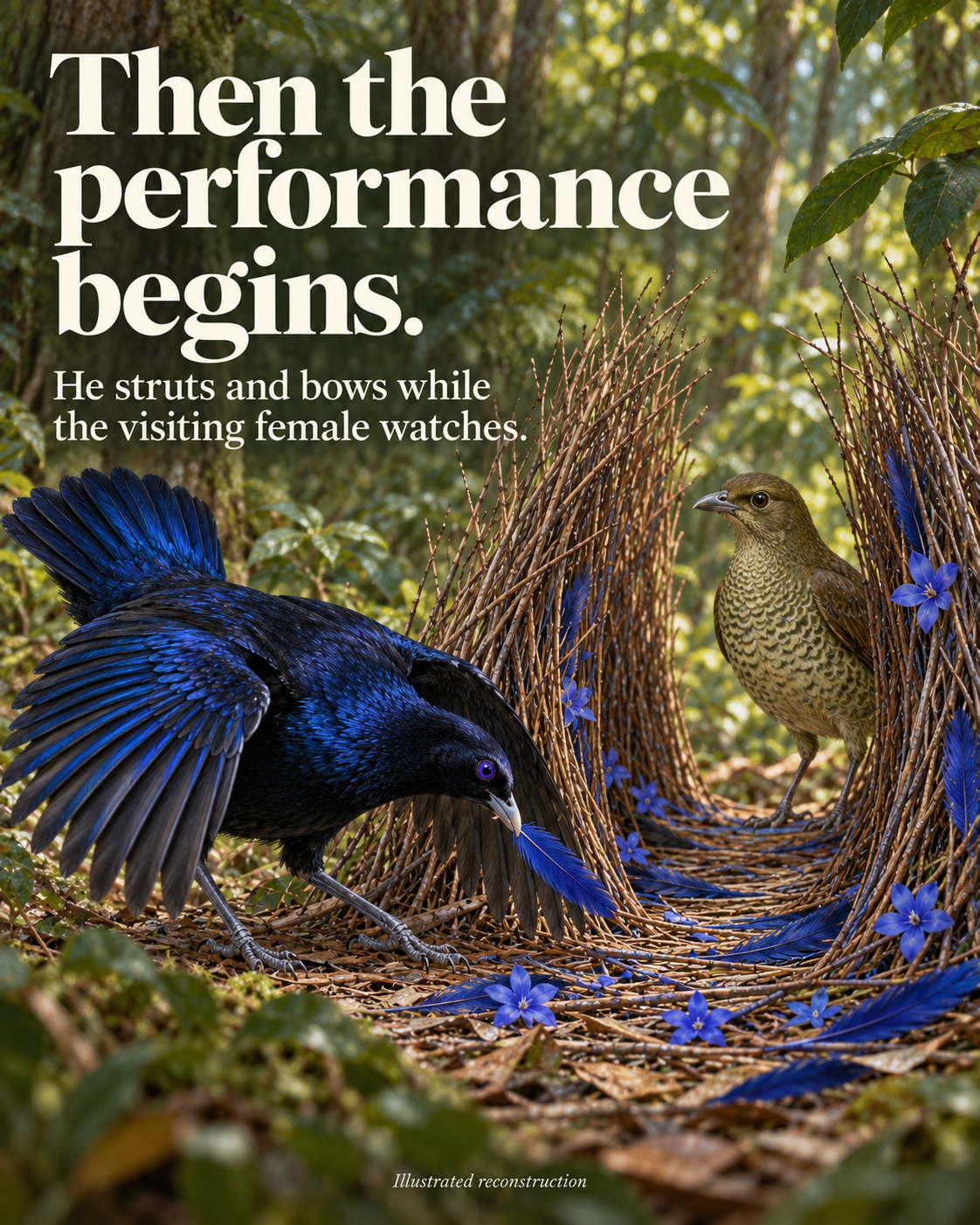
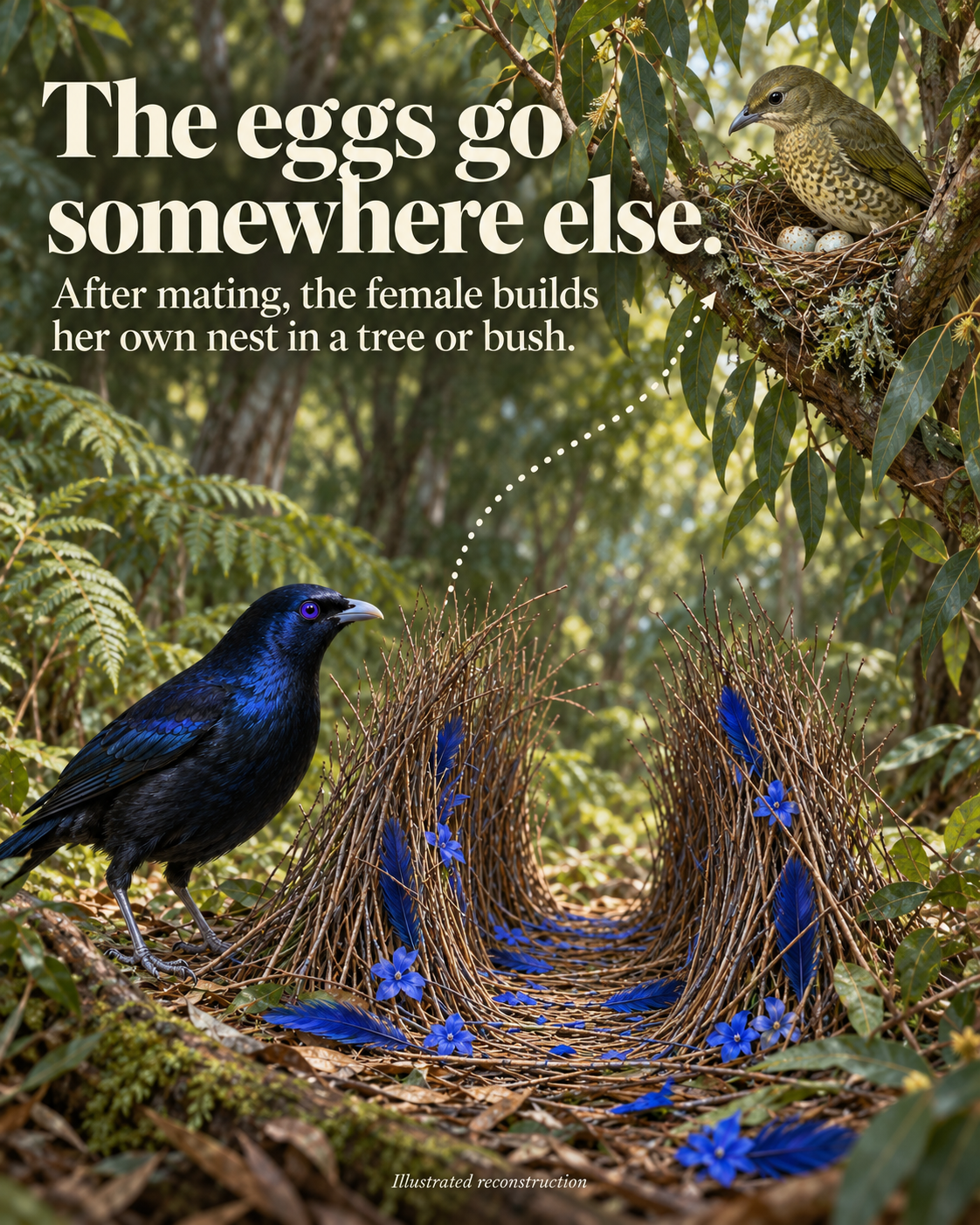
Read slide text
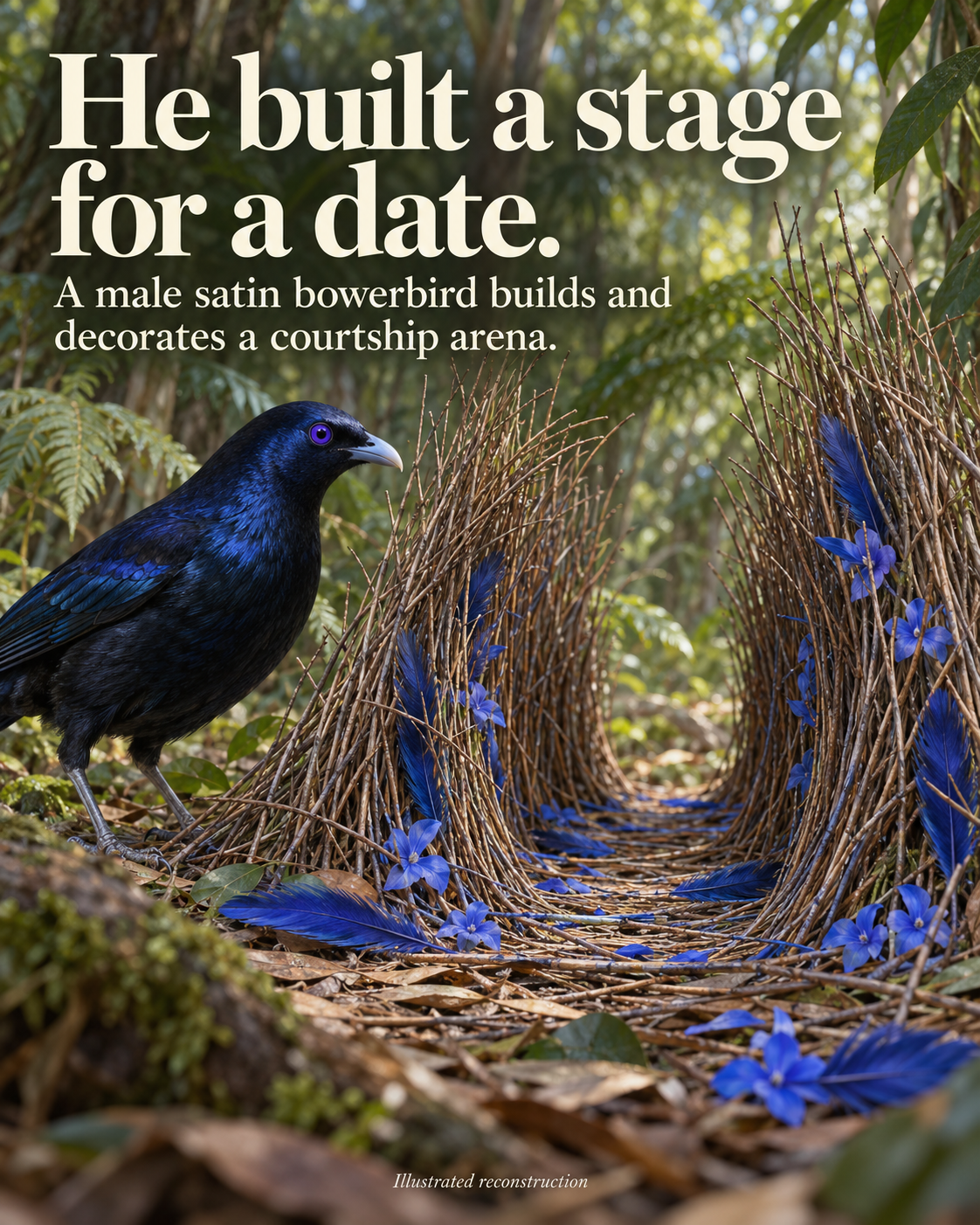
- He built a stage for a date.
A male satin bowerbird builds and decorates a courtship arena.
- Two walls. One avenue.
Twigs form the passage where a female can inspect the display.
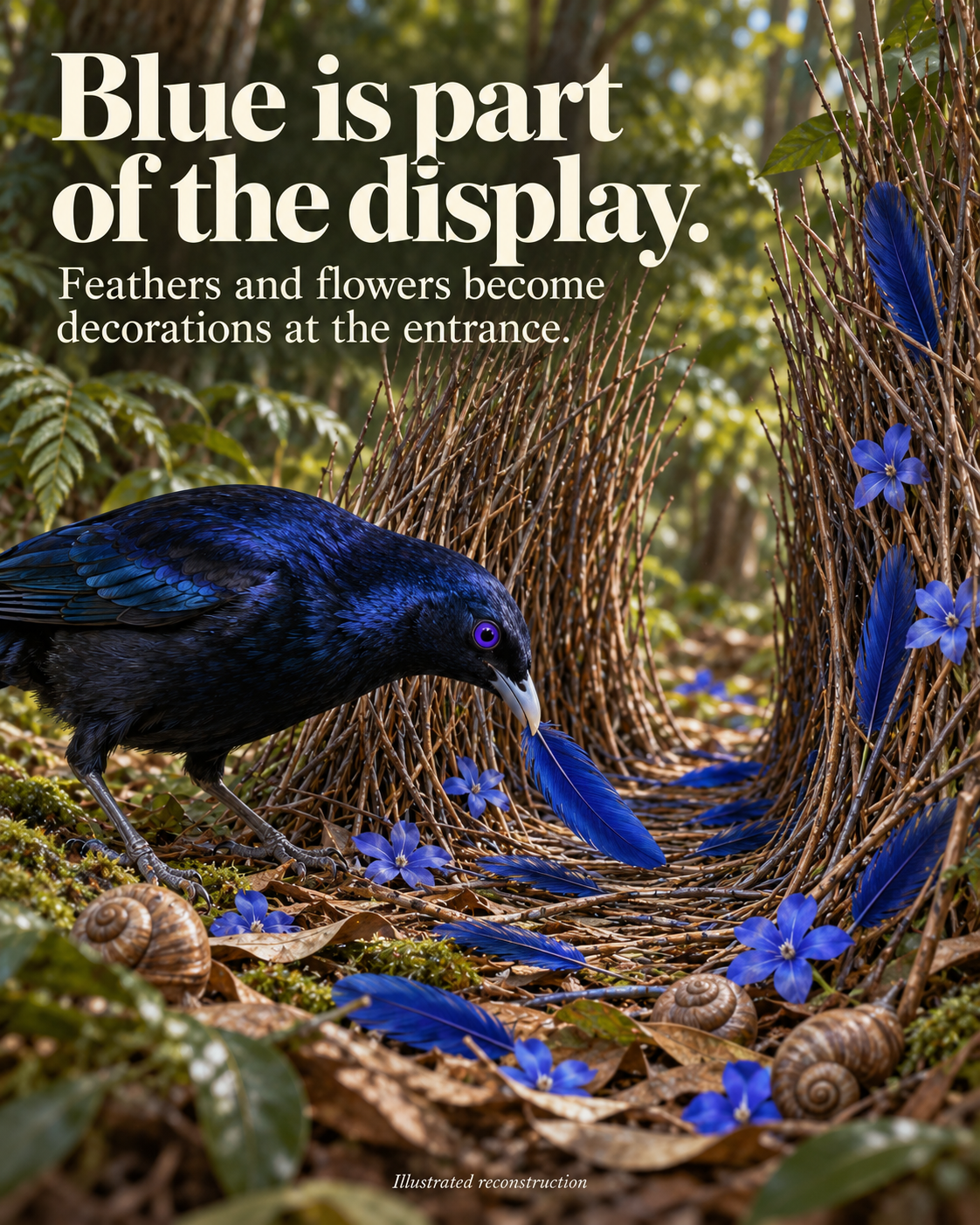
- Blue is part of the display.
Feathers and flowers become decorations at the entrance.
- Then the performance begins.
He struts and bows while the visiting female watches.
- The eggs go somewhere else.
After mating, the female builds her own nest in a tree or bush.
Let's look at alternatives:
- Modify the query.
- Start a new thread.
- Remove sources (if manually added).
Ice can be clear. Why is snow white?
The same frozen water can look like a window or a white blanket. The difference is the route light takes through it.[1][2]
A clear piece of ice has relatively few internal obstacles, so much of the light can pass through. Snow is a collection of ice grains with air between them. At those many boundaries, light changes direction again and again; much of it is scattered back toward your eyes.[3][4]
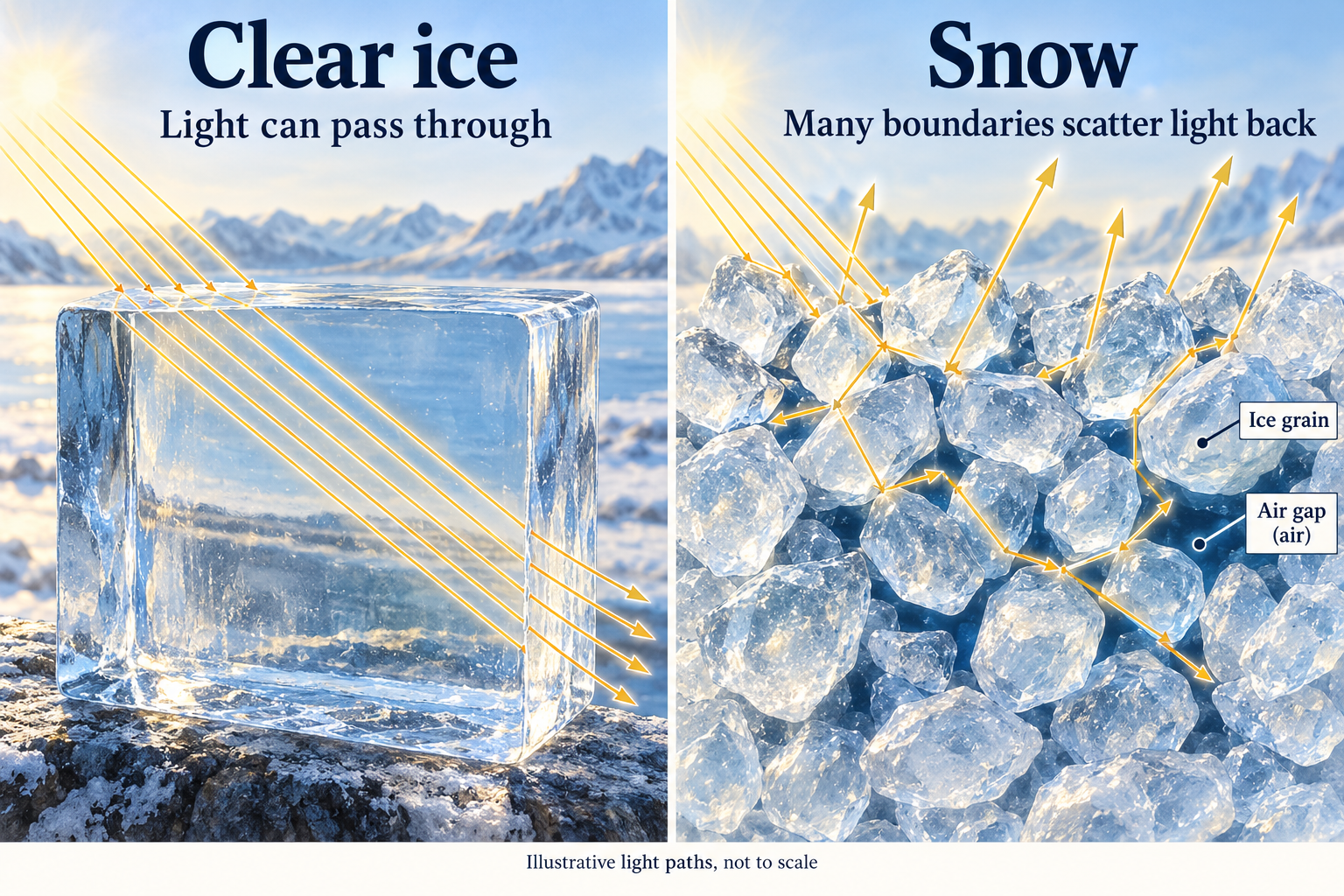
AI-generated explanatory diagram, not a measured ray-tracing simulation. · Source
Clean snow returns visible light without strongly favouring one colour, so the mixture looks white. Ice containing many bubbles or fractures can look cloudy for a similar reason.[5]
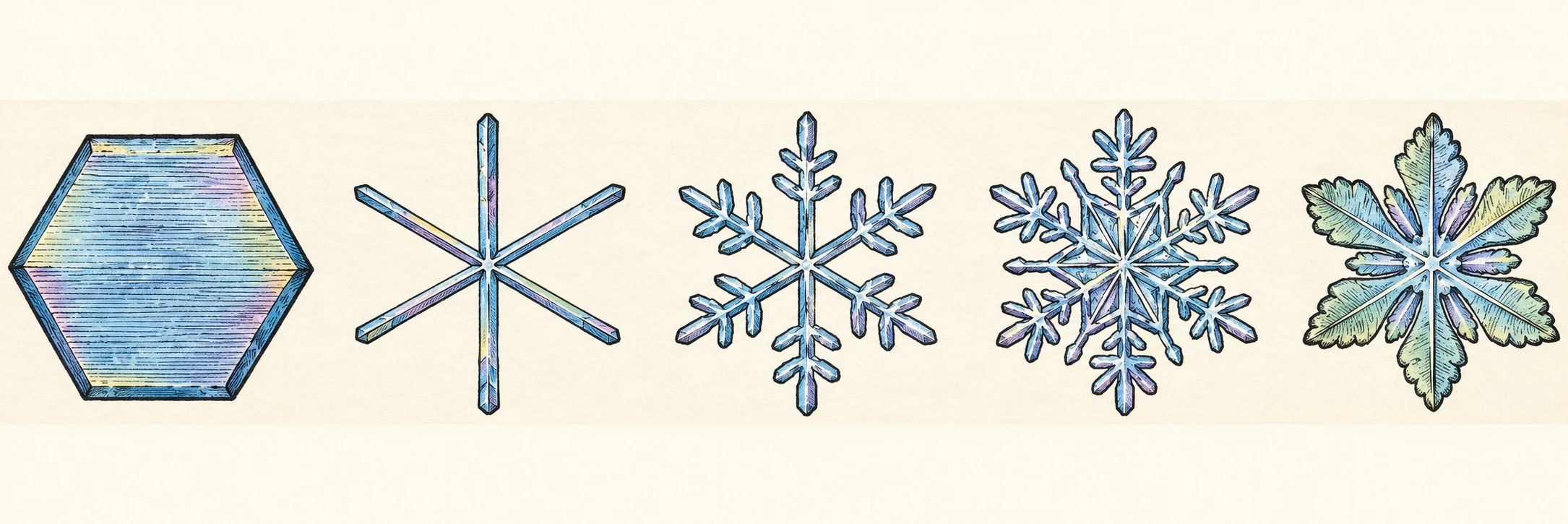
Historical book illustration, AI-assisted colour remaster. · Source
Buckley explored the snow-and-ice puzzle in The Fairy-Land of Science. Her crystal drawings make a good starting point for looking closer, but the modern explanation rests on light scattering at the many ice–air boundaries.[6][7]
Let's look at alternatives:
- Modify the query.
- Start a new thread.
- Remove sources (if manually added).