Difficult Geology and Foundation Work

The Skerryvore Lighthouse was built on a treacherous rock formation composed of very compact gneiss, which presented a relentless challenge from the start. The rock mass is described as being part of a cluster of numerous rocks stretching over nearly eight miles, with the main nucleus barely offering a narrow band of rock for the foundation. As noted in the source, the cutting of the foundation in this irregular, flinty mass ‘occupied nearly two summers’ and the need to blast the rock in a narrow space without almost any shelter from the danger of flying splinters made this phase extremely hazardous[1]. The limited foundation area, combined with the rock being covered to a depth of 12 feet at high tide, required engineers to meticulously plan the tampering and tamping of the mine-holes, even down to ensuring that even “a little clay” was on hand to secure the foundation.
Extreme Weather and Tidal Constraints

The environmental conditions contributed significantly to the difficulties encountered during construction. The operations commenced in the summer of 1838, but the Skerryvore rocks are ridden by powerful Atlantic waves that continuously assault the structure. The rock is only accessible for a very short period at spring tides, and the incessant action of heavy, crashing waves meant that work had to be performed in narrow windows of opportunity when the rock was dry. A dramatic instance of the extreme conditions is recorded when a wooden barrack – a temporary shelter used during construction – was completely destroyed in a gale. The account states that on the night of November 3rd, a powerful gale swept the entire temporary structure from the rock, leaving only “a few broken and twisted iron stanchions” behind[1]. This incident vividly illustrates the challenge of working in an environment where the sea could suddenly overwhelm any temporary works.
Logistical and Material Transportation Challenges

The remoteness of the rock and the extreme conditions also imposed significant logistical challenges on the project. All materials, including the granite quarried from the Isle of Mull and other supplies like clay for tamping, had to be transported from distant locations. To cope with these difficulties, the construction team built temporary barracks on the nearby islands, such as Tyree and Mull, and even constructed piers and a harbor or basin with a reservoir and sluices to assist in landing the necessary materials. At one point, the shortage of even a little clay could have halted the work entirely. Additionally, a steam-tug was specially built to serve as a floating barrack and to transport supplies between the remote work sites and the rock itself[1].
Worker Safety and Exposure
The human factor was another significant challenge in the construction of the Skerryvore Lighthouse. Working on a rock that was intermittently exposed and extremely hazardous placed all workers in constant danger. The blasting of the rock and the continuous risk of heavy bodies falling from the tower upon the narrow landing areas meant that workers were confined to very limited spaces. The accounts describe prolonged periods during which the workmen were forced to reside in barracks under conditions that were not only uncomfortable but also physically taxing. Conditions inside these temporary shelters were described as grim, with only white foaming breakers visible outside and the constant threat of being drenched by sea spray. Workers often had their sleep interrupted by the sound of breakers and gusts of wind, and on more than one occasion, a sudden surge of water forced them from their beds. Despite these risks, the report notes with some relief that “not even one loss of either life or limb” occurred during these trying times[1].
Innovative Engineering Solutions

To overcome the combination of geological, environmental, and logistical challenges, engineers adapted designs originally used in other notorious lighthouse projects, such as the Bell-Rock Lighthouse, to suit the even more difficult conditions at Skerryvore. The design for the Skerryvore Lighthouse was provided by Mr. Alan Stevenson, who modified earlier successful designs to account for the nearly 12-mile isolation and the minimal landing space available on the rock. Key design adjustments included constructing a fortified foundation that could withstand the relentless pounding of waves and the constant blasting forces, as well as the use of additional iron ties and a centrally placed post in the construction of the barracks to survive the violent gales. These modifications not only improved the robustness of the temporary structures but also paved the way for a final lighthouse structure that could endure the severe maritime conditions[1].
Conclusion
The construction of the Skerryvore Lighthouse represents a notable achievement in maritime engineering, having overcome a series of formidable challenges. From drilling and blasting foundations in hard, flinty gneiss under constant tidal assault, to transporting the required materials over great distances and shielding workers from relentless weather hazards, each phase of the project demanded innovative solutions and meticulous planning. The adaptation of proven methods from other lighthouse projects, combined with thoughtful design modifications by engineers like Mr. Alan Stevenson, ensured that the final structure would successfully stand against the onslaught of Atlantic waves and serve as a critical navigational aid. The detailed account in the source emphasizes both the human courage and the technical ingenuity involved, making the Skerryvore Lighthouse a lasting symbol of engineering perseverance[1].
Let's look at alternatives:
- Modify the query.
- Start a new thread.
- Remove sources (if manually added).
Let's look at alternatives:
- Modify the query.
- Start a new thread.
- Remove sources (if manually added).

Get more accurate answers with Super Pandi, upload files, personalised discovery feed, save searches and contribute to the PandiPedia.
Let's look at alternatives:
- Modify the query.
- Start a new thread.
- Remove sources (if manually added).
 Curated by Joan
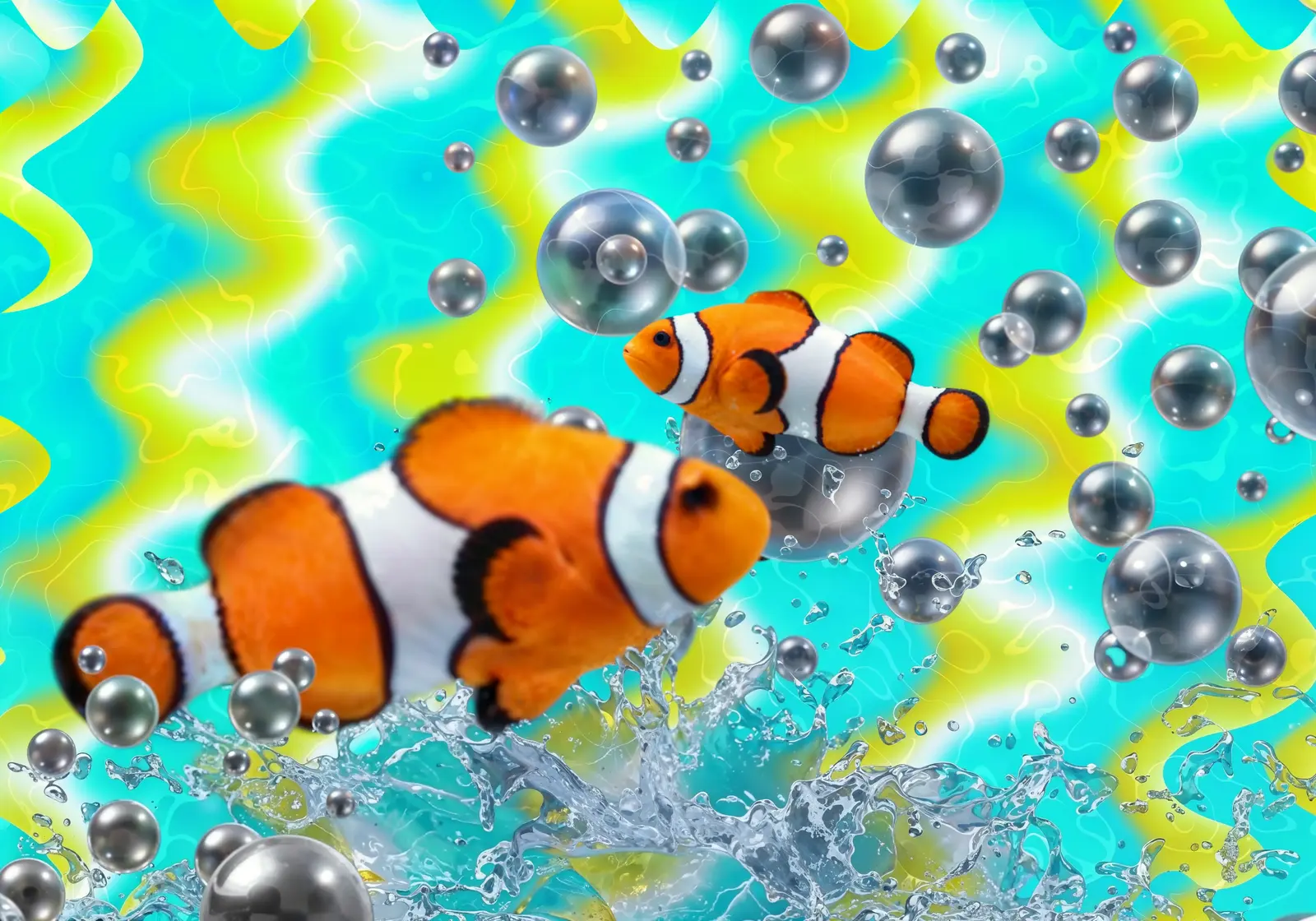
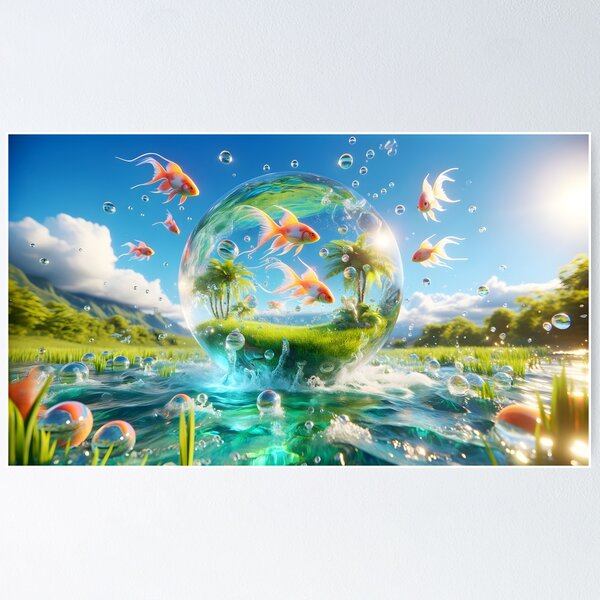
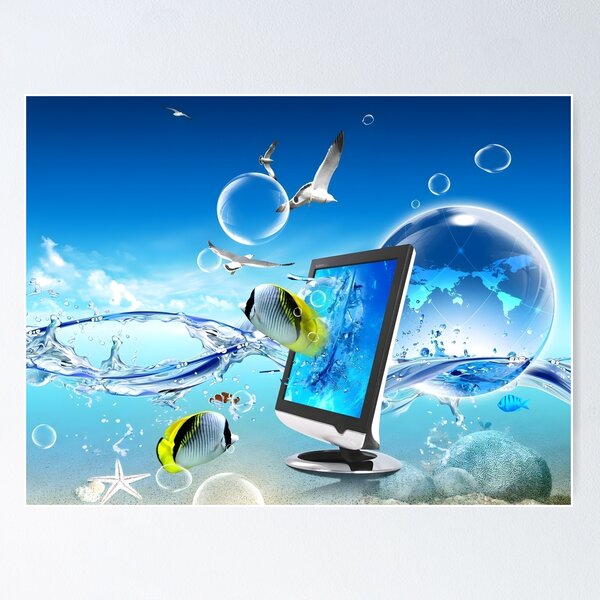
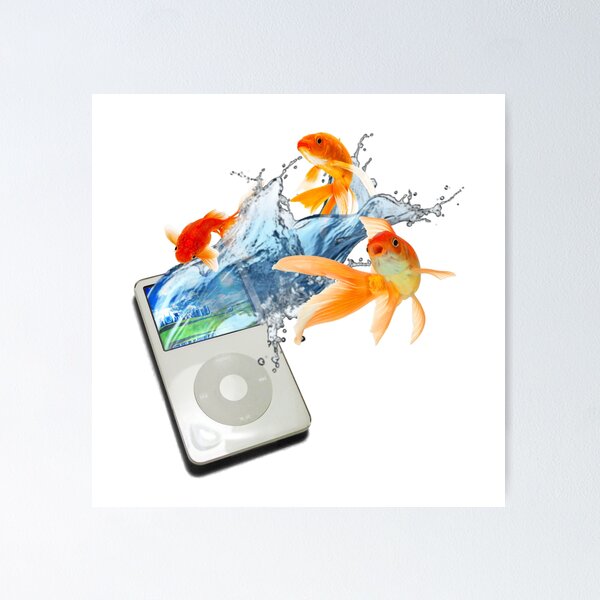
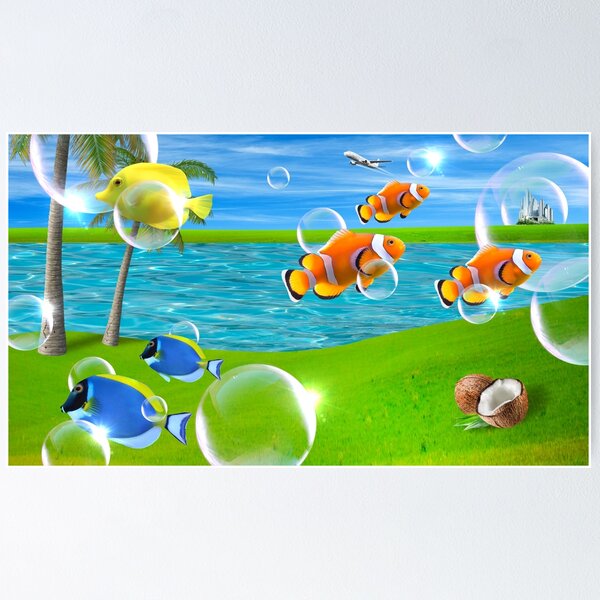
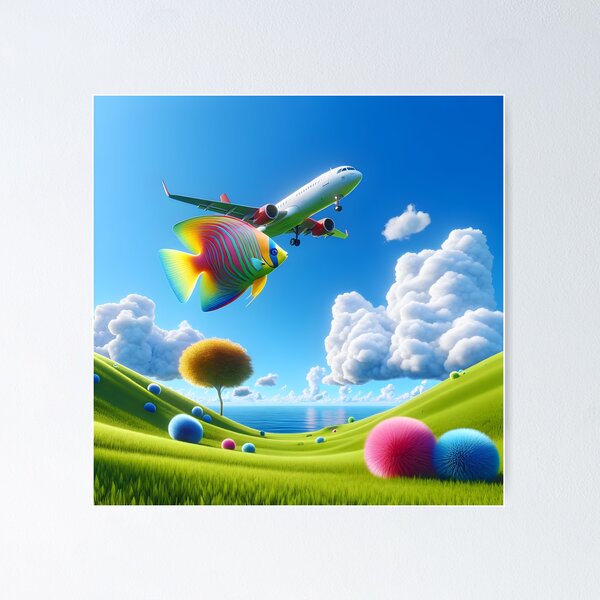
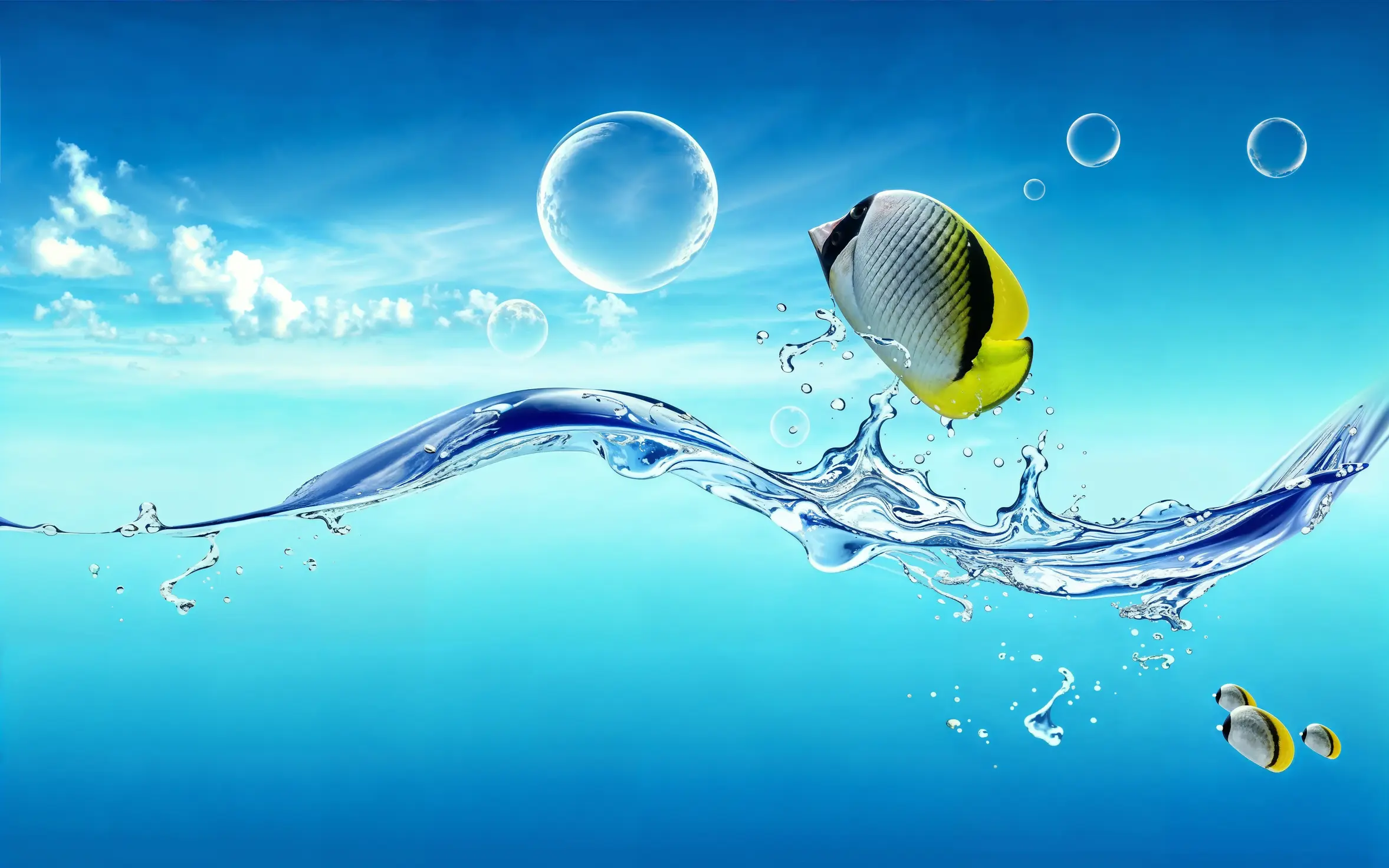
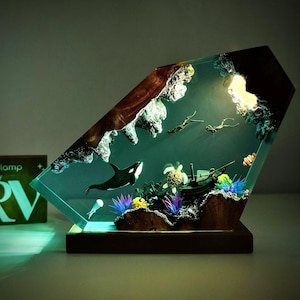
A curated Frutiger Aero marine life gallery: glossy, high-saturation fish, dolphins, and aquariums in bubbly blue worlds. From orb aquariums and splashy goldfish to tech screens and resin dioramas, each image highlights vibrant colors, floating bubbles, and dynamic water motion.



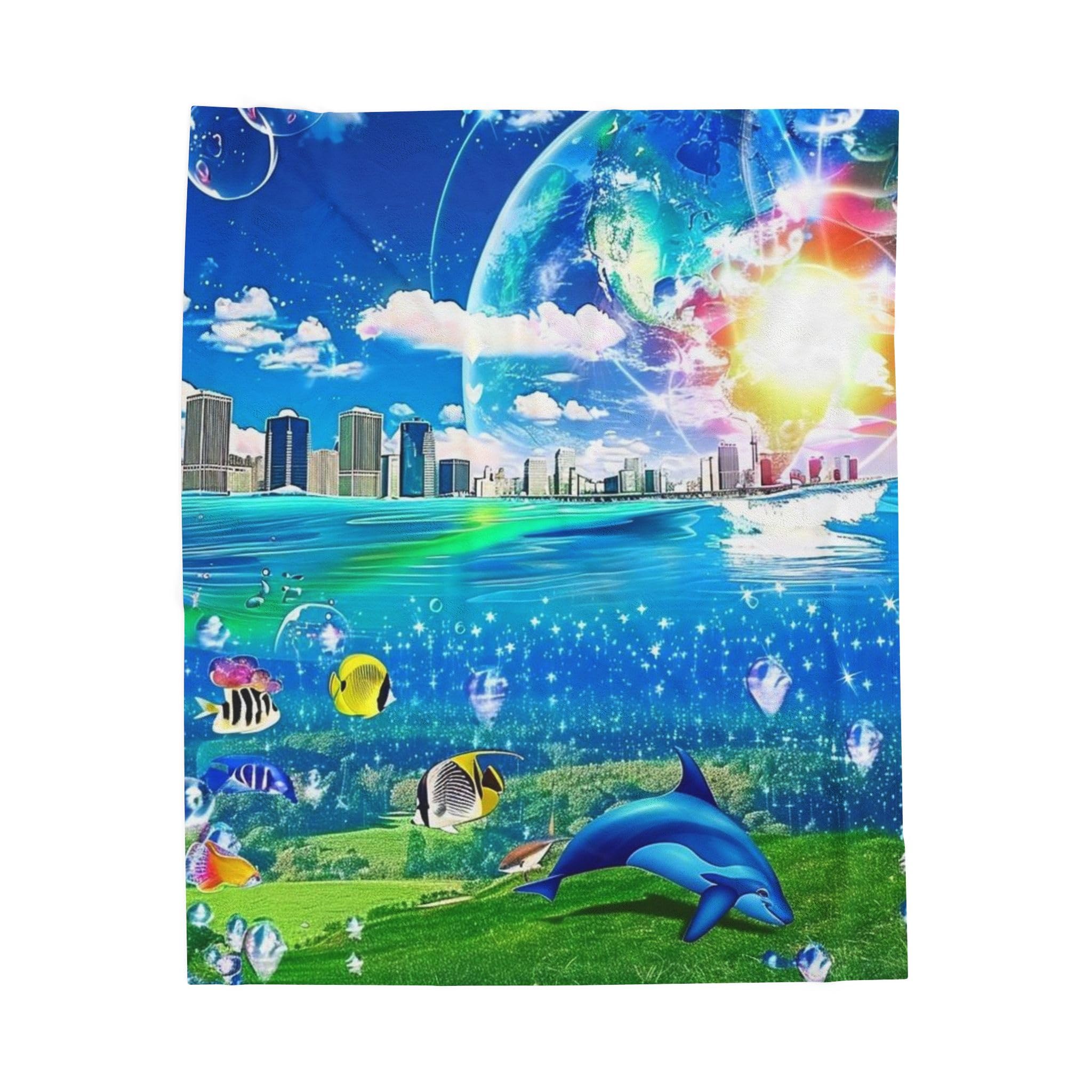
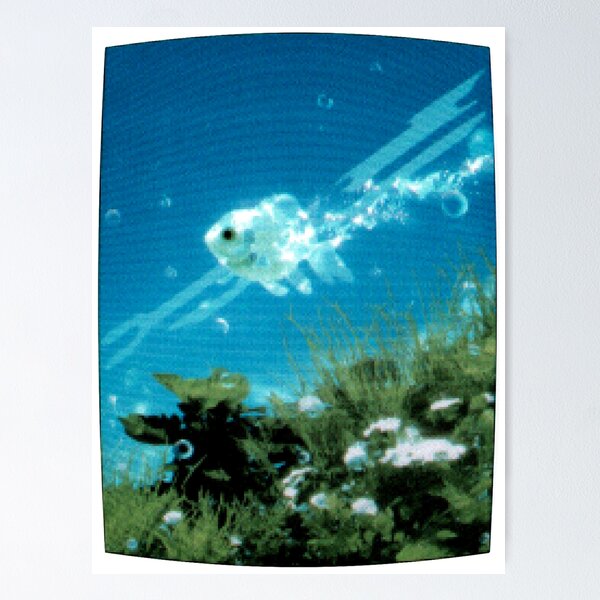
Let's look at alternatives:
- Modify the query.
- Start a new thread.
- Remove sources (if manually added).
Let's look at alternatives:
- Modify the query.
- Start a new thread.
- Remove sources (if manually added).
Let's look at alternatives:
- Modify the query.
- Start a new thread.
- Remove sources (if manually added).

Get more accurate answers with Super Pandi, upload files, personalised discovery feed, save searches and contribute to the PandiPedia.
A visual celebration of the analog revival—film photography seen through classic viewfinders and the tactile world of knitting workshops—showcasing the warmth, texture, and hands-on charm of vintage hobbies.
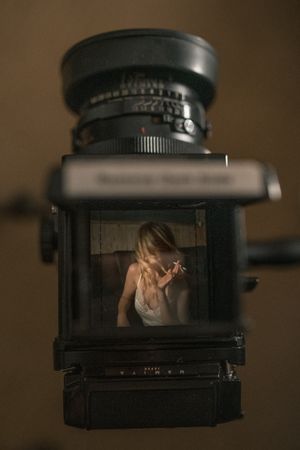


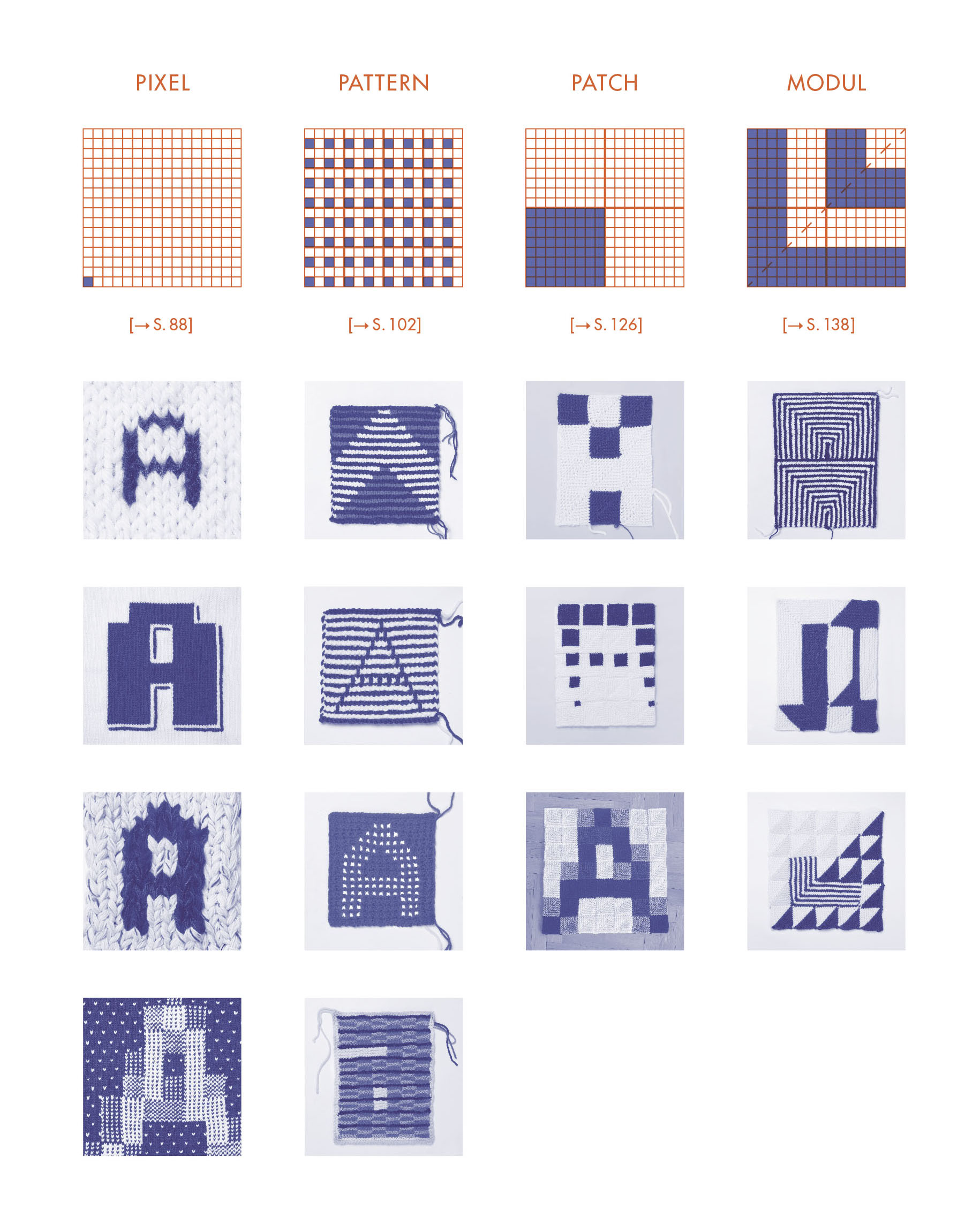
Let's look at alternatives:
- Modify the query.
- Start a new thread.
- Remove sources (if manually added).




Let's look at alternatives:
- Modify the query.
- Start a new thread.
- Remove sources (if manually added).
Let's look at alternatives:
- Modify the query.
- Start a new thread.
- Remove sources (if manually added).






Let's look at alternatives:
- Modify the query.
- Start a new thread.
- Remove sources (if manually added).