What are the benefits of using natural makeup?

Using natural makeup offers several health and environmental benefits. Natural ingredients, such as plant extracts and minerals, are often more gentle on the skin and can help prevent irritation and allergic reactions, especially for those with sensitive skin[1][4]. They typically lack harmful synthetic chemicals like parabens and sulfates, which are linked to various health issues[2][5].
Moreover, natural makeup is often produced sustainably and ethically, minimizing the environmental impact[5][6]. By choosing natural products, consumers support brands that prioritize eco-friendly practices and contribute to reducing pollution associated with conventional cosmetics[3][6]. This shift promotes not only healthier skin but also a more sustainable planet.
Let's look at alternatives:
- Modify the query.
- Start a new thread.
- Remove sources (if manually added).

The Role of Fashion in Self-Expression

Fashion is often viewed as more than just a means of covering one's body; it acts as a profound form of self-expression that reflects individual identity, moods, values, and social contexts. This multifaceted relationship between fashion and self-expression highlights the psychological impact of clothing choices and their significance in conveying one's personality and aspirations.
Fashion as a Reflection of Identity

Clothing choices serve as powerful indicators of personal beliefs, cultural backgrounds, and individual tastes. Each outfit can communicate distinct messages about who we are, allowing individuals to present their unique identities to the world. The colors and styles chosen can express moods and character traits; for example, vibrant colors may portray boldness, while muted tones might signify a more reserved personality[3][5][10]. According to Rachel Zoe, fashion serves as a nonverbal means of communication, projecting one’s identity without needing words[10].
Moreover, our stylistic preferences often reflect our self-concept, which encompasses how we see ourselves and how we want others to perceive us. When individuals wear clothing that resonates with their self-image, it can enhance their overall self-esteem and confidence. This notion is supported by psychological theories such as 'enclothed cognition,' which suggests that the attire we choose can significantly affect our thoughts, behaviors, and emotional states[4][8]. For instance, individuals often feel empowered and confident when dressed in formal attire, as it can instill feelings of authority and competence[4].
The Psychological Impact of Clothing

Fashion choices directly influence how individuals feel about themselves. Various studies have shown that wearing clothing associated with power and competence can elevate self-perception and confidence levels. For example, participants in a study reported feeling more competent when donning formal attire, such as a suit or a tailored dress[4][8]. In contrast, wearing outfits that evoke discomfort or insecurity can lead to decreased self-esteem and an overall negative self-image[5].
Additionally, the context in which clothing is worn plays a crucial role. For example, the same outfit might convey a professional image in a workplace but can be viewed as casual in a social setting. Hence, individuals often manipulate their wardrobe choices based on the relevant contexts, reflecting adaptability in their self-expression[7]. By dressing appropriately for different occasions, people are able to project their desired identities and navigate social environments effectively.
Social Identity and Group Dynamics
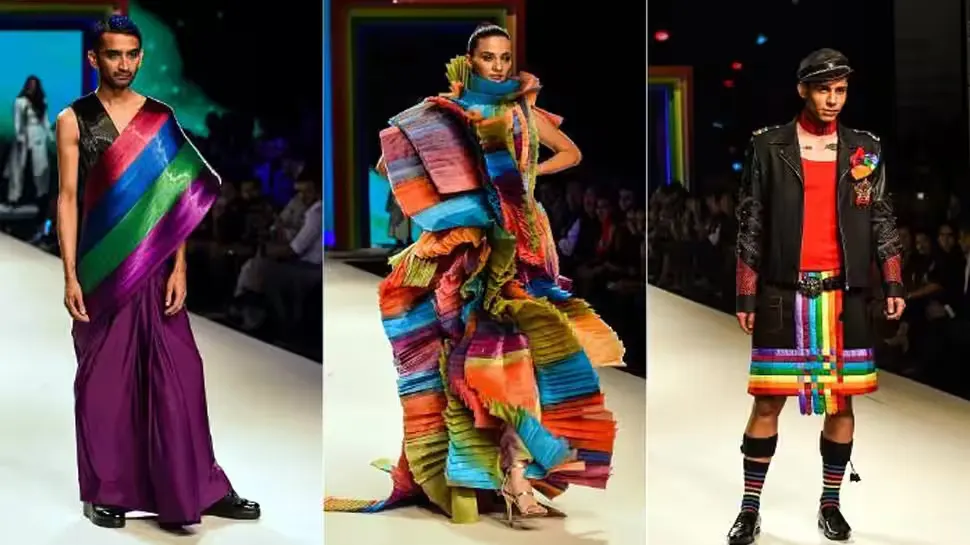
Fashion also operates as a social signaling tool, allowing individuals to align with specific social groups or subcultures. The styles and brands that people choose can indicate their affiliations and aspirations. Wearing particular clothing can foster a sense of belonging, encapsulating how fashion connects individuals with the communities they identify with[5][9].
This social dynamic can sometimes result in individuals suppressing their own stylistic preferences in favor of conformity to group norms, especially in environments where specific dress codes are enforced, such as schools or workplaces. As highlighted in the literature, clothing can enforce a sense of conformity or belonging to a group, making it vital for individuals to navigate these expectations while attempting to maintain their personal identities[9].
Empathy and Individuality Through Fashion
Fashion has the potential to challenge societal norms and prejudices, creating opportunities for individuals to express diversity and assert individuality. For example, wearing garments that defy traditional gender norms can promote discussions around identity and inclusivity, allowing individuals to explore different facets of who they are in a socially affirming context[5][10].
Moreover, as young individuals experiment with their fashion choices, they can reflect their experiences and transformations. Fashion becomes a tool for self-exploration, contributing to the development of their identities as they navigate through various social landscapes. This exploration is not limited to visual aesthetics; it extends to embodying one’s values and beliefs, especially through sustainable and ethical fashion choices[9].
Conclusion: The Transformative Power of Fashion
In summary, fashion plays a crucial role in self-expression by serving as a canvas through which individuals can convey their identities, emotions, and values. The intricate connections between clothing choices, self-perception, and social identity illustrate how style can empower and enable personal narratives. As individuals continue to navigate the complex interplay of fashion, society, and identity, the choices they make in their attire can affirm who they are and how they wish to be perceived in the world around them. By understanding and embracing the role of fashion in self-expression, one can cultivate a deeper connection with their own identity and foster authentic interactions with others[1][6][10].
Let's look at alternatives:
- Modify the query.
- Start a new thread.
- Remove sources (if manually added).
Create your account to shape this feed around what you search for and enjoy.
Identifying Quality Fabrics When Shopping
When it comes to shopping for clothes, understanding how to identify quality fabrics is essential for making informed decisions. Quality fabrics not only enhance the garment's appearance and comfort but also significantly affect its durability and longevity. Below are key factors and techniques to help you assess fabric quality effectively.
1. Understanding Fabric Types and Composition
The first step in identifying quality fabrics is to understand the different types of fibers used in clothing. Natural fibers like cotton, silk, and wool are often associated with higher quality due to their breathability and comfort. Conversely, synthetic fibers such as polyester and nylon are engineered for durability and affordability but may lack the same level of comfort or environmental sustainability as natural materials[6][11].
Key Points:
Look for natural fibers like cotton, silk, and wool, which usually indicate higher quality.
Be cautious of synthetic blends; while they can enhance durability (e.g., a cotton-polyester blend), they may compromise comfort and breathability[4][11].
2. Evaluating Fabric Texture and Weight

Texture is a significant indicator of fabric quality. High-quality fabrics should feel smooth and comfortable against the skin. When evaluating a fabric’s texture, consider factors such as softness, consistency, and imperfections. A smooth and even texture is indicative of better craftsmanship, while rough or irregular surfaces suggest lower quality[10].
Additionally, the weight of the fabric can tell you a lot about its durability. Heavier fabrics typically have better drape and can withstand more wear and tear, making them ideal for items like jackets and trousers. Conversely, lighter fabrics are often more breathable and suitable for summer wear, but they may not provide the same longevity[11].
Observational Techniques:
Touch the fabric: Run your fingers over it to evaluate its softness and texture.
Hold it up: Check how it drapes and feels in terms of weight.
3. Inspecting Weave and Stitching

The weave of the fabric plays a crucial role in its overall quality. A tightly woven fabric tends to be more durable and resistant to fraying or tearing. Different weaves serve different purposes; for instance, satin weave fabric is smooth and lustrous, while twill is more robust with diagonal lines[4][9].
Important Considerations:
Check the stitching: Ensure that the seams are even, tight, and without loose threads. High-quality garments often have reinforced seams and hidden stitches, enhancing both durability and aesthetics[10].
Look for structural consistency: Examine the weaving pattern for any irregularities, which could indicate poor workmanship.
4. Assessing Color Fastness and Shrinkage Potential
Color fastness is another vital test for fabric quality. This determines whether the dye will bleed or fade when washed. To test this, gently rub a damp white cloth against the fabric. If color transfers, that indicates poor quality, as the fabric may not retain its vibrancy after multiple washes[10][11].
Additionally, understanding the fabric's potential for shrinkage is essential. Fabrics like cotton can shrink significantly if not pre-washed. To assess this, consider washing a small sample of the fabric and measuring any changes in size. If the fabric shrinks a lot, it may not hold its shape well over time[9].
5. Evaluating Fiber Density and Thread Count
Thread count refers to the number of threads woven into a square inch of fabric. While a higher thread count can indicate a softer and denser fabric, it is not the only measure of quality. For instance, a fabric can be high in thread count but still poor in quality if made from short-staple fibers[8][11].
Points to Remember:
Higher GSM (grams per square meter) generally indicates a heavier and potentially more durable fabric. Compare fabrics across the same category to judge them properly[11].
Always inquire about the fiber length; longer fibers usually create a softer, more durable fabric.
6. Practical Tips While Shopping

When shopping, it’s often beneficial to adopt a hands-on approach:
Check the label: Always review the fabric content listed on the garment label. Look for terms like '100% wool,' '100% cotton,' or 'pure silk' for assurance of quality.
Observe pattern alignment: Misaligned patterns can be a telltale sign of poor quality control during manufacturing[10].
Understand the return policy: Buying from retailers with flexible return policies allows you to test the fabric’s quality and comfort at home before committing fully.
Conclusion
Identifying quality fabrics involves a multi-faceted approach focusing on understanding fiber types, evaluating texture, inspecting weave and stitching, assessing color fastness, and considering fabric weight and density. By applying these techniques and observations during your shopping experience, you can enhance your wardrobe with durable, comfortable, and high-quality garments that stand the test of time. Whether you prefer natural or synthetic fabrics, informed choices will lead to a more satisfying shopping experience and ultimately, a more sustainable wardrobe.
Let's look at alternatives:
- Modify the query.
- Start a new thread.
- Remove sources (if manually added).

What are the benefits of corporate social responsibility?
Let's look at alternatives:
- Modify the query.
- Start a new thread.
- Remove sources (if manually added).
What are travel tips for first-time flyers?
Let's look at alternatives:
- Modify the query.
- Start a new thread.
- Remove sources (if manually added).

How to create a balanced meal plate quickly?
Let's look at alternatives:
- Modify the query.
- Start a new thread.
- Remove sources (if manually added).
Create your account to shape this feed around what you search for and enjoy.
What role do drones play in modern logistics?

Drones play a pivotal role in modern logistics by enhancing efficiency in several areas, including last-mile delivery, inventory management, and security inspections. They can optimize delivery routes, allowing for faster and more reliable service, particularly in remote areas difficult for traditional transportation methods to reach. Drones equipped with sensors can also monitor environmental conditions, ensuring compliance with safety standards during storage and shipment handling[1][3].
Research indicates a rising trend in deploying drones for optimizing last-mile delivery and humanitarian logistics[2]. The potential of drones to reduce logistical costs and improve productivity aligns with the increasing demand for efficient supply chain solutions in today’s fast-paced market[3].
Let's look at alternatives:
- Modify the query.
- Start a new thread.
- Remove sources (if manually added).
Common Injuries in Professional Sports and Their Treatments
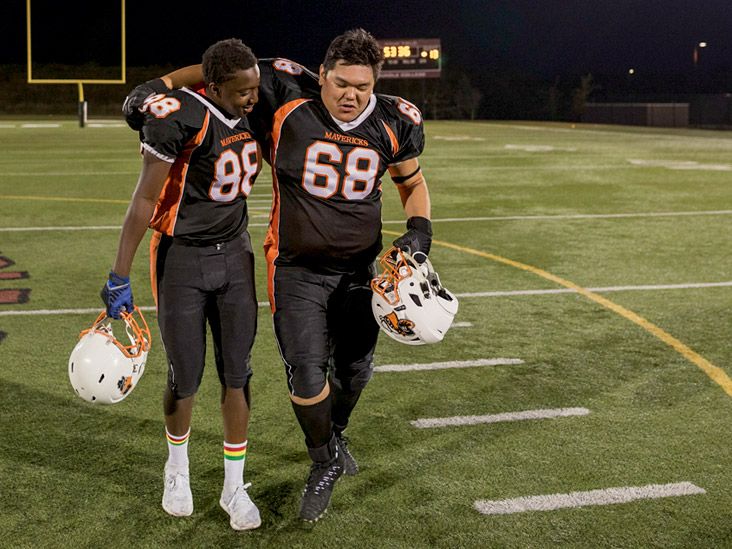
Professional sports, characterized by high-intensity physical exertion and risk of injury, frequently lead to various types of injuries. Understanding these common injuries and their treatment methods is essential for athletes, coaches, and sports enthusiasts alike.
Types of Common Sports Injuries
Sprains and Strains
:max_bytes(150000):strip_icc()/GettyImages-1012118058-0d5b34c8d59a4cf2b7c9bfc7cc3259e7.jpg "What to Do If You Get Injured Playing Sports")
One of the most common injuries across all sports is sprains, which involve the stretching or tearing of ligaments, and strains, which affect muscles or tendons. For instance, ankle sprains are prevalent and occur when the ligaments supporting the ankle stretch or tear, often due to rolling the foot in an unnatural direction[4]. Hamstring strains frequently happen in sports requiring explosive starts or sudden stops, and are particularly common in sports like soccer and basketball[6].
Soft Tissue Injuries
Injuries to soft tissue, including tears in muscles, tendons, or ligaments, are frequently encountered. Knee injuries such as meniscal tears and anterior cruciate ligament (ACL) tears are common in sports that involve a lot of pivoting and sudden directional changes like football and basketball[5]. Tendinitis, such as Achilles tendinitis and patellar tendinitis, arises from repetitive strain on tendons and is prevalent among runners and jumpers[2][4].
Head Injuries
Concussions are significant concerns in contact sports, resulting from impacts to the head that can lead to cognitive impairment. The symptoms may range from confusion and headache to dizziness and memory issues[1][6]. Immediate medical evaluation is critical following any head trauma to prevent serious long-term effects.
Fractures and Dislocations
Fractures, or broken bones, can occur from sudden impacts or falls and are particularly common in contact sports[4]. Dislocations happen when bones in a joint are forced out of position, commonly seen in shoulders and fingers during high-contact situations. The treatment for both fractures and dislocations often requires immobilization and sometimes surgical intervention[2][5][4].
Overuse Injuries
Chronic injuries develop over time due to repetitive stress on specific body parts. Conditions such as shin splints, stress fractures, and carpal tunnel syndrome fall into this category and are often seen in athletes who engage in high-impact activities without proper recovery[2][6].
Treatment Options for Sports Injuries
Initial Management: R.I.C.E. Protocol
The initial treatment for most acute injuries generally follows the R.I.C.E. method—Rest, Ice, Compression, and Elevation. This approach helps minimize swelling and pain immediately after the injury occurs[4][6]. Resting the injured area, applying ice to reduce inflammation, using compression bandages to support the area, and elevating the injured limb are fundamental steps in managing acute injuries effectively.
Medical Evaluation

If symptoms persist or worsen despite initial treatment, seeking medical attention is crucial. Health care providers will evaluate the injury, often requiring diagnostic imaging (X-rays, MRI) to determine the extent of the injury and to rule out fractures or further soft tissue damage[2][4][6].
Rehabilitation

Physical therapy plays a vital role in recovery from most sports injuries. A structured rehabilitation program involving strength training, flexibility exercises, and gradual return to activity is essential to prevent recurrence[4][5]. For instance, athletes recovering from ACL injuries will undergo specific exercises aimed at rebuilding strength and stability in the knee joint[6].
Surgical Intervention
Some injuries, especially severe ligament tears or fractures, may require surgical repair. Decisions regarding surgery depend on the location and severity of the injury and the athlete's level of competition[5]. A specialist can provide options based on the athlete's individual circumstances.
Prevention Strategies

To minimize the risk of injuries, athletes are encouraged to engage in proper warm-up and cool-down routines, strength training, and agility drills. Wearing appropriate athletic gear and ensuring that equipment fits correctly also reduce the likelihood of injuries[4][5]. Additionally, athletes should listen to their bodies and allow adequate recovery time post-injury to avoid overuse issues[6].
Conclusion
Sports injuries are a common part of athletic endeavors, impacting participants at all levels. Understanding the types of injuries, their symptoms, and treatments can help in effectively handling incidents and ensuring a safe return to play. Maintaining proper training routines and preventive measures is essential for minimizing the occurrence of injuries during sports activities.
Let's look at alternatives:
- Modify the query.
- Start a new thread.
- Remove sources (if manually added).

Techniques for Evoking Emotional Responses in Film
Film has the remarkable ability to evoke a wide array of emotional responses from its audiences. By employing various techniques in cinematography, sound design, and narrative structure, filmmakers are able to tap into the psychological aspects of viewers' experiences, guiding them through emotional journeys that resonate deeply.
Cinematography Techniques
Cinematography plays a critical role in shaping the emotional landscape of a film. Techniques such as lighting, camera angles, color symbolism, and composition are fundamental in creating the desired emotional impact.
Lighting
Lighting is essential for establishing mood and atmosphere. Techniques like low-key lighting create shadows that evoke feelings of fear and suspense. This approach keeps significant portions of the screen in darkness, allowing the audience's imagination to play a role in building tension[2]. In contrast, high-contrast lighting can emphasize conflict and drama through sharp shadows and bold highlights, often seen in thriller or noir genres[1][4]. Soft, diffused lighting creates warmth, ideal for romantic scenes, fostering connection to characters[1].
Color also influences emotion significantly; for example, reds can evoke passion or danger, while blues can convey sadness or calmness[1][4][5]. Using warm hues can evoke happiness, whereas cooler tones might suggest melancholy or unease, directly affecting how audiences perceive emotional content onscreen[7][8].
Camera Angles
Camera angles further manipulate emotional responses. Close-ups allow viewers to connect intimately with characters by capturing nuanced expressions, thus conveying deep emotions without the need for dialogue[1][4]. Low-angle shots can make characters appear powerful and dominant, creating a sense of awe or intimidation, whereas high-angle shots can imply vulnerability and inferiority[1][8].
Moreover, tilted or Dutch angles can portray disorientation or tension, making the audience feel that something is amiss—commonly used in horror films[2][8]. These techniques not only engage viewers but also shape their perceptions of character dynamics and plot developments.
Composition
Effective composition also aids emotional storytelling. Techniques such as the rule of thirds help create an emotional weight in scenes, where placing significant elements along these lines draws the viewer’s attention naturally and heightens relational dynamics between characters or objects[1][4].
Sound Design
Sound is equally important in evoking emotions. This includes the strategic use of music, sound design, and dialogue. A well-orchestrated soundtrack can amplify emotional scenes, whether it's a soaring melody that evokes joy or a haunting score that builds suspense[5][7].
Sound effects play a vital role, too. For instance, ambient sounds can create atmosphere—chirping birds might suggest peace, while a crack of thunder could introduce anxiety. The deliberate use of silence or sudden loud noises can trigger “startle responses” in viewers, further enhancing shock or fear[2][6][9].
Narrative Techniques
The way a story is structured also deeply influences emotional engagement. Elements such as character development, foreshadowing, and plot twists keep audiences invested in the narrative. Character arcs allow viewers to connect with the characters' journeys, feeling their struggles and triumphs as their own[3][4].
Foreshadowing builds anticipation, subtly hinting at future events, which can intensify emotional responses when the payoff occurs[3]. Unexpected plot twists can elicit strong reactions, from disbelief to elation, altering how the audience perceives the narrative trajectory[6][8].
Audience Engagement Through Empathy
One of the primary emotional triggers in film is the audience's ability to empathize with characters. As viewers witness characters confronting challenges and emotional dilemmas, they are encouraged to reflect on their own lives and experiences. Techniques such as first-person narration or POV shots help immerse the audience into the characters' perspectives, enhancing emotional connection[9]. This immersion can convert characters from mere actors to relatable figures with whom viewers can share an emotional bond[3][4].
Conclusion
In summary, filmmakers employ a rich tapestry of techniques to provoke emotional responses in their audiences. Through thoughtful cinematography, engaging sound design, and careful narrative structure, films can transport viewers through a spectrum of emotions. Whether through creating suspense, evoking joy, or inspiring empathy, these artistic choices work in concert to leave a lasting impact long after the final credits roll. Each element, from lighting to character development, contributes to a greater understanding of the human experience, highlighting the profound power of film as a medium for emotional storytelling.
Let's look at alternatives:
- Modify the query.
- Start a new thread.
- Remove sources (if manually added).
Impact of Globalization on Small Businesses

Globalization has significantly transformed the landscape in which small businesses operate, presenting both remarkable opportunities and daunting challenges. The interconnectedness of markets and the availability of digital tools have enabled small enterprises to reach a global audience, but they must also navigate a complex array of competitive and regulatory environments.
Opportunities for Growth and Expansion
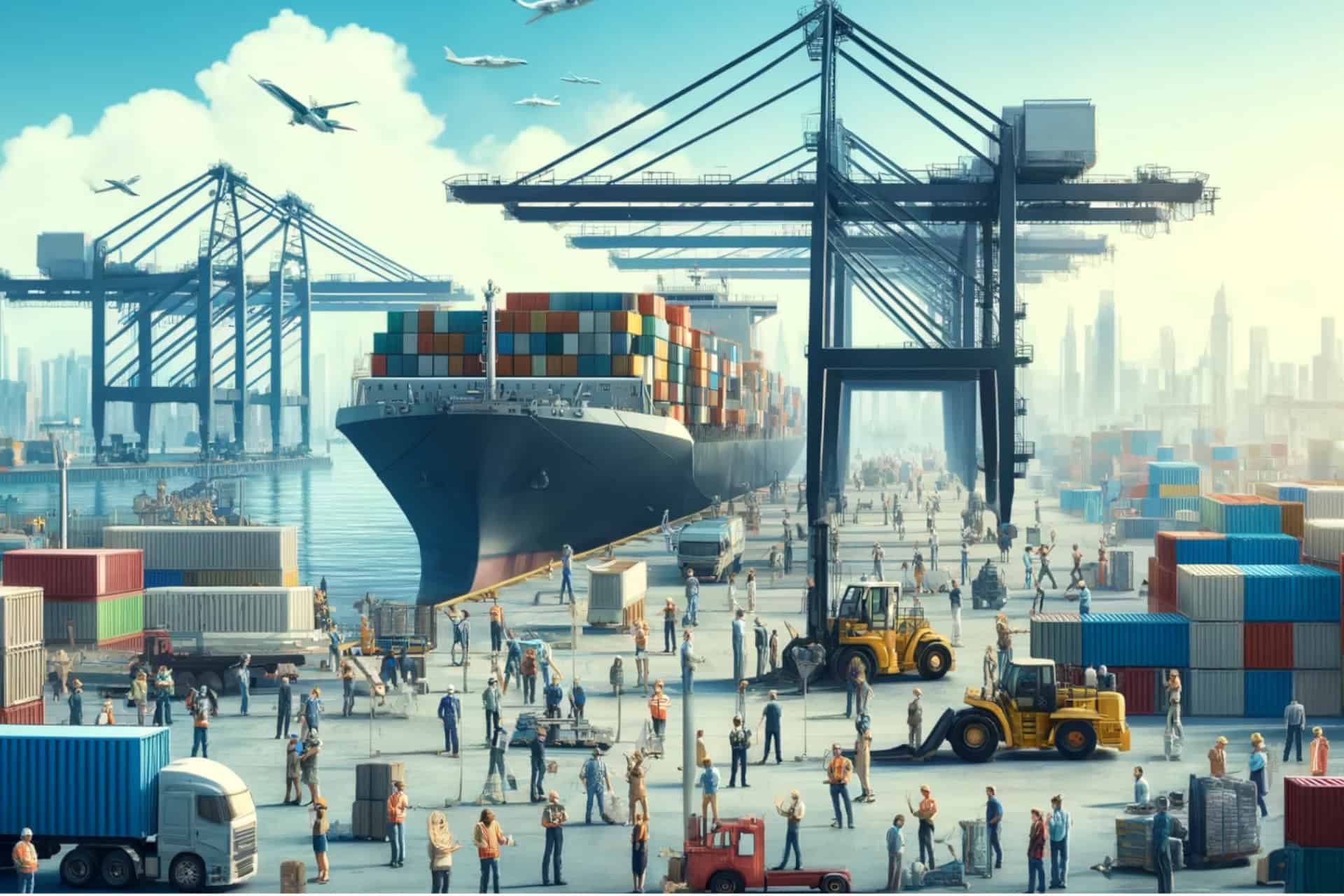
One of the key benefits of globalization for small businesses is the access it provides to international markets. Businesses can now leverage digital platforms to connect with consumers far beyond their local economies. This has the potential to increase sales and diversify revenue streams, as the global reach allows small enterprises to tap into varying consumer preferences across different regions. For instance, “International trade provides SMEs with access to a broader customer base and the opportunity to expand beyond their domestic market”[2]. The ability to participate in global value chains enables small businesses to enter new markets and meet growing demand for diverse products and services.
Moreover, the globalization process has facilitated significant knowledge transfer and innovation. The exchange of ideas and technologies across borders enriches the operational capabilities of small businesses. They can implement novel approaches in their operations, helping to foster creative solutions that can distinguish them in the marketplace[1]. Offering unique products and services that resonate with international consumers can provide a competitive edge, especially in crowded markets[5].
Challenges and Risks

Despite the numerous advantages, globalization also brings a suite of challenges that small businesses must confront. The heightened competition from larger multinational corporations often characterizes the global market landscape, creating a “David-versus-Goliath scenario” where smaller players must strategically position themselves to survive[1]. The presence of well-established global brands can saturate markets, compelling small enterprises to find innovative ways to differentiate themselves.
Additionally, navigating the intricate web of international regulations, customs procedures, and compliance requirements can overwhelm small businesses. According to one analysis, “Navigating complex trade regulations, customs procedures, and compliance requirements can be daunting for SMEs”[2]. These compliance demands, particularly concerning tariffs and non-tariff barriers, can increase operational costs and administrative burdens. Small businesses may struggle with limited resources and expertise needed to meet varying regulatory frameworks while ensuring compliance across multiple jurisdictions.
Digital Transformation and Technological Advances

Technological advancements play a crucial role in shaping the landscape of globalization for small businesses. While the advent of e-commerce platforms and digital marketplaces has opened new avenues for reaching customers globally, keeping pace with rapidly evolving technologies remains a challenge. Small businesses must prioritize investments in technology infrastructure and upskill their employees in digital marketing strategies to stay competitive. Embracing digital tools will be essential for navigating the complexities of global trade and enhancing operational efficiencies[5][6].
As remote work and digital communications become the norm, businesses that adapt to this new operating model can benefit from a flexible workforce. However, this shift requires careful management of cultural nuances and consumer behavior, highlighting the importance of cultural intelligence in a globalized environment[8]. Understanding these dynamics will be essential for businesses aiming to resonate with diverse audiences across international markets.
The Importance of Strategic Planning

Given the uncertainties associated with international markets, strategic planning becomes integral for small businesses aiming to expand globally. Identifying potential risks along with growth opportunities is critical, especially amid geopolitical tensions and economic fluctuations that can disrupt trade flows. For example, the evolving global landscape has led to companies reevaluating their supply chains and sourcing practices to enhance resilience[7]. This requires small businesses to be diligent in assessing their supply chains, exploring alternatives, and preparing for potential disruptions.
Furthermore, companies may leverage partnerships and seek government assistance programs to navigate financial and operational challenges associated with international trade[2]. Governments and trade associations can play a pivotal role in equipping small businesses with necessary resources, training, market intelligence, and networking opportunities, thus facilitating their entry and success in global markets[4].
Conclusion

In summary, globalization acts as a double-edged sword for small businesses, offering them unprecedented growth opportunities while also presenting significant challenges. Those that strategically embrace global opportunities while ensuring they are equipped to tackle the associated risks and complexities stand a better chance of thriving in an increasingly interconnected world. The keys to success lie in adaptability, leveraging digital tools, and being proactive in managing the multifaceted challenges presented by globalization.
Let's look at alternatives:
- Modify the query.
- Start a new thread.
- Remove sources (if manually added).